
Best Crypto Trading Apps for Nigerian Investors
🚀 Find the best crypto trading app for Nigerian investors! Learn about key features, security, fees, and tips to trade smart and safe in Nigeria's crypto market.
Edited By
Benjamin Shaw
Getting started with crypto trading in Nigeria can feel a bit like navigating a maze without a map. There's a lot to consider—security, fees, ease of use, and of course, how well the app fits your trading style. This guide is here to clear the fog and help you make an informed choice.
With crypto becoming a popular investment option in Nigeria, choosing the right trading app is key. Not all apps are created equal, and what works in one market might not suit Nigerian users. From understanding local payment methods to dealing with currency fluctuations and regulations, the right app can make your trading experience smoother and safer.
Throughout this article, we’ll cover everything from the must-have features to watch out for, the security measures that protect your funds, fee structures you need to compare, and how to spot an app that’s user-friendly without skimping on functionality. We’ll even review some of the top apps Nigerians are using today.
By the end, you’ll have a clear picture of how to pick an app that works for you—whether you’re just starting out or looking to sharpen your trading game. So, let’s dive in and find the perfect fit for your crypto adventures in Nigeria.
Crypto trading apps are the gateways for investors and traders to buy, sell, and manage cryptocurrencies efficiently. In Nigeria, where crypto interest is growing fast, understanding what these apps offer is essential for making smart choices. These apps don’t just handle transactions; they also provide tools for tracking market trends, managing portfolios, and sometimes even community features.
For instance, an app like Binance provides options for spot trading, futures, and staking all in one platform. On the other hand, some local Nigerian apps focus on making deposits and withdrawals with the Nigerian Naira (NGN) as smooth as possible. This overview sets the stage for identifying what’s really important: security, smooth user experience, and compatibility with local needs.
Every crypto trading app should at its core allow you to buy, sell, and trade cryptocurrencies seamlessly. You want to look for apps that provide real-time pricing, order books, and transaction history. Additionally, features like limit and market orders enable more control than just clicking “buy” or “sell.” For example, the app might let you place stop-loss orders to limit your losses — important when markets swing wildly, like Bitcoin’s price often does.
An intuitive and clean interface can save you from making costly mistakes. Good apps make navigation straightforward, whether you’re checking prices or placing an order. Think of apps like Luno or Quidax; they keep things simple with clear sections and guidance, helping even beginners to jump in with confidence. The trick is to pick an app that feels natural to you, rather than complicated menus that slow you down during crucial moments.
In Nigeria, many traders rely on mobile devices due to better accessibility. Mobile apps offer the convenience to trade on the go—on your bus ride home, for example. However, desktop apps or web platforms often provide advanced charts and faster order executions, which some traders may prefer for detailed analysis or day trading. It's a good idea to try both if possible. Apps like Binance provide excellent experiences across both formats, while others might specialize in mobile usage only.
The regulatory environment for crypto in Nigeria is always evolving, so an app’s compliance with local laws can make or break your trading experience. Choosing apps that work within the Nigerian context, respecting KYC (Know Your Customer) rules, and transparent about regulatory stance helps avoid surprises. For instance, apps like Bundle Africa focus heavily on compliance which can give extra peace of mind.
The ability to easily move money in and out via Nigerian banks is a big deal. Some apps struggle with withdrawals or apply dodgy fees. Look for platforms that support local payment systems, like GTBank transfers or using USSD codes. Quidax, for example, supports straightforward Naira deposits and withdrawals with minimal fuss, making it easier than hopping between currencies or wallets.
While Bitcoin and Ethereum dominate, Nigerian traders often show interest in African-specific cryptocurrencies such as Bundle's BUSD or even Celo, which sees use in various African economies. Apps that integrate these tokens allow easier access to local opportunities and can sometimes mean lower fees for transactions within the region.
Picking the right app isn't just about the bells and whistles; it's about matching those features with the realities of your daily trading life and the Nigerian market specifics. What works well in one place might not suit another — especially where the banking system and regulatory environment differ.
This overview lays the foundation for further exploration into the specific traits and choices that will steer you toward the best crypto trading app for your needs in Nigeria.
Choosing the right crypto trading app isn't just about picking one with a flashy design or tons of coins. You need to dig into the core features that will actually affect how well you can trade, your security, and your overall experience. In Nigeria—where market conditions and banking options can vary widely—it’s even more important to find an app that fits well with local realities while offering powerful tools and solid protection.
Two-factor authentication (2FA) is the gatekeeper between a hacker and your hard-earned crypto assets. It usually means needing a second form of ID when logging in, like a code from Google Authenticator or a text message. For Nigerian traders, where phishing scams can be a real pain, 2FA adds that critical extra layer so you’re not relying on just a password—which can be guessed or stolen.
Cold storage use refers to keeping most of your cryptocurrencies offline, away from the prying eyes of hackers. Apps that use cold storage mean your funds aren’t sitting on internet-connected servers all the time. This is especially helpful in Nigeria, where cyberattacks on financial services have been on the rise. Popular exchanges like Binance and Luno use cold wallets to protect large reserves, which gives Nigerian users added peace of mind.
Insurance policies might sound like a fancy add-on, but some trading apps actually insure deposits against theft or platform failure. It’s a safety net worth considering, as it protects your investment in case something goes sideways with the platform. For traders starting out or handling significant sums, this feature can make a big difference.
Real-time price updates are non-negotiable if you want to trade smartly. Prices can swing wildly, especially in volatile markets like Nigeria’s crypto scene. An app with live price feeds means you won’t be stuck looking at outdated info that could cost you money.
Technical analysis tools help traders spot trends and make predictions. Features like moving averages, RSI (Relative Strength Index), and Bollinger Bands aren't just jargon—they give you a clearer picture of when to buy or sell. Apps like Binance and Coinbase Pro provide these tools, so you don’t have to juggle separate analytics software.
Order types available give you control over how you trade. Besides the basic market and limit orders, look for apps offering stop-loss orders or trailing stops. These help manage risk by automatically selling when prices hit a certain point and can be a lifesaver during market dips.
Popular coins and tokens: While Bitcoin and Ethereum are must-haves on any app, Nigerian traders might also want access to tokens gaining traction locally or across Africa. For example, support for Binance Coin (BNB) or Ripple (XRP) could be useful depending on trading strategies.
Availability of local currency pairs is where an app either makes or breaks your experience in Nigeria. Apps that let you trade directly with Nigerian Naira (NGN) save you extra conversion fees and delays. Some apps, like Quidax, specialize in NGN pairs, which makes deposits and withdrawals much smoother.
Volume and market depth impact how easily you can buy or sell without affecting prices too much. High liquidity ensures your trade goes through quickly at expected prices, not at slashed or inflated rates. Always check the trading volume and order book depth for your chosen coins on the platform before committing.
When selecting a crypto trading app, it’s easy to get caught up in flashy features or low fees, but focusing on core functionalities like security, real-time tools, and liquidity will help you trade smarter and safer in Nigeria’s dynamic crypto environment.
Navigating the fees and costs involved in crypto trading is a must-do for anyone serious about maximizing their returns in Nigeria. These charges can quietly chip away at your profits if you aren’t paying attention. It’s not just about the price of cryptocurrencies; the fees tied to trading, deposits, and withdrawals can add up fast. Understanding these costs helps traders plan better and avoid nasty surprises.
Trading fees usually come in the form of maker and taker fees, which are essential to grasp. A maker adds liquidity to the market by placing limit orders that don't fill immediately, while a taker removes liquidity by matching existing orders right away. Typically, makers pay lower fees because they help maintain market balance. For instance, on a platform like Binance, maker fees might be 0.1% while taker fees can run slightly higher, around 0.15%. Knowing which fee applies to your trade can save you some naira.
Next up, there’s a choice between flat fees and percentage-based fees. Flat fees stay the same regardless of your trade size—say, ₦50 per transaction—while percentage fees fluctuate based on your trade amount. For Nigerian traders working with small volumes, flat fees might feel a bit harsh because the fee represents a larger portion of their trade. Meanwhile, percentage rates scale better with larger trades, so it’s worth calculating which model costs less depending on your typical trade size.
Bank transfers remain the main method to move funds in and out of Nigerian crypto apps. While some platforms offer free deposits via bank transfer, others might charge a small fee to cover banking costs. For example, a ₦100 flat charge for deposits isn’t uncommon. It’s a good idea to double-check each app’s policy since some might waive fees for transfers above a specific threshold.
Digital wallet fees are another consideration. Apps like Flutterwave and Paystack have integrated wallets that ease transactions but often come with nominal charges. These fees can differ based on the wallet provider, typically ranging from 0.5% to 1.5% per transaction. That might not seem like much, but frequent deposits or withdrawals could add up.
Crypto withdrawal costs stem from blockchain network fees, which are outside the app’s control but still impact your total expenses. When you withdraw Bitcoin or Ethereum, network congestion can push fees to several hundred naira or even more. For instance, withdrawing Bitcoin when the network is busy might cost around ₦2,000 in fees. Choosing a less congested time or picking cryptocurrencies with lower fees, like Litecoin, can save money here.
Keep in mind: trading fees might look tiny, but over time, they pile up. Always compare fee structures and factor them into your trading strategy.
In short, being clear-headed about fees and costs ensures Nigerian traders make smarter choices on trading apps, protecting their funds and boosting profitability.
When picking a crypto trading app, no matter if you're rocking it on your phone or laptop, the ease and smoothness of the experience should be top of mind. Trading's already a fast-moving game — you don't want your app lagging just when you're about to make that flash trade or check on your assets. Beyond speed, a user-friendly design and accessibility options can mean the difference between hitting your targets or missing out because the tech trips up.
Server uptime plays a huge role here. It’s all about how often the app’s backend services are actually up and running without glitches. Imagine trying to buy or sell Bitcoin during a price spike and the app’s servers go down. It can cost serious money and cause frustration. Reliable apps, like Binance or Luno, often boast over 99.9% uptime, meaning they’re rarely offline unexpectedly. For Nigerian traders, where internet hiccups sometimes happen, consistent server availability means you’re not left hanging when timing's critical.
Load times matter as much as uptime. No one wants to wait around for minutes to see their wallet balance or historical charts. Fast-loading interfaces keep you nimble. If you’ve ever used an app where each page or function stalls, you know it disrupts your workflow and decision-making. Choose apps optimized for mobile broadband speeds common in Nigeria — they generally load in a couple of seconds and don’t eat up data unnecessarily.
Downtime frequency also affects reliability. It’s not just about how long the system is down per event, but how often these interruptions happen. A few brief outages here and there might be manageable, but frequent downtime erodes trust. Apps like Quidax minimize downtime, allowing traders to operate without worrying about sudden blackouts. Real-world context: if you catch a downtime during a market crash, you might miss out on protective trades.
Availability of support channels is vital. When dealing with money, especially something as volatile as crypto, you need to know there’s help within reach. Apps offering multiple contact points — chatbots, email, phone support, and even WhatsApp or Telegram groups — stand out. For example, Yellow Card offers dedicated Nigerian customer service lines, which means you’re not stuck waiting days for an answer.
Guides and tutorials can seriously boost your trading game. Whether you’re a newbie or a seasoned trader, accessible educational content helps demystify complex concepts and app functionalities. A well-built app often includes FAQ sections, step-by-step videos, and market insights. For example, Binance Academy provides free tutorials that can help Nigerian traders sharpen their skills without leaving the platform.
Community forums and social media presence foster a sense of belonging and real-time learning. Many trading decisions benefit from collective wisdom or warnings shared by fellow users. Platforms with active users on Twitter, Discord, or Reddit can keep you updated on glitches, hacks, or market trends. Joining these communities helps you avoid pitfalls and learn from others’ wins and losses — a nice bonus for crypto traders in Nigeria where local context matters a lot.
Remember, an app with fast servers, good uptime, responsive customer support, and solid educational tools enhances not just your trading ability but your confidence. It’s about building trust so you can focus on making smart moves in the volatile crypto market.
In short, pay close attention to how smooth and reliable the app runs along with the support it offers. These factors often mark the difference between a good trading day and losing out on key market moments just because the tech wasn’t up to scratch.
When diving into crypto trading in Nigeria, choosing the right app can make a world of difference. The Nigerian market has its quirks—like specific payment preferences, local regulations, and a diverse range of traders from beginners to pros. Knowing which trading platforms have gained trust locally and internationally helps traders avoid pitfalls and tap into features that closely fit their needs.
Nigerian-developed crypto apps stand out by addressing local realities. These platforms often integrate features specific to Nigeria that big global players don't always spot. For instance, they might support Nigerian languages or offer customer service in Pidgin English. Apps like Bundle Africa and Yellow Card have stepped up by allowing quick, hassle-free transactions that factor in Nigeria’s frequent banking delays or network downtime.
On the payment front, local apps typically excel with payment methods supported such as direct bank transfers from major Nigerian banks (Access Bank, GTBank, Zenith Bank), and integration with popular mobile money options and even USSD codes. This setup is a huge deal because it streamlines deposits and withdrawals in Naira with minimal fees and faster processing times, sidestepping challenges faced with international payment gateways that sometimes reject Nigerian cards or accounts.
On the flip side, many Nigerian traders also rely on trusted international platforms like Binance, Coinbase, and Kraken. These apps attract users with deep liquidity, a wide range of cryptocurrencies, and sophisticated trading tools. Their reputation and large user bases give an added layer of confidence to traders who need access to global markets.
However, the regulatory status in Nigeria of these platforms demands attention. Nigerian authorities have not formally regulated crypto trading as tightly yet, but some international apps maintain compliance by cooperating with Nigeria’s Central Bank guidelines. Users should check whether the platform offers clear policies about KYC (Know Your Customer) procedures, anti-money laundering controls, and whether they comply with local reporting requirements. Missteps here can lead to frozen accounts or delays in fund access.
Choosing between local apps and global giants boils down to your trading style and needs—whether you prefer convenience and localized support or broader market access with advanced tools.
Both categories have pros and cons, so weigh what matters most to you: payment ease, security, user interface, or market variety, and pick an app that fits snugly into your trading plan and life in Nigeria.
Trading cryptocurrencies can be rewarding, but it also comes with risks, especially regarding security. In Nigeria, where digital fraud and cyberattacks are growing concerns, taking extra precautions is not just a good idea—it’s essential. Effective security practices protect your investments, keep your funds safe, and ensure your trading experience remains hassle-free.
One of the simplest but most overlooked security steps is choosing strong, unique passwords. A solid password isn't just a jumble of random letters; it should combine numbers, uppercase and lowercase letters, and special characters. Avoid obvious choices like "password123" or your birth date. Instead, mix in unrelated words—think of a phrase like "Rainy*Cactus_34Sunny". This complexity makes it much tougher for hackers to crack your credentials.
Furthermore, never reuse passwords across multiple platforms. If one account gets compromised, this habit opens the door to others. Password manager apps like LastPass or Bitwarden can help you store truly random passwords without having to remember them all.
Recognizing phishing attempts is another critical defense. Scammers often send fake emails or messages pretending to be your crypto app or exchange, asking for login details or pushing you to click suspicious links. These messages might look official, but they often have spelling mistakes or unusual sender addresses. Always double-check URLs and avoid clicking links directly from unsolicited emails. If you get a message asking for sensitive info, go straight to the official app or website to verify.
Hardware wallets are physical devices that store your cryptocurrency offline, making them highly resistant to hacking. Think of them as an armored vault for your digital cash. Popular models like Ledger Nano X or Trezor provide an extra layer of security compared to just leaving coins on an exchange. In Nigeria, where internet security can sometimes be shaky, having a hardware wallet reduces risks dramatically. You only connect the device to your computer or phone when you need to move crypto, minimizing exposure.
Backup and recovery methods are lifesavers in case you lose access to your wallet or forget your passwords. Always keep secure backups of your wallet’s recovery phrase or private keys. Write these down on paper and stash them in safe places—not on your phone or computer. Some traders hide copies in different locations like a bank safe or trusted family member’s house. Without these backups, you risk permanently losing access to your funds if your hardware wallet is damaged or lost.
Security in crypto trading is like a chain; it’s only as strong as its weakest link. Combining strong passwords, cautious behavior against phishing, and safe wallet practices will help keep your assets secure.
By following these security tips, Nigerian crypto traders can confidently navigate the volatile markets while protecting their digital wealth from common threats.
Handling deposits and withdrawals smoothly is a major piece of the puzzle when picking a crypto trading app in Nigeria. Without it, your trading experience can become frustrating or worse, risky. Efficient fund transfers allow you to quickly react to market changes, access your investment when needed, and keep your money safe. For Nigerian traders, this often means interfaces that work well with local banking institutions and payment methods you can trust.
One of the top benefits of using Nigerian banks and payment gateways for crypto trading is the ability to make instant transfers. Instead of waiting hours or days for money to clear, some apps connected to banks like Guaranty Trust Bank (GTBank) or Zenith Bank offer near real-time deposits. This speed lets traders seize opportunities without delay, especially in a market that can swing wildly within minutes. For instance, when Bitcoin suddenly dips, an instant transfer means you can add funds and buy immediately, rather than watch the price bounce back while waiting for your cash to show up.
Every bank and payment gateway has its own transfer ceiling, and these limits can affect how much money you can move at once. This matters because if you plan to trade big or withdraw large profits, apps that allow higher transfer limits or offer ways to verify your account for increased thresholds are better fits. For example, some Nigerian banks might cap daily transfers at a certain naira amount, while others may let you trade off financial thresholds if you’ve completed additional identity verification. Knowing these limits ahead helps avoid stuck transactions and keeps your trading plans on track.
Not everyone has easy access to internet or prefers online banking, which makes USSD codes a handy alternative. By dialing simple codes like *389# (based on your bank), traders can send money directly to their crypto app wallets. This method is secure, requires no smartphone, and works across all mobile networks without needing data. It's practical for users in rural areas or those who want quick fund transfers on the go without fussing over apps or card details.
Mobile money platforms such as Paga or OPay have grown popular in Nigeria as trusted payment tools. These services let you deposit and withdraw funds through mobile wallets linked to your phone number. Some crypto trading apps integrate mobile money services, letting users move money faster and with fewer fees than traditional banks. This flexibility is a huge win for traders dealing with smaller amounts or avoiding the delays of bank processing times. Plus, mobile money often supports agents who can help cash out if you're not near an ATM.
Efficient funding methods, whether through Nigerian banks or alternative services like USSD and mobile money, are the backbone of smooth crypto trading. Knowing your options puts you in control and keeps your trading strategy nimble.
By ensuring your chosen app supports these deposit and withdrawal options, you avoid unnecessary complications, keep your funds secure, and trade with greater confidence in Nigeria's fast-moving crypto scene.
Trading cryptocurrencies can be a bumpy ride, especially with the fast-moving markets and all the noise out there. Having practical tips can really make a difference. This section dives into essential strategies Nigerian traders should keep in mind to avoid costly mistakes and make smarter decisions. From knowing how to manage risks to staying on top of market news, these pointers help you trade more effectively and confidently on crypto apps.
Before diving headfirst into the market, it's key to set clear and realistic goals for what you want to achieve. Not every trade will paint a green picture, and understanding that upfront helps you avoid chasing losses or getting carried away with unrealistic expectations.
Risk management is the backbone of smart trading. It means only putting in money you can afford to lose and spreading your investments across different assets instead of putting all your eggs in one basket. For example, if you have ₦100,000 to invest, you might allocate ₦50,000 to Bitcoin, ₦30,000 to Ethereum, and keep ₦20,000 for emerging altcoins. This way, even if one asset tanks, your entire portfolio isn’t wiped out. It’s also wise to decide beforehand the maximum percentage of your portfolio to risk on a single trade — many traders stick to 1-2% to avoid heavy losses.
Stop-loss orders are like your safety net. They automatically sell a crypto asset if its price dips to a certain level you’ve pre-set, curbing potential losses without you needing to watch the market 24/7. For example, if you buy Bitcoin at ₦3,000,000, you might set a stop-loss at ₦2,800,000 to cut your losses if the price starts dropping sharply. This method takes emotion out of the decision-making and helps keep losses manageable.
Tip: Many Nigerian crypto apps support stop-loss functionality, so use it. It’s better to lock in a small loss than risk losing a big chunk of your investment.
The crypto market never sleeps, and staying informed is a must. News can influence prices drastically—think government policies, technological updates, or global economic events.
Not all crypto news is created equal. Stick to tried-and-tested sources like CoinDesk, The Block, or Bloomberg Crypto. These outlets offer timely, verified information without the hype or fake news that may lead to rash decisions. Also, Nigerian-specific platforms like Nairametrics provide valuable insight into how local regulations or banking policies might affect your trades.
Following experts on social media platforms such as Twitter or LinkedIn is another way to keep a finger on the pulse. Influencers like Andreas Antonopoulos or CryptoBriefing often share analysis and opinions that can help you understand market sentiment. However, remember to filter opinions and cross-check facts before acting—never blindly follow advice just because someone has a large following.
Remember: Crypto trading is as much about staying informed as it is about strategy. A well-placed tidbit of news can be the nudge needed to make a profitable trade or avoid a loss.
By combining clear goals, smart risk management, disciplined use of stop-loss orders, and being plugged into credible news streams, Nigerian traders can significantly improve their chances of successful trading. These tips keep you grounded, prepared, and proactive in the fast-paced crypto market.
🚀 Find the best crypto trading app for Nigerian investors! Learn about key features, security, fees, and tips to trade smart and safe in Nigeria's crypto market.
Explore essential tips for choosing the best trading app in Nigeria 🇳🇬. Learn about security, fees, features, and top platforms for every trader 📈📱.
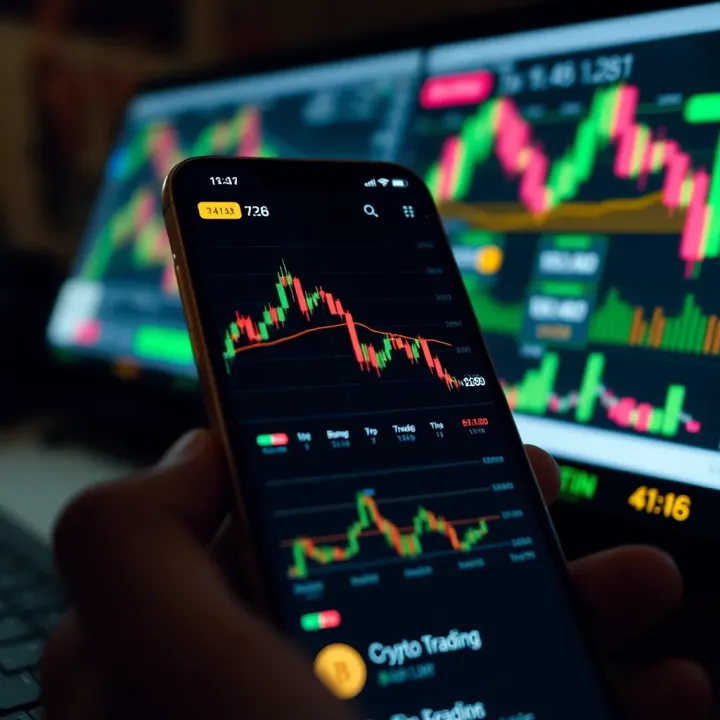
Explore the best crypto trading apps in Nigeria 📱. Learn about key features, strong security, and platforms that match your trading style for smarter trades 💹.
Explore the top crypto trading apps for Nigerian investors 📱🔒. Compare user-friendly features, fees, and security for smooth mobile trading experience!
Based on 15 reviews