
Best Forex Trading Apps in Nigeria: A Practical Guide
Explore top forex trading apps for Nigerians 📱. Learn key features, pros & cons, and tips to trade smartly while managing risks in volatile markets 💹.
Edited By
Charlotte Adams
Navigating the world of forex trading in Nigeria can feel like trying to find a needle in a haystack, especially with the numerous apps flooding the market. Choosing the right forex trading app isn't just about picking the flashiest one; it involves understanding what features truly matter, how secure your funds are, and whether the platform suits your trading style.
This guide is designed with Nigerian traders and investors in mind, breaking down everything you need to know to make a smart choice. From checking the app’s regulatory compliance with Nigerian financial authorities to evaluating user experience and key features, we'll cover the nuts and bolts that can save you from unnecessary risks and poor trading conditions.
In this article, we'll also spotlight some of the popular forex trading apps available in Nigeria, discussing what sets them apart, and share practical tips on how to get the most out of these platforms. Whether you're a seasoned broker or just starting out, you’ll find this information useful to make well-informed decisions that match your trading goals.
Choosing the right trading app is not just about convenience; it's about protecting your investments and setting yourself up for success in the fast-moving forex market.
Forex trading apps have become a staple tool for many traders today, especially in Nigeria where mobile usage is widespread. Grasping what these apps are and why they matter gives traders an edge—not just in executing trades but managing them effectively on the fly.
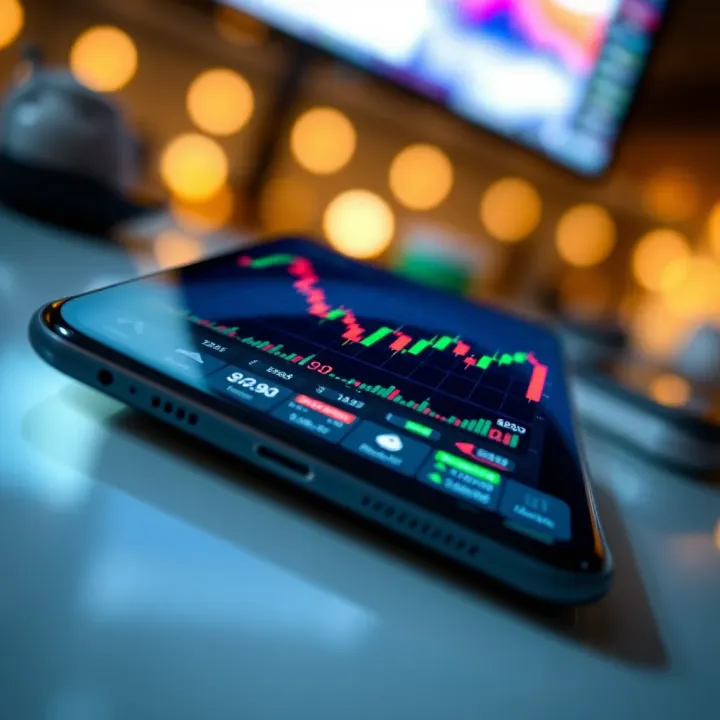
At its core, a forex trading app is designed to let individuals buy and sell currency pairs using their mobile devices. Think of it as your personal trading desk, condensed into an app that you can carry in your pocket. The app shows prices, lets you place orders, and often provides tools to analyze markets. For example, apps like MetaTrader 4 allow you to view live charts and manage trades directly, making it more than just another app—it’s a gateway to the forex world.
These apps are built to help users trade anytime and anywhere, which is particularly useful in markets as volatile as forex where prices can change in seconds. Without these tools, you might miss an opportunity because you weren’t at your computer.
Unlike desktop trading software, mobile apps trade off some complexity for convenience. Desktop platforms generally offer more in-depth analytics and customization but lack portability. Mobile apps simplify interfaces to fit smaller screens and need to be swift, responsive, and intuitive for use on the go.
For instance, while you might run multiple monitors with a desktop setup to keep an eye on several charts at once, on a phone, you’ll have to zoom in and out or switch between tabs. So, the trading app must be efficient in showing the essential data without clutter. This trade-off is essential because Nigerian traders often depend on mobiles with varying internet speeds, making lightweight, well-optimized apps a practical choice.
There’s nothing quite like the freedom to trade from anywhere—whether you’re at a Lagos traffic jam, waiting in a queue, or sitting comfortably at home. This accessibility means you don’t have to be tied to a desk, making it easier to react promptly to market news or sudden price moves.
Considering how unpredictable forex markets can be, especially with global events affecting currency values, having an app means you can manage your trades without delay. For example, a Nigerian trader monitoring the Naira’s exchange rate against the Dollar can quickly place a stop-loss or close a position on their mobile before unfavorable moves wipe out profits.
Market prices change by the second. A split-second delay can mean the difference between a winning trade and a loss. Forex apps provide uninterrupted access to live price feeds and often push instant alerts right to your phone.
These alerts might include significant price changes, economic releases, or trade execution confirmations. For example, apps like IQ Option send notification alerts to keep you on track without opening the app all the time. This real-time insight is crucial for Nigerian traders who might not always be glued to their screens but still want to catch key market moves.
Speed matters a lot in forex trading. Mobile apps enable fast trade execution because you’re no longer dependent on hopping onto a desktop or waiting for a broker’s response. The moment you decide to buy or sell, the order can be sent straight away.
Moreover, many forex apps support one-click trading, meaning you can execute deals instantly without wading through multiple steps. This is a big advantage in fast-moving markets, allowing Nigerian traders to act decisively when opportunity knocks. However, it's important to have a stable internet connection to avoid trade delays or slippage.
Trading on the go with mobile apps doesn't just offer convenience—it can improve your responsiveness, which is often crucial in capturing profitable trades.
Understanding these aspects sets the foundation for choosing the right forex trading app, tailored to the unique needs of Nigerian traders who must balance between technology, market volatility, and practical usability.
Selecting the right forex trading app means looking beyond just flashy interfaces or popular names. You need a platform that fits your trading style, offers necessary tools, and prioritizes security, especially when dealing with Nigeria’s unique trading environment. This section breaks down the core features that can make or break your experience, helping you trade smarter and faster without unnecessary hassles.
The best trading apps prioritize simplicity without sacrificing function. Imagine trying to navigate a crowded market with no signs—frustrating and time-consuming. Well-designed apps arrange menus logically, making it quick to locate features like charts, order placement, or account info. Features like clean layouts and easily readable fonts save time and reduce mistakes, especially for traders on-the-go. For example, MetaTrader 4’s minimalist interface allows quick access to currency pairs and charts without clutter.
Forex trading isn’t one-size-fits-all, so your app should let you tweak the layout or tools to suit your approach. Whether it's setting preferred currency pairs upfront, adjusting chart colors, or creating personalized dashboards, customization boosts efficiency. A trader focusing on scalping might want to prioritize quick-access buttons and smaller timeframes, whereas a swing trader could prefer weekly charts and detailed technical indicators visible at once. Apps like IQ Option offer user-friendly customization, making these adjustments straightforward.
Charts are the backbone of forex trading; without clear visuals, you’re flying blind. Look for apps that provide multi-timeframe charts, zoom functions, and clear candle or bar representations. Being able to switch between 1-minute and daily charts helps capture both intraday moves and bigger trends. Also, interactive charts let you draw trend lines or mark support/resistance zones right on the screen.
Indicators like Moving Averages, RSI (Relative Strength Index), and MACD (Moving Average Convergence Divergence) help decipher market momentum and potential entry points. Trading apps should offer a variety, allowing you to pick what aligns with your strategy. For instance, Olymp Trade includes several indicators pre-installed, which are useful for Nigerian traders wanting to mix momentum with trend-following techniques.
Staying updated on economic events is critical. The app’s economic calendar should list upcoming releases — like Nigeria’s inflation data, US non-farm payrolls, or central bank meetings. Knowing when these happen helps avoid surprises or catch market moves early. A well-integrated calendar sends push alerts about major news that can impact your trades.
A good trading app supports various order types: market orders execute immediately at current prices, while pending orders trigger at specified levels. This flexibility helps traders manage risk and automate entries. For example, setting a buy limit below the current price means your order only executes if the pair dips to your target, avoiding constant screen-watching. Apps like MetaTrader let you place these orders easily.
In volatile markets, seconds matter. One-click trading lets you enter or exit trades instantly without extra confirmation steps. This is crucial for day traders or scalpers who need to seize fleeting opportunities. However, it’s important to use this feature carefully to avoid accidental trades. Platforms like IQ Option integrate one-click trading with clear price displays to help prevent errors.
Your app must use strong encryption (like 256-bit SSL) to protect sensitive data during transmission. This keeps login details, personal info, and transactions safe from hackers. Nigerian traders should confirm that their chosen app complies with international security standards to fend off cyber threats common in mobile trading.
Adding an extra layer of security, two-factor authentication (2FA) requires a second verification step—like an SMS code or an authenticator app—before login. Even if someone gets hold of your password, 2FA makes unauthorized access much harder. Apps offering this feature help build trust and encourage safer trading habits.
Remember, trading success isn't just about strategy but also about choosing the right tools. Focusing on these key features ensures you’re equipped for the fast-paced, often unpredictable forex market, especially within the Nigerian context where factors like mobile connectivity and local transaction methods play a role.

In the next sections, we'll dig deeper into specifics like regulations, popular apps, and practical safety tips to keep your trading journey smooth and secure.
Choosing a forex trading app in Nigeria means facing unique challenges and opportunities shaped by local conditions. Traders need to look beyond just flashy app interfaces or broad global popularity and focus on elements like regulation, payment options, and internet stability — all very real factors that make or break the trading experience here.
In Nigeria, the forex industry is closely monitored by organizations like the Securities and Exchange Commission (SEC) and the Central Bank of Nigeria (CBN). These regulators play a vital role in keeping the market fair and protecting traders' interests. If an app or broker isn't licensed by these institutions, it's a major red flag. Using a regulated app means you're more likely to get proper recourse if things go south, and they usually follow guidelines for transparency and fund safety.
Before jumping into any forex app, traders should verify whether the platform complies with Nigerian regulations. This includes checking for valid licenses displayed on the app or broker’s official pages, and looking out for registration numbers. Compliance also covers adherence to anti-money laundering (AML) laws and know-your-customer (KYC) policies. Failing to confirm these can lead to risks like fraud, frozen funds, or even legal troubles.
Mobile money services have become a game-changer in Nigeria, especially in areas where traditional banking infrastructure is thin. Apps that support popular mobile money platforms like Paga or OPay allow quick deposits and withdrawals without the hassle of bank queues. It’s straightforward and often instant, making it a preferred payment option for many traders.
Many Nigerian traders still rely on bank transfers, especially for larger amounts. Apps that integrate with local banks such as Zenith Bank, GTBank, and Access Bank provide a trusted, albeit sometimes slower, method of funding accounts. It is essential that the forex app clearly states processing times to avoid confusion about when funds will be available.
Visa and MasterCard payments are widely accepted, but users should beware of hidden fees or currency conversion costs. Apps that partner with local payment processors might offer better rates and smoother transactions. It's wise to double-check the app's payment policies to avoid surprises when funding your account.
Nigeria’s internet infrastructure varies a lot depending on location. Many traders outside Lagos or Abuja contend with slow or patchy networks. The best forex apps offer features like lightweight versions or reduced data modes to cope better with weak signals. Some even retry trades automatically if the connection drops during execution — a lifesaver when every second counts.
While offline trading isn’t common, some apps provide tools that allow users to prepare trades or analyze charts without internet access, syncing changes once back online. This can be handy in power outages or black spots. However, traders must be cautious since actual order execution requires a live connection.
Choosing a forex trading app in Nigeria isn't just about the bells and whistles but about real practicalities like payment methods, compliance with local laws, and how well the app performs under Nigerian conditions. Ignoring these can make even the most promising app a headache down the line.
In summary, understanding the Nigerian forex trading environment protects traders from pitfalls unique to the market. Apps that align with local regulations, support familiar payment options, and function well despite connectivity hurdles offer the best chance for consistent and safe trading."
Understanding which forex trading apps Nigerian traders commonly use can make all the difference when selecting the right platform for your needs. Each app has its own strengths, weaknesses, and features that are tailored for specific user preferences and market conditions. Knowing about popular choices helps traders pick software that fits their skill level, trading style, and the local trading environment.
MetaTrader 4 and 5 stand out as staples in the forex trading community, not just globally but especially in Nigeria. MetaTrader 4 (MT4) is lauded for its simplicity and reliability. It offers real-time price charts, technical indicators, and automated trading via Expert Advisors (EAs). MT5, on the other hand, builds on its predecessor by offering additional timeframes, improved order management, and access to a wider range of markets including stocks and futures besides forex. Both apps support customizable interfaces and mobile-friendly design, which Nigerian traders value given mobile internet constraints.
Using MetaTrader apps, traders can practice with demo accounts and switch to live accounts seamlessly. Plus, many Nigerian brokers support MT4 and MT5, so fund deposits and withdrawals integrate smoothly with local banks and payment services.
IQ Option appeals to Nigerian traders looking for a more visually intuitive app with an emphasis on options trading alongside forex. It features a clean and modern interface that beginners find approachable. What sets IQ Option apart is its range of assets, which includes cryptocurrencies, stocks, and ETFs, giving traders varied ways to diversify their portfolio within a single app.
IQ Option also offers low minimum deposits, which is friendly to Nigerian traders just starting out or experimenting with smaller budgets. Speedy trade executions and regular platform updates contribute to its growing popularity.
Olymp Trade is another platform making waves in Nigeria because of its simplicity and regional accessibility. Olymp Trade offers clear tutorials and an active community, which can be a huge boost for traders still getting their feet wet. The app supports multiple payment methods popular in Nigeria, such as local bank cards and mobile payments.
Olymp Trade’s risk management tools and easy-to-understand charts attract traders who want a no-nonsense approach without compromising essential features. The app’s dedicated mobile version works efficiently even on average internet connections common in many parts of Nigeria.
Local language support is a feature that many Nigerian forex traders find incredibly helpful. While English is Nigeria’s official language, trading platforms that offer options in Pidgin English or other widely spoken native languages like Yoruba or Igbo can make understanding trading terms much easier for beginners. This local language adaptation reduces confusion, speeds up the learning curve, and encourages wider participation.
Platforms without localized language support tend to create barriers, especially when dealing with complex concepts like margin calls, leverage, or stop-loss orders. Hence, apps incorporating clear, localized instructions or customer chat support in local languages stand out in the Nigerian market.
Regional customer service also plays a pivotal role in choosing the ideal forex app. Nigerian users often experience difficulties with payment processing or need assistance with regulatory clarifications. Platforms boasting customer support teams familiar with local regulations and payment practices can respond faster and more effectively.
For example, brokers linked to MetaTrader apps frequently partner with local agents or call centers to provide timely assistance. Olymp Trade and IQ Option also have dedicated regional support channels that understand common issues like payment delays or necessary KYC (Know Your Customer) documentation.
When support teams know the local market nuances and communicate promptly, it can save traders time, prevent costly misunderstandings, and improve overall trading confidence.
In short, the choice of forex apps popular in Nigeria goes beyond just the tools or interface — it's also about how well the app fits the local trading ecosystem, with proper support and language options making the trading experience smoother and more reliable.
Getting up and running with a forex trading app might seem straightforward, but there are crucial steps every trader in Nigeria should follow to ensure smooth sailing. This stage sets the foundation, influencing how quickly and safely you can start trading. From signing up to funding your account, knowing what to expect saves time and prevents costly mistakes.
Before you can trade forex on any app, you'll need to provide certain documents for identity verification. In Nigeria, this typically includes your National ID card, International Passport, or Driver’s License. Some platforms might ask for a recent utility bill or bank statement to confirm your address. These requirements help safeguard against fraud and comply with regulations set by Nigerian authorities like the Securities and Exchange Commission (SEC).
Having these documents ready before you start saves you the headache of delays. For instance, if you plan to use MetaTrader 4, be ready to upload clear scans or photos of these documents during registration. Remember, the clearer and more accurate your documents are, the quicker your account gets verified.
The verification step is a vital checkpoint. After submitting your documents, the broker or app provider will review them to confirm your identity. This process can take anywhere from a few minutes to several days, depending on the platform's efficiency. Some brokers use automatic systems, while others rely on manual checks.
Patience here pays off; rushing to skip verification can land you in hot water or lock your funds. After verification, you usually receive an email or notification confirming your account status. Next time you log in, features like deposits, withdrawals, and live trading open up for use.
When it comes to funding your forex account, having a variety of deposit options is a lifesaver. Nigerian traders benefit from platforms that accept mobile money (like Paga or Opay), bank transfers through First Bank or GTBank, and VISA or Mastercard payments. Using local methods ensures quicker processing times and avoids hefty conversion fees.
For example, Olymp Trade supports multiple deposit methods, including local bank cards and mobile wallets, making it convenient for Nigerian users. Always check if the app charges any deposit fees or if there’s a minimum amount—many brokers set that around $10 to $50.
Withdrawing your profits can sometimes feel like waiting for paint to dry, especially if you pick a slow broker. Typical withdrawal times for Nigerian traders range from a few hours up to five business days. The faster routes usually involve electronic wallets or bank cards, whereas bank transfers might take longer.
Be sure to review the broker’s withdrawal policy upfront. Platforms like IQ Option often process withdrawal requests within 24-48 hours but can slow down during weekends or holidays. Knowing these timelines helps plan your cash flow and avoids frustration when you need access to your funds quickly.
Starting right with proper registration, verification, and understanding deposit and withdrawal processes can be the difference between a smooth trading experience and a headache. Always double-check the broker’s terms and prepare your documents in advance to avoid unnecessary delays.
Using forex trading apps on your phone can feel like having the stock market right in your hand. But this convenience comes with risks if you’re not careful. It’s essential to know how to protect yourself from scams and keep your trading information secure. These tips will help Nigerian traders avoid common pitfalls and trade smarter without losing sleep over their security.
One way to stay safe is to always be on the lookout for warning signs that an app isn’t legitimate. For example, if an app promises guaranteed huge profits with little or no risk, that’s usually a red flag. Legitimate forex trading involves risk, and anyone promising otherwise should be treated with suspicion. Another sign is poor app reviews or reports of missing withdrawals. Scammers often use fake reviews, but if you see consistent complaints about funds disappearing or customer service that never replies, it’s best to steer clear.
Also, be wary of apps that ask for too much personal info right away or require you to deposit funds through unusual channels. It’s better to use apps connected to well-known brokers and Nigerian payment methods like Quickteller or bank transfers. Always verify the app’s registration status with the Nigerian Securities and Exchange Commission (SEC) to make sure it’s compliant.
Going with brokers that have solid reputations goes a long way in protecting your money. Established names like FXTM, IG Markets, and Exness are widely used in Nigeria and have been around for years. These brokers often have proper licensing and provide transparent terms, so you know where you stand.
Look for brokers who offer clear customer support, are transparent about their fees, and provide educational resources. You don’t want to sign up with a broker who suddenly vanishes when you try to withdraw your earnings. Remember, it’s a good idea to start small and test the platform before committing large sums of money.
A weak password is like leaving the front door unlocked. Use a mix of uppercase letters, lowercase letters, numbers, and special characters to create a strong password. Avoid common choices like “123456” or “password.” Think of passwords like a secret recipe: the more unique, the better.
Consider using a password manager to keep track of complex passwords so you don’t have to remember dozens of tricky combinations. And change your password regularly, especially if you suspect any unusual activity.
Your trading security is only as strong as the device you use. Avoid logging into your trading apps on public Wi-Fi or shared computers. If you must use a public network, consider using a trusted VPN for an extra layer of protection.
Keep your smartphone or tablet’s operating system and apps updated to patch any security holes. Also, install reputable antivirus software to detect malware. Don’t leave your devices unlocked or accessible to others, because even your closest friend might accidentally mess up your trading account.
Staying vigilant with your trading app’s security isn’t just about preventing losses today – it protects your long-term financial future. A few simple safety steps can save you from headaches and keep your trading experience smooth.
By following these precautions—spotting scams early, picking trustworthy brokers, creating strong passwords, and securing your devices—you’ll be well-positioned to trade with confidence. Remember, there’s no shortcut to safe forex trading, but a little caution goes a long way.
Using forex trading apps in Nigeria isn’t always a walk in the park. Traders often run into a handful of challenges that can trip them up, from technical hiccups to handling market ups and downs. Understanding these issues helps traders prepare better and avoid unnecessary losses. By tackling these common problems head-on, Nigerian traders can have a smoother, more confident trading experience.
One big headache is when your forex app suddenly freezes or crashes during a critical trade. Technical glitches and system downtimes happen for various reasons, including poor app development, server overloads, and unstable internet connections common in many parts of Nigeria. For example, if you’re trying to close a position and the app lags or disconnects, it might cost you money.
To manage this, always pick well-established apps like MetaTrader 4 or 5 which have a reputation for stability and regular updates. It’s also smart to keep the app updated to the latest version, as updates often fix bugs causing these glitches. On the user side, maintaining a reliable internet connection is crucial—try to trade in places where you get steady data or Wi-Fi.
Regularly clearing app cache and restarting your device can also minimize technical issues during trading sessions.
To stay prepared, have backup plans in place. For instance, keeping access to a desktop platform or web version of your trading app can save you when the mobile app fails. Also, multiple brokerage accounts could spread your risk if one platform experiences downtime. Staying calm and avoiding panic trades when problems arise helps you think clearly and act methodically.
Forex markets are famously volatile, but trading on mobile apps adds its own twist to managing that risk. One handy tool for this is the stop loss order. This feature tells your app to automatically sell a position if the price hits a certain level, preventing huge losses during sudden market swings. Nigerian traders especially need this as local market hours might differ, and you can’t be glued to your phone all day.
Taking advantage of stop losses means you cut your losses before things get out of hand, even if you’re away from the screen. But it’s important to set realistic stop loss levels—not too tight, or you’ll get stopped out by normal price fluctuations, and not too loose, or you risk big losses.
Adding to stop losses, many apps offer built-in risk management tools like margin calculators, position size calculators, and real-time risk exposure alerts. Apps like IQ Option and Olymp Trade include these features tailored for fast decision-making. Using these tools, traders can better understand how much they’re risking on each trade and adjust their strategies accordingly.
Effective risk management isn’t about eliminating risk—it’s about controlling it so you stay in the game longer and avoid blowing your account.
In summary, smart use of stop losses and risk tools combined with a well-chosen, reliable app can protect Nigerian traders from the pitfalls of volatility, helping them trade with greater confidence and discipline.
Trading forex on your phone isn’t just about convenience—it’s also a smart way to sharpen your skills and improve your chances of success. Mobile trading apps put powerful tools in your pocket, letting you stay on top of market moves anytime, anywhere. But to really get the most out of these apps, understanding how to use their features effectively is key.
For instance, imagine checking your charts during a busy day at work or catching a price spike while waiting in line. These moments can turn into real trading opportunities if your app’s up to date and you’ve had the chance to practice patterns and strategies in a risk-free environment. Whether you’re a newbie or a seasoned trader, improving your skills using mobile apps can help you avoid costly mistakes and trade with confidence.
Frequent updates are the unsung heroes of good forex trading apps. When developers release updates, they’re not just adding flashy new designs; they’re fixing bugs, boosting security, and sometimes even rolling out helpful new features. For example, a recent update on MetaTrader 4 improved chart loading speeds, making it easier to react quickly to sudden market changes.
Keeping your app updated ensures you’re protected against vulnerabilities that hackers might target. Nigerian traders, in particular, should stay vigilant since the forex scene here is highly active and sometimes targeted by malicious actors. On the practical side, updates often improve the app’s compatibility with different devices and networks—something very useful given the varying internet speeds in Nigeria.
To keep your app ready to go, enable automatic updates. On Android, head to the Google Play Store, select the forex app, then tap the three dots on the top right and check “Enable auto-update.” On iOS, go to Settings > App Store, and toggle on “App Updates.” This way, you won’t miss out on critical improvements and can trade with an app that’s running smoothly.
Demo accounts are like flight simulators for traders—they let you practice without flying into danger. Using a demo account, you can test out different trading strategies with virtual money, avoiding the stress and risk of losing real funds. This is especially helpful for Nigerian traders new to forex, who might still be figuring out how international markets operate or how to interpret price charts.
For instance, a trader might try out a moving average crossover strategy on a demo account to see how it performs when the market is choppy. Without the real financial risk, they can tweak and learn what works before putting actual money down.
Beyond just testing strategies, demo accounts help build the confidence you need before jumping into live trading. It’s one thing to understand a concept on paper, but it’s another to execute trades quickly and calmly when real money is involved. Using demo accounts to simulate live trading conditions can reduce anxiety and improve decision-making.
Start with a demo account and update your app regularly. Combine these habits, and you’ll have a smoother and more confident experience navigating Nigeria’s forex markets on the go.
In short, mobile apps are more than just entry points to the forex world—they’re valuable platforms for continuous improvement. Keep your app updated, make use of demo accounts to hone your skills, and you’ll be on a steadier path toward trading success.
Explore top forex trading apps for Nigerians 📱. Learn key features, pros & cons, and tips to trade smartly while managing risks in volatile markets 💹.
Discover the best forex trading apps for beginners in Nigeria 🇳🇬. Learn about app features, ease of use, security & trading tips for smart investing 📱💰.
Explore essential tips for choosing the best trading app in Nigeria 🇳🇬. Learn about security, fees, features, and top platforms for every trader 📈📱.
📱 Find the top forex trading apps in Nigeria. Compare features, fees, and support to pick the best one for easy, secure trading. Start confidently today!
Based on 12 reviews