
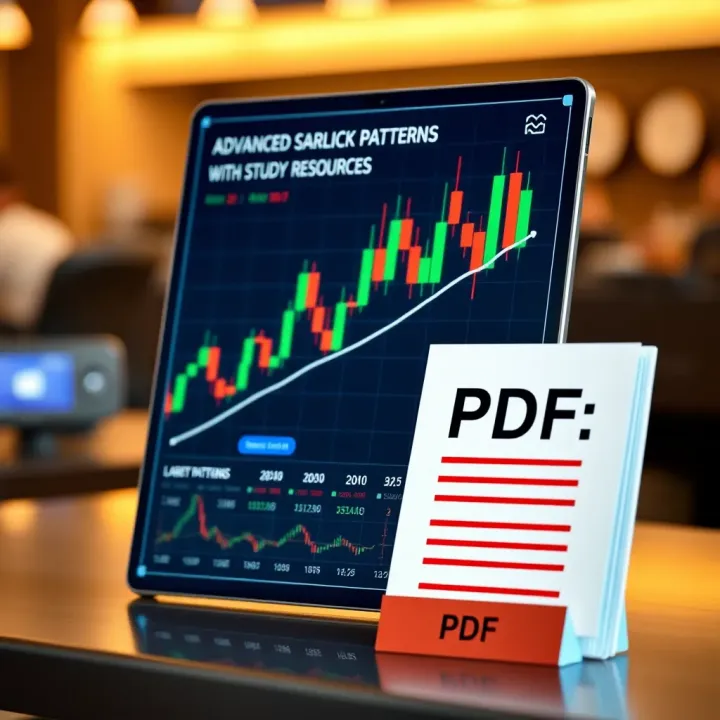
Candlestick Patterns Guide with Free PDF Resources
📊 Master candlestick patterns with our comprehensive guide! Learn to spot trends, interpret signals, and boost your trading skills with PDF resources 📈
Edited By
Liam Foster
Understanding candlestick patterns is like reading the pulse of the market. These visual cues offer snapshots of traders' emotions and can help predict what's coming next—whether prices are likely to rise, fall, or stall. For traders and investors alike, spotting the right pattern at just the right time can mean the difference between seizing a solid opportunity or suffering a costly error.
In this guide, we’ll break down the most common candlestick patterns used in financial trading—from straightforward signals like the Hammer and Shooting Star to more complex formations like the Morning Star and Evening Star. Whether you're dealing with stocks, forex, or commodities, these patterns serve as a universal language across markets.

Why care about candlestick patterns? Because they distill market sentiment into easy-to-read shapes on your screen, helping you make decisions that are backed by clear visual evidence rather than gut feeling alone. This guide won’t just list patterns but also show you how to interpret them, spot false signals, and combine them with other analysis techniques.
"Candlesticks tell a story in a glance — learning to read that story can keep you a step ahead in the market."
We’ll walk through both bullish and bearish signals, explain how to read single and multiple candle setups, and share tips that can help even beginners feel confident in using these tools effectively. By the end, you'll know what to watch for and how to react when you see these patterns forming in real-time trading scenarios.
Understanding candlestick charts is like learning the language traders use to describe market moods. These charts do more than just show price changes—they give a snapshot of market sentiment within a specific time frame, giving traders clues on where prices might head next. For anyone in trading or investing, knowing how to read these charts is an essential skill—it helps cut through noise and make smarter entries and exits.
Every candlestick tells a story with four key points: the open, high, low, and close prices for a chosen period. Imagine a trader watching a stock during a single trading day. The open price is where trading starts, the close is where it ends, while high and low show the extremes. For example, if the open is at ₦150, the price spikes to₦160 but drops to ₦145 before closing at ₦155, the candle reflects all this.
Knowing these points helps traders understand the day’s volatility and bullish or bearish pressure. When the close is higher than the open, the candle body fills positively, which can signal buying strength. The opposite suggests selling pressure. These details root every pattern's meaning and inform decisions.
Look at the candle’s body and shadows (also called wicks) for clues about what’s happening behind the scenes. A long body means dominating buying or selling action. For instance, a long green (bullish) candle often shows strong buyers pushing prices up.
Shadows tell of market hesitation or rejection areas. Say a candle with a tiny body and long upper wick appeared – that means buyers pushed prices up, but sellers forced it down before closing, reflecting resistance. In contrast, long lower shadows hint at buyers stepping in after sellers drove prices down, often seen as a potential reversal point.
Trading platforms like Metatrader 4 and investing apps popular in Nigeria showcase these candles clearly, making it easier to spot these subtle signals amid daily price swings.
Candlestick patterns act like signposts along the price journey. They help traders spot when a trend might continue, pause, or reverse. For example, seeing a series of instances where a hammer candle appears after a downtrend could signal a possible turnaround, inviting traders to consider buying.
These patterns condense complex market emotions into visual forms, so instead of guessing, traders get focused hints. It’s like learning whether a crowd is hesitant, confident, or about to change direction based on their collective behavior.
Candlestick patterns don’t work alone but complement other technical tools like moving averages and RSI (Relative Strength Index). For instance, spotting a bullish engulfing pattern near a key moving average support may strengthen the case for a price bounce.
They add an extra layer of confidence or caution signals. Beyond numbers and lines, patterns show how traders emotionally respond at key levels. This emotional insight often reflects market psychology better than raw data alone.
"Candlestick patterns give traders a quick read on market psychology — what the numbers can’t always explain."
In summary, learning to read and understand candlestick charts is a foundational skill that reveals much about market sentiment and price action. It helps traders in Nigeria and beyond to make smarter, more informed trading choices by interpreting the market's visual cues clearly.
Single-candle patterns form the building blocks for reading price action in trading. Their simplicity makes them easy to spot but don’t let that fool you—the signals they send can be quite powerful. Understanding these patterns helps traders identify potential turning points or pauses in the market without waiting for more complex formations.
Unlike multi-candle formations that require context over several periods, single-candle patterns provide almost immediate insight into market psychology. For instance, a single candle can reveal whether bulls or bears controlled the session, or if neither side could take charge. Recognizing these subtle cues early improves decision-making by highlighting indecision or momentum shifts right on the chart.
Doji candles are unique because they signal a standoff between buyers and sellers—opening and closing prices are virtually the same, which leaves the candle looking very thin or cross-shaped. Several Doji variants exist, each with its own subtle meaning:
Standard Doji: Open and close prices are nearly equal with small upper and lower shadows.
Long-Legged Doji: Features long upper and lower shadows, showing intense battle between bulls and bears during the session.
Dragonfly Doji: Has a long lower shadow with open, close, and high prices near the session’s top, often hinting at bullish reversal.
Gravestone Doji: Displays a long upper shadow with open, close, and low prices near the bottom, frequently signaling bearish reversal.
A trader spotting any of these can gauge market hesitation or potential reversal points, especially if they appear after strong trends. For example, a Long-Legged Doji in the middle of a downtrend might mean buyers are starting to push back, but aren’t firmly in control yet.
In practical terms, Doji candles indicate a lack of conviction from market participants. After a long run-up or downtrend, a Doji often signals exhaustion. The tricky part: Doji alone rarely confirm a reversal without looking at the candles before and after, or other indicators.
If you see a Doji following a sharp price drop, it might mark a potential bottom. Conversely, in an uptrend, it could warn that buyers are tiring. Traders often wait for a following bullish candle after a Dragonfly Doji or a bearish candle after a Gravestone to confirm the direction.
Doji patterns remind us to pause and check the market’s mood—don’t rush decisions when neither bulls nor bears have the upper hand.
A Hammer candle has a small body at the top of the price range with a long lower shadow at least twice the length of the body. When this shows up after a downtrend, it suggests that although bears pushed prices lower during the session, bulls regained control and pushed prices back near the open.
Traders use the Hammer as a possible signal that selling pressure is fading. For example, if a stock like MTN Nigeria Plc has been dropping steadily and then forms a Hammer candle accompanied by rising volume, it may be time to watch closely for a bullish bounce.
The Hanging Man shares the same shape as the Hammer but appears in an uptrend. It warns that selling pressure intruded during the session. Even if prices closed near the open, the long lower shadow reveals that buyers could be losing grip.
Seeing this pattern after a steady rise, say in Shopify shares, suggests traders should be cautious. Confirmation typically requires the next candle to close lower. Without it, the Hanging Man is just a head-scratcher.
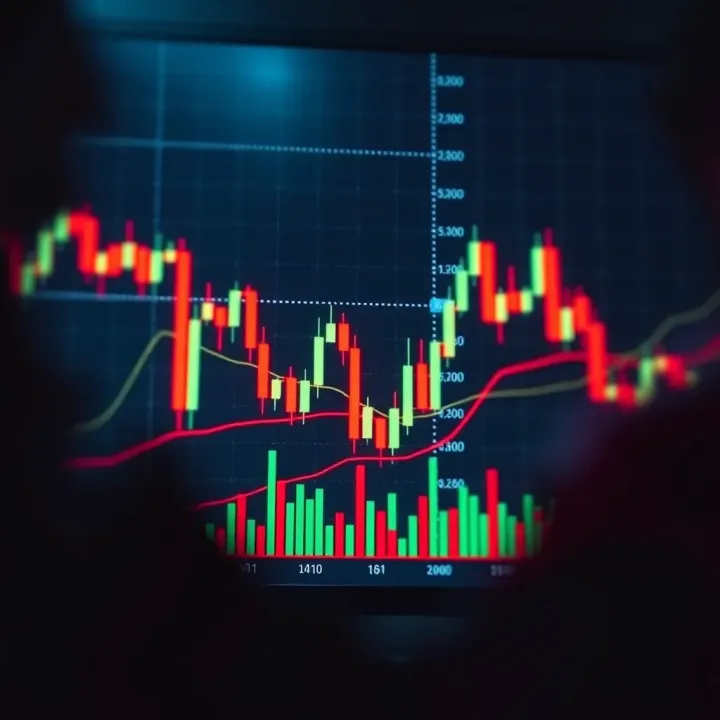
Spinning tops stand out with small real bodies centered between wicks of roughly equal length on both ends. This implies a tug-of-war where neither bulls nor bears gained much ground during the session.
Because of their balanced look, spinning tops often pop up at key moments where the market is taking a breather, trying to figure out what’s next.
In practice, a spinning top during an uptrend might mean the momentum is weakening, and a pause or reversal could loom. On the flip side, if it appears in a downtrend, the selling might be slowing down.
For example, if a stock like Dangote Cement has seen a steady climb and then forms a spinning top on some moderate volume, it’s a sign traders should watch subsequent sessions closely. Are buyers picking up or are sellers lurking?
A spinning top tells traders to slow down and observe market behavior before jumping in, reminding us that the market sometimes just can’t make up its mind.
Mastering these basic single-candle patterns arms traders with quick-read tools. But remember: no pattern works perfectly in isolation. Combining these visual signs with market context and other indicators makes the difference between luck and consistent insight.
Multiple-candle patterns are often where traders find clearer signals of a market reversal compared to single candles alone. By observing how prices behave over two or three candles, you get a fuller picture of the battle between buyers and sellers. These patterns are especially useful because they can highlight a shift in momentum before it becomes obvious in the price trend.
For example, spotting a bullish reversal early can save you from jumping off a ride too soon, or help grab profits as a new uptrend starts. But it’s not just about seeing a cool pattern; you want to understand what these formations indicate about market psychology and why they matter in your trading game plan.
Engulfing patterns involve two candles and are a classic sign that the current trend might be due for a shake-up. The key is how the second candle is bigger and completely overshadows the first one, showing that the opposing side has taken control forcefully.
In a downtrend, a bullish engulfing means the buyers marched in strong and overcame the sellers, hinting at a potential rally. Conversely, a bearish engulfing during an uptrend signals sellers stepping in aggressively, possibly kicking off a price drop.
A bullish engulfing pattern appears when a small red (bearish) candle gets swallowed up by a larger green (bullish) candle. Say, if the market was heading down for a while and suddenly you spot a big green during a session that covers the prior bearish candle fully, that’s a wake-up call that buyers might dominate soon.
A bearish engulfing flips the script with a small green candle followed by a wider red candle, showing sellers swooping in with power. For instance, during an uptrend, this pattern warns traders to consider tightening stops or preparing for a possible drop.
Traders often look for volume spikes during these engulfing moves, as increased trading volume strengthens the signal’s credibility.
The Morning Star is a three-candle pattern hinting at the end of a bearish trend and a fresh uptrend brewing. It starts with a long bearish candle, showing selling pressure. Then, a smaller candle — often a Doji or spinning top — surfaces, signaling hesitation and balance between buyers and sellers. The third candle is a strong bullish candle closing well into the first candle’s body.
This pattern resembles a dawn after a dark night, hence its name. Traders use it to spot a good entry point for buying, especially when confirmed by other signals like support levels or indicators.
The Evening Star mirrors the Morning Star but flips bearish. It typically appears after an uptrend. You first see a long bullish candle, followed by a small indecisive candle, then a red candle dropping sharply.
Think of this as the market’s way of saying, "The party’s over." Sellers take control, suggesting that prices might fall. Smart traders often watch for this pattern near resistance levels to adjust positions accordingly.
Piercing Line involves two candles and often flags a shift from bearish to bullish sentiment. The first is a strong red candle, but the second candle opens lower — below the first candle’s close — and then rallies to close above the midpoint of the previous candle’s body.
What this shows is buyers stepping in strongly after a down day, claiming more ground. It suggests that sellers' grip is loosening and hints at a potential upward move.
The Dark Cloud Cover is basically the bearish counterpart. After a green candle pushes prices higher, the next candle opens above the previous high but then reverses sharply, closing below the midpoint of the green candle.
This sudden shift means sellers caught the buyers off guard, driving a possible reversal downward. It’s a heads-up for traders to possibly reduce long positions or prepare for short entries.
Multiple-candle reversal patterns like these provide context that single candles can't offer fully. They give traders a more reliable way to read the tug-of-war in markets and anticipate possible trend changes.
By combining these patterns with volume and other tools in your trading toolbox, you can better time entries and exits, manage risks, and avoid jumping into traps set by false breakouts or brief pullbacks.
Understanding continuation and indecision patterns is key when you’re trying to read what the market might do next. These candlestick patterns don't necessarily shout "reversal" but instead hint whether the current trend will keep going or if the market is hesitating.
For traders, knowing when the trend’s likely to press on or pause helps avoid jumping the gun or missing out on profitable moves. Think of continuation patterns as road signs telling you "keep going," and indecision patterns like a yellow traffic light saying "slow down, something might be coming." The ability to spot these can help better time entries and exits, providing an extra layer of confidence when you’re sizing up trades.
The Rising and Falling Three Methods are classic patterns that point to trend continuation. In a rising three methods, you’ll see a strong bullish candle, followed by a series of smaller down candles (three typically) that remain within the first candle’s range, then another big bullish candle closing higher than the original. It’s like a brief breather before the bulls push the price up again. The opposite applies in the falling three methods, where small up candles sit within a big bearish candle’s range, before the bears knock the price down further.
This pattern tells you the market is just pausing, not reversing, so it helps traders hold their positions or add on with confidence. When you spot these formations, it’s a solid sign that the underlying momentum is strong.
Look for the three smaller candles sandwiched between strong candles—the “pause” in price action.
These smaller candles should stay within the range of the first big candle; if they break out, the pattern loses strength.
Check the volume alongside. For the rising three methods, volume typically drops during the three small candles and spikes during the breakout candle.
Confirm the pattern only in clear trends—not in choppy, sideways markets.
Spotting these details helps avoid mistaking random price moves for continuation patterns. It’s not uncommon to misread what looks like a rising three methods, only to have the price falter shortly after. Always pair this with other indicators or price action.
A Doji candle is where the open and close prices are virtually the same, creating a cross or plus-like shape. The long-legged Doji takes this indecision a step further, showing long shadows both above and below the body. These candles scream uncertainty — buyers and sellers are duking it out, neither side winning convincingly.
Traders should see Doji patterns as a blinking warning sign. The market is unsure, waiting for new information or a catalyst. It’s common to find these near tops or bottoms, where the previous trend might be losing steam but hasn’t fully reversed. But be careful—on their own, Doji patterns don’t answer where price will go next.
Confirmation is crucial with Doji patterns. Don’t just act when a Doji forms—wait for the candle following it to show a clear direction:
If a bullish candle follows after a Doji at a downtrend bottom, it can mean buyers are taking control.
Conversely, a bearish candle after a Doji near an uptrend top may confirm sellers stepping in.
Mixing in volume can give extra clues. For instance, a Doji on higher volume could mean a real battle is underway and a larger move might be coming. Yet if volume is low, the indecision might just be a pause in an ongoing trend.
Always treat Doji and long-legged Doji as signposts, not signals. Look out for what comes next before making your move.
Continuations and indecision patterns aren't about flashy reversals—they're about patience and reading the market’s mood correctly. Incorporate them well, and you’ll dodge many false alarms, improving your timing and trading confidence.
Combining candlestick patterns with volume data and other technical indicators can dramatically boost a trader's ability to make informed decisions. Candle patterns alone might hint at potential price moves, but when paired with volume or tools like moving averages and RSI (Relative Strength Index), the signals become clearer and less prone to false interpretation. This layered approach helps traders avoid costly pitfalls common in interpreting price action based solely on candlesticks.
Volume shows how many shares or contracts traded over a specific time, providing insight into the strength behind a price move. High volume accompanying a bullish engulfing pattern, for example, confirms strong buying interest, making the signal more trustworthy. Without volume confirmation, a pattern might be weak or easily reversed.
Take the classic hammer candle in a downtrend — if it appears on low volume, traders should stay cautious since the buying pressure might not be significant enough to sustain a reversal. Conversely, spotting a morning star pattern during heavy volume surge indicates genuine market enthusiasm for a trend change.
Volume isn't just a number; it tells the story behind the price action. Ignoring it is like reading a novel with half the pages missing.
Moving averages smooth out price fluctuations, helping identify overall trend direction. Pairing a candlestick pattern with a moving average crossover can validate signals. For instance, witnessing a bullish engulfing pattern near the 50-day moving average support adds weight to a potential uptrend.
RSI measures momentum, indicating if an asset is overbought or oversold. If you see a doji candle signaling indecision but RSI shows oversold levels (usually below 30), it may suggest a buying opportunity. Traders often combine RSI readings with candlestick patterns to filter out weak signals.
To avoid false patterns, it’s important not to act on candlestick formations alone. Use moving averages to confirm trend direction and RSI to judge momentum. For example, an evening star forming while RSI sits above 70 (overbought) near a resistance level gives a stronger hint at possible price drop.
Integrating these indicators means you're not gambling on a single pattern but considering the bigger market picture, reducing risks and improving trade timing. The key takeaway? Always double-check candlestick signals with volume and at least one other indicator like moving averages or RSI for the best chances of success.
Many traders jump straight into using candlestick patterns without considering the full context, which can lead to costly errors. Understanding common pitfalls is just as important as learning to identify the patterns themselves. Recognizing these mistakes helps traders avoid false signals and make smarter decisions.
Candlestick patterns rarely exist in a vacuum. The trend environment — whether the market is trending up, down, or moving sideways — profoundly impacts how you interpret a pattern. For instance, a hammer candle in a strong downtrend might signal a potential reversal, but the same hammer during a choppy sideways market might just be noise. Traders who overlook this context often misread patterns and jump into trades prematurely. Always check the bigger picture on a higher timeframe before acting on a candle formation.
News events can shake markets in unexpected ways, causing sudden price moves that distort normal candlestick patterns. Earnings releases, geopolitical developments, or central bank announcements can all produce erratic market behaviour that invalidates typical patterns. For example, a bearish engulfing candle on low volume may look like strong selling pressure, but if a major news event is about to drop, that pattern might quickly reverse or become irrelevant. Being aware of the upcoming news and understanding its potential impact can save traders from making hasty decisions based on misleading candlestick signals.
Candlestick charts are available in many timeframes — from one minute to monthly. The patterns on a 5-minute chart can have a very different meaning compared to those on a daily or weekly chart. A bullish engulfing candle on a 5-minute chart might not carry much weight without confirming higher timeframe signals. Missing this can lead to overtrading or misinterpreting short-term spikes as lasting trend shifts.
Successful traders tailor their strategies to the timeframe they are analyzing. For example, a day trader might rely heavily on patterns within a 15-minute chart combined with volume spikes, while a swing trader focuses on daily charts and broader market trends. Ignoring this adjustment causes confusion and misaligned expectations. Matching your trading style and risk tolerance with the appropriate chart timeframe is key to making candlestick patterns work for you.
Remember: Candlestick patterns are tools, not guarantees. They need to be interpreted within the right market context and timeframe to be truly useful.
Understanding these common mistakes makes you less prone to errors that many beginners fall into. By respecting the trend environment, considering news impact, and choosing the proper timeframe, you can significantly improve your candlestick pattern trading accuracy.
When it comes to trading, knowing candlestick patterns is just the start. The real challenge lies in applying these patterns wisely to avoid costly mistakes. This section focuses on practical advice that helps traders use candlestick signals effectively to make better trading decisions.
Impulse buys or sells based solely on one candlestick pattern can lead you astray. The market often throws out false signals, making it essential to confirm before jumping in. For example, a bullish engulfing candle might look like a sure sign to buy, but if the volume is low or the overall trend is bearish, the signal might not hold water.
Picking up on secondary confirmations—like support and resistance levels, RSI readings, or moving average crossovers—adds weight to the candlestick signals. Say you spot a hammer candle forming near a long-term support level while the RSI is oversold; this combined evidence boosts confidence for a potential price bounce.
Always resist the urge to act immediately on a single candlestick pattern. Wait for re-enforcing signals to keep your trades more reliable and less prone to sudden reversals.
Proper risk management is the lifeblood of consistent trading success. Setting stop-loss orders based on candlestick patterns helps limit your downside if the market doesn’t move your way. For instance, if a shooting star signals a possible reversal from an uptrend, placing a stop just above the star’s high tightens your risk control while giving room for normal price swings.
Establishing realistic profit targets is equally important. Using candlestick patterns to gauge where the next support or resistance lies lets you set achievable exits, improving your risk-to-reward ratio. For example, after spotting a piercing line pattern in a downtrend, aiming for the last swing high as a target often makes sense rather than chasing overly optimistic price points.
Use stops based on candle wicks or pattern boundaries to guard against unexpected moves.
Align profit targets with price structure reflected in recent highs or lows.
In sum, applying practical rules for confirmation and risk management helps turn candlestick signals from mere hints into actionable triggers. Combining these tips will empower both new and seasoned traders to avoid common pitfalls and trade more confidently.
📊 Master candlestick patterns with our comprehensive guide! Learn to spot trends, interpret signals, and boost your trading skills with PDF resources 📈
📈 Master 7 key chart patterns to boost your trading skills in Nigeria. Learn how to spot and use these signals for smarter market decisions today! 🇳🇬
📉 Learn how bearish reversal candlestick patterns like shooting star, bearish engulfing & evening star signal market downturns for smarter trading decisions.
Master key candlestick patterns for trading success 📈. Download the handy PDF with 35 patterns to boost your market analysis in Nigeria's financial mercados.
Based on 7 reviews