

Crypto Trading Guide for Nigerians: Basics & Tips
📈 Explore crypto trading in Nigeria with this clear guide! Learn about platforms, market risks, and the legal landscape to trade smarter and safer. 🇳🇬
Edited By
Amelia Ward
Crypto arbitrage trading is one of those clever ways savvy traders try to take advantage of price differences for the same cryptocurrency across multiple exchanges. Imagine buying bitcoin on one platform where it's cheaper and selling it on another where it's priced higher—if done right, you pocket the difference. This practice might remind you of buying items at a discount store and selling them at a local market for a higher price.
In Nigeria, where the crypto scene is fast-growing but still a bit bumpy, understanding how to navigate arbitrage opportunities can give traders an edge. But it’s not just about spotting price gaps; it's about timing, tools, and knowing the risks involved. This guide is tailored for Nigerian traders, investors, and anyone interested in crypto markets, aiming to break down the concepts, strategies, and real-world considerations you need to get started.
Arbitrage isn’t a guaranteed path to quick riches. It requires a clear head, quick decisions, and a solid grasp on how exchanges and crypto markets work.
We’ll cover the different types of arbitrage, necessary tools—from bots to wallets—risks you should never ignore, and practical tips to help you make informed decisions. Whether you're new to trading or brushing up on advanced strategies, this breakdown will equip you for smarter moves in the crypto space.
Grasping the ins and outs of crypto arbitrage trading is the bedrock for anyone serious about squeezing out profits in the volatile cryptocurrency market. It’s not just about spotting price differences—it’s about understanding why they happen and how to act fast before the opportunity evaporates. Mastering this concept can turn what might seem like tiny price gaps into meaningful earnings.
At its core, crypto arbitrage is like buying a product cheap at one store and selling it at a higher price at another. Except here, the “product” is cryptocurrencies such as Bitcoin or Ethereum. Since prices often vary across exchanges, traders move quickly to buy low on one platform and sell high on another, locking in the difference as profit. This form of trading doesn’t rely on the overall direction of the market, making it an attractive strategy in both bull and bear phases.
Price discrepancies across crypto exchanges crop up due to several reasons. First off, exchanges operate in different parts of the world, with different user bases, liquidity, and demand. For example, Binance may have a different Bitcoin price compared to Kraken because more people might be buying or selling at one than the other at a given moment. Also, system delays, withdrawal limits, and differing fee structures can widen or narrow these gaps. For traders, recognizing these causes helps to anticipate where arbitrage chances might pop up.
Picture this: Bitcoin is trading at $29,500 on Binance but at $29,700 on Coinbase. A trader buys 1 BTC on Binance and sells it immediately on Coinbase for $200 profit, minus fees. Sounds easy, right? However, transferring that Bitcoin between exchanges might take time, during which prices could change. Alternatively, if the trader already has BTC deposits on both platforms, they can switch between buying and selling without delays, maximizing gains.
In crypto arbitrage, every second counts. Since price differences can close within moments, being slow leads to missed profits or even losses. Traders often use specialized bots that scan multiple exchanges around the clock and execute trades swiftly when a gap appears. Manual trading usually can’t keep up with these rapid fluctuations. Also, timing issues like network congestion or withdrawal delays on a platform can turn a promising arbitrage opportunity sour. So, speed combined with readiness makes the difference between pocketing a clean profit or watching it slip away.
Remember: Understanding these basics isn’t just academic—it’s the difference between a strategy that works and one that baits costly traps. As you explore the crypto market, keeping a keen eye on why prices differ and moving fast will serve you better than chasing after luck.
When it comes to making profits in crypto arbitrage, knowing the different types of arbitrage is like having a toolbox with the right tools. Each type serves a different purpose and fits various trading styles or market conditions. Understanding these types lets you pick strategies that suit your goals and risk tolerance.
Spatial arbitrage is probably what pops into most minds first – buy crypto coins on one exchange where they're cheaper and sell them on another where prices are higher. For example, Bitcoin might trade at ₦25 million on Binance but ₦25.2 million on Luno. You grab some Bitcoin from Binance and then sell it on Luno, banking on the price gap.
This method is straightforward and doesn't require complex calculations. However, timing is everything here; since the market is fast, prices may change before you complete the transactions.
Pulling off spatial arbitrage means transferring coins between exchanges which can be slow or expensive, especially on networks like Ethereum during congestion. These transfer times can erase profits, as prices might shift while you wait.
Add to that, network fees and withdrawal or deposit charges from exchanges can nibble away at your earnings. For example, moving Ethereum could cost many thousands of naira in gas fees alone at peak times. Traders need to factor these costs carefully to avoid ending up in the red.
Triangular arbitrage happens entirely inside one exchange by taking advantage of price differences among three cryptocurrencies. Imagine a loop: you start with Bitcoin, trade it for Ethereum, then exchange Ethereum for Tether (USDT), and finally convert USDT back to Bitcoin. If the loop ends with more Bitcoin than you started with, you found an arbitrage opportunity.
This method is faster since transfers aren’t involved, reducing risk from price swings. Still, it requires quick calculations and execution because these tiny profit windows close fast.
Figuring out which triangular loop to trade involves checking the exchange rates between pairs and multiplying them. If the product of these rates is greater than 1 when accounting for fees, there’s a profit to be made.
For instance, suppose BTC/ETH, ETH/USDT, and USDT/BTC rates suggest a loop returning 1.02 BTC for every BTC spent, minus fees, this 2% gain might be worth acting on. Traders often rely on software or bots for these real-time computations since manual calculations are tough with rapid market moves.
Statistical arbitrage leans heavily on studying past price patterns to predict when prices deviate from their usual relationships. Say Bitcoin and Ethereum prices usually move in tandem, but suddenly Ethereum’s price dips unusually; this might hint at a temporary mispricing.
By analyzing such data, traders aim to buy undervalued assets and sell overvalued ones to profit when prices return to normal ranges. This requires good statistical tools and a solid understanding of crypto market behavior.
Because statistical arbitrage depends on speed and precision, many traders use algorithmic bots that automatically scan for anomalies and execute trades instantly. These programs reduce human error and can operate 24/7 in the crypto markets.
Bots can be programmed to monitor several assets, historical trends, and minute price discrepancies, making statistical arbitrage more practical for those who lack time to constantly watch the market.
Remember: Regardless of the arbitrage type, factoring in fees, timing, and exchange reliability is critical. What looks profitable on paper might quickly become a loss if you overlook these elements.
Each arbitrage strategy has its perks and quirks. Picking the right one depends on your access to exchanges, technical ability, and how much risk you're willing to take.
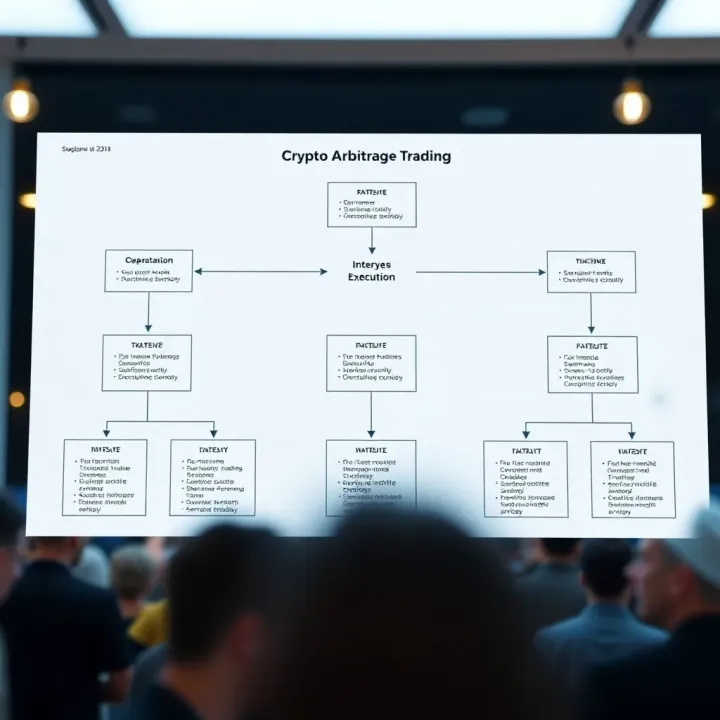
In crypto arbitrage, having the right tools and platforms is like having a good pair of shoes for a marathon — they keep you steady, fast, and ready to act. Since arbitrage relies heavily on spotting and acting on tiny price differences across exchanges quickly, the platforms and software you choose can either make or break your trading game. These tools not only simplify your trading process but also ensure you don't miss out on potential profits due to delays or inefficiencies.
Before diving into trades, picking exchanges that fit your strategy is essential. Here’s what to really look out for:
Liquidity dictates how easily you can buy or sell an asset without slashing the price. Think about it this way: if you find a great arbitrage opportunity but the exchange is thin on buyers or sellers, your trade might stall, or you might lose money through slippage.
For example, Binance and Coinbase often have high liquidity on top coins like Bitcoin and Ethereum, making them ideal for quick arbitrage moves. When trading a rare altcoin with low volume, even a decent price gap might not matter because you can't move enough coins fast enough.
To gauge liquidity, check the trading volume and order book depth. A balanced and deep order book shows steady demand and supply, important for executing orders close to your expected price.
Crypto exchanges aren’t just trading venues but vaults where your money rests. You want well-established platforms with a solid reputation for security and customer service.
Look at exchanges with a track record of secure cold storage and transparent operations, such as Kraken or Binance. Also, user reviews and industry feedback can reveal red flags like frequent outages or withdrawal problems.
Remember, no matter how good the arbitrage gap looks, if you risk losing your assets to hacks or scam exchanges, it's not worth it!
Manually scanning dozens of exchanges for price differences is like trying to spot a needle in a haystack — slow and draining. This is where automation steps in.
Automated bots can swiftly execute trades the moment they spot a profitable discrepancy. These programs can connect to multiple exchanges via API, track prices in real-time, and instantly place buy and sell orders.
For instance, programs like Hummingbot and 3Commas offer customizable strategies that can be tailored to your risk appetite and target currencies. The speed bots operate at often beats any human, crucial since crypto prices can change in milliseconds.
However, bots need careful set-up. Poorly configured bots can execute costly trades or get stuck in loops, so always start with small amounts and monitor performance closely.
Besides executing trades, you must be aware of opportunities as they appear. Price gap scanners and alert tools come into play here, constantly analyzing multiple markets to highlight arbitrage windows.
For example, Coinigy offers multi-exchange monitoring with customizable alerts to notify when price differentials hit your preset thresholds.
Prompt alerts allow you to decide if a trade is worth pursuing or if the market conditions suddenly changed, saving you from unnecessary risks.
Efficient arbitrage requires a blend of reliable exchanges and smart tools—without either, you're either running too slow or risking too much.
In summary, selecting exchanges with good liquidity and solid reputations paired with effective automated software and instant monitoring tools will significantly boost your chances of success in crypto arbitrage trading. Never underestimate how the right platform choices can save you time, money, and headaches on your trading journey.
Understanding the risks and limitations is just as essential as knowing how to spot profitable opportunities in crypto arbitrage. While the idea of buying low on one exchange and selling high on another sounds straightforward, the reality often involves hurdles that can eat into—or completely wipe out—your profits. This section walks you through the main challenges that traders, especially those operating from Nigeria, may face. Knowing these factors helps you plan better and avoid costly mistakes.
Every crypto transaction generally requires paying a network fee, sometimes known as a gas fee. These fees vary depending on the blockchain you’re dealing with; Ethereum’s network fees, for instance, can spike during busy times. For arbitrage traders, these costs can add up quickly since you’re moving funds between wallets or exchanges often. A practical tip: before initiating any transfer, check the current network fees and compare them with the expected price difference on exchanges. If the fees are too high, the arbitrage opportunity might not be worth pursuing.
On top of network fees, exchanges themselves charge withdrawal and sometimes deposit fees. Binance and Kraken, for example, have different fee structures, and some coins might be more expensive to move than others. These fees can vary widely, so it’s crucial to factor them into your profit calculations upfront. Ignoring deposit or withdrawal costs can turn a seemingly good arbitrage trade into a losing one. Keep a spreadsheet or track fees carefully before committing.
Crypto markets don’t sleep, and prices can change by the minute—or second. When moving assets between exchanges, delays are common due to blockchain confirmation times and exchange processing. During this waiting period, the price can shift, sometimes erasing your expected profit margin. This is why speed matters in arbitrage. Use exchanges with faster withdrawal processing times or consider working with stablecoins like USDT or USDC to reduce transfer risks.
Slippage happens when your order executes at a different price than expected, often due to insufficient liquidity or sudden market moves. For example, if you intend to sell 5 Bitcoin on a smaller exchange, you might trigger a price drop because not enough buyers are available at your target price. This means lower returns or losses. To minimize slippage, break larger orders into smaller pieces or choose exchanges with higher trading volumes. Always check the order book depth before executing big trades.
Nigeria’s regulatory stance on cryptocurrencies remains somewhat fluid. The Central Bank of Nigeria (CBN) has issued warnings and restrictions on how banks interact with crypto exchanges, impacting deposit and withdrawal options. Traders must stay informed about the latest regulations to avoid issues like frozen accounts or blocked transactions. Using peer-to-peer (P2P) platforms like Binance P2P can help navigate bank restrictions, but always proceed with caution and verify counterparties carefully.
With the rise of crypto popularity, scams have unfortunately increased too. Fake exchanges, pump-and-dump schemes, and phishing attempts target both newbies and seasoned traders. Stick with well-known exchanges such as Binance, Coinbase, or Kraken, and be skeptical of any platform promising guaranteed profits. Check online reviews, community forums like Reddit or Bitcointalk, and ensure the exchange has proper security measures like two-factor authentication in place.
Being aware of these risks doesn’t mean you should avoid crypto arbitrage but rather prepare yourself to manage them smartly. Proper risk assessment and cautious trading can help you protect your capital and take advantage of price differences safely.
By keeping a close eye on fees, timing, regulatory updates, and platform reputation, you can limit potential pitfalls and keep your arbitrage trading viable even in a fast-evolving market like Nigeria’s.
Developing a solid arbitrage strategy is more than just spotting price differences—it’s about planning, timing, and managing resources wisely. Without a clear game plan, even the best price gaps can slip through your fingers. This section highlights how traders in Nigeria can structure their approach to get consistent results while keeping risks in check.
Setting a clear budget is a must before diving into arbitrage trading. Think of it like packing your suitcase—you don’t want to cram in everything and end up with a mess. Start by deciding how much capital you’re comfortable risking, keeping in mind network fees, exchange commissions, and sudden market swings. For example, if you have 100,000 NGN to play with, allocate only a portion for each trade to avoid bleeding your entire capital on one move.
Track your profits and losses carefully. Many traders use spreadsheets or apps like Coinigy to monitor their trades and adjust budgets accordingly. Acting on gut feelings rarely pays off here; instead, staying disciplined with your budget prevents you from chasing losses or overexposing your funds.
Sticking to just one exchange is like fishing with a single rod in one pond. You might catch some fish, but you’ll miss opportunities elsewhere. Diversify your trades across several trustworthy platforms like Binance, Luno, and Quidax. This approach reduces dependence on any single exchange's liquidity or technical hiccups.
Diversification helps you spread risk, since some exchanges may have delays, higher fees, or volume changes. For instance, while Binance might offer better prices overall, you may find quicker arbitrage cycles on Luno due to localized demand in Nigeria. Having accounts ready in multiple places means you can pivot fast when a juicy arbitrage window opens.
Crypto prices move fast and often without warning, so keeping an eye on market trends is vital. Tools like TradingView or CoinMarketCap’s price signals can give you a hands-on feel for momentum shifts. If Bitcoin’s price dips on one exchange but holds steady on another, that’s a clear arbitrage alert.
Practically speaking, setting up price alerts or bots to notify you when a certain spread hits a target is a smart move. Just remember: trends can reverse quickly. A gap visible a minute ago might vanish by the time you move your funds, so speed and accurate real-time data are your best friends.
News headlines often cause sudden price jumps or crashes. For Nigerian traders, this means keeping tabs on global economic events as well as local regulatory updates. For example, rumors about stricter crypto rules or banking restrictions in Nigeria have previously led to fast price swings.
Subscribe to reliable crypto news sources like CoinDesk or CryptoSlate, and follow social media buzz carefully—but filter out noise and speculation. Sometimes a small announcement about an exchange outage or a new partnership can create exploitable price gaps. Staying informed means you’re not caught flat-footed when markets move.
Pro tip: Combine news monitoring with historical price data to spot patterns. If certain types of announcements regularly cause specific movements, you can anticipate and prepare your arbitrage moves ahead of time.
When planned carefully and backed by real-time info, your arbitrage trades can ride market waves rather than crash into hidden reefs. Managing your capital wisely, spreading trades across exchanges, and staying informed together form the backbone of a winning crypto arbitrage strategy tailored to the Nigerian environment.
Trying to make a profit from crypto arbitrage trading in Nigeria? There are some real-world hurdles and unique twists you'll want to keep in mind. This section covers practical advice tailored for Nigerian traders grappling with local rules, exchange options, and the everyday challenges of fund movements. These tips can make or break your success with crypto arbitrage.
Nigerian crypto traders must first pick exchanges that play by the local regulatory rules—or at least do not outright block Nigerian users. The Nigerian government has a history of tightening crypto policies, notably the Central Bank of Nigeria’s restrictions on banks dealing with crypto exchanges. That means some international exchanges might limit withdrawal or deposit options for Nigerian customers.
Traders should look for platforms that accept Nigerian Naira or offer smooth fiat-crypto gateways through compliant third parties. Binance, for example, keeps a functioning P2P platform that natively supports Naira trades. On top of that, it's vital to keep tabs on the latest announcements from the Securities and Exchange Commission (SEC) Nigeria, as their stance and regulations can shift unexpectedly.
Failing to consider these regulations upfront can leave your funds stuck or your account frozen. Planning ahead prevents nasty surprises.
Since most global crypto exchanges operate primarily in USD or EUR, Nigerian traders face currency conversion hurdles. The Naira’s fluctuation against the dollar can eat into your arbitrage profits if not factored carefully.
Let's say you spot a quick profit by buying Bitcoin cheaply on a USD-based exchange and selling on a platform valuing the coin higher in Naira terms. If your conversion fees or the Naira-dollar rate aren't favourable at the time of transferring funds, your margin shrinks or disappears entirely.
It’s smart to monitor forex rates closely and consider platforms or wallets offering stablecoin options like USDT or USDC, which pegged to the dollar can shield you partially from Naira volatility. Always calculate your expected returns after currency conversion costs, not just at face value.
One headache many Nigerian traders face is strict banking limits or slow approval times on transfers involving foreign exchanges. Banks may impose daily or monthly limits for outgoing international transactions, which complicates moving large sums quickly for arbitrage.
Additionally, some payments might take several days to clear due to compliance checks—during which prices can shift dramatically. Waiting around for a deposit or withdrawal can cause slippage, erasing any potential gains.
A practical workaround is to spread funds across multiple Nigerian bank accounts or use banks known for faster processing times. Also, initiating transfers early in the day and keeping communication open with customer service can sometimes speed things up.
Peer-to-peer (P2P) trading platforms are a vital tool for Nigerian traders to dodge banking and regulatory bottlenecks. Instead of moving money through banks, you interact directly with buyers and sellers, often paying or receiving cash locally or through mobile wallets.
Platforms like Binance P2P or LocalBitcoins let you buy or sell cryptocurrencies quickly without going through the strict banking system. This boosts your liquidity and allows arbitrage moves to be executed faster.
However, P2P trading requires caution. Always check the credibility of the counterparties by reviewing ratings and past transactions to avoid scams. Start with smaller trades until you’re confident in the platform and traders involved.
For Nigerian crypto traders, understanding and adapting to the local payment environment is just as important as spotting price differences between exchanges. This practical edge helps transform opportunities into real profits.
In short, aligning your crypto arbitrage tactics with Nigerian financial realities will keep your trading smooth, legal, and profitable. Keep these tips close and you'll dodge pitfalls many traders miss.
📈 Explore crypto trading in Nigeria with this clear guide! Learn about platforms, market risks, and the legal landscape to trade smarter and safer. 🇳🇬

🚀 Find the best crypto trading app for Nigerian investors! Learn about key features, security, fees, and tips to trade smart and safe in Nigeria's crypto market.

Explore top crypto trading bots perfect for Nigerian traders! Learn benefits, risks, setup tips, security, and staying compliant with local rules 🔒💹

📈Explore crypto trading essentials for Nigerian investors! Learn market analysis, trade types, risks & regulations to trade confidently with practical tips.
Based on 5 reviews