

Understanding Binary Form in Music
🎵 Explore binary form in music: its structure, history, types, and role across genres. Learn how composers use this essential form in their work.
Edited By
Amelia Thompson
Binary form is one of those foundational concepts in music that even beginners bump into pretty early on. It’s like the skeleton that supports countless tunes across different eras and styles — from Baroque dance suites to Classical sonatas. For anyone serious about understanding how music is built, knowing binary form is a must.
At its simplest, binary form just means a piece has two main sections, often labeled A and B. But don’t let that simplicity fool you. These two sections can be crafted in various ways, giving composers a toolbox to shape mood, tension, and release. Think of it as a dialogue between two musical ideas that play off each other.
Whether you’re analyzing a Bach minuet, a Mozart sonatina, or even some modern classical works, binary form shows up more than you might expect. Beyond just the notes and rhythms, it shapes how listeners perceive balance and movement in a piece.
Understanding binary form isn’t just academic exercise—it unlocks a new way to listen and appreciate the architecture of music. Knowing its structure helps musicians, students, and analysts break down complex pieces into digestible parts.
This article will cover the nuts and bolts of binary form, explore its variations, and highlight how it’s been used across different musical periods. We’ll also touch on how it stacks up against other forms like ternary or rondo. If you want a clearer insight into the backbone of many classical compositions, stick around—there’s plenty to unpack.
Grasping the basics of binary form is essential for anyone delving into music theory, composition, or performance. This form acts as a foundation that musicians and analysts rely on to interpret a wide range of works, especially from earlier periods like the Baroque. Understanding how binary form works helps in recognizing patterns and structure, which in turn makes both learning and creating music a lot smoother.
Binary form is a musical structure made up of two distinct sections, typically labeled A and B. These sections usually contrast in melody or harmony but relate enough to feel cohesive. Imagine it as a dialogue between two parts: the first sets up a musical idea, and the second responds or develops it. This form is practical because it creates clear, memorable expression in music without complexity overwhelming the listener.
For example, you might hear a simple folk tune where the first part introduces a melody, and the second part repeats a variation or shifts to a different key. This balance lets the piece feel complete yet dynamic. In practice, this structure helps composers avoid monotony and gives performers cues on how to phrase their playing.
Binary form hinges on two main components:
Two-part structure: The piece is divided into two sections, often repeated, which provide balance and predictability.
Contrast and connection: While the two parts often explore different themes or keys, they maintain a relationship that holds the piece together.
Understanding these features allows students and musicians to analyze pieces quickly and spot where themes change or repeat. It also supports composition by offering a clear template to work within.
Binary form emerged during the Renaissance and became popular in the Baroque era, roughly between the 16th and 18th centuries. It grew out of simple dance music where repeating sections made choreography easier to follow. Over time, composers started to experiment by adding harmonic twists or thematic development, transforming it from mere dance tunes to more elaborate compositions.
Think of binary form as a practical solution born from performance needs — it was easier for players to remember and for dancers to coordinate movements. Its straightforwardness made it a reliable tool before more complex forms evolved.
In early usage, binary form was common in keyboard suites by composers like Johann Sebastian Bach and Domenico Scarlatti. For instance, many of Scarlatti’s 555 keyboard sonatas use a two-part layout that blends repetition and variety effectively.
You’ll often find these pieces structured with the first section moving to the dominant key and the second section returning home. This approach keeps the listener engaged without confusing them. Recognizing these patterns gives us insight into how music communicated ideas and emotions during those periods.
Remember: Binary form isn’t just an academic idea — it’s a practical method that shaped how music was created, performed, and listened to for centuries.
Understanding these basics is the first step toward appreciating the complexity and beauty that binary form brings to music.
Understanding the structural elements of binary form is key to grasping how music is organized and experienced. At its core, binary form involves splitting a piece into two distinct sections, each serving a different musical purpose. This setup offers listeners a clear sense of direction and contrast, which is why it's so common in various musical styles, from Baroque dances to simple folk tunes.
In binary form, the first section (often called the A section) usually establishes the main theme or musical idea. It sets the tonality and mood, giving listeners something familiar to latch onto. This section typically starts in the home key and may move toward a related key, creating a sense of journey or anticipation.
The second section (the B section) contrasts with the first by developing or varying the initial theme. It often explores different keys and introduces fresh material or transforms the existing ideas. The B section’s role is to provide resolution and bring the musical story to a close, usually returning to the home key by the end. Think of it as the dialogue moving from introduction to conclusion.
This clear separation helps composers balance repetition and variety, keeping the listener engaged without confusion.
Though not rigid, the two sections often share a balanced length to maintain symmetry. For instance, each section might cover 8 or 16 bars, making the entire piece 16 to 32 bars long. However, variations exist based on the composer’s intent or the style.
Balance doesn't just mean equal length; it also implies a proportional musical weight. A shorter B section packed with contrast might balance a longer, more straightforward A section. The key is that each part feels complete and purposeful on its own, yet clearly connected.
The neat division into two parts makes binary form practical for consistent practice and performance, especially in teaching settings where understanding form is as important as melodic content.
Themes in binary form typically evolve from simplicity to complexity. The A section introduces the core theme, often straightforward and easy to recognize. In the B section, this theme can be fragmented, inverted, or otherwise altered—like a conversation where ideas are played with and expanded.
This progression keeps the music dynamic and avoids monotony. For example, in Johann Sebastian Bach's keyboard suites, the B section often revisits motifs from the A section but explores them in new tonal areas or rhythmic variations.
Modulation—shifting from one key to another—is a vital part of binary form, especially in the transition from A to B sections. The first part usually starts in the tonic key and moves to a dominant or relative key, setting up expectation.
The second part embraces modulation by traveling through various keys, enriching the harmonic palette before returning to the original key for closure. This back-and-forth creates tension and release, much like a good story’s plot twists and resolutions.
A common example is Domenico Scarlatti’s sonatas, where these modulations heighten interest and showcase technical skill without losing the listener's sense of direction.
By understanding these structural elements, composers and music lovers alike can appreciate the craft behind binary form and recognize how it shapes the way music unfolds.
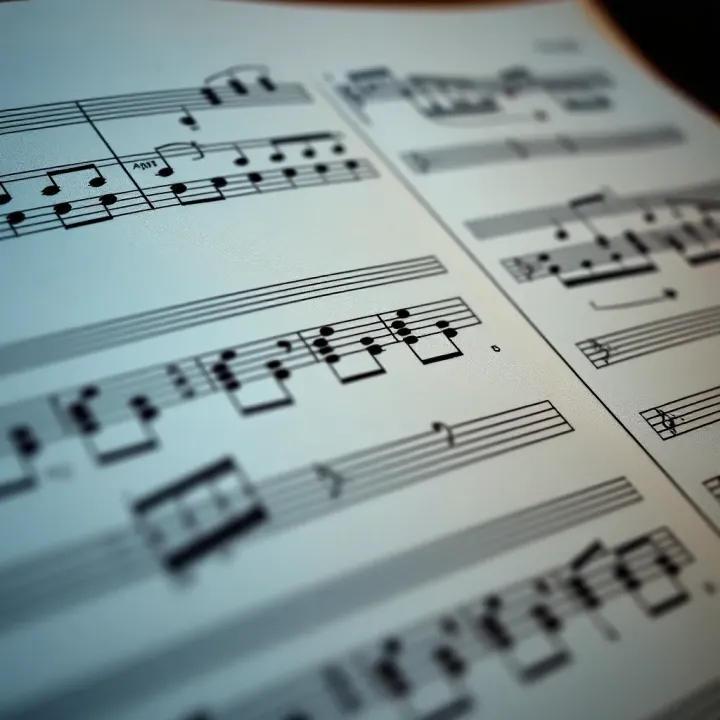
Understanding the different types of binary form is key to grasping how composers structure their musical ideas. Binary form, at its core, divides music into two sections, but the way these sections interact and develop can vary significantly. This variety influences how a piece feels and flows. For musicians, composers, and analysts alike, recognizing these differences helps in both writing music that communicates clearly and in dissecting a piece to understand its construction.
Simple binary form is straightforward — it consists of two distinct parts, often labeled A and B, that usually end in different harmonies. The A section introduces the main theme, typically in the home key, while the B section contrasts by modulating to a related key before returning to the tonic at the end. This form doesn't usually bring back the first section’s material after the B part; instead, it presents new content or development.
This simplicity makes it easy to follow and widely used in teaching beginners about musical form. Simple binary provides a clear sense of progression without being overly complex or repetitive.
Simple binary form often appears in folk tunes, dance music like the minuet and the gavotte, and early classical pieces. Its clear two-part structure suits sections that need a neat division, such as in teaching contexts or when a composer wants a straightforward, balanced format.
A real-world example is the minuet movement in many Baroque suites by composers like Johann Sebastian Bach. These pieces use simple binary to offer an easy-to-follow musical journey, balancing repetition with contrast.
Rounded binary form adds a twist to the simple structure by bringing back material from the first section at the end of the second. The layout typically looks like A–B–a, where "a" represents a shortened return or modified reprise of the A section's opening.
This return creates a satisfying sense of closure and unity that simple binary sometimes lacks. It ties the whole piece together by recalling familiar material after a contrasting middle section. Rounded binary can feel more complete and is ideal when a composer wants to reinforce the main idea without repeating the whole first section verbatim.
You’ll find rounded binary form sprinkled through the music of the Classical period, especially in sonatinas and shorter piano works. Muzio Clementi’s Sonatinas frequently showcase this form, where he presents a theme, moves to a new idea, and then circles back to the opening material with subtle variations.
Another famous example is the first movements of many of Mozart's keyboard pieces, which use rounded binary form to give listeners a neat package of familiarity and freshness.
Rounded binary balances contrast and unity, making it a favorite among composers for creating music that feels both dynamic and cohesive.
In summary, the types of binary form—simple and rounded—each offer unique advantages. Simple binary keeps things clear and direct, while rounded binary adds depth by revisiting earlier themes. Knowing these differences helps musicians interpret and compose with greater intention, illuminating the path from one musical idea to the next.
Binary form stands out due to its straightforward two-part structure, making it a basic yet effective framework in music composition. Unlike more complex forms, binary form relies on two contrasting sections, typically labeled A and B, which can offer a clear balance and variety within a short space. This simplicity allows composers and musicians alike to grasp its framework quickly and use it as a stepping stone towards more intricate structures.
From a practical standpoint, understanding how binary form differs from other forms helps musicians analyze works more precisely and makes it easier to identify how themes develop across the piece. For example, in contrast to the three-part ternary form, binary’s two sections demand a different balancing act between contrast and unity.
Key Differences
Ternary form, often labeled ABA, clearly consists of three sections where the first theme returns after a contrasting middle part. Binary form, however, just has two parts, with the second section frequently offering development or modulation but not necessarily returning to the first material in full.
The practical takeaway is that ternary form inherently features repetition and symmetry through the return of the initial section, which gives a sense of closure and familiarity. Binary form, lacking this third section, pushes for more forward motion or resolution within its two sections.
Impact on Musical Narrative
With ternary form, the return of the first theme often feels like coming back home after a brief detour, which helps the listener feel a narrative arc with departure and return. Binary form suggests a different story: it lays out two ideas or moods side by side, creating tension and resolution between them.
This difference in storytelling influences how a piece feels emotionally. Binary form can sound more straightforward and focused on thematic contrast, while ternary can feel more rounded and symmetrical, lending itself better to expressing complete narratives within a single movement or piece.
Binary's Role as a Foundation
Binary form is essentially the blueprint for more complex structures like the sonata form. Sonata form, widely used during the Classical period, expands on binary by including an exposition, development, and recapitulation—but at its core, it follows the same principle of contrasting sections.
For example, the sonata’s exposition is a kind of extended binary section where two different themes are presented, often in different keys. So, grasping binary form makes understanding sonata form much more manageable since it builds on that fundamental two-part idea.
Influence on Later Forms
Beyond the sonata, binary form influenced forms like the rondo and variations. The clear segmentation and thematic contrast typical to binary encouraged composers to experiment and adapt, making binary form a persistent and flexible starting point.
Understanding binary lays the groundwork for analyzing and composing using more elaborate forms, because many later developments in music keep those two contrasting ideas alive, just dressed up with extra layers.
In short, binary form isn’t just a simple old-fashioned structure; it’s the skeleton that supports some of the most important developments in Western music.
By knowing how binary form compares and connects with other musical forms, musicians and students can see the bigger picture of music’s evolving architecture and appreciate the choices composers make in structuring their works.
Binary form has played a significant role across various phases of music history, adapting to the stylistic and structural demands of each era. Understanding its application through different musical periods helps us see how composers used this form not just as a compositional tool but as a means to express evolving artistic ideas. From the Baroque era to the Romantic period, binary form shifted in complexity and usage, reflecting broader trends in musical tastes and practices.
In the Baroque era, binary form was a staple, especially in dance movements and keyboard works. Compositions like minuets, courantes, and allemandes often followed the two-part structure of binary form, typically with each section repeated. This repetition helped performers memorize the pieces and provided a clear framework for listeners. The baroque keyboard suites by Johann Sebastian Bach are prime examples, where the binary form supports elaborate ornamentation and harmonic exploration.
Binary form’s utility in this period rested on its ability to balance predictability with contrast. The first section usually stays in the home key, setting the stage, while the second section explores related keys before returning home. This setup offered a playground for composers to develop themes without losing coherence.
Several leading Baroque composers leaned on binary form extensively. Besides Bach, George Frideric Handel and Domenico Scarlatti crafted numerous keyboard sonatas and chamber works using binary structures. Scarlatti’s keyboard sonatas, for instance, often feature inventive modulations and virtuosic passages within a clear binary layout, making them both accessible and challenging.
Recognizing these composers helps understand how binary form was more than just a formula; it was a flexible framework tailored to fit the stylistic demands of its time. This historical grounding adds depth to any analysis or performance of binary form pieces from this era.
As music moved into the Classical period, binary form began to evolve, sometimes blending with emerging forms like sonata form. Composers like Haydn and Mozart expanded on binary structures, introducing more nuanced thematic development and formal balance. The clear division between parts remained, but the development became more sophisticated, often including a return to the tonic key in the second section which gave rise to what is known as rounded binary form.
In the Romantic era, binary form’s straightforwardness was frequently overshadowed by more expansive forms, but its influence lingered. Composers adapted binary principles within larger works or used them for brief, expressive pieces. The emphasis shifted towards emotional expression and harmonic exploration, sometimes stretching the binary structure's limits.
Despite its early prominence, binary form gradually became less dominant as ternary and sonata forms took center stage. However, even during its decline, binary form transformed rather than disappeared. Its basic idea of two contrasting sections found echoes in modern popular music and folk traditions, which often use two-part forms to structure verses and choruses.
This transformation is key to understanding binary form’s legacy: it served as a foundation and a reference point for new forms, helping shape the music narrative across centuries. By recognizing these shifts, analysts can better appreciate how binary form fits within the bigger picture of music history.
Binary form’s journey through time illustrates the adaptability of musical structures, reflecting both the needs of composers and the tastes of audiences in different periods.
By studying these eras, traders, investors, or students analyzing music gain insights that connect structure with stylistic trends, enriching their understanding of how music communicates and evolves.
Binary form isn't just an abstract concept reserved for music theory textbooks; it's incredibly useful in real-world music creation and analysis. Understanding how binary form works helps composers organize their ideas clearly, and it gives analysts a framework to break down pieces and understand their structure. Whether you're diving into Baroque compositions or trying your hand at songwriting, this form provides a straightforward tool to shape and interpret music.
When composing in binary form, the key lies in crafting two complementary but distinct sections. The first section (A) usually introduces a clear melody and establishes the main key, often ending on a dominant or related key to create a sense of anticipation. The second section (B) typically explores this tension by modulating to different keys or developing thematic material before returning to the tonic to provide closure.
For example, if you start a piece in C major, your first section might end on a G major chord, hinting you'll explore other keys in section two before returning home. Composers often use repetition within these sections to create familiarity but must plan variation to keep listeners engaged. For new composers, experimenting with simple motifs in section one and then playing around with them—stretching, shrinking, or altering—in section two is a practical way to apply binary form.
Striking the right balance between repetition and variation is essential in binary form. Too much repetition can bore listeners, while too much variation might feel disjointed or confusing. The beauty of binary form lies in how the return to familiar material in the second section reassures the audience while new twists maintain interest.
Take Johann Sebastian Bach's "Minuet in G Major" (BWV Anh. 114), which shows this balance well. The first section presents a simple, catchy melody. The second repeats this melody but adds subtle changes in harmony and phrasing. This technique keeps the piece feeling fresh without losing its core identity. Composers can adopt similar tactics—reusing themes but changing dynamics, rhythm, or harmony to hold listeners’ attention.
When analyzing binary form pieces, start by identifying the two main sections. Listen for the point where the music shifts—the first section often ends with a sense of pause but not finality. This usually coincides with a harmonic shift, like moving from the tonic to the dominant key or another related key.
Also, listen closely to how the themes evolve. Does the second section return to the opening melody exactly, or is it varied? Notice the harmonic journey—is the music exploring new keys or staying closer to home? Instruments' timbre changes and rhythm tweaks are clues, too. These layers tell you how the composer maintains balance between repetition and variation.
Analyzing pieces with binary form reveals the logic behind musical storytelling. By breaking down a piece into its sections, you can see how composers create tension, develop ideas, and provide resolution. This understanding enriches both performance and appreciation.
For instance, a student analyzing Handel's keyboard suites might pinpoint the exact spots where modulations occur and understand why certain themes repeat or shift. This insight aids in making interpretative choices, like emphasizing the return of the main theme or highlighting contrasting sections.
Recognizing binary form helps musicians and listeners alike to grasp the shape and flow of a composition, making the music more relatable and enjoyable.
In summary, binary form's practical use in composing offers a clear blueprint for organizing musical ideas, while its analysis sharpens our ears to the structure and expressiveness within music. Whether composing your own piece or breaking down a classic, this form serves as a handy guide.
Looking at concrete examples of binary form pieces helps solidify how this structure operates in real music contexts. It’s one thing to speak about the mechanics of two-part form in theory, but hearing and analyzing actual works drives the point home. Examining well-known compositions also highlights how different composers have interpreted binary form nuances over time, offering diverse textures, moods, and harmonic developments.
This section digs into notable examples, especially from Baroque keyboard music, where binary form was a staple. It also touches on how binary’s straightforward design shows up outside classical realms—in folk songs and popular music—showing the form’s versatility and endurance.
When discussing binary form, the Baroque period naturally takes center stage, particularly keyboard works by composers like Johann Sebastian Bach and Domenico Scarlatti. Their suites and sonatas often feature clear binary structures. For example, Bach’s Inventions showcase simple yet masterful two-part forms where each section explores themes in related keys before returning or transitioning harmonically.
These pieces serve as practical study material because they balance repeatability with variation. The segments are typically concise, allowing students and analysts to grasp the underlying form without getting lost in complexity. Exploring these selections helps learners understand how binary form was more than a structural choice—it influenced phrasing, harmonic exploration, and emotional pacing.
Baroque keyboard binary pieces reveal crucial characteristics such as the use of modulation in the first section, often moving from tonic to dominant or relative major/minor. The second section then typically revisits the tonic key, providing closure. This setup shows binary form’s role in shaping musical tension and release.
Another key feature is thematic development within the binary layout. Variations on motives in different keys keep things engaging despite the form’s repetitive frame. These works also demonstrate ornamentation practices typical of the Baroque era, blending technical skill with formal discipline.
Understanding these musical traits in specific works builds a foundation for recognizing binary form's presence and function, whether in complex classical compositions or simpler musical traditions.
Binary form’s straightforward two-part layout isn’t confined to classical halls; it permeates folk and popular music worldwide. Many traditional songs use a simple A-B structure where two distinct sections alternate, making the form accessible and easy to remember.
In folk music, this approach supports storytelling by breaking verses or refrains into contrasting parts, helping the listener follow the narrative flow without complexity. The form also suits informal settings where musicians rely less on written scores and more on ear and tradition.
This crossover shows binary form’s practical appeal and flexibility. It’s not just a scholarly topic but a living, breathing component of music culture across styles and generations.
Modern popular songs occasionally echo binary form, especially those with clear verse-chorus divisions or call-and-response patterns. Take, for example, a song that alternates between a mellow verse (section A) and a more energetic chorus (section B). While these might not strictly obey classical binary rules like modulation, the basic division into two contrasting parts aligns with the binary concept.
Recognizing simple binary forms in pop music aids listeners and musicians alike in dissecting song structures, enhancing appreciation and performance efficiency. Moreover, producers and songwriters who understand binary form can make calculated decisions about repetition and variation to keep tracks fresh and engaging.
In summary, examples from Baroque to folk and pop illustrate binary form’s lasting influence and practical relevance. By studying these real-world pieces, one gains a tangible grasp of how two-part structures operate and why they remain a vital part of musical expression across eras and genres.
🎵 Explore binary form in music: its structure, history, types, and role across genres. Learn how composers use this essential form in their work.

📊 Explore how computers use binary code to process, store data, perform arithmetic, and power digital electronics. A clear guide to fundamentals and uses!
🔢 Explore binary calculation basics, from arithmetic and logic operations to converting number systems, essential for everyday tech & computing in Nigeria.

Explore how the number nine is coded in binary 💻 and why it matters in computing. Perfect guide for Nigerian students and digital learners! 📊
Based on 7 reviews