
Choosing the Best Trading App: A Practical Guide
🔍 Find the best trading app for Nigeria and beyond! Compare features, ease of use, costs, and security to pick smartly for your investing needs.
Edited By
Chloe Morgan
For many trading enthusiasts in Nigeria, finding the right platform that balances usability, security, and local relevance can be tricky. The ABR Trading App has stepped into this space, offering a tool tailored with Nigerian traders in mind. This guide digs into the ins and outs of the app, helping you figure out if it’s a good fit for your trading style and needs.
Whether you’re just dipping your toes into trading or you’re already juggling multiple trades daily, understanding how ABR works can save you time and steps later. From setting up an account to navigating its trading tools and customer support presence, we’ll cover it all without the fluff.
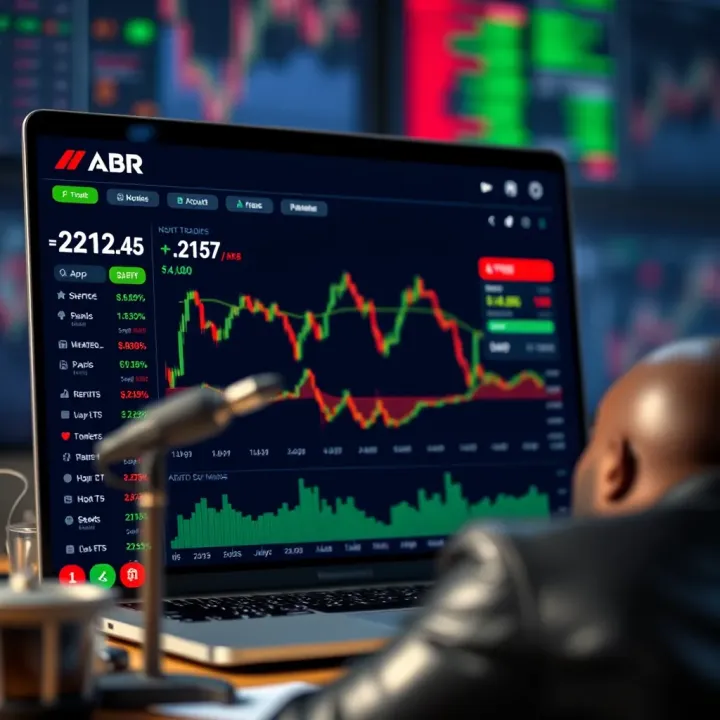
Trading in Nigeria brings specific challenges — like fluctuating exchange rates and limited local broker options. Knowing how a platform like ABR caters to these can give traders a real edge.
In the sections ahead, expect to see clear breakdowns of the app’s features, how secure it is for your hard-earned money, what kinds of assets you can trade, and how easy it is to get help when you’re stuck. This isn’t just a surface-level glance; it’s a detailed walkthrough for anyone serious about making smart moves in the market using ABR as their tool of choice.
The ABR Trading App has become a notable tool for traders across Nigeria, offering a user-friendly platform tailored to local and international market activities. Introducing the app early on helps users grasp why it's gaining traction and how it fits into the daily trading landscape here.
The app’s relevance extends beyond just basic trading—it caters to a variety of users, from beginners trying to dip their toes in stocks to seasoned investors managing diversified portfolios. In Nigeria’s fast-evolving financial environment, understanding the app’s introduction sets the stage for a smoother, more confident trading experience.
The ABR Trading App is designed primarily for individuals interested in accessing global markets right from their phones or desktops. Its target users typically include retail traders in Nigeria, small business owners, and even students studying finance who want practical exposure to trading. What sets this app apart is its focus on accessibility: whether you live in Lagos, Abuja, or a smaller town, ABR aims to bridge the gap between complex markets and everyday users.
For instance, a Lagos-based retail trader using ABR can quickly switch between forex pairs and Nigerian stocks without juggling multiple platforms. The app simplifies what might usually involve complex setups or expensive software, which is a huge plus for Nigerian users who may face internet bandwidth or device limitations.
The app covers all the basics plus some neat extras. You get real-time price updates, easy order execution, and access to various asset classes, including stocks, commodities, forex, and cryptocurrencies. A standout feature is the app’s portfolio tracker, allowing users to monitor gains or losses at a glance—very handy for managing investments day-to-day.
Moreover, ABR equips users with essential charting tools and technical indicators. Imagine a student in Abuja learning technical analysis using the app’s built-in tools like RSI or moving averages to make sense of market trends. These functions empower users to make decisions based on data, not guesswork.
The ABR Trading App is available on both Android and iOS, which covers the vast majority of smartphones in Nigeria. For desktop enthusiasts, a web-based platform matches the functionality of its mobile versions, ensuring you don’t miss a beat whether trading on the go or at a workstation.
Given that Android devices dominate the Nigerian market, the app’s lightweight design is optimized for smooth performance on a range of devices—from flagship phones like the Samsung Galaxy S23 to more budget-friendly models like the Tecno Spark series. This versatility ensures that even users with modest smartphones have a satisfying experience.
Reliable internet remains a challenge in some parts of Nigeria, so ABR’s development team factored this into their design. The app uses data-efficient protocols to minimize bandwidth usage without sacrificing speed. Features like real-time updates are intelligently buffered so users with unstable connections don’t lose track of market movements.
For example, traders in less urban areas on MTN’s or Airtel’s network won’t face constant drops or delays during crucial moments. It’s a practical advantage because lag can mean losing out on profits or reacting late to market changes. Knowing this, traders can plan their data usage better and avoid stress at the worst moments.
Key takeaway: The ABR Trading App not only opens doors to diverse markets but also addresses real-world challenges Nigerian users face, from device compatibility to internet reliability. Understanding these points upfront helps traders use the platform confidently and efficiently.
Taking the first steps with the ABR Trading App is like setting the foundation for your trading journey. Without a proper start, even the best tools can't work miracles. For Nigerian users, this stage is especially important because it ensures you're fully ready to access the app’s features without hitches, keeping local challenges like connectivity and device compatibility in mind.
Getting your hands on the ABR Trading App from official sources is essential to avoid fake versions or phishing scams. For Nigerians, the safest bet is downloading the app directly from Google Play Store for Android users or Apple’s App Store for iPhone users. These platforms verify the app’s authenticity and provide timely updates, which keep your trading smooth and secure.
Some folks might be tempted to download the app from a random website to bypass store restrictions, but that can open the door to malware or outdated versions. Sticking to trusted sources not only protects your device but also guarantees you receive the latest features and bug fixes.
The ABR Trading App doesn’t demand a flagship phone, but you do need a device running at least Android 8.0 or iOS 12 to ensure it runs without glitches. Older smartphones, which are still common in Nigeria, might struggle with the app’s functionality or slow down during real-time data streams.
Also, the app requires roughly 150 MB of free storage—something to keep in mind if your phone’s memory is already stretched thin. On the connectivity front, a stable internet connection matters a lot. While 3G can work for basic tasks, 4G or better makes a noticeable difference during live trades or when using charting tools.
Signing up on the ABR Trading App is straightforward and designed to get you trading quickly without jumping through unnecessary hoops. You’ll be asked to provide basic details such as your full name, email address, and phone number. Nigerian users can often link their phone numbers directly for better local integration.
An email verification step usually follows to confirm your identity and secure your account. Avoid rushing this part; double-check that you input your details correctly to prevent future login headaches.
To comply with regulations and keep your investments safe, ABR requires account verification before you can start trading. This involves submitting photo IDs like your Nigerian National ID, voter’s card, or international passport.
Additionally, proof of address might be requested—recent utility bills, bank statements, or official government letters work well here. The whole process can take anywhere from a few hours to a couple of days, so be patient but keep an eye on your email for any additional requests.
By carefully following these initial steps in downloading, installing, registering, and verifying your account, you'll set yourself up for a better trading experience on the ABR Trading App. This solid start helps avoid common pitfalls and lets you take full advantage of the platform's tools designed with Nigerian traders in mind.
Understanding the core features of the ABR Trading App is essential for Nigerian traders who want to maximize their trading experience. This section lays out the main tools and options available, showing how they translate into practical benefits like easier decision-making and better control over trades. For example, knowing which instruments you can trade or having access to real-time market data isn’t just a neat trick—it’s the backbone of executing smart trades.
The ABR Trading App offers a diverse lineup of trading instruments, which appeals to various preferences and strategies. These include stocks, forex, commodities, and cryptocurrencies. Nigerian traders can benefit from this variety, as it allows them to dabble beyond just one market type.
Stocks: Users can invest in shares listed on global exchanges, including major players like Apple or Google. This is perfect for traders looking to tap into corporate growth or dividend income.
Forex: The app supports major currency pairs like USD/NGN, USD/EUR, allowing users to profit from fluctuations in foreign exchange markets—a popular choice for many Nigerian traders dealing with international money.
Commodities: From crude oil to gold, commodities offer a different angle—traders can hedge against inflation or geopolitical risks, both of which can impact Nigeria’s economy.
Cryptocurrencies: With Bitcoin and Ethereum available, the app caters to the growing local interest in digital currencies despite regulatory challenges.
By providing this range, the ABR Trading App enables Nigerian users to diversify their portfolios in a single platform, reducing the hassle of managing multiple apps.
Market data is the lifeblood of trading, and ABR didn't cut corners here.
The app supplies live price feeds, updated within seconds. This immediacy helps Nigerian traders act swiftly, especially in volatile markets where prices can swing wildly in minutes. Imagine trying to catch a bus; if you’re only checking the schedule every hour, you’ll miss it outright. Live updates keep you in the driver’s seat, ensuring you're not chasing stale prices.
ABR packs the app with robust charting capabilities. Users get access to candlestick charts, moving averages, Relative Strength Index (RSI), and Bollinger Bands, among others. These aren’t just pretty graphs; they’re practical tools.
For example, a trader spotting a bullish divergence on RSI might decide to enter a forex position, while another using moving averages could determine the trend direction for stocks. The ability to customize charts lets users focus on patterns that matter to their strategy, saving time and reducing confusion.
Knowing how you can place orders on ABR matters just as much as what you trade.
The ABR Trading App supports key order types:
Market Orders: Useful when you want immediate execution at the current price, say you see an oil price drop and want to buy fast.
Limit Orders: These allow setting a budget price. For example, you could set a limit order to buy Apple shares only if their price dips to a certain level—this prevents overpaying.
Stop Orders: Handy for risk control, stop orders can trigger a sale to limit losses if a price falls below a point you choose.
Using these order types strategically helps Nigerian traders balance risk and opportunity without staring at the screen all day.
Fast execution is a make-or-break factor in trading, especially when markets move quickly. ABR’s system is designed for low latency, meaning orders go through almost instantly after submission. This speed ensures that the price you see is the price you get—a big deal when a few seconds can flip profits into losses.
Reliability is another piece of the puzzle. Nigerian users can count on the app to stay stable even during high traffic periods, avoiding frustrating delays that could cost money. Together, speed and reliability create a smooth experience that lets users focus on their trading strategy, not technical glitches.
Tip: To get the most from these features, always keep your app updated and use a stable internet connection. This will help minimize execution issues and keep your market data fresh.
The ABR Trading App’s key features position it as a competitive tool for Nigerian traders who want diversity, real-time insight, and control over their trades, all wrapped into one user-friendly platform.
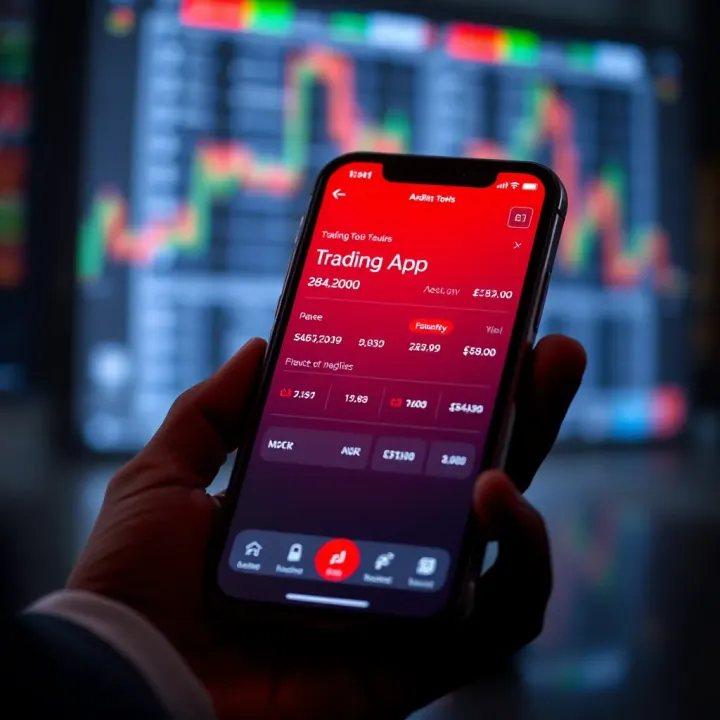
The way you interact with a trading app can make or break your overall experience, especially when quick decisions can mean the difference between profit and loss. For Nigerian traders using the ABR Trading App, UI and UX aren’t just about pretty graphics — they reflect how efficiently and comfortably you can manage your trades in fluctuating markets. A well-thought interface reduces confusion, speeds up order placements, and offers easy navigation, which is vital when market timings can be unforgiving.
Ease of use for beginners and experienced traders: The ABR Trading App is designed to accommodate everyone, from first-time investors to seasoned brokers. Beginners will appreciate the clean layout, clear labeling of features, and helpful prompts that guide them step-by-step through the trading process. For instance, the app uses simple menus and intuitive icons that avoid trading jargon where possible, cutting down the learning curve.
Experienced traders aren’t left out either; they find the interface smooth for rapid trading, with quick access to advanced features tucked neatly but reachable in just a few taps. This balance means users can focus more on trading itself rather than struggling with the app’s mechanics.
Customization options: Customizing your workspace helps you stay organized and react faster. The ABR Trading App lets users tailor dashboards, arrange widgets like watchlists and charts, and save preferred layouts. For example, you could pin your favorite currency pairs for forex trading or set up alerts directly on your home screen.
Such options aren’t just fancy add-ons — they empower you to create a trading environment that fits your style, cutting down on wasted time switching between tabs or searching for tools. For Nigerian users who might juggle internet speeds or device limitations, being able to control exactly what loads and what doesn’t can seriously improve comfort and efficiency.
Feature differences: While the ABR Trading App aims for parity across devices, there are some notable feature differences. The desktop version generally offers a broader set of analytical tools, like multiple chart layers and in-depth technical indicators, taking advantage of bigger screens and more powerful hardware.
Conversely, the mobile app shines in its portability — allowing on-the-go trades, push notifications for market events, and a more streamlined interface. Nigerian traders who rely on mobile data or might be away from their desks will find the app’s mobile iteration handy to keep an eye on markets and manage orders without being glued to a computer.
Performance and responsiveness: Speed matters in trading, and ABR's app generally performs well on both desktop and mobile. On desktops, users benefit from fast data refresh rates and smooth navigation even when running multiple tabs or charts.
On mobile phones, the app is optimized to be light and responsive even on mid-tier devices common in Nigeria, like Tecno or Infinix models. Users rarely experience lag when switching between screens or placing orders, though performance may vary depending on network quality—something traders should keep in mind. This responsiveness ensures that users can react promptly to market changes, avoiding delays that could cost money.
In sum, the ABR Trading App’s interface and experience are tailored to meet the practical needs of Nigerian traders, balancing accessibility with enough depth to support informed trading decisions across devices.
Security measures and privacy are not just buzzwords when it comes to using the ABR Trading App in Nigeria—they’re the backbone of trust between the user and the platform. With the growing number of cyber threats and identity theft cases, Nigerian traders need robust protections to safeguard their investments and personal information. The app’s approach to security ensures your money and data stay under lock and key, giving you peace of mind while you trade.
Two-factor authentication (2FA) is like having a second padlock on your digital vault. When you log in, aside from your usual password, the app prompts you to enter a code sent to your phone or email. This extra step reduces the risk of unauthorized access dramatically. For instance, even if someone guesses your password, they can’t get in without the second factor. Nigerian users should always enable 2FA, especially when trading involves substantial money. It’s quick to set up from the settings menu and offers a practical shield against hacking attempts.
A strong password remains the first line of defense on the ABR Trading App. Users are encouraged to create passwords combining letters, numbers, and symbols, avoiding common phrases or personal info like birthdays. The app rejects weak passwords and alerts you if your login info is used somewhere else, which helps prevent credential stuffing attacks. Regularly updating your password every few months and refraining from reusing passwords across sites is good practice. Remember, a well-crafted password makes it tougher for fraudsters to crack your account.
The ABR Trading App treats your personal information like gold. It collects only necessary data for verification and trading, such as identity documents and transaction records. All this data is encrypted during storage and transmission, so hackers can't easily intercept it. For Nigerian users, this means your phone number, bank details, and trading history are kept under wraps, not sold or shared without consent. This careful handling minimizes the risk of data leaks, a big concern in today’s digital age.
Operating under Nigeria’s financial regulations, the ABR Trading App complies with laws like the Nigerian Data Protection Regulation (NDPR) and guidelines from the Securities and Exchange Commission (SEC). This compliance means the app must keep user data secure, provide transparency about data use, and respond swiftly if breaches occur. For traders, this legal backing adds a layer of confidence since the platform is held accountable by Nigerian authorities. It’s reassuring to know that your trading environment respects local rules designed to protect you.
Security and privacy aren’t just technical features—they’re your trading companion, especially in Nigeria, where digital protections still need strengthening. The ABR Trading App’s layers of security work quietly behind the scenes so that you can focus on your trades, not worrying about cyber threats.
When it comes to using the ABR Trading App, handling your money smoothly is just as important as making smart trades. Deposits and withdrawals are the backbone of your trading experience. Without easy access to your funds, even the smartest decisions lose their charm. It’s crucial that Nigerian traders understand how to get money in and out of the app quickly, safely, and with minimal fuss.
Getting your money into the trading account lets you jump straight into the market action without waiting endlessly. On the flip side, being able to withdraw your earnings or funds without trouble means you keep control over your investments. The ABR app has taken note of Nigerian users’ needs by providing a few flexible payment methods and generally fair terms, helping traders avoid the usual headaches with payment delays or surprises on fees.
The ABR Trading App offers a variety of practical payment options tailored for Nigerian users, understanding local preferences and banking setups. The main methods you’ll typically find include:
Bank Transfers: This remains the go-to option for many Nigerian traders. Direct bank transfers linking your local Nigerian bank account to the ABR platform allow you to move larger sums safely. Banks like Zenith Bank, GTBank, and First Bank are commonly used. The app supports Naira deposits without charge, making it very straightforward.
Cards: Visa and Mastercard are accepted for deposits, with most Nigerian-issued cards working fine. It’s perfect for quick top-ups but be mindful some card issuers may apply extra international transaction fees.
Mobile Money Options: Mobile money wallets such as Paga and OPay are gaining traction. These options are great for smaller amounts, offering instant transfers and mobile-friendly processes. Plus, they’re handy when you don’t want to mess with traditional bank channels.
Choosing the right deposit method depends on your trading style and budget. For instance, a trader who needs to move small amounts fast might prefer the mobile money route, while a serious investor banking large sums might stick with bank transfers.
Speed can make or break a trading opportunity, so knowing how long your deposits and withdrawals take is vital.
Deposits via card and mobile money are typically instant, letting you start trading within minutes. Bank transfers vary, generally clearing within 24 to 48 hours depending on your bank’s internal processes. ABR processes Nigerian bank transfers as soon as funds arrive, so delays are mostly on the user’s side.
Withdrawals are a bit more cautious to ensure compliance and security. Expect anywhere from 1 to 3 business days for your requested withdrawals, especially for large sums or new users. Patience can pay off here since trying to rush transactions sometimes triggers additional verification checks.
One area Nigerian traders must watch closely is fees. The ABR Trading App is upfront about charges, but certain nuances matter:
No deposit fees when using Nigerian banks or mobile money methods, which is a relief for many.
Card deposits might carry small charges from your card provider or bank, usually a 1-3% fee for international processing.
Withdrawal fees vary by method. Bank withdrawals may have a flat fee of around ₦500 to ₦1,000 depending on the amount, while mobile money withdrawals can be cheaper or even free in some cases.
Look out for currency conversion fees if funds are moved in non-Naira currencies. The app usually handles this transparently but checking rates is wise.
Always review your transaction receipts and bank statements closely to avoid any unwelcome surprises.
In summary, the ABR Trading App supports the Nigerian trading community with flexible deposit and withdrawal choices, mostly competitive timings, and transparent fees. Getting familiar with these options helps users manage funds smartly, minimizing downtime and unexpected costs, which is vital when timing matters in trading.
Customer support and educational resources play a big role in making the ABR Trading App user-friendly and effective, especially for Nigerian traders who may face unique challenges. Having quick access to knowledgeable support can save you time and money when issues come up, while educational materials help you trade smarter over the long haul. These features build trust and confidence, crucial when investing your hard-earned naira.
One of the first things you'll notice is how ABR offers multiple support contact options to cover different preferences and urgencies. Support is available via email, phone, and live chat. Email tends to be for less urgent queries, like detailed account questions or documents submission. For example, if you need help verifying your account, sending an email with the necessary documents can be effective.
Phone support comes in handy if you prefer speaking directly to a person, which can be reassuring if you’re getting started or dealing with tricky issues like withdrawal delays. Many Nigerian traders have found it helpful during the recent naira devaluation to quickly talk things through.
Live chat is probably the go-to for real-time help. Say you’re trying to place a tricky stop-loss order or get instant market updates but hit a snag—the chat team can guide you right away, keeping frustration low and trading smooth.
By providing these channels, ABR ensures users aren't left hanging when problems arise, providing hands-on assistance regardless of tech comfort levels.
ABR doesn’t just hand you the tools and leave you to figure out how to trade. They back it up with a solid lineup of educational resources. These include tutorials, webinars, and FAQs tailored to traders at various experience levels.
Tutorial videos break down everything from app navigation to understanding complex charts. Imagine a beginner trader in Lagos following a step-by-step tutorial on setting limit orders—that’s exactly the kind of hands-on learning you get.
Webinars are a bit more interactive. They often feature market experts discussing recent trends or deeper strategies, giving Nigerian users a chance to ask questions live. These sessions can be gold when market volatility spikes or new trading instruments launch.
FAQs tackle common questions immediately, saving time for both trader and support teams. For instance, questions about deposit limits with local banks or mobile money options are answered clearly, helping traders avoid hiccups.
Together, these resources not only improve trading skills but also empower users to use the app’s features confidently without needing to constantly reach out for help.
Strong customer support combined with robust learning tools transforms the trading experience from guesswork to informed action, proving invaluable for users in Nigeria’s evolving market.
Overall, the ABR Trading App's customer support and educational materials work hand-in-hand to create a supportive environment—helping traders face challenges head-on and make smarter decisions every step of the way.
Understanding both the strengths and weaknesses of the ABR Trading App is essential before diving in headfirst. For Nigerian traders, this app is more than just a tool—it’s a gateway to global markets, but like any tool, it has its quirks. We’re breaking down the practical advantages and limitations so you can decide if it fits your trading style and everyday needs.
One standout feature of the ABR Trading App is its clean, straightforward interface. New traders often get tangled in overly complex platforms, but ABR keeps things simple without skimping on functionality. Buttons and menus are easy to find, trading options are clearly labeled, and getting real-time data doesn’t feel like a guessing game. For example, Nigerian users can quickly switch between forex and stock markets without jumping through hoops, which is a big plus for those juggling multiple investment types.
The app’s design minimizes clutter, improving focus on key metrics and trades. Plus, ABR's layout adapts well to both smartphones and tablets, making on-the-go trading less frustrating. If you’re just starting, you won't spend hours figuring out where to place an order; the layout guides you naturally.
Beyond just being easy on the eyes, ABR boasts a solid collection of functionalities that cater to diverse trading needs. Nigerian traders get access to stocks, forex, commodities, and even cryptocurrencies right in one app. It supports multiple order types, such as market and limit orders, which can help you tailor your trades according to specific market conditions.
What’s more, their charting tools include several technical indicators right at your fingertips. This means you can analyze trends and price movements without switching between different apps or tools. For instance, the availability of RSI, MACD, and Bollinger Bands on mobile devices is quite handy for quick decision-making.
The app also shines in offering real-time market updates with minimal delays, which is crucial when trading volatile instruments like forex or crypto.
Despite its strengths, ABR Trading App has areas where Nigerian traders might hit a bump or two. Some payment options, like certain local mobile money services, are not fully integrated, meaning users often rely on bank transfers or international cards. This might slow down the deposit or withdrawal process compared to more locally optimized platforms.
Additionally, network issues common in various parts of Nigeria may sometimes affect the app’s real-time data feeds, leading to slight lags or missed opportunities during fast market moves. This can be frustrating when seconds count, especially in forex trading.
Feedback from Nigerian users highlights a few ways the ABR app could get better. Many traders have mentioned the desire for improved local customer support with Nigerian dialect understanding because sometimes language barriers make technical help harder to access. Another common ask is for the app to include localized educational content, such as webinars specifically about trading in the Nigerian economic context.
There are also calls for better integration with Nigerian bank apps and mobile wallets like Paga and OPay, which would speed up deposit withdrawals and boost convenience. Some traders want more push notifications customization, to avoid info overload but still stay updated on price movements and key news.
When choosing a trading app, balancing features with local usability is key — while ABR covers many bases well, there's room to tailor it closer to Nigerian traders’ everyday realities.
In summary, the ABR Trading App is a solid contender for Nigerian traders who value a clear interface and a versatile feature set. However, some practical challenges remain, mainly around payment methods and connectivity, which traders should weigh carefully. Listening to community feedback shows the app developers are somewhat aware and could roll out improvements soon.
Choosing the right trading platform might sometimes feel like picking a favorite jollof recipe – slight tweaks can make all the difference. Understanding both what ABR offers and where it falls short helps you set realistic expectations and trade smarter.
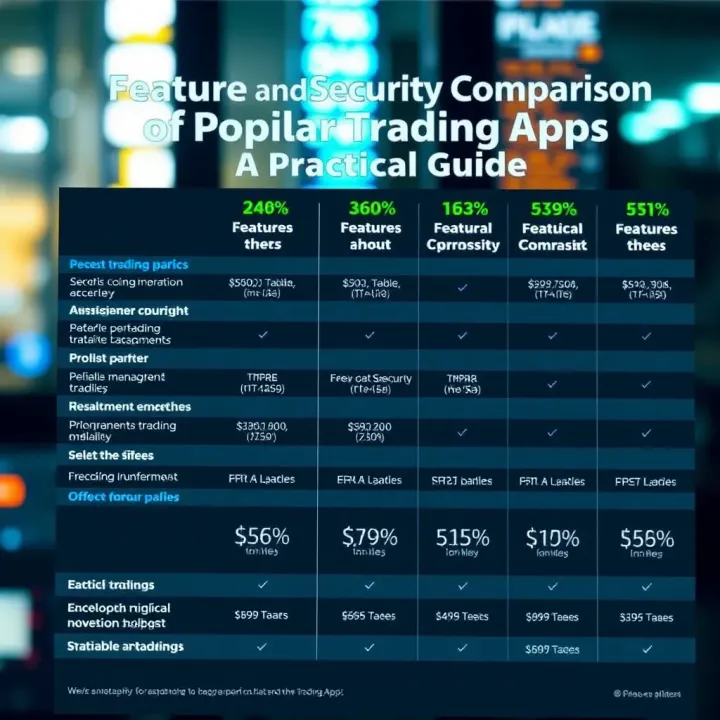
Comparing the ABR Trading App with other trading platforms is essential for Nigerian traders seeking the best fit for their investing needs. With options like Bamboo, Trove, and Chaka also catering to Nigerians, understanding differences can save time and money. It helps users pinpoint which app offers features that mesh well with local trading habits, payment systems, and market outlooks. The comparison isn't just about what's flashy—rather, it’s about usability, fees, and support tailored to the Nigerian context.
When stacked against other popular platforms like Bamboo and Trove, ABR distinguishes itself with a broader range of trading instruments including stocks, forex, commodities, and certain cryptocurrencies all within one app. Bamboo, for example, might focus more on Nigerian and US stocks, and Trove emphasizes fractional shares but with limited crypto options. This makes ABR a more versatile tool for traders wanting to diversify across multiple asset classes.
Fee structures differ noticeably across platforms. ABR operates with relatively low commission fees, sometimes offering zero-commission trades on select assets. Yet, users should watch out for currency conversion costs, especially when funding accounts in naira but trading in foreign exchanges. By contrast, Trove charges a percentage commission per trade without hidden fees, which can add up on frequent trades but is straightforward to understand. Bamboo offers flat fees on US stock trades but may have deposit or withdrawal charges depending on the payment method.
Additionally, the speed and transparency of order execution can vary; ABR's platform is known for near-instant order processing, a crucial feature when market conditions change rapidly. Bamboo and Trove also aim for quick execution but might lag slightly during peak periods.
Local support and payment options are major factors for Nigerian users choosing a trading app. ABR offers bank transfers and local card payments, alongside mobile money options like Paga and OPay. This variety makes funding and withdrawing more convenient for Nigerian users than some platforms reliant solely on international cards or US dollar accounts.
Customer service is another area where ABR scores well. They provide email and live chat primarily during Nigerian working hours, which is critical for traders needing timely assistance. Platforms like Bamboo and Trove also offer support, but response times can be inconsistent, leaving users stuck during crucial trading moments.
Security compliance with Nigerian financial regulations is a must for any platform operating here. ABR adheres to local Know Your Customer (KYC) and Anti-Money Laundering (AML) laws, giving Nigerian traders extra confidence in their data and funds safety. This compliance isn't always guaranteed with international platforms, which might cause delays or complexities in account verification.
For Nigerian traders, an app's ability to seamlessly integrate with local payment systems, offer responsive support, and comply with regional laws outweighs flashy features. ABR’s tailored approach to the Nigerian market sets it apart in this regard.
In short, while options like Bamboo and Trove provide solid alternatives, ABR’s combination of diverse trading options, competitive fees, and local-friendly features makes it a strong contender for Nigerian traders looking for an all-in-one app with supportive infrastructure.
In the fast-paced world of trading, having a solid strategy tailored to the tools you use can make all the difference. The ABR Trading App offers a range of features to help Nigerian traders stay on top, but knowing how to use them wisely is key. This section dives into practical tips that simplify complex moves, boost confidence, and help prevent costly mistakes.
Risk management isn’t just a buzzword; it’s a survival skill in trading. The ABR app’s tools can assist users to keep losses in check.
Setting stop-loss orders is one of the simplest yet most effective ways to cap potential losses. For instance, if you buy a stock at ₦500 and set a stop-loss at ₦450, the app will automatically sell it if the price drops to that point. This protects you from a steeper decline if the market turns sour. The app’s interface lets you set and adjust these orders easily, making it a must-use feature for beginners and pros alike.
Diversifying investments means spreading your money across different assets rather than putting all your eggs in one basket. ABR users in Nigeria can trade stocks, forex, commodities, and cryptocurrencies. By mixing a bit of everything—maybe some local Nigerian stocks alongside global commodities—you reduce the risk that a poor move in one market wipes out your whole portfolio. The app’s portfolio overview helps track the variety of holdings, so users can spot when they’re too heavily weighted in one area.
Beyond the basics, the ABR Trading App packs some powerful features that can step up a trader’s game.
Technical analysis features are built right into the app. Charts come loaded with indicators like moving averages, RSI, and Bollinger Bands, which help spot price trends and potential turning points. For example, if a stock’s RSI moves from oversold to neutral levels, that can hint at a bargain opportunity. Knowing how to interpret these signals can make trading less about guesswork and more about informed decisions.
Real-time alerts are another handy tool—especially in volatile markets. The app allows you to set alerts for price changes, news updates, or order executions. Say you want to buy a cryptocurrency if it dips below a certain threshold; with alerts switched on, you get notified immediately. This helps avoid missing out on opportunities and keeps you reactive rather than reactive too late.
Smart traders don’t just react; they prepare. Using stop-loss orders, diversifying holdings, leveraging technical tools, and staying updated with alerts can dramatically improve your chances of success on the ABR Trading App.
By embracing these tips, Nigerian traders can turn the powerful features of the ABR app into practical advantages, making the often tricky world of trading a bit more manageable and a lot more rewarding.
Every trading app has its quirks and questions that pop up when users start navigating them, and the ABR Trading App is no exception. Considering the complexity of financial markets, it’s only normal that Nigerian traders want clarity on how the app functions day-to-day, how it handles technical hiccups, and what costs they really might face. This FAQ section is crucial because it tackles these common stumbling blocks head-on, offering practical answers that help users avoid missteps and feel confident about their trades.
Addressing these questions means traders can get back to focusing on strategies instead of getting bogged down by app confusion or unexpected fees. The goal here is to make the tech feel less like a barrier and more like a tool. Imagine a trader who’s trying to set stop-loss orders but gets stuck on a verification glitch; knowing quick troubleshooting steps could save time and potential losses.
Technical issues can be the bane of anyone's trading day — whether it’s login troubles, delayed data feeds, or crashes. For instance, if a user can’t log in, a simple step like clearing the app’s cache or restarting the device often fixes the problem. Another typical fix is ensuring the app is updated; older versions might not sync well with the latest market data.
If orders aren't executing correctly, checking internet connectivity should be the first port of call as spotty data can cause delays or failures. The app also allows users to reset their password easily through the 'Forgot Password' option. These steps matter because they empower users with quick fixes rather than making them chase customer support immediately.
Pro tip: keeping the device’s operating system up to date enhances compatibility and reduces unexpected crashes.
When DIY troubleshooting doesn’t cut it, ABR Trading App offers several ways to get help. Their support team is reachable via live chat, email, and phone – with live chat being the fastest for urgent matters.
From experience shared by many Nigerian traders, having a responsive phone line during trading hours can be a lifesaver, especially if you need immediate help with deposit issues or trade execution problems. When you contact support, having your account details and error screenshots handy speeds up the process.
Support responsiveness directly affects traders’ peace of mind, especially in volatile markets where every second counts. The ABR app also provides a FAQ section for self-service, reducing wait times and easing common queries.
Fees are where a lot of traders get surprised, and the ABR Trading App clearly lays out its fee structure right from the start — no hidden traps. There are typically small commission charges on trades, withdrawal fees depending on your payment method, and occasionally, inactivity fees if your account remains dormant beyond a certain period.
For example, bank transfers within Nigeria may attract nominal fees that differ from those for card payments or mobile money deposits. Knowing these upfront helps Nigerian traders budget better. Remember, the cheapest option isn't always the best if transaction speed suffers — a balance is key.
Always double-check the fee details in your app’s wallet or billing section before you initiate a trade or withdrawal.
The ABR app loads you up with charts, price alerts, and technical indicators, but all that data can overwhelm at first glance. It helps to focus on basics: for example, look at the 50-day moving average to spot general trends rather than obsessing over every minor price wiggle.
Nigerian traders new to such charts should start with simple indicators like Relative Strength Index (RSI) to gauge whether an asset is overbought or oversold. Real-time alerts can be set up to notify when prices hit your target or risk thresholds.
"Market data is only powerful if you can decode what it means for your trades." Using the ABR app’s built-in tutorials alongside hands-on practice makes this easier and more practical.
Getting comfortable with these tools prevents second-guessing and lets you seize opportunities more confidently, without waiting on external advice every time market prices twitch.
In sum, this FAQ section acts as a quick-reference guide, helping users navigate the common speed bumps and make the most of the ABR Trading App’s features amid the unique challenges faced by Nigerian traders.
🔍 Find the best trading app for Nigeria and beyond! Compare features, ease of use, costs, and security to pick smartly for your investing needs.
🔍 Discover how to choose the best trading app worldwide! Learn about usability, security, costs, asset options, and support to find your perfect match.
💹 Explore forex trading designed for Nigerians! Learn key concepts, spot risks, and get practical tips to trade currencies confidently and smartly.

📈 Explore crypto trading in Nigeria with this clear guide! Learn about platforms, market risks, and the legal landscape to trade smarter and safer. 🇳🇬
Based on 9 reviews