
Forex Trading in Nigeria: A Complete Guide
Explore forex trading in Nigeria 🇳🇬 with tips on brokers, strategies, risks, regulations, and market opportunities to trade smarter and safer 💹
Edited By
Thomas Reed
Forex trading is quickly becoming a popular option among Nigerian investors looking for ways to diversify their portfolios and tap into global markets. Unlike stocks or local commodities, forex involves trading currencies from all over the world, making it a dynamic and often unpredictable investment avenue.
For Nigerians, forex trading presents unique opportunities—but it also comes with challenges that aren't always obvious at first glance. Whether it's navigating local regulations, understanding global economic events, or simply figuring out which brokers are trustworthy, there’s a lot that can trip up a newcomer.
In this guide, we'll break down the nuts and bolts of how forex trading works, what to watch out for, and practical tips to help you trade smarter. This isn't about fancy jargon or unrealistic get-rich-quick schemes. We aim to give you a clear, no-nonsense understanding so you can confidently approach the forex market, armed with knowledge and realistic expectations.
Forex trading isn’t a sprint; it’s more like a marathon. Success depends on steady learning, patience, and keeping emotions in check.
Over the sections that follow, we’ll cover:
Core forex concepts and terminology
Step-by-step trading process tailored to Nigerian investors
Risks common in forex trading and how to manage them
Selecting reliable brokers and platforms trustworthy in Nigeria
Tips based on real experience to build a winning trading strategy
If you’ve been curious about forex but felt overwhelmed or unsure where to start, this guide is designed to walk you through every major aspect. By the end, you’ll have a solid foundation and practical tools to make informed decisions, steering clear of traps that snag too many beginners.
Let's get down to the brass tacks and see what forex trading means for you as a Nigerian investor.
Getting a solid grip on the fundamentals of forex trading sets the groundwork for any Nigerian investor looking to dip their toes in currency exchanges. Forex trading isn’t just about guessing which currency will rise or fall; it’s about understanding the moving parts behind the scenes and how they affect those values day to day. This section aims to break down these essentials so you can trade smarter, not just harder.
At the heart of forex trading is the concept of currency pairs. Think of these as trading pairs where you exchange one currency for another—say, the US Dollar versus the Nigerian Naira (USD/NGN). The first currency listed is the "base" currency, and the second is the "quote" currency. When you see a rate like 1 USD = 460 NGN, it means one US Dollar is worth 460 Naira. This rate fluctuates constantly, and your goal as a trader is to predict these movements correctly to make a profit.
The practical part? If you believe the Naira will weaken against the Dollar, you might buy the USD/NGN pair, hoping the rate will increase so you can sell back later at a profit. Always remember, trading currency pairs means you’re betting on the relative strength between two economies.
Forex markets are like a 24/5 bustling marketplace spanning different time zones. Because currencies are traded internationally, trading never stops during the week — the market follows the sun from Sydney to New York, meaning it opens in Asia, then Europe, and finally the Americas. For a Nigerian trader, this means opportunities pop up round the clock but peak movements usually happen during London and New York trading sessions.
Understanding this global operation helps you pick optimal trading times. For example, when the Nigerian Central Bank announces monetary policies during the European market's active hours, expect sharp movements particularly in the NGN pairs.
The forex market features a diverse crowd beyond individual traders like yourself. Central banks (like the Central Bank of Nigeria), commercial banks, hedge funds, currency speculators, and multinational corporations all take part. Each of these groups drives the currency prices for their own reasons — central banks might intervene to stabilize their currency, corporations need to exchange currencies for their international business, and speculators try to profit from market moves.
Recognizing who’s behind major moves can help you anticipate market behavior. For example, if the Central Bank of Nigeria signals an intervention to support the Naira, you might hold off on shorting the USD/NGN pair expecting the Naira to stabilize.
Currency values depend on a cocktail of factors. Economic performance indicators like GDP growth, inflation rates, and unemployment figures directly influence how strong one currency is against another. Political stability also plays a role: investors shy away from currencies when there’s political upheaval.
For example, if Nigeria announces improved agricultural exports boosting GDP, the Naira might gain strength. Conversely, rising inflation without corrective measures tends to weaken a currency because it reduces purchasing power.
Scheduled economic news such as interest rate decisions, employment numbers, and trade balances hit forex markets like waves. Traders often place trades before these announcements, causing spikes in volatility. Nigerian traders should keep an eye on news from both local sources like the Nigerian Bureau of Statistics and international giants like the US Federal Reserve.
Take interest rates: if the Nigerian Central Bank raises rates, it generally attracts more foreign investment into Naira-denominated assets, pushing the currency up. Knowing when these releases are due lets you manage your trades to avoid unexpected losses.
Simple supply and demand rules apply heavily in forex trading. If more investors want to buy a currency, its value rises; if many want to sell, it drops. Supply and demand are influenced by everything — from trade flows and investor sentiment to geopolitical events and natural disasters.
Picture a sudden surge in Nigerian oil exports; higher demand for Naira to buy these exports could bump the NGN higher. On the flip side, if something scares investors off Nigeria, like unrest or a credit downgrade, demand falls and so does the currency.
Understanding these basic forces and how they interact with global events puts you in a much stronger position to make calculated trading decisions in the forex market.
Starting out in forex trading can seem like stepping into a whole new world, especially for Nigerian investors. This section focuses on laying down practical steps and considerations needed to make that first move confidently. Knowing how to select the right broker, open an account, and fund it correctly helps prevent common pitfalls that new traders often face.
Selecting a trustworthy broker is the foundation of your forex trading journey. In Nigeria, some key criteria to consider include the broker’s reputation, client feedback, and transparency about fees. For instance, if a broker like FXTM or HotForex has solid reviews and clear pricing structures, they're often safer bets.
Regulation and licensing are non-negotiable. Brokers regulated by the Securities and Exchange Commission (SEC) Nigeria or international bodies like the FCA or CySEC show that they follow strict rules designed to protect traders. This regulation minimizes the risk of being scammed or facing unfair practices.
Platforms and tools offered by brokers also make a big difference. Look for brokers that provide robust trading platforms such as MetaTrader 4 or 5, with features like real-time charts, technical indicators, and easy mobile access. These tools not only make trading smoother but can also give you an edge in analyzing market moves.
When it comes to accounts, brokers often offer different types suited to varying experience levels and budgets. Common types include standard, mini, and Islamic accounts. For example, Islamic accounts avoid interest-based transactions, catering to traders observing Sharia law.
Depositing and withdrawing funds in Nigeria typically involves bank transfers, debit cards, or e-wallets like PayPal and Skrill. Choosing a broker that supports convenient methods with low transaction fees is crucial since frequent fund movement is part of trading.
Local currency considerations can’t be overlooked. Some brokers accept deposits in Nigerian Naira (NGN), which helps avoid extra currency conversion charges. However, if a broker deals only in USD or EUR, understand how exchange rates affect your deposits and withdrawals. Being proactive can save you unnecessary costs.
Starting forex trading with a clear plan for choosing brokers and managing accounts helps avoid many rookie mistakes. A well-informed start lays a path toward steady growth and reduces shocks from unexpected fees or platform issues.
When you're stepping into forex trading, especially as a beginner in Nigeria, having a solid grip on key strategies can make all the difference. These strategies aren't just for fancy jargon; they help you cut through the noise and make sense of the markets. Without them, you might as well be throwing darts blindfolded. In simple terms, these approaches guide you on when to enter or exit trades, manage your risks, and understand what the charts and news really mean. For example, knowing a trend before you jump in can save you from chasing a losing trade or catching a falling knife.
Charts are the bread and butter of forex trading. You’ll often see line charts, bar charts, and candlestick charts—among these, candlestick charts are widely used due to the detail they provide. Each candlestick tells you about the opening, closing, high, and low prices within a certain timeframe, helping spot price momentum and reversals.
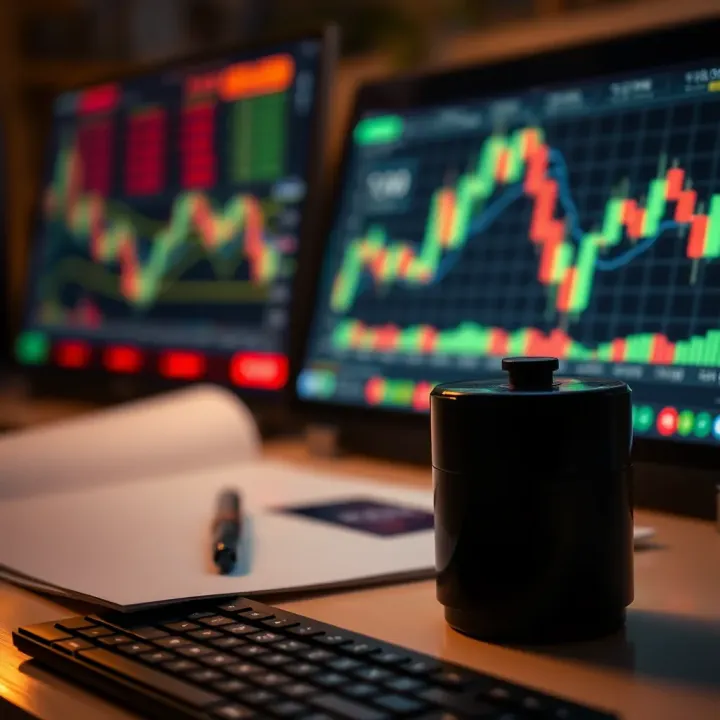
Indicators, like the Relative Strength Index (RSI) or Moving Averages (MA), add another layer of understanding by quantifying market conditions. For instance, a 50-day moving average can smooth out price fluctuations and highlight the general direction of a currency pair. If you see the price bouncing above this average, it might suggest an ongoing uptrend. Regular practice reading these charts and indicators builds your intuition about market moves—a skill you can’t buy off the shelf.
A trend is your friend in forex trading, but only if you can spot it early. The key is distinguishing between upward (bullish), downward (bearish), and sideways trends. Start by looking at higher highs and higher lows for an uptrend, or lower lows and lower highs for a downtrend.
Besides trends, patterns like head and shoulders, double tops, or triangles often hint at potential changes in market direction. For instance, spotting a 'double bottom' can signal that a currency pair is ready to bounce back after a drop. Practicing these helps you avoid trading during choppy, indecisive markets where prices just zigzag without clear direction.
Support and resistance levels are the invisible walls where prices tend to pause or reverse. Support is where buying interest might stop prices from falling further, while resistance represents selling pressure that hindrances price rises.
In real trading, these levels act like checkpoint markers. Imagine you’re trading the USD/NGN pair, and it’s repeatedly bouncing near ₦470; that likely marks a strong support area. Placing your stop loss just below this level can protect your capital. Likewise, if a major resistance is at ₦480, you might consider taking profits as the price struggles to climb higher.
Economic data, such as inflation rates, employment numbers, or GDP growth, can shake up currencies like mild storms or full-on hurricanes. Nigeria’s inflation figures, for example, can impact the naira’s strength against the dollar. Traders keep an eye out for unexpected surprises in these reports because they often trigger sharp price movements.
To use these reports well, focus on the consensus forecast versus actual data. If Nigeria's inflation jumps up more than expected, naira might weaken as traders anticipate central bank intervention. Remember, no single report tells the whole story, so keep a balanced approach.
Central banks, like the Central Bank of Nigeria (CBN) or the US Federal Reserve, steer forex markets by setting interest rates or intervening in currency markets. When the CBN hikes rates, it tends to boost the naira because higher rates attract investors seeking better returns.
Watch their statements closely; sometimes, even a hint at future moves causes swings. For beginner traders, understanding these cues helps avoid getting caught on the wrong side of a trade. For example, a surprise change or even a pause from the central bank after a series of hikes can trigger market corrections.
Geopolitical factors—like elections, conflicts, or trade negotiations—often send currencies on wild rides. Nigeria’s elections, for example, can create uncertainty that weakens the naira as investors adopt a cautious stance.
One practical tip: keep an eye on news not just locally but internationally, too. Trade tensions between the US and China, for instance, ripple through global markets affecting commodity currencies like the naira. Responding to these events quickly often means adjusting your positions or sitting tight until conditions calm down.
In short, mixing technical and fundamental strategies equips Nigerian traders with a balanced toolkit: the charts tell you the "what" and "when," while economic and political insights explain the "why." Approaching forex this way reduces guesswork and helps protect your hard-earned money.
Managing risks is one of the most important skills any forex trader must master, especially in a volatile market like forex where prices shift quickly. For Nigerian investors, who often face additional challenges like currency fluctuations and economic uncertainties, understanding these risks can mean the difference between a small loss and wiping out a significant part of your capital. This section digs into common traps traders fall into and offers practical ways to keep your trading game tight.
Keeping risks in check isn’t just about avoiding losses; it's about growing your investment steadily and learning from mistakes. When you handle risks smartly, you avoid panicking and making rash decisions. By understanding key elements like leverage and stop loss orders, you can protect your capital and trade with confidence.
Leverage lets you control a larger position than your actual capital would normally allow. Think of it as using borrowed money to make a bigger bet. While this can multiply profits, it also multiplies losses — which makes it risky if you don’t keep an eye on it.
Role of leverage in forex trading: Leverage amplifies the size of your trades. For example, with a 50:1 leverage, you can trade $5,000 worth of currency with only $100 of your own money. That’s great when the market moves your way, but if it moves against you, your losses can mount just as fast. It’s a double-edged sword that requires respect.
Examples of leverage impact: Imagine you buy euros at 450 Naira with a 1:50 leverage on a $200 trading account. If the euro rises by just 2%, your profit might be $20, a neat 10% return on your actual funds. But if it drops by 2%, your $20 loss is also 10% of your account—actually more if the movement is larger—and that can eat up your funds very fast.
Setting reasonable leverage limits: In Nigeria, many brokers offer high leverage, sometimes up to 100:1 or more. However, for beginners, keeping leverage modest—say 10:1 to 20:1—is wiser. This approach reduces the chance of blowing your account with one bad trade. As you grow comfortable and consistent with your strategy, you can carefully adjust leverage.
Stop loss orders are like your safety net. They automatically close your trade if the price hits a level you set, limiting losses before they get out of control.
How stop losses protect capital: By setting a stop loss, you define the maximum amount you’re willing to lose on a trade. Without them, losses can snowball, especially in fast-moving markets where prices can jump unexpectedly. They keep your account from draining and protect your hard-earned cash.
Tips for placing stop loss orders: Don’t just guess where to put stops. Use support and resistance levels from your charts to place stop losses logically. For instance, if a currency pair keeps bouncing off a certain price, setting your stop just below that level can safeguard against deeper losses without getting stopped out prematurely.
Avoiding common mistakes: One common error is placing stop losses too tight, which can close trades after minor fluctuations, leading to frustration and unnecessary losses. Another mistake is to skip stops altogether, gambling that the market will turn around. Both can cripple your trading over time. Always treat stops as an essential part of your strategy, not an optional tool.
Managing risks is less about avoiding losses completely and more about controlling them. Wise use of leverage and stop loss orders equips Nigerian forex traders to survive rough patches and stay in the game longer.
By understanding leverage properly and using stop loss tools wisely, you’re laying the groundwork to trade more consistently and with less stress. That’s the key to long-term success in Nigeria’s dynamic forex market.
Having the right tools and resources is like having a good map and compass when you’re heading into unfamiliar territory. In forex trading, especially in Nigeria where the market can have its quirks, these tools help you make informed decisions, track your trades, and stay ahead of the game. Without them, you’re flying blind, risking money on guesswork rather than knowledge. This section covers what you should look out for in trading platforms and where to find reliable information that keeps you updated on the market’s pulse.
When picking a trading platform, Nigerian traders should look beyond fancy interfaces. Key features include user-friendly navigation, real-time price feeds, and quick execution of trades to avoid slippage. For example, MetaTrader 4 and MetaTrader 5 are quite popular because they offer customizable charts, various order types, and automated trading options. Platforms like MetaTrader also have extensive community support which is a bonus. Crucially, make sure the platform allows trading in Nigerian Naira or supports easy currency conversions to avoid hassles with withdrawals and deposits.
Your trading doesn’t stop when you leave your desk. Platforms that offer both mobile and desktop versions give you the flexibility to manage trades on the go. For instance, the MetaTrader mobile app syncs perfectly with the desktop version, letting you check charts or close positions from your phone during lunch breaks or while commuting. Apps like IG and ForexTime also provide native mobile experiences with push notifications for market alerts, which can be a lifesaver when unexpected events rock the market.
A platform without analysis tools is like a car without a fuel gauge—you might get somewhere, but it’s tough to know where. Many top platforms integrate seamlessly with technical indicators, economic calendars, and news feeds. TradingView, though not a broker platform itself, integrates with many brokers and offers advanced charting with hundreds of indicators and easy drawing tools. Look for platforms that let you plug in custom indicators or connect with third-party software. This integration helps Nigerian traders conduct thorough analysis in one place, making decisions faster and smarter.
Staying informed is non-negotiable. Websites such as Bloomberg, Reuters, and Investing.com offer up-to-the-minute forex news and analysis, something Nigerian traders can’t afford to miss. These sources cover global developments that influence currency prices, like political moves or central bank announcements. Also, many brokers provide curated news feeds within their platforms, which streamlines access without juggling multiple tabs.
One overlooked but super important tool is the economic calendar. It lists key upcoming events like Nigeria’s inflation reports, US Federal Reserve interest rate decisions, or Brexit negotiations that could send markets spinning. Platforms like Forex Factory and DailyFX have free, easy-to-read calendars with impact ratings, so traders know which events are likely to be market movers. Using these calendars helps prevent surprises and allows you to manage your trades better around volatile releases.
Social media might seem like a noisy place, but it’s a treasure trove if you know where to look. Twitter and Telegram groups often break news faster than traditional outlets. Nigerian traders can join focused communities where experienced traders share tips, market analyses, and even warn about scams. Forums like BabyPips also provide a platform to discuss strategies and troubleshoot. Just remember to weigh opinions critically—always verify before jumping in.
Consistent access to the right tools and reliable information sources can mean the difference between a smart trade and a costly mistake. For Nigerian investors in forex, these resources are your foundation.
Building a trading plan is like setting the foundation of a house; without it, everything else shaky. For Nigerian investors stepping into the forex market, having a clear, written plan helps avoid knee-jerk decisions driven by emotions or market noise. Discipline follows naturally when you stick to a plan—it’s your roadmap, guiding you through the ups and downs of trading.
A solid trading plan outlines your goals, how much risk you’re willing to take, the strategies you’ll use, and how to track your progress. This clarity prevents guessing games and random trades, which often lead to losses. For instance, a Nigerian trader who writes down when to enter or exit a trade, and sticks to these rules, is less likely to panic during market swings caused by local economic news or global events.
It’s tempting to dream big when you hear stories of traders making thousands in a day. But setting realistic goals keeps you grounded. For example, aiming to grow your trading account by 5-10% monthly is more achievable than expecting to double it overnight. This approach reduces frustration and helps maintain steady progress.
Realistic expectations mean understanding that losses are part of trading. A Nigerian trader might plan to learn steadily over six months before aiming at consistent profits. This mindset reduces emotional trading and encourages patience.
Every trade carries risk, so knowing how much you’re willing to lose is vital. Some traders use the rule of risking only 1-2% of their capital per trade. This way, even a few losses won’t wipe out your account.
Balancing risk and reward means assessing whether a potential gain justifies the possibility of loss. For example, if a trade offers a potential return of 1000 Naira but could lose 500 Naira, the reward-to-risk ratio is 2:1, which many traders find acceptable. Understanding this helps Nigerian investors avoid reckless moves, especially in volatile currency pairs like USD/NGN.
Markets change, and so should your trading plan. Maybe you started with a cautious approach, but after gaining experience, you're comfortable taking on more risk or trying new strategies.
Regularly reassess your goals and performance. For instance, if you find that your trades consistently achieve smaller profits, you might tweak your exit strategy or try different currency pairs. This adaptability is crucial for long-term success.
Recording each trade, including entry and exit points, reasons for the trade, and how you felt, helps you spot patterns over time. A Nigerian trader might note how political announcements affected their trades or specific times when the market was more volatile.
A journal isn’t just numbers; it captures your emotional state too, helping identify when stress or excitement influenced decisions. This self-awareness is invaluable.
Set aside time weekly or monthly to review your journal. Look for repeated mistakes, such as ignoring stop-loss orders or entering trades without proper analysis. Recognizing these patterns lets you correct course before bad habits worsen.
Maybe you notice you perform better trading EUR/USD during London hours than the Nigerian market’s opening. Such insights can refine your trading times and strategies.
No strategy works forever without adjustments. Say a momentum strategy worked well last quarter but now yields fewer wins. It’s time to tweak it—perhaps by waiting for stronger confirmation before entering trades or combining it with fundamental analysis of Nigeria’s economic events.
Successful traders view setbacks as learning opportunities. For Nigerian investors, this could mean considering how local market liquidity impacts their chosen strategy and making necessary changes.
Discipline and routine turn forex trading from a gamble into a skill. By planning carefully, tracking progress, and learning from mistakes, you build the kind of resilience necessary to survive and thrive in Nigeria's dynamic forex landscape.
Remember, the forex journey is long, and staying flexible while sticking to your plan is the balance every trader needs to master.
When diving into forex trading, understanding Nigeria’s legal and regulatory setup is not just a good idea—it’s a must. It protects your investments, keeps you clear of trouble, and helps you spot trustworthy brokers. Navigating this environment can be tricky at first, but knowing who watches over the market and what rules apply can save you headaches down the line.
The Securities and Exchange Commission (SEC) in Nigeria serves as a watchdog for capital markets, including forex trading activities. It licenses and supervises brokers to make sure they operate fairly and keep customer funds safe. For you as a trader, dealing with an SEC-licensed broker means you’re more likely to have transparent pricing, honest dealing, and better dispute resolution options. Always check if your broker displays their SEC license number—it’s your first red flag or green light.
The Central Bank of Nigeria (CBN) holds considerable influence over forex trading, especially since they control Nigeria’s currency and monetary policy. Although CBN does not directly regulate forex brokers, it controls access to foreign exchange officially. Be mindful that the CBN sometimes sets restrictions or guidelines to curb excessive currency speculation that can destabilize the market. For example, they might limit how local banks and individuals transact in foreign currency. Traders must keep up with CBN announcements, as these can affect liquidity and trading conditions unexpectedly.
A quick way to lose your hard-earned money in forex is partnering with unlicensed brokers. These are brokers without formal approval from Nigerian authorities like the SEC or international regulators like FCA or CySEC. Unlicensed brokers often raise red flags, such as guaranteed profits or dodgy withdrawal processes. To steer clear, stick with brokers regulated by recognized agencies, and cross-check their credentials on official websites. This caution is your best line of defense against scams.
Forex profits in Nigeria are subject to taxation under the Personal Income Tax Act (PITA). This means any gains from forex trading should be reported as part of your income. While the specifics can get technical, in simple terms, if forex trading contributes a steady income stream, the government expects a cut. Knowing this helps you avoid landing in hot water come tax season.
Good bookkeeping isn’t just for big companies. Keeping a detailed trading journal with dates, trade amounts, profits, losses, and broker statements makes filing taxes easier and more accurate. If the tax guys ever ask for proof of your earnings, you’ll be glad you kept track. This also allows you to verify your own profits and losses, helping with smarter trading decisions.
Tax laws in Nigeria can be a bit of a maze, and forex tax rules aren’t always clear-cut. That’s why consulting a qualified tax advisor or accountant familiar with forex trading is a wise move. They help you stay compliant, minimize tax liabilities legally, and understand any recent law changes. Don’t try to wing it here—getting professional help saves you stress and money in the long run.
Remember: Being well-informed about Nigeria's forex regulations and tax rules turns forex from a risky gamble into a more calculated venture. Staying within legal lines pays off.
To recap, knowing the regulatory bodies like the SEC and keeping an eye on CBN policies safeguard your trading journey. Picking licensed brokers avoids pitfalls, and handling taxes responsibly keeps you out of trouble with authorities. That’s the backbone of trading smart in Nigeria’s forex market.
Explore forex trading in Nigeria 🇳🇬 with tips on brokers, strategies, risks, regulations, and market opportunities to trade smarter and safer 💹
🌍 Discover practical tips for forex trading in Nigeria! Learn how to pick trusted brokers, understand local rules, avoid mistakes, and sharpen your skills.
Learn forex trading basics 🌍, from market workings to risk tips, tailored for beginners in Nigeria eager to trade currency confidently 💹.
📈 Learn forex trading basics, key concepts, tools, strategies & risks. Get practical tips for beginners in Nigeria to start trading forex confidently today!
Based on 14 reviews