
Forex Trading Guide for Nigerian Investors
💹 Explore forex trading designed for Nigerians! Learn key concepts, spot risks, and get practical tips to trade currencies confidently and smartly.
Edited By
Sophie Greenwood
Forex trading has increasingly become a popular way for Nigerians to engage with global financial markets. From Lagos to Abuja, individuals and professionals alike see it as a chance to grow their savings or earn additional income. But diving into the forex market without proper knowledge can be like trying to navigate a busy street without traffic lights—it quickly turns chaotic.
This guide is designed to shed light on the essentials of forex trading specifically in Nigeria. We’ll cover everything from understanding the basics of currency pairs to the specific challenges traders face under local regulations. Along the way, you’ll find practical tips on choosing reliable brokers, managing your risks, and spotting opportunities unique to the Nigerian economy.
Whether you’re a finance student looking to grasp the fundamentals or an experienced trader wanting insights into the Nigerian forex scene, this article puts all the pieces together in a straightforward way.
Forex trading isn’t just about guessing which way the market will go; it’s about smart strategy, discipline, and knowing how to adapt—especially in Nigeria’s dynamic financial environment.
By the end, you’ll have a clearer picture of how to navigate forex trading with confidence, minimizing pitfalls and aiming for consistent results. Let’s unpack what you need to know before jumping in headfirst.
Forex trading has become more than just a buzzword in Nigeria; it represents a real opportunity for many looking to diversify income sources or grow their investments. Understanding the basics and local context of Forex trading is essential before diving in. Nigerian traders face unique challenges and potentials, making a solid introduction crucial for setting the right expectations.
Starting off, it’s important to get a grasp on exactly what forex trading is and why it’s relevant here. Many Nigerians are drawn to the foreign exchange market because it runs 24/5, offering more flexibility than traditional stock markets. Plus, with the Naira’s fluctuating value, traders have real chances to profit—if they know what they're doing.
This introductory section sets the stage, detailing not only what forex trading entails but also highlighting why the Nigerian market is picking up steam. Thinking about practical points, this helps would-be traders avoid jumping in blind, offering a clearer shot at steady gains rather than quick losses.
At its core, forex trading is buying and selling currencies to make a profit from the changes in exchange rates. It's the largest financial market globally, with trillions of dollars exchanged daily. For example, when a Nigerian trader buys US dollars expecting the dollar to gain strength against the Naira, they profit if the exchange rate moves as anticipated.
Forex isn't so much about owning currency as it is about speculating on price movements. Unlike stock markets where you own a piece of a company, forex trading purely focuses on the relative values of currencies, which are influenced by countless factors from economic data to political news.
Globally, forex markets operate through a decentralized network 24 hours a day, starting from Asia, moving through Europe, and ending in the US. This round-the-clock action means Nigerian traders can trade anytime, often during hours convenient to their schedules.
Locally, though, forex trading interacts deeply with the Nigerian economy. The Central Bank's policies regarding foreign exchange reserves and the Nigerian Naira’s stability heavily impact forex trading strategies. For instance, government interventions to stabilize the Naira can cause sudden shifts, which astute traders may use to their advantage.
To put it simply: global forex orders flow continuously, but Nigerian traders must pay close attention to local economic and policy news for an edge.
Several economic realities fuel Nigerians' keen interest in forex trading. The Naira’s volatility, inflation pressure, and limited local investment options push many towards forex as an alternative.
For example, when inflation pushes up living costs, some Nigerians turn to forex to protect their savings by exchanging into stronger currencies like the US dollar. This economic pressure means forex isn’t just about making money but also preserving value.
The rise in smartphone use and affordable internet has transformed how Nigerians trade forex. Platforms like MetaTrader 4 and 5, combined with local brokers such as FXTM and HotForex offering easy account setups, mean it’s now possible to trade from anywhere.
Mobile apps bring real-time price feeds, charting tools, and instant trade executions to traders' fingertips. This accessibility reduces the barrier to entry. Where a decade ago you might’ve needed a broker's phone call or a desktop connection, now anyone with a phone and internet can start.
Access to technology has turned forex trading from an exclusive domain into something everyday Nigerians can do, contributing to its rapid growth.
This section primes readers to understand the 'what' and 'why' of forex trading in Nigeria before moving into practical aspects like accounts and strategies.
Getting a solid grip on Nigeria's forex market landscape is like having a map before wandering through unknown territory. It’s vital for traders to grasp how the local currency behaves and which organizations steer the marketplace. This understanding helps to navigate challenges better and seize profitable chances.
The Nigerian Naira (₦) plays a central role in forex trading here. Since it's the domestic currency, its value directly impacts how traders measure profits and losses. Due to Nigeria’s economic conditions—such as inflation rates or oil price swings—the Naira can fluctuate quite a bit. For example, when oil prices drop, the Naira often weakens because Nigeria relies heavily on oil exports.
This fluctuation means forex traders must keep an eye on economic indicators affecting the Naira, like inflation data, changes in government policies, or foreign reserves reported by the Central Bank of Nigeria (CBN). Knowing this helps traders anticipate possible market shifts and choose when to buy or sell currency pairs involving the Naira.
Exchange rates reflect how one currency compares to another, and in Nigeria, these rates are quite dynamic. They influence not just trading profits but also import/export businesses and the general economy. For instance, if the Naira weakens against the US Dollar (USD), imported goods become more expensive, affecting consumers and businesses alike.
Traders must understand that exchange rates can change swiftly due to global factors like US Federal Reserve decisions or local events such as election results. Successfully predicting these movements requires analyzing historical exchange rates, monitoring news, and recognizing patterns that influence price swings.
Exchange rate volatility can be a double-edged sword. It creates opportunities for profits but also risks substantial losses if traders are unprepared.
The SEC in Nigeria oversees the capital market and ensures that forex trading companies follow rules to protect investors. If you’re considering trading forex, checking whether a broker is registered with the SEC is a must. This oversight reduces the risk of scams and unethical behavior in the market.
The SEC also educates traders and provides frameworks that encourage transparency and fair play. For example, the SEC mandates brokers to disclose trading risks clearly. This means Nigerian traders aren’t left in the dark about the potential downsides of forex trading.
The CBN is the heavyweight in the forex scene, regulating currency flow and policies affecting the Naira's stability. They set forex rules, including guidelines on foreign exchange allocation and restrictions to minimize economic shocks.
Recently, the CBN has implemented measures to stabilize the Naira and regulate forex access through official windows. These policies can affect liquidity and pricing in the forex market, so traders need to stay updated with CBN announcements. For example, when the CBN tightens foreign currency availability, it can cause sharp movements in exchange rates.
Understanding these roles and how these bodies influence forex trading in Nigeria provides a foundation for making smarter, safer decisions in the market.
By grasping the local currency's behavior and the regulatory framework, Nigerian forex traders position themselves ahead of many pitfalls. It helps to not only avoid mistakes but also maximize opportunities in a market that’s lively and sometimes unpredictable.
Starting forex trading in Nigeria might seem like stepping into a maze, but it's really about setting a good foundation. The first thing Nigerian traders should remember is that mastering the basics—like setting up an account and picking the right tools—can save both time and money down the road. This section will help you sort through the clutter and get your trading journey off on the right foot.
Picking a trustworthy broker is like choosing a dependable co-pilot in your trading adventure. In Nigeria, it's essential to go for brokers regulated by credible authorities such as the Nigerian Securities and Exchange Commission (SEC) or global bodies like the Financial Conduct Authority (FCA). Platforms like FXTM and HotForex enjoy popularity for their reliability and quick withdrawals, which is key when you're working with the Nigerian Naira.
Look out for brokers with transparent fee structures and good customer support. For instance, some brokers might charge hidden spreads or fees that eat into your profits without you noticing. Always ask around—forums and online communities can be a goldmine for authentic reviews. After all, no one wants to be stuck with a broker that disappears faster than you can say "sell!".
Before you can dive in, you'll need to gather some important documents—a simple but often overlooked step. Typically, brokers will ask for:
Valid government-issued ID (like a National ID or International Passport)
Proof of residence (utility bills or bank statements)
A completed application form
Some brokers may ask for a tax identification number, especially if they comply with local tax requirements. This paperwork is crucial for verification and ensures your account stays active. Plus, having everything in order means you avoid delays when you want to cash out your earnings. Skipping these can land you in hot water or cause frustration down the line.
MetaTrader 4 (MT4) and MetaTrader 5 (MT5) have pretty much become the default choices here, favored for their user-friendly design and powerful trading tools. They offer everything from live price charts to automated trading options. For those preferring a more straightforward approach, platforms like cTrader and TradingView provide clean interfaces with less clutter, making them great for beginners.
Many Nigerian traders also appreciate brokers offering proprietary platforms, but always test these before you commit. A popular choice among Nigerians is IG Markets, known for responsive mobile apps and educational resources tailored for African traders.
Whether to trade on mobile or desktop depends largely on your lifestyle. Mobile trading apps are a hit in Nigeria, mainly because they allow you to trade anywhere—from the Lagos bus to your favorite local chai spot. Apps like MT4 and MetaTrader 5 are optimized for smartphones, giving you real-time market updates and letting you place trades on the fly.
Desktop trading, on the other hand, is preferred by traders who spend hours analyzing charts and prefer multiple screens. It offers greater charting power and easier access to advanced tools. But if you are always on the move, a reliable mobile app might just be the better way to keep your trading sharp.
Remember, choosing the right platform means balancing convenience with the tools you need. Don’t sacrifice functionality just for mobility, and always test platforms using demo accounts before putting your hard-earned money at risk.
In summary, getting started with forex trading in Nigeria boils down to choosing the right broker, having your paperwork ready, and using a trading platform that fits your style and needs. These steps set the stage for a smoother trading experience, helping you avoid common pitfalls Nigerian traders often face.
When it comes to forex trading in Nigeria, strategies are far from one-size-fits-all. Nigerian traders often blend various techniques based on their risk appetite, market understanding, and available resources. Knowing popular strategies isn't just about following trends; it’s about grasping which approaches suit local market quirks and economic movements. For instance, some traders might lean on technical tools to navigate the erratic swings of the Nigerian Naira, while others emphasize fundamental analysis to stay ahead of economic reports or political shifts that directly affect currency valuations.
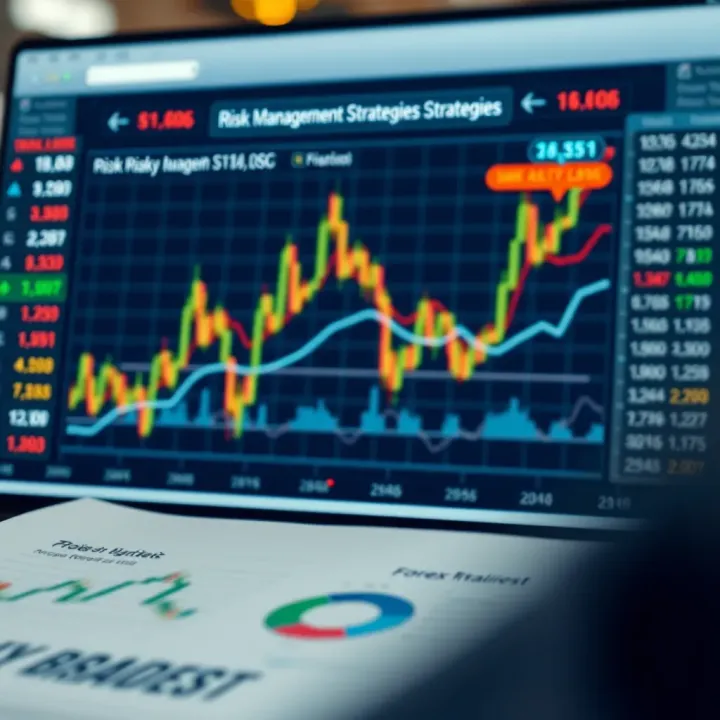
Charts are the heart and soul of technical analysis. They provide a visual history of price movements, helping traders spot patterns or signals pointing to potential trends. Nigerian traders often start with candlestick charts, which display opening, closing, highs, and lows in a user-friendly format. One common approach is watching for formations like "head and shoulders" or "double tops," indicating possible reversals.
Indicators such as Moving Averages (MA) and Relative Strength Index (RSI) are also crucial. For example, a trader might notice the 50-day MA crossing above the 200-day MA—a bullish signal often called a "golden cross"—which might prompt them to buy. These tools provide clues on momentum and possible entry or exit points.
Understanding how to read charts lets traders make decisions grounded in price behavior rather than guesswork, which is essential when markets get choppy.
Beyond basic charts, Nigerian forex traders use a variety of technical tools to refine their decisions. Popular ones include:
Bollinger Bands: These bands expand or contract based on volatility, helping traders gauge whether a currency pair is overbought or oversold.
Fibonacci Retracement Levels: These help identify where prices might pull back to before continuing their trend, useful in setting stop-loss orders.
MACD (Moving Average Convergence Divergence): This tool signals potential trend reversals by comparing short and long-term momentum.
For instance, a trader following the USD/NGN pair might spot the currency dipping near a significant Fibonacci level and decide to hold off selling, anticipating a bounce-back.
Fundamental analysis involves digging into economic data and understanding what’s driving currency movements behind the scenes. Nigerian traders often pay close attention to local GDP figures, inflation rates, and the Central Bank of Nigeria’s (CBN) policy announcements. For example, an unexpected hike in interest rates by the CBN may strengthen the Naira, prompting traders to adjust their positions.
Also, global reports like U.S. non-farm payrolls or Eurozone economic data can impact Nigerian forex pairs due to Nigeria’s trading relationships. A savvy trader will review the economic calendar regularly and understand how these releases might sway market sentiment.
Money flows react sharply to political twists, and this is especially true in Nigeria. Elections, government policy shifts, or regional conflicts can stir volatility in the forex markets. For example, uncertainty surrounding the 2019 general elections saw heightened fluctuations in the Naira’s exchange rate.
Traders who monitor these developments can better anticipate sharp moves. Instead of panicking, they might employ tactical positions or hedge their investments to manage risk. In short, staying alert to geopolitical events is like having a weather forecast before setting sail—it reduces surprises and improves preparedness.
Ignoring geopolitical signals is a bit like driving blindfolded—traders in Nigeria who factor these events into their analysis tend to fare better in both bull and bear markets.
Trading forex in Nigeria comes with a unique set of hurdles that can catch even experienced traders off guard. Knowing these challenges ahead of time can save you from costly mistakes and help you build a more resilient trading approach. Among these hurdles, market volatility and the risk of scams stand out as key issues that often affect traders’ success rates.
Volatility refers to how much the price of a currency pair swings over a short time. In the Nigerian forex market, volatility can be particularly tricky due to several reasons:
Economic uncertainties: Nigeria’s economy faces frequent shocks from oil price fluctuations, government policy changes, and inflation spikes.
Political events: Elections, policy announcements, or social unrest can prompt unpredictable currency moves.
Exchange rate controls: Restrictions imposed by the Central Bank of Nigeria (CBN) can disrupt normal market flows, causing wild price swings.
For example, when the CBN suddenly adjusts foreign exchange policies, the Naira’s value can jump or tank without warning, putting traders on edge.
To manage this choppy environment, Nigerian forex traders can:
Use stop-loss orders strategically to prevent huge losses when prices take a sudden dive.
Avoid overleveraging, which can amplify losses during volatile times.
Keep an eye on global news and local developments, since surprises often fuel sharp market moves.
Diversify across different currency pairs instead of betting everything on the Naira pairs alone.
By preparing for these wild swings rather than hoping they won’t happen, traders enhance their chances of staying in the game long-term.
Sadly, the Nigerian forex market has attracted its fair share of scam artists trying to prey on hopeful traders. Spotting signs of an untrustworthy broker early on can prevent losing your hard-earned money.
Watch out for these warning signs:
Promises of guaranteed profits or unusually high returns with little risk.
Brokers operating without proper registration or licensing.
Poor customer service or lack of transparency on fees and trading conditions.
Pressure tactics urging you to deposit more funds quickly.
For instance, a broker that emails constant “exclusive offer” pitches pressing you to fund your account immediately should raise red flags.
Before opening an account, take these prudent steps:
Check the broker’s registration status with the Securities and Exchange Commission (SEC) Nigeria.
Verify if they comply with Central Bank of Nigeria regulations.
Look for reviews and feedback from fellow Nigerian traders on trusted online forums.
Test their customer support responsiveness with simple questions.
Always remember: If it sounds too good to be true, it probably is. Taking time to verify brokers can shield you from costly pitfalls.
In summary, understanding and preparing for market volatility along with diligently avoiding fraudulent brokers will help Nigerian traders defend their capital and trade more confidently in a challenging environment.
Risk management is often the line between thriving and crashing out in forex trading, especially in Nigeria where economic swings can throw a curveball anytime. Nigerian traders face challenges like high market volatility and sudden regulatory changes, making it critical to have solid risk management strategies in place. By applying these techniques, traders can safeguard their investments and navigate the market without losing sleep over unexpected dips.
A stop loss is a safety net that automatically cuts your losses when a trade goes south. It’s like having a guardrail that prevents you from careening off the trading road. For example, if you buy EUR/USD at 1.2000, setting a stop loss at 1.1900 means you limit losses to 100 pips if the price drops. This helps Nigerian traders avoid emotional decisions like holding onto losing trades in hope they'll turn around — a common trap.
Take profit works the other way, locking in gains when the market hits your target. Think of it as cashing out at the right moment so you don’t lose what you already earned. Combining stop loss and take profit orders keeps a trade balanced, letting you protect your capital and secure profits without constant monitoring.
Risk-reward ratio tells you how much you stand to gain for every unit of risk taken. A ratio of 1:3 means risking $1 to potentially make $3. Nigerian traders should aim for ratios that make sense for their risk appetite. A poor ratio like 1:1 often leads to winning trades barely covering losses, which wears down the account over time.
By carefully calculating this ratio before entering a trade, traders can make smarter decisions. For instance, if your stop loss is 50 pips, setting a take profit at 150 pips fits a 1:3 risk-reward ratio. This means even if only one in three trades wins, you still come out ahead. It’s a practical way to stay profitable over the long haul.
Putting all your eggs in one basket is risky, especially if that basket’s in a fluctuating economy like Nigeria’s. Trading only the USD/NGN or EUR/USD pair can expose you to big swings tied to specific economic events. Instead, Nigerian traders can benefit from spreading risk across various currency pairs including exotic, major, and minor pairs.
For example, pairing USD/NGN trades with USD/EUR or AUD/USD can balance out losses if the naira behaves unpredictably. This mix provides a buffer, as not all pairs react the same way to global influences.
Overexposure happens when a trader commits too much capital to similar or correlated trades, amplifying risk instead of diversifying it. Imagine putting 80% of your trading funds on highly correlated pairs like USD/NGN and USD/ZAR. Both might tank if African markets drop, causing your portfolio to hemorrhage losses fast.
To avoid this, Nigerian traders should clamp exposure per trade and focus on uncorrelated or negatively correlated pairs. Also, they should scale positions considering their total capital, never exceeding comfortable risk limits.
Smart risk management is about balance — protecting your funds while seizing good opportunities. For Nigerian traders, mastering stop loss, take profit, and diversification isn’t optional; it’s the backbone of sustainable trading success.
Technology has reshaped how forex trading works in Nigeria, making it more accessible and efficient for traders of all levels. For Nigerian traders, the rise of digital tools means fewer barriers to entry and more control over their investments. For example, where traders once had to rely on phone calls or physical offices, now a smartphone app can handle everything from analysis to executing trades in real-time.
This shift is more than just convenience—it changes the dynamics of trading by allowing quick reactions to market changes. Nigerian traders benefit by staying on top of both local and global currency movements, even when away from their desks.
Growth of smartphone use in trading
Smartphones have become the backbone of many trading activities in Nigeria. With affordable internet and the proliferation of devices from brands like Tecno and Infinix, more traders are tapping into forex markets through mobile apps like MetaTrader 4 (MT4) and MetaTrader 5 (MT5). This is significant because it means traders no longer need expensive computers or stable office setups to participate actively in forex.
Apps come with user-friendly interfaces, real-time charts, and alerts that can help traders make decisions faster. The availability of mobile data bundles at low cost supports this trend, encouraging traders to stay connected whenever they need.
Trading on the go
Trading on the move is a game changer, especially in a busy environment like Nigeria where getting stuck in traffic or commuting is part of daily life. Traders can place orders, adjust stop-loss points, or monitor their portfolios while on buses, at cafes, or even in queues. This flexibility helps minimize missed opportunities and reduces emotional trading mistakes.
It’s worth noting that mobile trading is not without risks—unstable internet or phone battery issues can cause disruptions. However, most modern trading apps offer features like offline access to charts or quick trade cancellations to address these hiccups.
Sharing insights and learning
Social media platforms like Twitter, Telegram, and WhatsApp have become invaluable for Nigerian forex traders. These spaces offer informal but fast-paced exchange of tips, market signals, and personal experiences. For instance, traders often join Telegram groups dedicated to forex where they share trade ideas and help newcomers avoid common pitfalls.
This peer-to-peer learning complements formal education and helps traders stay updated on fast-evolving situations, such as sudden policy announcements affecting the Naira.
Tracking market trends
Online communities and social media also serve as real-time tracking tools for market trends. Following reliable forex analysts or financial news channels on Twitter can alert traders to breaking news that might impact currency pairs, like oil price movements or political events affecting Nigerian markets.
By staying connected, traders increase their chances of reacting before the market prices adjust fully. This edge is crucial in a market known for swift shifts, especially in emerging economies like Nigeria.
In sum, technology’s role in forex trading in Nigeria is not just about tools but how these tools integrate into daily routines, making trading more dynamic and informed.
Understanding the legal and tax framework surrounding forex trading in Nigeria is not just a good idea — it’s essential. Ignoring these aspects can lead to serious trouble, from penalties to losing out on profits unexpectedly. This section aims to break down the legal obligations and tax requirements that Nigerian traders need to be aware of, so they can trade with confidence and avoid any nasty surprises.
Forex trading in Nigeria is regulated primarily by the Securities and Exchange Commission (SEC) and overseen by the Central Bank of Nigeria (CBN). To trade forex legally, it’s important to use brokers registered with the SEC. This ensures the broker follows rules designed to protect traders’ interests.
For example, an unregistered broker might not safeguard your funds properly, putting your investment at risk. Nigerian traders should always check the SEC’s official list of licensed brokers before opening an account. Compliance also means that traders must understand and follow CBN guidelines, particularly those concerning foreign exchange policies, which can affect how readily you can fund or withdraw your trading account.
Getting familiar with these legal requirements not only helps avoid scams but also makes sure your trading activities stay within the boundaries of Nigerian law.
When it comes to reporting, Nigerian traders must keep accurate records of all forex transactions. The tax authorities require this to verify income from trading activities. Maintaining a detailed log of trades, profits, losses, and fees paid can make tax reporting smoother and help in case of an audit.
Practically speaking, this means using a dedicated spreadsheet or trading journal app to document every trade. Regular bookkeeping helps you avoid guesswork and makes it easier to comply with reporting deadlines set by the Federal Inland Revenue Service (FIRS).
Keeping neat records isn't just a good habit; it’s a legal necessity for forex traders in Nigeria.
Forex trading profits in Nigeria are considered taxable income. As of now, these earnings are subject to personal income tax or companies income tax, depending on whether you trade as an individual or through a corporate entity.
For individuals, Nigeria uses a graduated tax rate system ranging roughly from 7% to 24% based on income levels. So, if you make a significant profit from trading, higher brackets could apply. Companies typically pay a flat rate of 30%. It’s important to separate your trading income from other income sources to ensure proper tax calculation.
Failing to declare your forex income can attract penalties or interest charges, so it’s wise to set aside a portion of your earnings specifically to cover tax obligations.
Filing your forex earnings follows the standard income tax reporting process through FIRS for individuals or the Corporate Affairs Commission (CAC) for companies. You’ll need to include detailed information about your gross forex profits, any losses you want to claim, and any applicable expenses.
Typically, you provide this info during your annual tax return filing. Using a qualified accountant who understands forex trading can simplify this process and ensure you utilize any allowable deductions, like transaction fees, that can reduce your taxable base.
Also, stay aware of deadlines — missing tax filing deadlines can lead to fines or additional scrutiny.
Being clear on legal and tax considerations makes forex trading less of a guessing game. Nigerian traders who respect these rules protect themselves and their profits, giving them a firmer footing in what can be a dynamic and fast-moving market.
Staying in the forex game long term isn't just about hitting a lucky streak now and then—it’s about building habits, sharpening skills, and crafting a solid plan that can withstand the ups and downs of the market. Forex trading in Nigeria, with its unique challenges like currency volatility and regulatory nuances, demands traders think beyond quick wins. Focusing on continuous learning, staying informed, and sticking to a well-thought-out plan can make all the difference between consistent profit and costly mistakes.
Forex markets move fast, and new trading strategies or economic developments can change the playing field overnight. For Nigerian traders, tapping into credible resources pays off handsomely. Platforms like the Forex Academy by IG, Babypips, or courses from ForexPeaceArmy offer practical lessons on everything from chart reading to understanding risk management. Many of these resources even include community forums where users share tips specific to local market conditions. Instead of trying to learn everything at once, focus on mastering one or two areas first—like technical analysis or fundamental news—and expand as your confidence grows.
Getting caught on the wrong side of a sudden event is a pain every trader knows. That's why following up-to-date, reliable news sources is crucial. Financial news outlets such as Bloomberg, Reuters, and Nigerian-specific sources like The Guardian Nigeria's business section or Nairametrics offer timely updates on economic indicators, policy changes, and geopolitical events that directly affect the Naira and forex pairs. Setting up alerts for economic releases or subscribing to daily market summaries can help you react faster and plan your trades better.
Walking into forex trading with sky-high expectations often leads to disappointment. It’s better to be practical: set achievable targets based on your available capital, experience, and risk tolerance. For example, aiming for 5% growth per month with a clear risk limit per trade creates a safety net against gut-wrenching losses. Keep track of your trades and review your progress monthly—if you find your goals too easy or too tough, adjust accordingly rather than chasing unrealistic returns.
Discipline is like the glue holding your trading plan together. Without it, even the best strategy can fall apart. Stick to your risk management rules no matter what—if your plan says to cut losses at a certain point, don’t argue with the market. It’s easy to get tempted to override your stop-loss in hopes the market will turn, but that’s a fast track to losing money. Using trading journals helps reinforce discipline; jot down your decisions and emotions for each trade. Over time, you’ll notice patterns about what leads you off course and can correct those habits.
Long-term success isn’t about never making mistakes. It’s about learning from them, adjusting your approach, and showing up day after day with a clear head and consistent effort.
By continuously improving skills, staying current on news, and following a sound trading plan, Nigerian forex traders can boost their chances of building lasting trading success.
The Nigerian forex market offers some unique opportunities that traders in other countries might not experience the same way. Understanding these can give you an edge, especially if you know how to navigate the local landscape effectively. These opportunities arise from Nigeria's distinctive economic conditions, geopolitical events, and access points to global markets. Leveraging these can help Nigerian traders maximize profits and diversify their trading strategies.
Certain domestic events in Nigeria, like the Central Bank's policy announcements, elections, or major oil sector developments, often cause noticeable shifts in currency values, particularly the Naira. For example, when the Central Bank of Nigeria (CBN) announces a change in interest rates or forex reserves policy, traders may see short-term volatility in the USD/NGN or GBP/NGN pairs. Being prepared for such events allows traders to position themselves advantageously before prices move.
Nigerian traders who actively monitor the economic calendar specific to Nigeria can anticipate these movements. For instance, during General Elections, there’s usually an increase in market uncertainty, which often results in wider spreads and price swings. Experienced traders may exploit these opportunities by tightening stop losses or adopting more cautious trade sizes.
Nigeria's economic landscape is deeply influenced by developments in the West African region. Trade agreements like the African Continental Free Trade Area (AfCFTA) or political stability in neighbouring countries can ripple through Nigerian forex markets. If a nearby country sees economic turmoil or growth, the impact on Nigeria’s trade balance and forex demand can be significant.
For example, a disruption in crude oil supply in a neighboring country can boost Nigeria’s oil exports, affecting forex inflows. Traders who keep abreast of such regional news can position their trades in relevant currency pairs like USD/NGN or even regional pairs involving the CFA franc (XOF) and Nigerian Naira.
Forex trading offers Nigerian investors an avenue to spread their investments beyond local assets like real estate or Nigerian stocks. By trading currency pairs involving the US dollar, Euro, British pound, or emerging market currencies, traders reduce their reliance on the local economy.
Diversification is more than just owning various currencies; it’s about balancing risks linked to economic cycles. For example, if Nigeria experiences inflation shocks or political uncertainty, global currency pairs like EUR/USD or USD/JPY might offer more stability, protecting your portfolio against local currency depreciation.
Thanks to technology and global trading platforms like MetaTrader 4, MetaTrader 5, or cTrader, Nigerian traders connect easily with counterparts worldwide. This interaction offers several benefits: sharing insights, learning new techniques, and even timing trades based on international news that affects currency markets.
Engagement in international forums, Telegram groups, or social media platforms focused on forex trading can boost learning and networking. For example, understanding how the US Federal Reserve's decisions influence global markets helps Nigerian traders adjust strategies accordingly, even if the direct local impact is delayed.
Nigerian traders who actively link local market knowledge with international developments often gain a broader perspective, reducing surprises and seizing profitable trades early.
In sum, Nigerian forex traders sit at a crossroads where local economic shifts intertwine with global market forces. Those who can read both effectively are better placed to find and make the most of unique trading opportunities.
Wrapping up our guide, it’s clear that navigating forex trading in Nigeria requires a blend of knowledge, vigilance, and discipline. This market is influenced heavily by local economic factors and regulatory policies, which means what works globally might not always fit the Nigerian scene. Traders here need to balance a keen understanding of the global forex market with the nuances unique to Nigeria, such as the Central Bank’s forex restrictions or the fluctuating Naira exchange rates.
Practical benefits of grasping these local elements include better timing of trades around Nigerian economic data releases and being aware of regulatory changes that could impact trading strategies. For example, knowing the Central Bank of Nigeria’s stance on forex trading can help you avoid run-ins with the law and ensure that your broker operates within Nigerian regulations.
Successfully navigating forex trading in Nigeria isn’t just about picking winning trades; it’s about staying informed, managing risks smartly, and adapting strategies as local conditions shift.
We’ve covered a lot, but the essentials that Nigerian traders should take away are:
Understanding the local landscape: The Nigerian Naira and Central Bank policies play a major role in shaping forex trading conditions.
Choosing the right broker: Always go for brokers registered with the Securities and Exchange Commission (SEC) or those with a solid international reputation.
Implementing sound trading strategies: Use a mix of technical and fundamental analysis tailored to the Nigerian market events.
Risk management: Setting stop losses and diversifying currency pairs helps shield your capital from sharp market swings.
Continuing education: The forex scene constantly evolves, so staying updated with global news and local economic developments is a must.
These key points are not just theory; applying them can save you money and frustration. For instance, failing to understand the volatile nature of the Naira often leads to unexpected losses, while working with a regulated broker reduces the chances of falling victim to scams.
For those just starting or looking to sharpen their edge, a few practical tips can make all the difference:
Stick to a trading plan: Define your entry and exit points, and don’t let emotions push you into impulsive moves.
Be cautious with leverage: Nigerian traders are sometimes tempted to use high leverage for quick gains, but this can wipe out accounts fast.
Watch out for unregulated brokers: Scams are unfortunately common, so always verify the broker’s credentials before depositing funds.
Use demo accounts: Practice trading without risk until you’re confident with your strategy.
Manage your emotions: Forex trading will test patience. Staying calm and disciplined is as important as technical knowledge.
Remember, forex trading isn’t a get-rich-quick scheme. It rewards preparation, patience, and a level-headed approach, especially in Nigeria’s unique market environment. With the right mindset and tools, you can navigate this space confidently and build a sustainable trading career.
💹 Explore forex trading designed for Nigerians! Learn key concepts, spot risks, and get practical tips to trade currencies confidently and smartly.
🌍 Discover practical tips for forex trading in Nigeria! Learn how to pick trusted brokers, understand local rules, avoid mistakes, and sharpen your skills.
Learn forex trading basics 🌍, from market workings to risk tips, tailored for beginners in Nigeria eager to trade currency confidently 💹.
📈 New to forex trading in Nigeria? Learn key terms, strategies, steps, and risk management tips to trade the forex market smartly and confidently! 💡
Based on 11 reviews