

Choosing the Best Forex Trading App in Nigeria
Looking for the best forex trading app? 📱 Discover key features, top platforms in Nigeria 🇳🇬, and tips to trade securely and smartly on your mobile.
Edited By
Charlotte Adams
Copy trading has rapidly become a go-to strategy for many Nigerian traders who want to benefit from the stock or forex markets without constantly analyzing every move themselves. With a growing number of platforms offering copy trading services, picking the right app isn't just about flashy interfaces or catchy features—it’s about finding a tool that fits your needs, budget, and risk appetite.
In this article, we'll break down the essentials of copy trading and what to look for when choosing an app tailored for Nigerian users. From understanding the basics to weighing your options across popular apps like eToro, ZuluTrade, and Pocket Option, this guide will steer you clear of common pitfalls and help you get started confidently.

Whether you’re a beginner looking to dip your toes into trading or a seasoned investor wanting to diversify your approach, getting the right app can be a game changer. We’ll also touch on key risks involved and practical tips to boost your chances of success. So, let’s cut through the noise and get you set on the right path.
Getting a solid grip on what copy trading is and why it’s catching on, especially in places like Nigeria, is a handy starting point before diving into app choices. Copy trading basically makes the trading world less intimidating by letting you follow and mimic the moves of savvy traders without having to become a full-on market expert overnight.
This approach turns trading into something more accessible and practical. For instance, a young Nigerian tech enthusiast might not have years of trading experience but could still join the financial market hustle by copying a seasoned trader’s portfolio, steadily learning and possibly earning, all while fitting this in alongside a busy day job.
Copy trading is a method where your trading account automatically copies trades made by other investors. Think of it like tagging along on a fishing trip with someone who knows the best spots and bait to use—you get to catch fish without having to master the craft first.
This method thrives on transparency because you get to see the stats and histories of top traders before deciding who to follow. That way, you’re not just blindly copying but making informed choices based on real performance.
When you sign up on a copy trading app, you browse profiles of various traders. Each profile will typically show things like win rate, typical investment size, risk level, and profit history. You then choose one or more traders whose style fits your risk appetite and budget. Your app will then mirrior their trades in real-time—buying and selling assets just as they do.
For example, if a trader you’re following buys 100 shares of a company, your account automatically does the same—scaled to the amount you’ve allocated. This setup lets you stay hands-off while your portfolio moves with the pros.
The financial scene in Nigeria is vibrant but can be daunting for newcomers who don’t have a background in economics or financial markets. Copy trading apps cut through this complexity, offering a user-friendly gateway. Through these apps, a first-time trader can start with small amounts, follow expert strategies, and gradually build confidence.
Local apps like Investby have made it even easier, providing interfaces in English with clear instructions and customer support tailored for Nigerian users. Plus, mobile connectivity in Nigeria has skyrocketed, making these apps accessible even on budget smartphones.
One big allure is the chance to earn without needing to constantly be glued to the screen or spend hours analyzing charts. Passive income through copy trading means you can set up your account and watch your investments grow while focusing on other things—be it your day job, studies, or running a side hustle.
For instance, a university student in Lagos might use copy trading as a way to supplement their income during school breaks. By diversifying across multiple traders, they can mitigate risks yet still enjoy some steady returns.
Copy trading bridges the gap between financial knowledge and opportunity, making trading less a guessing game and more of a shared experience with seasoned investors.
Understanding these core aspects builds a foundation to pick the right app that meets your needs and comfort level in the fast-moving financial markets.
Picking the right copy trading app isn't just about finding the flashiest interface or the lowest fees—it’s about weighing features that truly impact your trading success and safety. These features can shape how easily you use the app, how secure your investments are, and how well you can navigate market moves with timely info and community insights. Let's break down the must-haves so you know what makes one app stand out in Nigeria’s bustling trading scene.
The first impression counts, and with trading apps, it's all about ease and speed. Ease of navigation means you won’t waste precious minutes trying to figure out where to click, which can be costly when the markets move fast. Look for apps with clear menus and minimal clutter. For instance, platforms like eToro have a straightforward layout that lets newbies easily find traders to copy and check stats without fumbling around.
Then, there’s mobile and desktop compatibility — because sometimes you kick off trades on your PC at home and need to check updates on your phone on the go. Apps that sync smoothly between devices keep you connected no matter where you are, which is essential for Nigerians who might switch from office laptops to mobile data plans while commuting. Plus, responsive apps avoid crashes or glitches that could cost you a trade at a critical moment.
Safety should top your checklist. Data protection means the app encrypts your personal info and financial details so hackers can’t sneak in. With frequent cyber-attacks these days, make sure the app uses solid security protocols like two-factor authentication and stores passwords securely.
Don’t ignore the importance of licensed and regulated platforms too. Trading with apps regulated by recognized bodies, such as the FCA or CySEC, means they follow strict rules designed to protect traders. For Nigerian users, even though local regulation is still evolving, choosing globally regulated apps is a smart way to avoid fraud or sudden shutdowns.
Knowing what’s happening right now can save your wallet. Real-time data is crucial because delays in price updates can lead to bad decisions. Imagine seeing a currency pair price from 10 minutes ago—that's no good. Top apps deliver live market feeds so you can act instantly.
Another lifesaver is risk management options. Good apps give you limits to stop losses from spiraling out of control, like setting maximum daily losses or taking profits automatically when targets are hit. Imagine using a stop-loss feature during a volatile market crash; it’s like having an emergency brake for your investments.
Copy trading isn't just about following others blindly—it’s about community and communication. Interaction with traders allows you to ask questions, learn strategies, and get feedback directly from the pros you follow. It’s like having a mentor right in your pocket.
Also, having access to trader performance stats helps you pick who to trust. Look for stats that show historical returns, drawdowns, and number of copiers. Apps like ZuluTrade offer clear dashboards with this info, helping you avoid jumping onto a trader who's just had a lucky streak but carries heavy risks.
Always remember: The best copy trading app balances usability, safety, and transparency. These features help you trade smart and feel secure. Don’t rush—take a good look under the hood before diving in.
With these essentials in mind, Nigerians can find a copy trading app that fits their style and shields them from common pitfalls. Next, we'll explore some popular apps available right now and how they measure up.

In a market like Nigeria's, where fintech is booming and access to global trading is growing, knowing the popular copy trading apps is a big help. These apps don’t just offer tools—they bring the whole trading world closer, making it easier for local traders to join in. Being familiar with these apps helps traders pick platforms that suit their specific needs, whether it’s low fees, ease of use, or strong community support.
Each app comes with its own set of perks and tools. For example, eToro is famous for its social feed where traders can share strategies and news in real time, which is great for beginners who want to learn by watching others. Another one, ZuluTrade, offers automatic trade copying with adjustable risk settings, so users can customize how aggressive they want their copied trades to be. Features like stop-loss orders, performance analytics, and multi-asset support also matter because they affect your control and success rate as you copy trades.
Compatibility with brokers is crucial. Some apps link directly to global brokers like IG or XM, while others might tie into smaller or local brokers. This matters because not all brokers allow copy trading, and some offer better execution speeds or lower spreads. For example, the JijiTrader app supports multiple brokers popular in Nigeria, which offers flexibility in how you fund your account and withdraw profits. Knowing if an app plugs into reputable and well-regulated brokers helps avoid hassles and risks later on.
No two apps charge the same way. eToro typically charges spreads, which can be higher during volatile times, whereas platforms like ZuluTrade may have performance fees that take a cut of your profits. Some apps might hide withdrawal or inactivity fees, so it pays to read the fine print. Nigerian traders should pick apps with transparent fee structures to avoid unexpected costs catching them off guard.
Take eToro, for example—it's user-friendly with a massive community, but its fees can be higher compared to others, and not all asset classes are available. ZuluTrade shines in custom risk management but might overwhelm newcomers with too many options. NAGA offers some nifty cryptocurrency copy trading options but has been critiqued for less responsive customer service. Weighing these pros and cons helps traders align the app’s features with their trading style and comfort level.
Getting a feel for how real users experience these apps is invaluable. Many Nigerian traders on forums like Nairaland or on social media mention that eToro’s interface is easy to get started with, but some find payout times slow. ZuluTrade users often appreciate the risk tools but sometimes complain about occasional lags. Weighing user feedback alongside technical specs builds a clearer picture beyond what marketing promises.
Picking the right copy trading app isn't just about shiny features—it’s about matching an app’s strengths to your trading goals and comfort zone. Careful comparison and checking out actual user experiences can save you headaches down the line.
This section focuses on laying out real options Nigerian traders can explore. Knowing these details improves your confidence when choosing which app to trust your money with and copying strategies from others.
Getting into copy trading without a proper game plan is like sailing without a compass—it's risky and could end badly fast. This part of the process is all about laying a solid foundation so that your copy trading experience doesn’t turn into a nightmare. From setting up your account to managing funds, each step plays a big role in protecting your investment and giving you a clearer shot at success.
When you first sign up on a copy trading app, you’ll mainly need standard identification documents. This usually includes a valid Nigerian government-issued ID like your National ID card, passport, or driver's license. Some platforms may also ask for proof of residence, such as a recent utility bill or bank statement, to confirm where you live.
These documents help prevent fraud and ensure that everyone on the platform is verified. Plus, they satisfy local regulations, making sure the app operates legally in Nigeria. Trust me, skipping this step or providing fake documents will only lead to withdrawals being frozen or worse, your account banned.
Once you've uploaded your documents, expect the platform to take some time verifying your identity. This step is usually automated but can include manual checks when something looks off. Verification shows the app you’re a real person and qualifies you to start trading with more confidence. Expect to receive notifications on whether you’ve been approved or if more info is needed.
It's important because a verified account unlocks full app features and builds trust between you and the platform. For example, eToro and Pepperstone, popular choices for Nigerians, are known for quick, thorough verification that helps keep scammers out.
Picking who to copy is like choosing a teammate in a tournament—you want someone who’s reliable, consistent, and suits your style. Start by looking closely at the trader’s past performance over different market conditions, not just recent winners.
Look for metrics such as win rates, average returns, max drawdown (that’s how big the losses got), and how long they have been trading. For instance, a trader boasting 50% monthly returns in a single good month but with a history of big crashes should ring alarm bells. Instead, lean towards traders with steady, moderate profits and manageable losses.
Don’t put all your eggs in one basket by following just one trader. Spread your funds across several traders who have different trading styles, risk levels, and asset focuses. This helps balance out risks—when one trader stumbles, others might keep your overall returns on track.
Imagine you follow one trader heavily invested in forex and another focusing on stocks or commodities. The fluctuations in these markets often don't move together, giving your portfolio some natural cushion.
Before diving into copy trading, decide how much money you can realistically afford to use without it affecting your day-to-day life. The golden rule is never to trade money you can’t lose. For many Nigerians starting out, this might be as little as ₦50,000 to ₦100,000.
Keep your budget separated from savings or emergency funds. Most platforms allow you to set limits or alerts, so use those tools to avoid accidental overtrading or chasing losses.
You don’t just set and forget your investments. Consistently check how your copied traders are doing—monthly reviews work well for most. Evaluate their gains, losses, and whether they’re still aligning with your financial goals.
Use app features such as dashboards, notifications for major events, and performance charts. If a trader's performance dips significantly or their trading style changes suddenly, be ready to adjust or stop copying.
Keeping a close eye on your portfolio can mean the difference between cutting losses early and watching your money evaporate.
In summary, safely starting with copy trading means taking the time to set up your account properly, carefully selecting who you copy, managing your money responsibly, and staying involved with your investments. This steady approach helps protect your capital in Nigeria’s sometimes unpredictable markets and gives you a better shot at making copy trading work for you.
Copy trading can seem like a straightforward way to tap into the markets, especially for beginners, but it’s important to understand the risks involved to avoid nasty surprises. Nigerian traders, like anyone else, face several challenges that can affect their success when using copy trading apps. This section breaks down the main risks in three key areas: market risks, platform reliability, and scams. Knowing these will help you trade smarter and protect your money.
Markets are unpredictable by nature. Even the most experienced traders suffer losses at times, and those you’re copying are no exception. For example, a trader you follow might bet heavily on oil prices rising, but if geopolitical tensions push prices down instead, your portfolio will take a hit. Recognizing that losses are part of the game helps keep expectations realistic and avoids panic selling.
Rather than chasing quick wins, focus on steady growth and be prepared for downswings. It’s wise to watch the trader’s past performance over quarters or years, not just a hot streak from the past week.
One key way to manage market risks is by not putting all your eggs in one basket. Copy trading doesn’t mean following only one trader blindly. Spread your investment across several traders who have different styles or focus on various markets. This diversification lessens the impact if one strategy fails.
For instance, you might copy a conservative trader focusing on blue-chip stocks and another who’s more adventurous with tech startups. Setting limits on how much of your total budget goes to each trader—say 20% per trader—helps keep your risk in check.
Imagine you want to exit a trade to cut losses, but the app is down or lagging. Downtime can result in missed chances to manage your portfolio and bigger losses than expected. Nigerian internet infrastructure varies, so choosing a copy trading platform known for stable service matters a lot.
Check reviews for real user feedback on how often the app crashes or servers go offline, especially during volatile market hours. Good platforms have backups and quick customer support to handle such problems.
Copy trading depends heavily on accurate and timely data—from trader performance stats to live market prices. If there’s a delay, outdated information, or errors, your decisions could be based on misleading signals. This is especially critical in fast-moving markets like forex or cryptocurrencies.
Always choose platforms with transparent data policies and consider cross-verifying key information, when possible, with independent sources or apps.
The lure of easy profits can sometimes bring fraudsters who pose as expert traders or shady platforms offering guaranteed returns. Be suspicious if a trader promises consistently high returns with zero downsides or pressures you to increase your investment quickly.
Other red flags include poor app reviews mentioning withdrawal issues, secretive terms and conditions, and lack of proper licensing disclosures. If an offer sounds too good to be true, it probably is.
Before committing funds, spend time researching the trader and the app: check their regulatory status, read up on user experiences, and try testing with small amounts first. Reliable platforms often have verified trader identities and transparent performance records.
Engage with the platform’s community forums or support channels to gauge trustworthiness. Never share your payment details or personal info outside secure app environments.
Protecting yourself involves a clear head and careful checks. Even the best copy trading app can’t eliminate risks, but wise choices can shield you from most pitfalls.
By keeping these risks in mind and applying practical steps, Nigerian traders can navigate the copy trading scene with confidence and better odds of long-term success.
Success in copy trading isn’t just about picking the right trader or app; it involves active management and continual learning. Without ongoing attention, even the best setups can falter, leading to disappointing returns. This section walks through practical tips to help Nigerian traders get the most from their copy trading apps by applying smart habits.
Markets move fast, and news often triggers unexpected swings. Nigerian traders using copy trading apps should stay glued to financial headlines—especially those affecting local markets such as changes in the Central Bank of Nigeria’s interest rates or new oil sector policies. For instance, an announcement about crude oil supply cuts can ripple into stock and forex trades. By keeping an eye on real-time updates through apps like Bloomberg or local sources like BusinessDay, traders can anticipate risks and even adjust which experts to follow if a sudden shift looks likely to affect ongoing trades.
A solid grip on trading basics builds confidence to make adjustments on the fly. Many copy trading platforms now include tutorials, webinars, and articles designed to boost users’ understanding. Nigerian traders could, for example, tap into educational content from Investopedia or the educational sections on apps like eToro, which offers cryptocurrency trading guides as well. Regularly revisiting these materials helps traders grasp key ideas such as leverage, risk management, and technical indicators, which are invaluable when assessing the performance of copied portfolios.
Checking how your copied trades are performing is essential. Rather than letting your portfolio run on autopilot, set aside time weekly or monthly to review gains and losses. For example, if a particular trader consistently underperforms certain assets, it might be time to stop copying them or shift funds elsewhere. Most apps provide detailed performance stats, including return percentages and loss streaks. Regular analysis helps you spot patterns and decide if a current approach still fits your investment goals.
Markets fluctuate, and what was a well-diversified copy portfolio yesterday may become too risky today. Rebalancing means adjusting your investments to maintain your original risk tolerance and capital allocation. Suppose you started by copying three traders equally but notice one’s strategy heavily concentrates on volatile forex pairs after recent market changes. It may make sense to reduce your exposure to that trader and spread those funds to others with steadier approaches, such as those focusing on Nigerian equities or safer assets. Rebalancing prevents your portfolio from leaning too much on one risky bet.
Regular learning and portfolio management ensure your trading stays sharp, adaptable, and aligned with your financial goals. These practices make a big difference in turning copy trading from a passive gamble into a thoughtful investment strategy.
By weaving these habits into your routine, you give yourself an edge. The right app is just a tool; how you use it determines your success in Nigeria's emerging copy trading space.
Looking for the best forex trading app? 📱 Discover key features, top platforms in Nigeria 🇳🇬, and tips to trade securely and smartly on your mobile.

Explore top copy trading apps in Nigeria 🇳🇬. Learn about features, security, ease of use, risks, and tips to choose the right platform for you 📈🔒
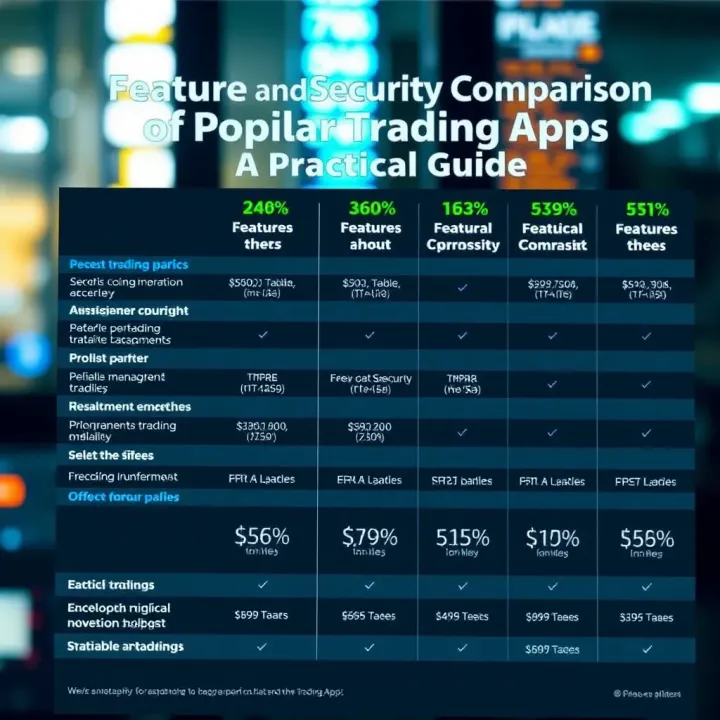
🔍 Find the best trading app for Nigeria and beyond! Compare features, ease of use, costs, and security to pick smartly for your investing needs.

Discover how to pick the best gift card trading app in Nigeria 🇳🇬. Learn about trusted platforms, secure trading tips 🔐, and what to watch for before you trade.
Based on 12 reviews