
How to Start Forex Trading in Nigeria
Start your forex trading journey in Nigeria with this practical guide 📈. Learn how to pick brokers, open accounts, manage risks, and trade safely in ₦ easily.
Edited By
Emily Harding
Starting forex trading in Nigeria requires a clear understanding of how much capital you need to begin effectively. The amount isn’t fixed—it depends on several factors like the broker’s account type, trading style, risk tolerance, and current market conditions.
New traders often ask, “How much naira do I need to start forex trading?” While some brokers allow accounts with as low as ₦10,000, experts usually advise starting with enough funds to manage risk properly and afford potential losses.
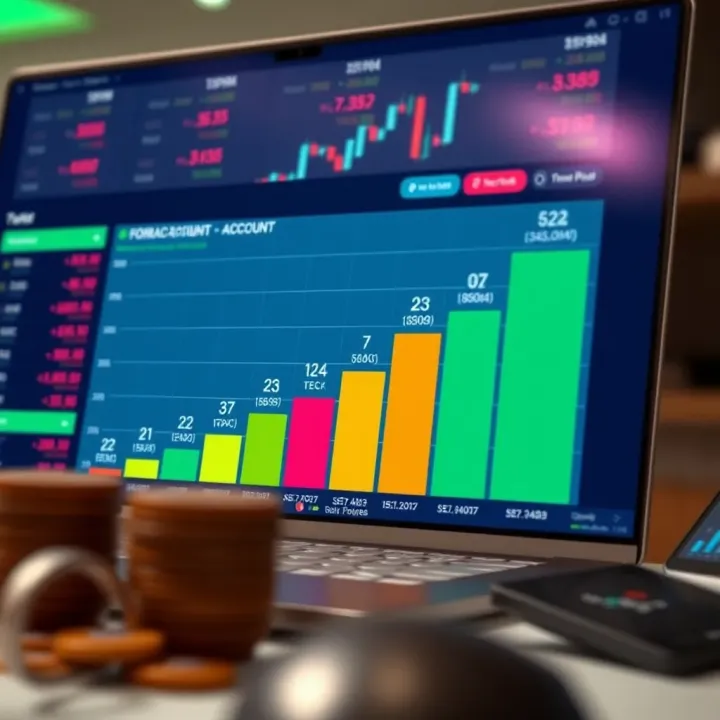
Account Types: Brokers offer multiple account options, from micro accounts with minimal deposits (₦10,000–₦50,000) to standard and VIP accounts that require higher funds (₦200,000 and above). Micro accounts help beginners learn without risking too much.
Risk Management: Most traders recommend risking no more than 1–2% of your capital on a single trade. So, if your starting capital is ₦100,000, your maximum loss per trade should be around ₦1,000–₦2,000.
Leverage: Nigerian brokers typically offer leverage up to 1:100 or 1:200. Leverage magnifies both profits and losses, meaning a small deposit can control a large position, but caution is needed.
Start Small, Grow Gradually: Suppose you have only ₦30,000; use it to open a micro account and focus on learning. Trying to win big too soon usually causes quick losses.
Set Realistic Expectations: Forex trading is not a get-rich-quick scheme. With ₦50,000–₦100,000, you can establish good trading habits and monitor progress without high pressure.
Account for Extra Costs: Remember to factor in spreads, commissions, and occasional withdrawal fees. These can chip away at your capital if ignored.
Be patient and disciplined. The right amount to start depends more on your strategy and mindset than just the size of your wallet.
Understanding these basics gives you a realistic view of your forex journey ahead. In the next sections, we will explore how to match your initial deposit to your trading goals and manage risks in the Nigerian market environment.
Starting forex trading without a solid grasp of its basics and required capital is like trying to navigate Lagos roads without a map—sure to lead to costly mistakes. Understanding these fundamentals helps Nigerian traders set realistic expectations and plan their investments better.
Forex trading is the buying and selling of currencies on an international market to profit from exchange rate fluctuations. In Nigeria, where the naira often faces volatility, forex presents opportunities for traders to benefit from currency movements, especially against majors like the US dollar or euro. However, it's not just speculation; it requires analysis, discipline, and risk management.
Among Nigerian traders, popular currency pairs include USD/NGN, EUR/USD, and GBP/USD. USD/NGN trading often reflects local economic conditions and naira liquidity, making it relevant for traders looking to speculate or hedge against naira fluctuations. EUR/USD and GBP/USD remain favourites due to their liquidity and relatively stable movements, which more experienced traders prefer.
The Central Bank of Nigeria (CBN) licenses forex brokers operating in the country, ensuring a level of security and compliance with Nigerian financial laws. Choosing a broker registered with the CBN means your funds are more secure and transactions follow regulatory guidelines—vital in a market where scams and unregulated activities can be common. Brokers also provide access to trading platforms, leverage options, and customer support tailored to Nigerian traders.
Forex brokers typically offer three main account types – micro, mini, and standard – each differing in minimum deposit requirements, lot sizes, and trading conditions. Micro accounts allow trading in very small amounts (often 1,000 units of currency per lot), making them suitable for beginners to test strategies without risking much.
Mini accounts are a middle ground, permitting trading with 10,000 units per lot and usually requiring moderately higher initial deposits. Standard accounts represent full-size trading lots (100,000 units) and are meant for experienced traders with deeper pockets.
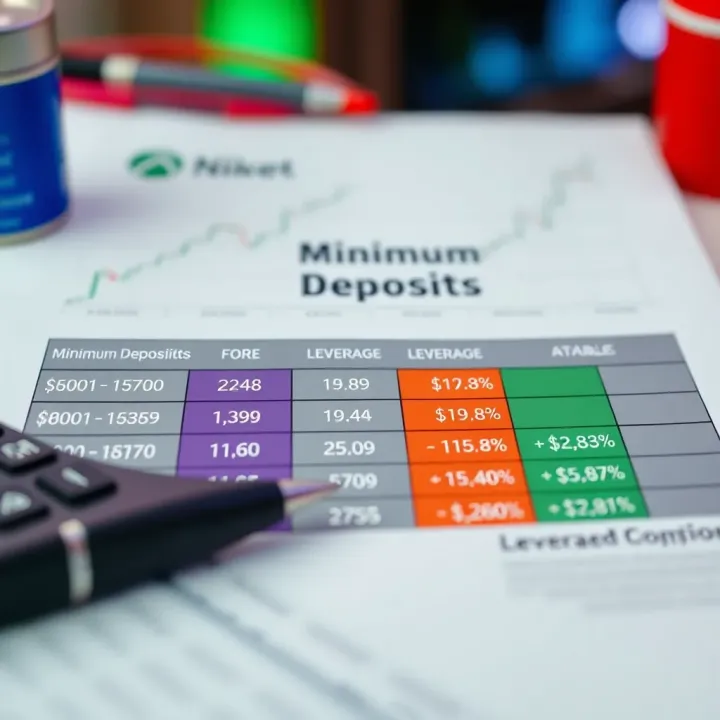
In Nigeria, minimum deposit amounts vary widely; micro accounts may require as little as ₦10,000, while standard accounts often start at ₦150,000 or more. Many brokers encourage beginners to start small — this way, traders can learn without risking excessive capital, especially when balancing personal financial demands.
Choosing the right account size comes with trade-offs. Micro accounts limit potential profits but help preserve capital and reduce stress. Standard accounts offer higher profit potential but expose traders to larger losses if not managed properly. Beginners should evaluate their experience, risk appetite, and financial situation before deciding.
Careful consideration of account types and capital needs can prevent premature losses and set the groundwork for disciplined trading in Nigeria's forex market.

In summary, understanding forex trading basics and the capital requirements tailored to Nigerian traders is essential. It helps you choose the right broker, select an account that matches your financial capacity, and sets a realistic path for entering the market successfully.
Understanding how much to invest at the start of your forex journey is key to managing expectation and risks. The amount depends on several factors like your risk attitude, trading goals, leverage options, and how volatile the market is. Getting a grip on these can prevent you from plunging in blindly and losing your capital too fast.
Understanding risk per trade and overall exposure is crucial. This means figuring out how much of your total capital you’re willing to risk on a single trade. Practically, many experienced traders risk just 1-2% of their capital per trade. For example, if you have ₦100,000 as your trading fund, risking ₦1,000 to ₦2,000 per trade keeps losses manageable while giving you room to learn and adapt. You must also think about your total exposure—the sum of all open trades—to avoid too much risk at once.
Setting realistic profit targets and loss limits helps keep your trading practical and sustainable. Instead of aiming for double or triple returns quickly, set modest goals like 5-10% monthly profit while accepting an absolute loss limit, say 10-15%, beyond which you stop trading to reassess. This approach keeps emotions in check and builds a solid foundation for steady growth, especially when market fluctuations can quickly erase gains.
How leverage enhances buying power but increases risk cannot be overstated. Leverage lets you control larger positions with smaller capital. For instance, a leverage of 100:1 lets you open a trade worth ₦1,000,000 with just ₦10,000. But while leverage amps up potential profit, it equally magnifies losses. An unexpected market move could wipe out your margin quickly, so understanding this trade-off is critical.
Margin requirements by brokers and regulatory limits in Nigeria directly influence the capital needed. The Central Bank of Nigeria licences brokers who typically offer leverage ranging from 50:1 up to 400:1, but CBN guidelines encourage caution with high leverage due to risk. Brokers demand an initial margin—a deposit to open trades—which varies by account size and leverage. For example, if a broker requires a 1% margin, that means putting up ₦10,000 to control ₦1,000,000 in forex positions.
How volatility affects the amount of capital needed is straightforward: more volatile currency pairs demand more buffer capital to survive price swings. Pairs like USD/NGN see sharp moves due to local economic news, so starting with a larger capital lets you withstand fluctuations without premature stop-outs.
Comparing scalping, day trading, and swing trading capital needs highlights strategy’s role in capital allocation. Scalping involves quick trades with small profits; it needs lower capital but demands high concentration and discipline. Day trading requires more capital since trades open for hours and stop losses tend to be wider. Swing trading, on the other hand, holds positions for days or weeks and generally requires higher capital to handle overnight risks and larger market swings. Your choice affects how much you should start with to manage risk effectively.
Remember, there isn’t a fixed starting amount for forex trading in Nigeria. Your investment size must reflect your personal risk appetite, the trading method, and the market conditions you are willing to face.
This understanding helps you avoid costly mistakes while building a solid base for growth in the forex market.
Budgeting your forex trading capital well is essential for a sustainable and less stressful trading experience. Many Nigerian traders jump in with too much or too little funds and end up burning their accounts or missing out on opportunities. Proper budgeting helps you maintain financial discipline and prevents forex trading from becoming a drain on your personal finances. It ensures you have enough room to absorb losses while developing your skills and confidence.
For beginners in Nigeria, starting with a capital of ₦30,000 to ₦50,000 is often reasonable. This range allows you to open a micro or mini account with local brokers without overstretching your budget. For example, brokers like FXTM and OctaFX offer micro accounts with minimum deposits as low as ₦20,000, which suits those still learning the ropes. Starting at this level helps you get real market exposure while limiting the risk of losing a large sum.
Balancing your initial investment with your personal financial obligations is crucial. Avoid using funds meant for rent, school fees, or daily needs. Forex trading carries inherent risks and capital can be lost, so only use money you can afford to lose. Stretching yourself financially to trade bigger amounts often leads to emotional trading and poor decisions. For instance, a trader who puts ₦200,000 meant for business stock into forex might panic at the first loss and exit prematurely, losing more than needed.
Using risk management tools like stop-loss orders is non-negotiable. A stop-loss limits your losses on any position, preventing a small mistake from wiping out your entire capital. For example, if you set a stop-loss at 2% of your account size per trade, losing trades won't significantly dent your overall funds. This discipline is the backbone of forex longevity, especially in a volatile market like forex where abrupt price swings are common.
Additionally, practising with demo accounts or simulation platforms is invaluable before committing real capital. Many Nigerian brokers provide free demo platforms funded with virtual money. This allows you to test strategies, understand the platform, and gain confidence without risking your naira. For instance, spending several weeks on a demo account helped a Lagos-based trader sharpen skills before gradually shifting to live trading with ₦50,000.
Proper budgeting and capital management in forex trading not only protect your money but also build your confidence and trading discipline — qualities that make the difference between consistent profits and early burnout.
Adopting these practical tips sets you up for a more informed and controlled approach to forex trading in Nigeria, making your journey safer and more enjoyable.
When you plan to start forex trading in Nigeria, it's not just about setting aside your initial capital. Evaluating the costs beyond the starting amount is essential to manage expectations and avoid unpleasant surprises that could eat into your profits. These costs can influence your overall trading success and should be factored into your budgeting.
Common fee structures of Nigerian brokers vary but generally include commissions, spreads, and occasionally swap fees. Most Nigerian brokers operate with either a commission-based or spread-based system. For example, some charge a fixed commission per trade, such as ₦500 or $2 per lot, while others add the cost through wider spreads. It's worth noting that brokers regulated or authorised by Nigerian authorities tend to have clearer fee structures, helping traders avoid unexpected charges. Always read the broker’s terms to spot hidden fees like withdrawal charges or inactivity penalties.
How spreads can affect profitability is critical to understand. The spread is the difference between the buying and selling price of a currency pair. Nigerian brokers often offer variable spreads that widen during volatile market hours or low liquidity periods. A wider spread means you start your trade at a loss, reducing profit potential. For instance, a spread of 3 pips on the USD/NGN pair might cost you more than a tight 1-pip spread from a reputable broker. Frequent traders should prioritise brokers with consistently low spreads to keep trading costs manageable.
Internet stability and data charges in Nigeria affect how quickly and reliably your trades execute. Trading forex requires uninterrupted internet, yet many areas in Nigeria face network fluctuations and high data costs. Using a reliable 4G or fibre connection from providers like MTN, Airtel, or Smile is advisable, even if it means paying ₦5,000 or more monthly for stable service. Unstable internet can cause delayed order execution, missed price movements, or failed transactions, which can translate to real losses.
Cost of trading platforms and tools also matter. While many brokers offer free access to platforms like MetaTrader 4 or 5, Nigerian traders sometimes invest in premium charting software, signal services, or paid courses to boost their trading edge. For example, subscribing to a specialised forex analysis tool can cost ₦10,000–₦30,000 monthly, but might provide timely market insights that justify the expense. Before subscribing, weigh whether these tools fit your trading style and budget to avoid unnecessary expenses.
Careful consideration of these extra costs is key for Nigerian traders aiming for sustainable forex activity. Planning beyond just the initial capital protects your funds and keeps your trading journey smooth and profitable.
Understanding these cost factors will help you make smarter decisions when choosing brokers and managing your trading setup. Always factor them seriously into your forex budget in Nigeria.
Setting realistic expectations is key for anyone starting forex trading in Nigeria. Unlike get-rich-quick schemes, forex trading demands patience, discipline, and continuous learning. Planning for the long term helps you weather inevitable losses and market swings while growing your capital steadily.
Starting small allows you to learn without risking too much of your funds at once. Sustainable incremental capital growth means consistently adding to your trading account over time, rather than betting big sums early on. For instance, beginning with ₦50,000 and aiming to grow your balance by 5-10% monthly through careful trade management will compound into a significant portfolio without exposing you to ruinous losses.
Many Nigerian traders have shared similar success stories. Take Ade, who started with ₦30,000 and focused on building strong trading habits and risk control. Over two years, he carefully reinvested profits to reach over ₦500,000, using low leverage and avoiding rash decisions. His incremental approach highlights how consistent effort beats flashy but risky plays.
Using profits to increase your trading size responsibly safeguards your account while expanding your earning potential. Instead of adding fresh money, reinvest part of your gains once your initial capital grows by a comfortable margin. For example, if your capital grows to ₦100,000, adding 20% of the profit to your trading position should be manageable. This stepwise growth keeps risk in check and aligns with your evolving skill.
Maintaining discipline is crucial to prevent overtrading—the practice of opening too many trades driven by emotion rather than strategy. Overtrading often burns through capital quickly and increases stress. To avoid this, set clear daily or weekly trade limits based on your risk appetite and stick to them. Nigerian traders who keep a trading journal for review find it easier to control impulses and refine their approach gradually.
Remember, successful forex trading is a marathon, not a sprint. Staying patient, disciplined, and realistic paves the way for steady growth and lasting profitability.
Start your forex trading journey in Nigeria with this practical guide 📈. Learn how to pick brokers, open accounts, manage risks, and trade safely in ₦ easily.
Ready to start forex trading in Nigeria? Learn how to pick trusted brokers, manage risks, and grow your ₦ safely 📈💹 with practical, local tips tailored for you.

Discover the minimum funds needed to start forex trading in Nigeria 🇳🇬, understand broker requirements, risks, and tips to manage your ₦budget smartly for better returns.
Wondering how much ₦ you need to start forex trading in Nigeria? Learn about broker minimums, leverage options, risk factors, and smart budgeting tips to trade confidently 💹📊.
Based on 11 reviews