
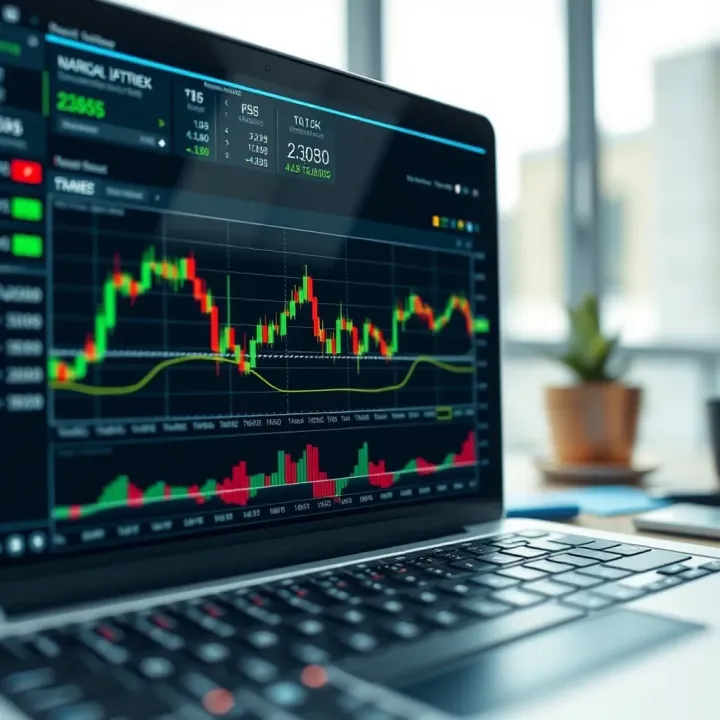
Best Forex Trading Platforms in Nigeria: A Simple Guide
🔍 Discover how to pick the best forex trading platform in Nigeria with tips on local rules, payment methods, and tools that match your trading style. 💹
Edited By
Emily Clarke
Getting started with forex trading in Nigeria demands more than just knowledge of the markets — picking the right trading platform is vital. The trading platform you choose affects everything from transaction speed, security, costs, to your overall trading experience. With many options available, it can be tricky to decide which one suits your unique needs.
Several factors should influence your choice. First, regulation status matters; platforms registered with trusted bodies like the Securities and Exchange Commission (SEC) Nigeria or recognised international regulators offer more protection against fraud. Then, consider payment options. Popular platforms enabling seamless deposits and withdrawals in ₦ through channels like bank transfer, USSD codes, or local fintech services such as Paystack and Flutterwave, make trading smoother for Nigerians.
Security features also play a key role. Look for platforms with two-factor authentication and encryption standards that protect your data and funds. Sometimes, swift customer support can save you from losing money during volatile market periods.
Costs vary widely. While some platforms boast zero commissions, they may compensate through wider spreads or hidden fees. Others charge clear transaction or withdrawal fees. Assessing these details upfront helps prevent unpleasant surprises.
User experience cannot be overlooked. A cluttered, confusing interface can lead to costly errors. Platforms like MetaTrader 4 and 5 remain popular for their balanced simplicity and advanced functions. Mobile app availability is another plus, especially for traders on the go in busy cities like Lagos or Abuja.
Choosing a platform that aligns with your needs, trading style, and budget strengthens your chance for success. Don't rush — weigh what matters most to you before making a decision.
This article will unpack top forex trading platforms relevant to Nigerian traders. We'll cover features, security, fees, and practical points to help you make an informed choice. Whether you’re a newbie or seasoned investor, understanding these aspects helps you take control of your forex journey with confidence.
Choosing the right forex trading platform is vital, especially for Nigerian traders who face unique challenges like naira volatility and local payment restrictions. The key factors to weigh ensure not just convenience but also safety and profitability. Let's break down the most practical elements Nigerian traders should focus on.
Regulatory oversight safeguards traders from scams and unfair practices. For Nigerian traders, platforms licensed by reputable bodies such as the Financial Conduct Authority (FCA) of the UK or Australian Securities and Investments Commission (ASIC) offer a layer of protection. This compliance means the platform follows strict rules on client fund segregation, transparency, and dispute resolution.
A solid forex platform deploys strong encryption to protect sensitive personal and financial data. Features like two-factor authentication (2FA) help guard accounts from unauthorised access. Given incidents of cyberattacks globally, Nigerian traders should pick platforms where account safety is taken seriously.
Besides FCA and ASIC, American Commodity Futures Trading Commission (CFTC) and Cyprus Securities and Exchange Commission (CySEC) are other top regulators. Nigerian brokers should also be registered with the Securities and Exchange Commission (SEC) Nigeria. A regulated platform inspires confidence and ensures recourse options if things go sideways.
An intuitive interface reduces errors and speeds up executing trades, vital for traders who react to swift market moves. Nigerian traders new to forex benefit from platforms with clear dashboards, uncomplicated menus, and quick access to account summaries.
Robust charting capabilities and technical indicators allow traders to make informed decisions. Trading platforms like MetaTrader 4 or cTrader include tools for drawing trend lines, Fibonacci retracements, and other popular analysis techniques. Without these, you risk flying blind in the forex market.
Since many Nigerians rely heavily on smartphones due to unreliable desktops or laptops, mobile apps are essential. A functional app lets traders place orders, monitor positions, and receive alerts anywhere—even on Lagos danfo riding or in a mama put queue!
Low spreads and commissions mean keeping more of your trading profits. Some brokers target Nigerian traders with fixed spreads to handle naira fluctuations. Swap rates or overnight fees depend on the currency pairs and whether you hold positions past daily cut-off times. Understanding these fees prevents unpleasant surprises.
Costs for moving money in and out affect trading affordability. Platforms that partner with local Nigerian banks or support USSD transfers and e-wallets like OPay reduce fees and speed up fund access. Watch out for hidden charges on withdrawals, especially when converting from dollars or euros back to naira.
Bank transfers through GTBank, Access Bank, or UBA remain popular. Meanwhile, USSD codes provide a quick way to fund accounts without internet access. E-wallets and fintech platforms such as Paystack or Flutterwave also ease deposits. Platforms lacking local funding options might cause delays or extra charges.
Smooth withdrawal is non-negotiable. Nigerian banks now support faster payments, but some platforms impose strict KYC (Know Your Customer) checks. Confirm their withdrawal turnaround times and if they support naira accounts directly to avoid costly currency conversions or hold-ups.
Always prioritise platforms that blend global standards with Nigerian realities to trade confidently, protect your funds, and handle your naira smoothly.
Selecting a trading platform is not just about features or flashy tools. It’s about building trust, ease of use, and cost-effectiveness tailored to what Nigerian traders face daily. These factors guide you towards an option that matches your trading style and financial goals.
Knowing the popular forex trading platforms Nigerians trust helps you pick the best fit faster. These platforms combine features, ease of use, and localised payment options that suit Nigerian traders’ needs. From beginners to seasoned investors, understanding these platforms’ strengths gives you an edge in choosing your go-to trading environment.

MetaTrader 4 remains a heavyweight in forex trading worldwide, including Nigeria. It's popular because of its reliable performance and user-friendly design, allowing traders to execute orders quickly and efficiently. Many brokers offer MT4 because it supports automated trading through Expert Advisors (EAs), making it attractive to both newbies and seasoned traders. Its vast community means loads of tutorials and custom tools are available online.
MT4 supports multiple devices, including Windows, Android, and iOS, so you can trade on the go, whether you are on your laptop or your mobile. Customisation is another selling point — traders can personalise chart layouts, install indicators, and tweak EAs. This flexibility means you can tailor the platform to your trading style without much fuss.
MT5 is often seen as the next step after MT4, offering more features and better speed. Unlike MT4, MT5 supports trading not only in forex but also stocks and commodities. Its improved execution speed and extended order types provide more choices for traders who want to experiment beyond currency pairs. Plus, its economic calendar built-in helps traders keep up with market-moving events without hopping between different sites.
MT5 includes advanced charting tools, more timeframes (21 compared to MT4's 9), and an expanded set of technical indicators. This makes it ideal for those who prefer deeper analysis. The platform also supports an integrated messaging system and fundamental data, giving traders a fuller picture to make informed decisions, especially useful for long-term investors.
cTrader caters to traders who want more control over their orders. It offers advanced order types like stop limit and market range orders, which MT4 and MT5 don’t provide out-of-the-box. Its clean and modern interface arranges tools logically, helping traders avoid clutter. For day traders and scalpers, the fast execution engine built into cTrader is a must-have, reducing slippage during volatile market movements.
cTrader comes with built-in tools to help manage risk effectively. Features like trailing stop-loss and guaranteed stop-loss keep your positions protected even when markets move unexpectedly. Additionally, cTrader offers depth of market (DOM) data, letting traders see available liquidity, which is particularly useful in fast-paced Nigerian markets where sharp price moves can occur.
Some Nigerian brokers develop their own platforms to meet local needs better. For instance, platforms like those from FXTM Nigeria and PalmPay feature simplified user interfaces tailored to Nigerian traders. These platforms often come with integrated educational tools, allowing beginners to learn without leaving the platform. Some add value through local market updates and tailored charting options.
A key advantage of proprietary platforms is seamless payment options. Nigerian traders can fund and withdraw directly using bank transfers, USSD codes, or popular e-wallets without currency conversion delays or high fees. Integration with local banks like GTBank and Access Bank speeds up transactions, improving cash flow for active traders. This local payment ease is often missing in global platforms, making proprietary options quite attractive.
Choosing a platform aligns with your trading aims and practical needs. Popular platforms like MT4 or cTrader offer versatility, while local proprietary platforms ensure easier payment and localised support.
Choosing a forex trading platform that fits your trading style is key to success. Different traders have varying needs — what works well for someone day trading may not suit a long-term investor. Evaluating platforms based on how you trade helps avoid frustration and improves your chances of making profitable decisions.
Simple Interfaces and Educational Resources
For beginners, a straightforward interface reduces the learning curve. Platforms with clutter-free layouts and clear menus make it easier to navigate trades and manage accounts. Educational materials like tutorials, videos, and articles also bolster your understanding. For instance, platforms such as MetaTrader 4 offer beginner-friendly designs plus access to beginner guides.
Demo Accounts Availability
Demo accounts let you trade using virtual money without risking your capital. This feature is vital for novices to practice strategies and get used to market behaviour. A good platform provides an unlimited demo option with real-time market data, so you can simulate actual trading conditions. You will avoid costly mistakes and build confidence before moving to live trading.
Speed of Execution
Day traders and scalpers rely heavily on how quickly orders execute. Platforms with low latency minimise delays, ensuring trades respond immediately to market moves. For example, cTrader is praised among Nigerian scalpers for its fast execution and minimal slippage, letting traders seize profit opportunities promptly.
Advanced Charting and Indicators
Access to sophisticated charting tools and technical indicators helps active traders spot short-term trends. Features such as multiple timeframes, real-time updates, and customisable indicators make analysis more precise. Traders using MetaTrader 5 benefit from a rich library of indicators tailored to rapid trading styles.
Portfolio Management Tools
Long-term investors focus on managing diverse assets over months or years. Platforms that offer portfolio tracking, asset allocation analysis, and detailed report generation help users keep a clear picture of their investments. These tools aid in making balanced, data-driven decisions without constant monitoring.
Automated Trading Options
Automation is a practical choice for long-term traders who prefer less hands-on engagement. Platforms supporting Expert Advisors (EAs) or trading bots enable programmed strategies to run continuously. This reduces emotional interference and ensures consistent adherence to investment plans. For instance, some Nigerian-focused brokers integrate automated trading features tailored to local market conditions.
Selecting a platform aligned with how you trade not only enhances efficiency but also builds your confidence to stick with a strategy through changing market conditions.
In summary, knowing your trading style is the first step. Then, prioritise platform features like interface simplicity, execution speed, and automation accordingly. This approach avoids one-size-fits-all mistakes and sets the stage for smoother, more successful forex trading in Nigeria.
Forex trading in Nigeria comes with its unique set of challenges that traders must understand before diving in. These hurdles range from dealing with fraudulent brokers and the unpredictable Nigeria naira, to technical issues stemming from infrastructure limits. Awareness of these difficulties helps traders safeguard their investments and make better choices when selecting a forex platform.
Forex scams have been a recurring problem for Nigerian traders, especially those new to the market. Common warning signs include brokers promising guaranteed profits, offering unrealistically high returns, or pressuring for quick deposits without clear terms. If a platform lacks transparency on fees or refuses to provide verifiable regulatory information, it's a big red flag. For example, some unlicensed operators often avoid proper documentation of trades or delay withdrawals to discourage withdrawals.
Trading with brokers regulated by bodies like the Nigerian Securities and Exchange Commission (SEC) or internationally recognised authorities provides a layer of protection. Licensed brokers comply with rules that protect your funds, ensure fair trading practices, and reduce the chances of fraudulent activity. Choosing such a broker means your deposits are typically held in segregated accounts, which keeps your funds separate from the broker's operating capital. This reduces risk if the broker faces financial trouble.
Naira volatility directly affects forex trading costs and potential profits. For instance, when the naira weakens against the US dollar, Nigerian traders find it more expensive to fund dollar-denominated accounts. Hedging strategies, such as diversifying currency pairs or using options where available, can help manage this risk. Traders should also monitor the Central Bank of Nigeria's (CBN) policies and foreign exchange market trends to time their funding and withdrawals better.
Some forex platforms offer naira-denominated accounts or allow direct funding through Nigerian banks. This simplifies deposits and withdrawals, eliminating the need for currency conversion that can come with high charges or unfavourable rates. Platforms linked with local payment options like USSD codes or mobile banking apps (e.g., GTBank's 737 code) make trading more accessible and reduce delays in transaction processing.
Unstable power supply and intermittent internet connections remain hurdles for many Nigerian traders. A power outage during a trade can lead to missed opportunities or forced market exits. Likewise, poor internet speed disrupts timely execution of orders, which is crucial for day traders and scalpers.
To mitigate these challenges, some platforms provide offline modes or desktop applications that can resume trading once connectivity returns. Using mobile data as a backup or investing in power banks and inverters can also help maintain consistent access. Moreover, timely updates and customer support responsiveness are worth checking when choosing a platform, as they make recovery from technical disruptions smoother.
For Nigerian traders, understanding these challenges is not just practical but necessary. It helps avoid costly mistakes, ensures smoother trading experiences, and builds long-term success in the forex market.
Getting started with a forex trading platform in Nigeria involves specific steps that ensure your trading experience is secure and efficient. These steps help you meet regulatory requirements, fund your account smoothly, and place trades effectively. Each stage plays a critical role in safeguarding your funds and maximising your chances of success in the market.
The Bank Verification Number (BVN) and National Identification Number (NIN) have become essential in validating a trader’s identity on Nigerian platforms. Brokers require these identifiers to comply with anti-money laundering laws and to enhance security. For example, when you submit your BVN during registration, it links your bank accounts to prevent fraud and ensure seamless deposit or withdrawal.
The NIN similarly acts as a government-issued proof of identity. Platforms often demand it alongside BVN to verify your Nigerian residency. This step is not just a formality but prevents unauthorised accounts and improves your credibility in the eyes of brokers and regulators.
Beyond BVN and NIN, traders are usually asked to upload clear copies of identification documents such as a valid international passport, driver’s licence, or national identity card. Proof of address like a recent utility bill or bank statement is also mandatory. These documents confirm your identity and residence, helping platforms meet regulatory guidelines from bodies like the Securities and Exchange Commission (SEC) Nigeria.
Uploading documents is straightforward but must be done carefully. Ensuring all details are legible and current can avoid delays in account approval. A quick check on file format and size before submission often saves time.
Nigerian traders benefit from diverse payment options when funding their forex accounts. Local banks support direct transfers, so you can fund your trading account easily using mobile banking apps from GTBank, Access Bank, or Zenith Bank. USSD codes also come in handy, especially where internet access is unstable, allowing deposits through simple commands like *389#.
E-wallets such as OPay, PalmPay, and Flutterwave further widen your options. They offer quick deposits without the need to visit a bank or ATM. These channels not only provide convenience but sometimes attract lower charges, boosting your trading capital.
Minimum deposit requirements usually start from as low as ₦5,000, suiting beginners who want to test the waters without risking large sums. However, some platforms may require ₦20,000 or more for premium accounts offering enhanced features.
Understanding the minimum deposit is vital because it sets your starting capital. For example, if a reputable broker requires ₦50,000 minimum, ensure your trading plan aligns with this figure. Depositing just below the minimum can delay account activation.
Selecting the right currency pairs is crucial, especially for Nigerian traders often focused on pairs involving the US dollar (USD), euro (EUR), and Nigerian naira (NGN). Popular pairs like USD/NGN or EUR/USD typically offer higher liquidity and tighter spreads, which means better pricing and execution.
It's wise to start with major pairs before exploring exotic or cross pairs with wider spreads and higher volatility. Evaluating the news and economic indicators influencing these currencies helps you make informed decisions on when to enter or exit trades.
To manage risk effectively, setting stop-loss and take-profit orders must be standard practice for every trader. A stop-loss automatically closes your position at a price level to limit losses if the market moves against you. Conversely, a take-profit locks in gains once your target price is reached.
For instance, if you buy USD/NGN at ₦460 and expect it to rise to ₦470, you might place a take-profit order at ₦470 and a stop-loss at ₦455 to cap potential losses. These tools protect your capital, especially given the naira’s volatility, and help keep emotions in check.
Taking time to follow these steps carefully sets a strong foundation for your forex trading journey, reducing risks and increasing your confidence as you navigate the market from Nigeria.
🔍 Discover how to pick the best forex trading platform in Nigeria with tips on local rules, payment methods, and tools that match your trading style. 💹
Explore top forex trading platforms for Nigerians 🇳🇬, learn local payment options, regulations, and handy tips to trade smartly and secure your ₦ profits safely 📈💱
📊 New to forex trading in Nigeria? Discover key tips, compare top platforms, and learn must-have features to trade safely and confidently starting today! 🇳🇬
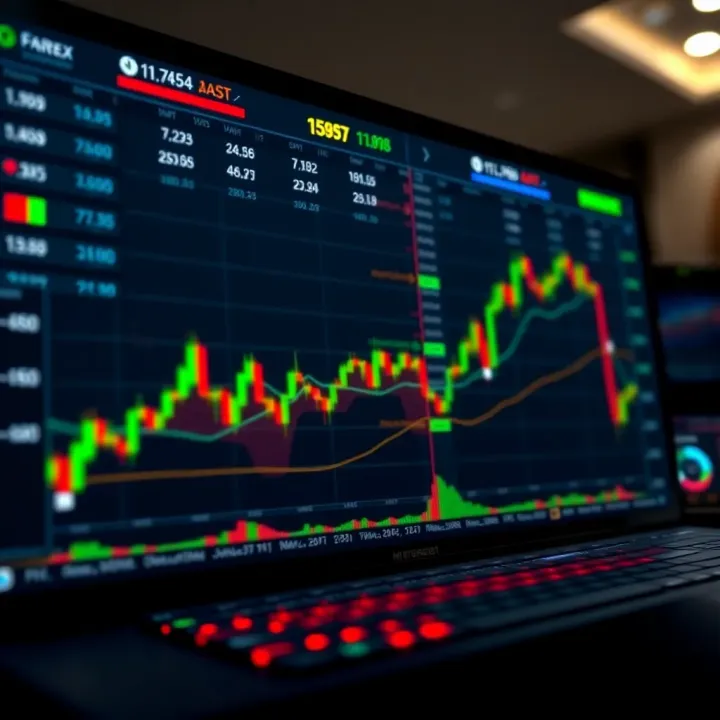
Discover top forex trading platforms for Nigerian traders 🇳🇬 Explore features, costs, and security tips to pick the right platform that matches your needs 📊
Based on 5 reviews