
Best Times for Forex Trading in Nigeria
📈 Discover the best times to trade forex in Nigeria! Learn how market sessions, overlaps, and economic events impact currency moves for smarter decisions.
Edited By
Isabella Hughes
Forex trading lets Nigerians take part in the international currency market, but many find it tricky to start without the right guidance. The market is huge, running 24/5, with trillions of dollars exchanged daily, but entering requires more than just opening an account. It demands understanding forex basics, recognising local challenges, and having a clear plan.
In Nigeria, forex trading has gained popularity as a side hustle or full-time income source. However, the Nigerian context brings specific concerns: unstable naira exchange rates, limited access to international banks, bouts of internet downtime, and the risk of unscrupulous brokers. These factors mean you must approach forex trading carefully and armed with practical knowledge.
This guide breaks down what you need to start trading forex effectively in Nigeria. You will get clear steps on understanding currency pairs, selecting legitimate brokers, opening trading accounts in naira or dollars, and applying good risk management.
Forex trading is accessible but not a get-rich-quick scheme. Success depends on patience, discipline, and continuous learning.
To begin, you should familiarise yourself with terms like pips, lots, leverage, and margin. Knowing how global events affect currency prices is also crucial because naira’s position often depends on oil prices, government policies, and foreign investment flows.
The journey starts with choosing a reputable broker. Look for firms regulated by recognised bodies and those offering Nigerian clients easy deposits and withdrawals through local payment options. For example, brokers partnered with Nigerian banks or fintech platforms such as Paystack or Flutterwave simplify transactions.
Once your account is ready, practising on demo platforms can sharpen your skills without risking real money. Many Nigerians benefit from taking demo trades for weeks until they feel confident to move to live accounts.
Keep in mind, forex trading involves real risk. Using stop-loss orders, limiting leverage, and not risking more than you can afford to lose are principles you must observe. Traders who ignore this often jeopardise their capital seriously.
Overall, starting forex trading in Nigeria means blending global market knowledge with local realities. This practical guide will walk you through the essentials, helping you trade responsibly and increase your chances of steady returns.
Understanding forex trading is the foundation before stepping into this fast-moving market. It matters because the forex market isn’t just another investment avenue; it’s a global hub where currencies are bought and sold every second. Without grasping the basics, many traders jump in recklessly, risking their hard-earned ₦. This section shapes how you approach forex trading with clear insight.
Currency exchange refers to swapping one country’s currency for another. For example, exchanging ₦500,000 for US dollars or euros. This is practical because Nigeria imports many goods and services priced in foreign currencies. Traders speculate on the rising or falling values of currencies to make profits. So, if you expect the dollar to strengthen against the naira, you buy dollars and sell them when the price rises.
The forex market operates 24 hours a day across different financial centres worldwide—from London and New York to Tokyo and Sydney. This continuous trading allows Nigerians to participate anytime, whether during Nigerian trading hours or late at night. The market is highly liquid, meaning trades happen fast, with millions of dollars changing hands regularly, which enables quick buying and selling without waiting.
Currencies are traded in pairs because you’re exchanging one currency against another. For example, USD/NGN shows how many naira you’ll get for one US dollar. Major pairs like EUR/USD, GBP/USD are popular worldwide, but here in Nigeria, pairs involving the naira (USD/NGN, GBP/NGN) are especially important. Understanding these pairs helps traders focus on markets they know well, predicting movements based on economic conditions of the countries involved.
Forex trading promises returns that local investments often can’t match, especially given Nigeria’s unpredictable stock market and challenges like inflation. While investing ₦100,000 in shares might take years to pay off, active forex trading offers the chance to grow funds daily or weekly. Of course, higher profit potential comes with risk, so learning and discipline are essential.
Most Nigerians have access to smartphones and data plans, even in smaller towns. Apps from platforms like MetaTrader or brokers accessible in Nigeria bring the global forex market to your fingertips. Unlike traditional markets needing physical presence or paperwork, forex trading can start from your phone, anytime you have internet. This accessibility has opened forex trading to students, young professionals, and side hustlers.
Unlike the Nigerian Stock Exchange, which operates limited hours, the forex market runs nonstop from Sunday evening to Friday night WAT (West Africa Time). This means you can trade early in the morning before work, during lunch breaks, or late at night after your daily chores. This flexibility suits Nigerians juggling multiple jobs or studies, allowing them to integrate trading without disrupting their daily routines.
Forex trading in Nigeria fits into a unique space where the global stage meets local realities — offering opportunities that are both broad and practical if handled wisely.
Before stepping into forex trading, preparation is key. For Nigerians, understanding the market basics, financial readiness, and practical strategies improves the chance that trading will be profitable and less stressful. Unlike quick wealth promises, effective forex trading demands solid groundwork, especially given local challenges like naira volatility and fluctuating internet access.
Understanding leverage, pip, and lot size: Leverage lets you control a bigger trade than your actual deposit. For example, with 1:100 leverage, ₦10,000 can control ₦1,000,000 worth of currency. While this can multiply profits, it also raises risks significantly. Pip stands for "percentage in point"—the smallest price move a currency pair can make. Knowing how many pips your trade gains or loses helps you measure profit or loss precisely. Lot size refers to the volume of the currency you trade. Standard lots are 100,000 units, but many Nigerian traders start with mini or micro lots to reduce exposure.
Technical and fundamental analysis basics: Technical analysis looks at past price charts to predict future movements using tools like moving averages or RSI (Relative Strength Index). Many Nigerian traders rely on these for timing trades. Fundamental analysis examines economic indicators such as Nigeria's inflation rate or US Federal Reserve decisions, which affect currency values. Combining both methods allows you to decide the best entry and exit points.
Popular trading strategies used by Nigerians: Scalping and swing trading are common. Scalping involves quick trades to make small profits repeatedly within minutes or hours, suitable for those who can watch the market often. Swing trading aims to capture gains over days by analysing bigger trends, which fits Nigerians juggling forex alongside jobs or studies. Some also use news-trading, reacting swiftly to economic announcements.
Deciding how much to invest: Your initial investment should reflect your comfort with potential loss. Starting with ₦20,000 or ₦50,000 is common among beginners in Nigeria, allowing room to learn without risking too much. You don’t need large sums immediately; growing small amounts gradually is wiser.
Importance of only using disposable income: Don’t trade with rent money or funds for essentials. Disposable income means cash you can afford to lose without disrupting daily life. Given forex's volatility, it’s risky to involve money earmarked for school fees, bills, or feeding the family. Sticking to disposable funds lowers stress and emotional trading.
Budgeting for trading expenses and potential losses: Besides the initial deposit, consider subscription fees for signal services, costs of data for stable internet, and possible commissions. Factor in losses too, which are inevitable. Setting a monthly budget for these helps prevent unexpected financial strain, especially during ember months when expenses already rise.
Entering forex trading without proper preparation is like boarding an okada at night without a helmet – risky and avoidable. Preparation sets the foundation for smarter, more controlled trading decisions.
Taking time to learn and plan financially can save you from impulsive mistakes others often make. Proper preparation equips you to join Nigeria’s growing forex community with confidence.
Selecting the right forex broker is a critical step for Nigerian traders. Your broker acts as the bridge between you and the global forex market, and their reliability affects your trading experience, costs, and security. In this part, we’ll break down key points to consider so your money and efforts don’t go to waste.
Regulation ensures that the broker operates within legal and financial standards set by watchdog authorities. For Nigerian traders, confirming that your broker is licensed by recognised bodies like the Financial Conduct Authority (FCA) in the UK or the Cyprus Securities and Exchange Commission (CySEC) is a practical safety net. These regulators enforce rules that protect your funds and mandate fair trading practices.
Be wary of brokers without clear licensing; unregulated platforms have been linked to scams and withdrawal issues. Even some brokers claiming local Nigerian presence might lack proper CBN approval, increasing the risk of fraudulent schemes. Always ask for licence details and verify via the regulators’ official websites before opening an account.
Different brokers have varied ways to charge for trades. Some offer tight spreads (difference between buy and sell price), which benefits active traders by lowering trading costs. However, low spreads might come with commissions or hidden fees.
For example, a broker charging a 1-pip spread but a ₦500 commission per trade might end up more costly than another offering a 2-pip spread with no commission. As a Nigerian trader working with limited capital, choose brokers whose fee structures fit your trading style and budget. Transparent brokers openly display their fees on their site or platform.
A user-friendly platform matters a lot. Platforms like MetaTrader 4 (MT4) or MetaTrader 5 (MT5) are common and trusted, offering tools for analysis and smooth order execution. Mobile compatibility is especially crucial in Nigeria where many traders depend on smartphones.
Try demo accounts first to judge if the platform is intuitive and reliable. Slow execution, lag, or frequent downtime can cost real money. A well-designed platform not only simplifies trades but also supports better decision-making with technical indicators and real-time data.
Local brokers may offer naira accounts and payment methods familiar to Nigerians. However, they often lack strict regulation and might provide limited trading instruments. International brokers, on the other hand, tend to have broader market access, stronger regulatory backing, and advanced trading technology.
While local brokers can be convenient for deposits and withdrawals in naira, international brokers like XM or FXTM are popular choices because they merge global reach with efficient Nigerian payment options.
Ease of funding your account and withdrawing profits is a practical concern. Brokers accepting bank transfers, debit cards, and popular Nigerian payment services such as Quickteller, Opay, or even USSD-based payments make trading smoother.
Some international brokers also accept payments via Paystack or Flutterwave, platforms well-known in Nigeria for secure and fast transactions. Avoid brokers with complicated or expensive withdrawal processes that might eat into your profits.
Strong customer service can save you headaches, especially for beginners. Look for brokers with responsive support via phone, live chat, or WhatsApp. Nigerian traders benefit when support is available during local business hours.
Good brokers invest in education—offering webinars, tutorials, and guides tailored to Nigerian traders’ needs. This boosts your learning curve and confidence. For example, brokers like FXTM provide resources explaining forex terms using relatable examples, helping traders navigate the market with less guesswork.
Choosing a reliable forex broker tailored to Nigerian needs can be the difference between a rewarding experience and losing money to scams or frustrating platforms. Take time to vet your broker carefully before committing funds.
Opening your forex trading account and making your first move in the market are fundamental steps that bridge the gap between learning and actual participation. This phase sets the tone for your trading journey, turning theoretical knowledge into action. For Nigerian traders, knowing how to navigate registration, verification, account funding, and initial trades is critical to avoid common pitfalls and secure smooth operations.
Broker platforms require documents for Know Your Customer (KYC) processes to verify your identity. Typically, you'll submit a valid government-issued ID like your National Identity Number (NIN), international passport, or driver’s licence. Proof of address, such as a recent utility bill or bank statement no older than three months, is also necessary. These steps protect both you and the broker from fraudulent activities and conform to global financial regulations.
Account types vary, usually including standard, mini, and sometimes micro accounts. Standard accounts allow higher volumes but require more capital upfront. Mini and micro accounts are suitable for beginners with smaller funds, often permitting trades worth less than 1,000 units per lot. Choosing the right account means balancing your risk appetite against your starting capital. For example, a micro account lets you enter the forex market with as little as ₦20,000 while limiting losses.
Funding in naira needs caution to avoid hefty conversion fees or delays. Use brokers that accept local bank transfers or e-payment platforms like Paystack or Flutterwave, ensuring your deposits reflect quickly and safely. Avoid third-party payments or unknown intermediary services, which could result in frozen funds or account access issues. Always confirm deposit options directly on the broker’s site before making transactions.
Demo accounts are essential before risking real money. They simulate market conditions and let you practise placing trades without losses. For Nigerians, this means you can learn how to use various order types or test strategies while adjusting to market volatility, all without stress over losing naira. Spending several weeks on a demo account sharpens your decision-making when you finally enter the live market.
When placing orders, you’ll encounter market and limit orders. A market order executes a trade immediately at the current price, suitable for fast entries. A limit order sets your chosen price, and the trade only executes if the market reaches that level, which is great for controlling entry at preferred points. For instance, wanting to buy EUR/USD when it drops to 480 may call for a limit order.
Setting stop-loss and take-profit levels protects your capital. A stop-loss caps your loss by automatically closing a trade if the market moves against you beyond a set point. Conversely, take-profit locks in gains once the price hits your target. Suppose you buy GBP/USD at 1.5600, setting a stop-loss at 1.5500 limits your loss to 100 pips, while take-profit at 1.5700 secures your profit at 100 pips. These tools prevent emotional trading and safeguard your investment.
Taking your first trade seriously means combining proper account setup with disciplined trade execution. It’s the foundation for lasting success in forex trading within Nigeria’s unique financial landscape.
Effectively managing risks and continuously sharpening your trading skills are key steps to lasting success in forex trading. Ignoring these areas can quickly wipe out your account, especially in a market as volatile as forex. Nigerians face unique challenges such as naira fluctuations and unreliable power supply, making risk control even more essential. At the same time, refining your approach through steady learning and disciplined practice can turn trading from guesswork to a more calculated endeavour.
The forex market is known for its rapid price swings, which can be caused by anything from central bank announcements to geopolitical tensions. For instance, a sudden policy change by the Central Bank of Nigeria (CBN) on interest rates can trigger abrupt currency movements. These fluctuations can quickly erode profits or amplify losses if you're caught on the wrong side of a trade. To minimise risk, consider using stop-loss orders that automatically close your position when losses hit a certain level. This helps contain damage from unexpected surprises.
Leverage lets you control a large position with a small amount of capital, but using too much can be a double-edged sword. For example, a 100:1 leverage means ₦1,000 controls ₦100,000 in trades, magnifying both gains and losses. New Nigerian traders often fall prey to excessive leverage, chasing big returns without recognising they can lose their entire investment swiftly. It is wiser to start with low leverage and gradually adjust as experience grows. Never risk more than 1-2% of your capital on a single trade to safeguard your funds.
Unfortunately, Nigeria has seen its fair share of unregulated brokers promising unrealistic returns to lure traders. These scams prey on beginners eager to make quick money. To avoid this trap, verify that your broker is licensed by recognised regulators, such as the Financial Conduct Authority (FCA) or the Securities and Exchange Commission Nigeria (SEC). Also, steer clear of brokers who pressure you into deposits or refuse transparent communication. Genuine brokers provide clear terms, solid customer support, and reputable trading platforms.
Keeping a trading journal is a simple but powerful habit. Recording every trade's entry, exit, profit or loss, and rationale lets you spot patterns and mistakes. For example, if you notice losses tend to cluster around trading during Nigerian ember months due to market instability, you might decide to reduce activity then. Regular review helps you refine strategies and avoid repeating errors, turning your trading into a steady improvement process.
Staying updated with reliable information is vital. Platforms like Babypips, Investopedia, and Nigerian forex forums offer tutorials, webinars, and real market analyses. Joining Nigerian trading communities online also provides peer support and insights tailored to local market conditions. Engaging actively enables you to learn from others' experiences and keeps you connected to relevant trends and regulatory changes.
Forex trading is not static; what works in one market phase may fail in another. For example, a breakout strategy might fail during periods of low liquidity, common around Nigerian public holidays when trading volumes dip. Successful traders adjust their tactics according to volatility, news events, and economic indicators. Being flexible and ready to test new approaches while tracking results improves long-term profitability.
Managing risks and constantly improving your approach turn trading from a risky gamble into a more manageable and potentially profitable activity. In Nigeria's dynamic economic environment, this mindset is even more critical to survive and thrive in forex trading.
📈 Discover the best times to trade forex in Nigeria! Learn how market sessions, overlaps, and economic events impact currency moves for smarter decisions.
Master practical forex trading strategies for Nigerian traders 🇳🇬. Learn key concepts, risk tips, technical analysis, and trading psychology for steady wins 📈.
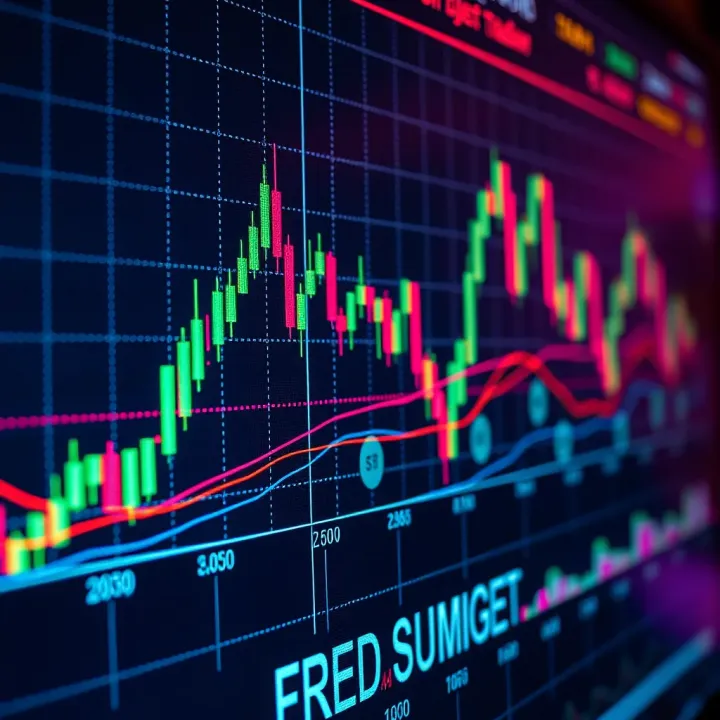
🇳🇬 Discover top forex trading tips for Nigerian traders! Learn to pick reliable brokers, manage risks smartly, and boost your profits in Nigeria's forex market.

📈 Master forex trading in Nigeria with effective strategies: trend following, range trading, breakouts & savvy risk management for steady success.
Based on 11 reviews