
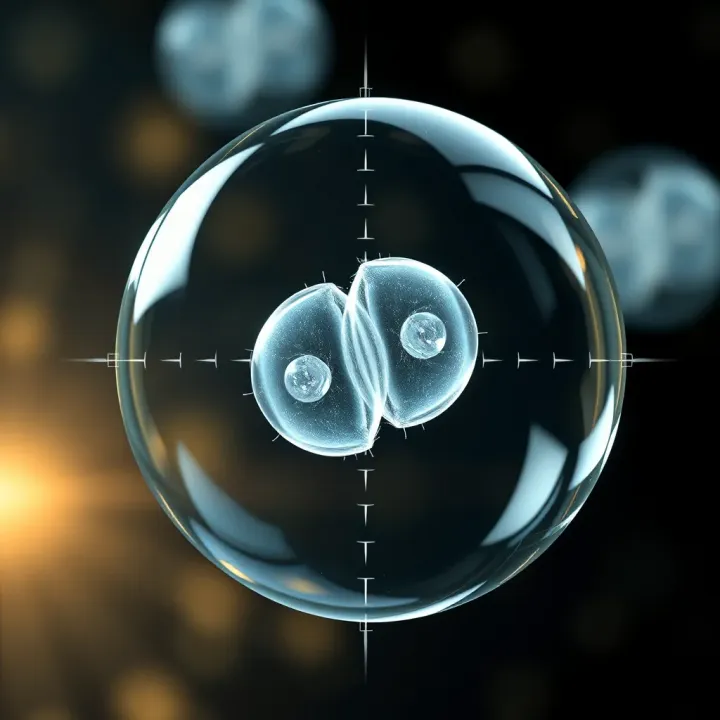
Understanding Binary Fission: How It Works
🔬Explore how binary fission enables single-celled organisms to reproduce quickly, impacting population growth, genetics, and practical applications in nature and labs.
Edited By
Thomas Reed
Binary fission is the main way many single-celled organisms reproduce, especially bacteria. Unlike sexual reproduction, this process allows cells to split into two identical copies without mating. Understanding this mechanism is key for anyone studying microbiology, healthcare, or even business sectors relying on biotech or pharmaceuticals.
At its core, binary fission involves one parent cell dividing into two daughter cells. Each new cell contains the same genetic material as the original, ensuring genetic consistency. This process is efficient and rapid, enabling bacteria to multiply swiftly under favourable conditions — sometimes doubling in number every 20 minutes.
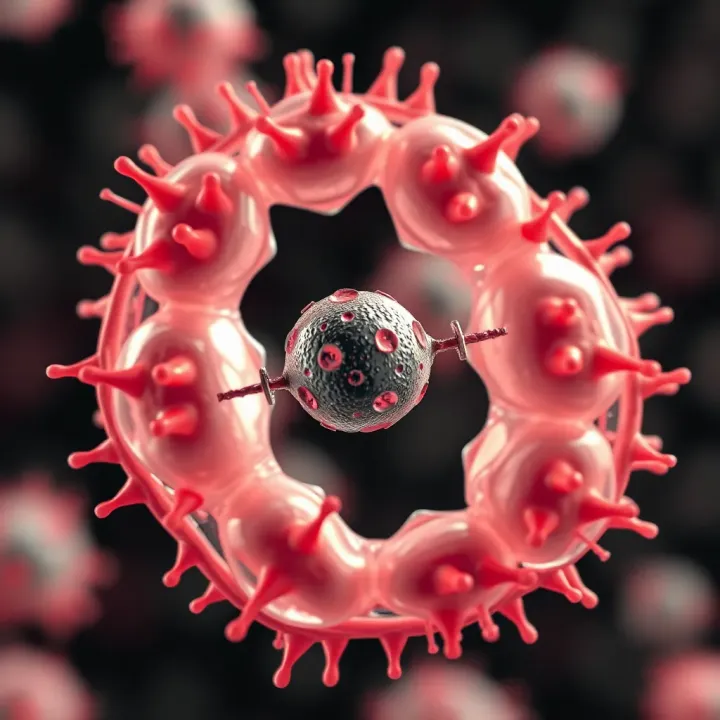
Binary fission plays a vital role not only in nature but also in industries like fermentation, biotechnology, and even infection control.
Here is a brief overview of how binary fission works at the cellular level:
DNA replication: The bacterial chromosome duplicates, so there are two copies.
Cell growth: The cell elongates to prepare for splitting.
Segregation: The two DNA copies move to opposite ends of the cell.
Division: A septum forms, dividing the cell into two genetically identical daughters.
This straightforward method contrasts with more complex reproduction in multicellular organisms. For investors or traders looking at biotech firms, recognising how efficiently microbes reproduce can hint at the scale of production processes or speed of contamination risks.
Binary fission also explains the resilience and spread of bacteria in environments such as marketplaces, water sources, or even on transport systems like danfo or okada seats if proper hygiene is ignored. It underscores the importance of sanitation and targeted antibiotics in healthcare sectors to halt unchecked bacterial growth.
Compared to other asexual methods like budding or sporulation, binary fission remains the simplest and fastest form of cell division, helping microbes adapt quickly within Nigeria's tropical climate, where warmth and moisture boost microbial activities.
In summary, binary fission is not just a biological curiosity but a vital process shaping microbial life and impacting fields from health to business logistics. Grasping its details arms you with practical knowledge applicable in sectors ranging from medicine to agriculture.
Binary fission is a fundamental biological process that allows single-celled organisms to reproduce quickly and efficiently. This form of asexual reproduction is especially important for microorganisms like bacteria, which depend on rapid multiplication for survival and adaptation in various environments. Understanding binary fission sheds light on how populations of microbes can expand swiftly, impacting everything from human health to industrial fermentation.
Binary fission is the method by which a single parent cell divides into two genetically identical daughter cells. Unlike sexual reproduction, it does not involve the fusion of gametes or exchange of genetic material. Instead, the organism makes a copy of its DNA, then splits its cell content in half to form two separate cells. This process ensures quick replication, making it easy for populations to grow exponentially under favourable conditions.
Binary fission is most common among prokaryotes, including bacteria and archaea. For instance, Escherichia coli (E. coli), a well-known bacterium found in the human gut and environment, reproduces through this process. Some single-celled eukaryotes like amoebae and certain algae also practise binary fission, although their cell structures are more complex. By relying on binary fission, these organisms maintain genetic consistency while swiftly increasing their numbers.
Binary fission allows microorganisms to adapt rapidly in response to changes in their environment. This is why diseases caused by bacteria can spread fast and why they sometimes develop resistance to treatment quickly.
This process is not just a biological curiosity; it influences agriculture, healthcare, and even finance sectors where microbial activity affects bioprocessing or biotechnology investments. Understanding how binary fission works can help investors and analysts make informed decisions about industries dependent on microbial growth or control.
In summary, binary fission is a direct and simple reproductive strategy with widespread biological and practical significance. Recognising which organisms use it and how it functions helps explain patterns of growth and survival crucial to many fields.
Understanding how binary fission happens in detail is key to grasping why it’s such an efficient method for organisms like bacteria to reproduce. Each stage in the process plays a critical role, ensuring that the genetic information is accurately copied and equally shared, which safeguards survival and adaptation.
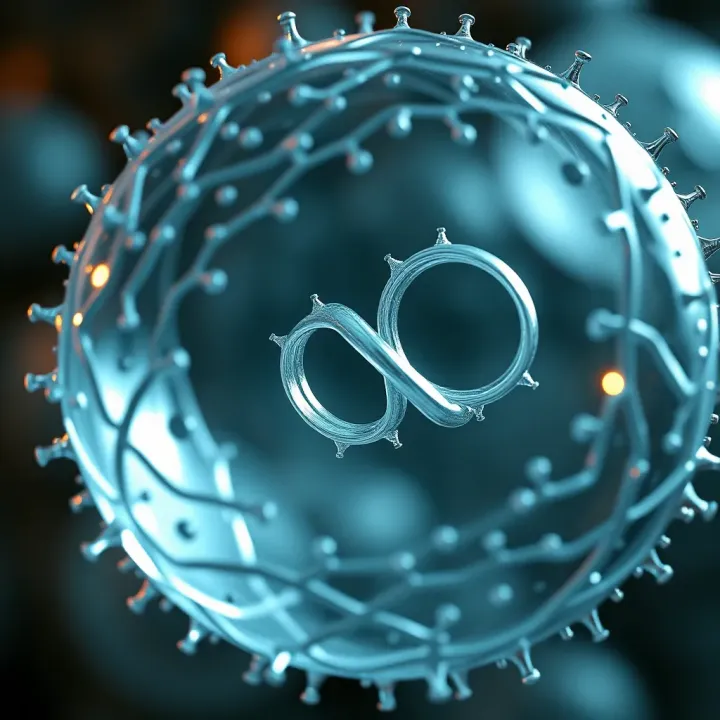
The process begins with the replication of DNA, the genetic blueprint of the organism. In bacteria such as Escherichia coli, the circular DNA molecule duplicates starting from a specific origin point. This step is crucial because without an exact copy of DNA, the new cells would lack the necessary instructions to function properly.
During replication, enzymes like DNA polymerase unwind the DNA strands and build two new complementary strands. This happens rapidly, often completing within 20–40 minutes under favourable conditions. Before division, the cell also prepares by producing additional protein and cellular components to support the upcoming separation.
Once DNA replication concludes, the two identical DNA molecules move to opposite ends of the cell. This segregation ensures each daughter cell receives a full set of genetic instructions. In prokaryotes, proteins help anchor the DNA to the cell membrane, making sure the chromosomes are pulled apart as the cell elongates.
This stage is particularly important because errors here can cause cells to lose or gain genetic material, potentially leading to malfunction. For example, in experimental settings, mutations affecting DNA segregation have been linked to bacterial growth defects.
Finally, the cell undergoes cytokinesis—the actual splitting into two. The cytoplasm divides as an inward growth of the cell membrane and wall, known as the septum, forms between the two DNA sets. This septal formation progresses until the cell eventually pinches into two separate daughter cells.
Each new cell inherits not only the replicated DNA but also sufficient cytoplasmic content and cell membrane to function independently. This rapid, efficient division supports swift population expansions, especially in favourable environments like rich nutrient broths or the human gut.
The precision in each of these steps underlines why binary fission remains the go-to reproduction method for many microorganisms, allowing them to adapt and multiply quickly without complicated mechanisms.
This clear, orderly process is not only fascinating scientifically but also relevant for investors and analysts keeping an eye on sectors such as biotechnology and pharmaceuticals, where understanding microbial growth impacts product development and market trends.
Binary fission is key to how many microorganisms reproduce swiftly and ensure their survival in various environments. This process helps certain bacteria and single-celled organisms multiply in short time frames, creating strong populations that can adapt quickly. Understanding this biological importance sheds light on why binary fission plays a critical role in fields like medicine, agriculture, and environmental science.
Binary fission enables organisms like bacteria to double their numbers every 20 minutes under optimal conditions. This rapid reproduction rate allows populations to expand fast, which can be a blessing or a challenge. For instance, Escherichia coli in the gut can grow exponentially, helping with digestion. On the flip side, harmful bacteria causing infections multiply just as quickly, escalating illnesses if untreated.
This ability to grow fast is especially beneficial for microorganisms living in fluctuating environments where resources appear suddenly. For example, after heavy rainfall in a farm field, soil bacteria use binary fission to exploit the temporary abundance of nutrients. This quick growth contributes to soil health, supporting agric production.
The survival aspect of binary fission lies in its simplicity and effectiveness. By splitting into two identical cells, each bacterium can quickly replace damaged or lost individuals. This is essential in harsh conditions where many cells might perish, but a few survive to regenerate the population.
Additionally, binary fission helps bacteria adapt by allowing mutation accumulation over successive generations. Though the offspring are clones, occasional genetic changes can lead to traits that improve survival. For instance, some bacteria develop resistance to antibiotics after multiple generations, thanks to this process.
In essence, binary fission ensures these microbes don't just exist but thrive, balancing fast population increases with adaptability to changing environments.
Through binary fission, single-celled organisms maintain their presence across diverse habitats, from the human body to water bodies and soil. This continuous cycle supports ecosystems by contributing to nutrient cycling, waste decomposition, and even as a food source for larger organisms.
Understanding this biological significance clarifies why binary fission isn't merely cell division—it is a foundational process that sustains microbial life and impacts broader natural and human systems.
Binary fission happens widely among organisms that rely on asexual reproduction to multiply swiftly. Understanding where this process naturally occurs helps clarify its role in ecosystems and practical concerns such as disease spread or environmental balance.
Bacteria stand out as the most familiar group using binary fission. For instance, Escherichia coli (E. coli), commonly found in the human gut, divides rapidly by binary fission, allowing populations to adapt quickly under different conditions. This ability supports both gut health and sometimes causes infections when harmful strains multiply uncontrollably.
Archaea, another group of single-celled organisms, also use binary fission. These microbes thrive in extreme Nigerian environments like hot springs or salty lakes. Their method of reproduction ensures survival in harsh conditions where sexual reproduction may be less efficient or impossible. For example, Halobacterium species in salty environments multiply through binary fission, maintaining balance in those ecosystems.
While binary fission mainly occurs in prokaryotes, some single-celled eukaryotes such as amoebae and certain protozoa also divide this way. Amoebae found in freshwater ponds or soil reproduce by splitting their cell into two through binary fission, enabling them to colonise areas quickly. This form of reproduction helps these organisms respond to food availability and environmental changes promptly.
In addition, some ciliates like Paramecium can reproduce asexually through binary fission, although they also have sexual stages. Their quick reproduction via binary fission contributes to their ability to thrive in water bodies, often influencing microbial food chains that sustain larger aquatic life.
Binary fission’s widespread presence in bacteria, archaea, and some eukaryotic microbes highlights its efficiency. It remains a key mechanism supporting rapid growth and survival in diverse natural settings, from our gut microbiome to extreme environments across Nigeria.
Knowing exactly where binary fission operates aids researchers, finance analysts, and traders interested in agricultural biotech or health sectors. For example, rapid bacterial multiplication impacts food production safety and pharmaceutical development. Also, understanding microbial population dynamics informs investment decisions in biotech firms focusing on infection control or bioengineering.
In summary, binary fission processes in bacteria, archaea, and some single-celled eukaryotes ensure these organisms dominate their niches. This biological strategy underpins many natural and commercial systems, emphasising its significance beyond just academic interest.
Comparing binary fission with other reproductive methods helps clarify why this simple process is efficient for certain organisms while more complex systems suit others. It sheds light on how life adapts reproduction strategies based on organism complexity and environmental demands. For traders, investors, and analysts interested in biotech or agricultural ventures, understanding these differences can inform decisions involving microbial growth or crop genetics.
Binary fission, mitosis, and meiosis are all cellular division processes but serve different purposes. Binary fission is the straightforward splitting of a prokaryotic cell, producing two identical daughter cells quickly. For example, bacteria like E. coli divide by binary fission every 20 minutes under ideal conditions, enabling rapid population expansion.
Mitosis occurs in eukaryotic cells and also results in two genetically identical daughter cells but involves multiple complex stages: prophase, metaphase, anaphase, and telophase. This process supports growth and tissue repair in plants and animals. Unlike binary fission, mitosis ensures precise chromosome alignment and segregation, making it suitable for multicellular organisms.
Meiosis, on the other hand, produces four genetically diverse daughter cells, each with half the chromosome number. This is crucial for sexual reproduction, creating gametes (sperm and egg cells) in animals and plants. Genetic variation from meiosis helps populations adapt and survive changing environments, a benefit absent in binary fission.
While binary fission is fast and simple, mitosis and meiosis introduce complexity that offers genetic stability and variation, respectively.
Binary fission's main advantage is speed. Bacteria use it to colonise environments swiftly, as seen in food spoilage where bacterial counts can double every 20-30 minutes. This explosive growth matters for industries like fermentation or wastewater treatment, where managing microbial populations is key.
Another advantage is low energy consumption. Binary fission requires fewer steps and less cellular machinery, contrasting sharply with mitosis and meiosis’s energy-intensive processes. This makes it ideal for single-celled organisms in unstable or resource-poor environments.
However, the lack of genetic variation is a significant limitation. Without reshuffling genes, populations reproducing by binary fission risk vulnerability to environmental changes or antibiotics. For instance, a single disease targeting a bacterial strain can wipe out a whole population. Random mutations do occur but at a slower, less reliable pace than sexual reproduction methods.
In practice, some bacteria use horizontal gene transfer alongside binary fission to introduce genetic updates, but this is not part of the division process itself.
In summary: Binary fission suits organisms needing rapid growth and simplicity, while mitosis and meiosis serve multicellular organisms requiring genetic stability and diversity. This comparison highlights why binary fission remains a cornerstone for understanding microbial life and its impact on various sectors, from health to agriculture.
🔬Explore how binary fission enables single-celled organisms to reproduce quickly, impacting population growth, genetics, and practical applications in nature and labs.
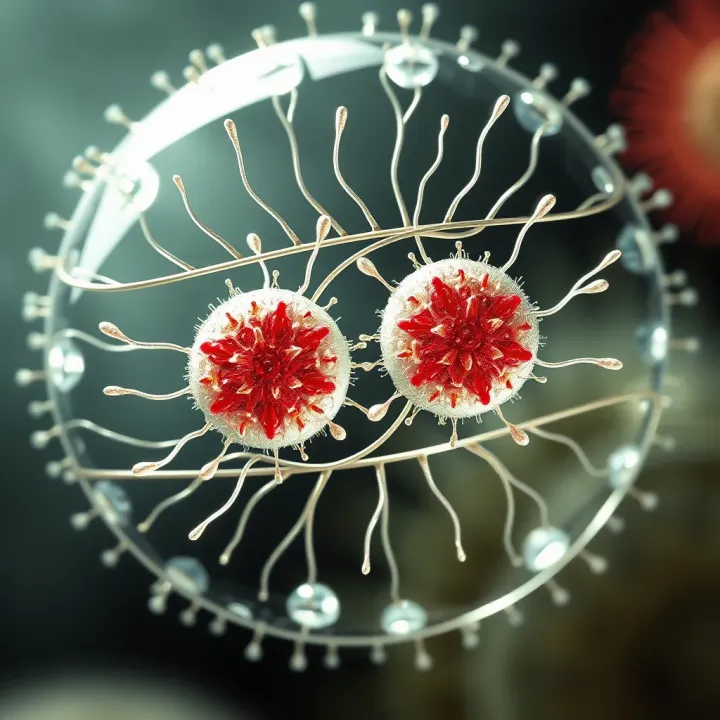
Discover how binary fission drives growth and reproduction in unicellular organisms, with clear examples that explain this simple asexual process 🔬🌱.
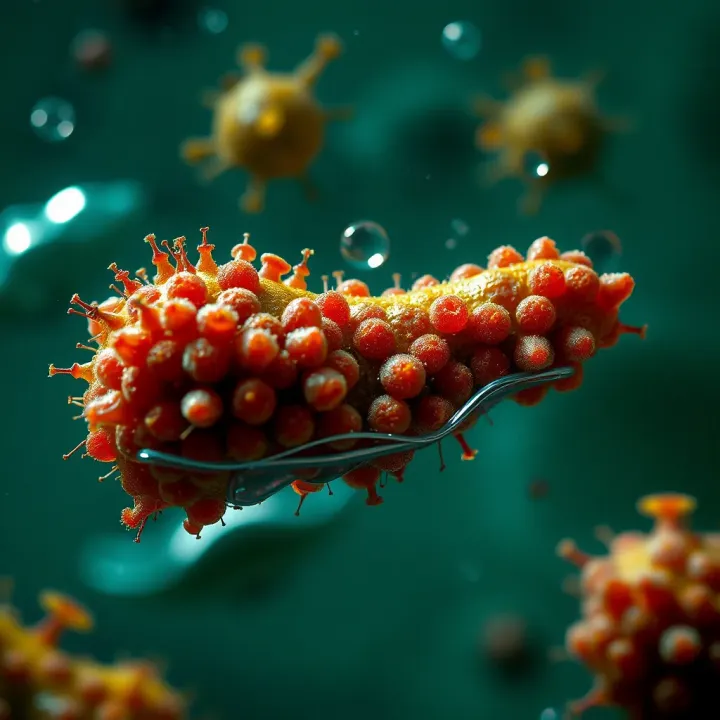
Explore how bacteria reproduce through binary fission 🔬 with clear examples, stages, and its role in biology, focusing on Nigeria's unique ecosystems 🇳🇬.

📊 Explore how computers use binary code to process, store data, perform arithmetic, and power digital electronics. A clear guide to fundamentals and uses!
Based on 15 reviews