
Understanding Forex Demo Accounts and Benefits
Discover how forex demo accounts let Nigerians practice trading without risking ₦, mimicking real markets⚖️. Learn tips to build skills before real investment.
Edited By
Lucas Bennett
Forex trading has become increasingly popular in Nigeria, attracting a growing number of retail traders aiming to tap into the global currency markets. However, many beginners jump into live trading without understanding the risks or mastering the tools. This is where forex trading demo accounts come in handy—offering a risk-free environment to practice and learn.
A forex demo account is essentially a practice trading account that replicates real market conditions but uses virtual money instead of actual funds. This means you get a realistic experience without risking your hard-earned naira. For Nigerian traders, especially those new to forex or unfamiliar with international trading platforms, demo accounts provide a safe space to sharpen skills, get familiar with charts, and test trading strategies.
Skill development: Demo accounts allow you to practise placing orders, understanding order types (like limit and stop-loss), and reading price movements without worrying about losses.
Strategy testing: Before applying any strategy to your live account, try it out in the demo setting to see how it performs under various market conditions.
Platform familiarity: Whether you're using MetaTrader 4, MetaTrader 5, or brokers like FXTM or InstaForex, the demo helps you navigate their interface effortlessly.
Building confidence: Trying trades virtually builds the trader’s confidence, reducing fear and hesitation when it’s time to trade real money.
Remember, even professional Nigerian traders keep demo accounts open alongside live accounts to practise new approaches or test platform updates.
To set up a demo account, most brokers ask for basic personal details and provide access within minutes. You’ll receive virtual funds—usually amounting to ₦1,000,000 or more equivalent in USD—to start practising. The account comes loaded with market quotes, live price feeds, and access to technical indicators.
In the Nigerian context, where the naira’s volatility and local economic factors affect trading sentiment, demo accounts afford a way to grasp global forex dynamics without exposure to sudden real losses. By practising regularly during ember months, for instance, when markets can be choppier, traders can prepare better.
Understanding these basics empowers Nigerian traders to use demo accounts effectively and make smarter transitions from practice to real-market forex trading.
A forex trading demo account lets you practise buying and selling currencies without risking real money. For Nigerian traders, this is a smart way to get familiar with forex markets and trading platforms before actually investing. Often called a "simulated" or "practice" account, it uses virtual funds but mimics real market conditions to give you hands-on experience.
Understanding demo accounts in forex trading: A demo account works like a trial version of a real forex trading account. It enables you to place trades, observe price movements, and explore trading tools without any financial risk. For example, if you want to practice how to trade USD/NGN or EUR/USD pairs, a demo account provides the chance to learn how to enter and exit trades and watch how prices react.
Why brokers offer demo accounts: Brokers provide demo accounts to attract new clients and help them understand the trading environment without pressure. It’s also a way for brokers to show off their platforms’ features, like charting tools or mobile app usability. As a Nigerian trader, you can test how a broker handles transactions and check the responsiveness of their customer support before committing real cash.
How demo accounts simulate real trading environments: While demo accounts use fake money, they replicate live market data based on real-time or slightly delayed price feeds. This means your trades reflect the true market volatility and spreads brokers offer. For instance, if there's a sudden shift in the naira's value due to a CBN policy change, your demo account price charts will react accordingly, giving you a near-real trading feel.
Beginners learning forex basics: If you’re new to forex, a demo account is the safest way to learn without fear of losing ₦. You can practise placing orders, understand concepts like leverage and margin, and get used to forex jargon. Like learning to ride an okada for the first time, you start slowly, building confidence before hitting the busy Lagos roads of live trading.
Experienced traders testing new strategies: Traders who have some experience can try new strategies on a demo account without risking real money. This allows adjustment and refinement of trading plans before actual deployment. For example, an experienced Nigerian trader can test scalping techniques or algorithms in the demo environment to see how they perform during volatile ember months.
Nigerian traders exploring different platforms without risk: Demo accounts also let you compare brokers and platforms to find the best fit. You might want to check if MT4 or MT5 suits your style better or try local brokers that offer naira funding. Since live market conditions vary, being able to freely switch and experiment on demo accounts helps you pick the platform that’s best for your trading goals.
Using a forex demo account is like practising your favourite dance routine at home before stepping onto the stage. It sharpens your skills, builds confidence, and helps you make smarter moves once you trade with real money.
Forex trading demo accounts offer Nigerian traders a valuable chance to practice without risking actual money. These accounts simulate real market conditions using virtual funds, enabling users to learn, test strategies, and understand trading platforms comfortably. Particularly given the volatility in local financial markets and the naira’s fluctuating exchange rate, demo accounts provide a safe space to build skills before committing real capital.
Virtual money in demo accounts mimics real trading funds without involving any actual naira. Traders can execute buying and selling of currency pairs just like they would in live markets, but losses or gains do not affect their wallets. This risk-free practice is essential for beginners who are still finding their feet in forex trading.
For example, a Nigerian trader experimenting with USD/NGN pair can place orders without worrying about losing real money during volatile periods. This way, you can understand how price movements, spreads, and market fluctuations work without financial pressure.
Building trading confidence is equally important. Regular use of a demo account allows you to become familiar with market timing, order execution, and managing open positions. Nigerian traders often face emotional challenges when transitioning to live trading; demo accounts reduce this shock by helping develop a calm, systematic approach.
Every broker provides a unique trading platform with different tools, charts, and interfaces. With a demo account, you get hands-on experience navigating these features before opening a live account. For instance, you learn how to read candlestick charts, place stop losses, or set take-profit levels — all critical in making informed decisions.
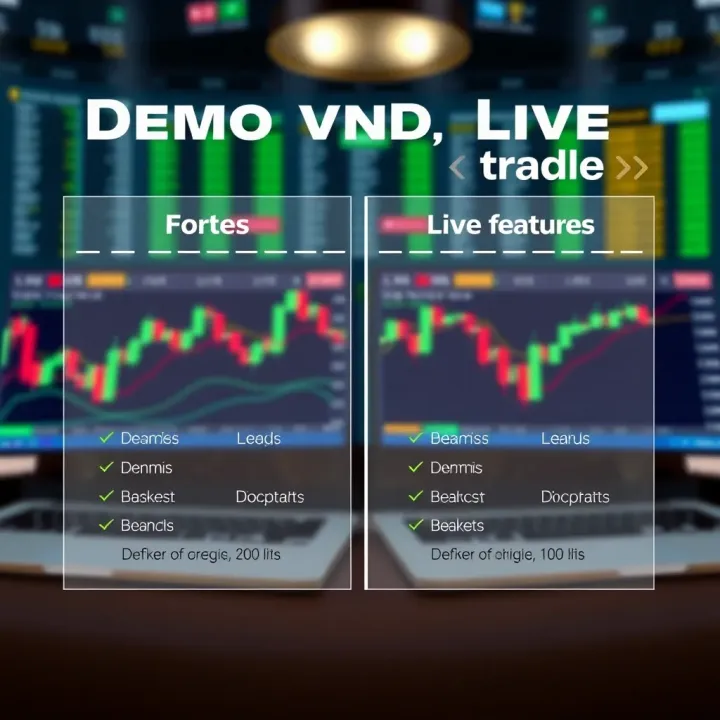
Since many Nigerian traders use mobile phones due to limited desktop access or electricity issues, demo accounts often support mobile and web versions. This flexibility allows you to practise trading during a keke ride or at a buka without stress. Familiarity with both mobile and web platforms means you’re ready to trade anytime and anywhere.
Demo accounts offer a playground for backtesting strategies safely. You can employ technical indicators or signals on past or simulated real-time data without risking forex capital. For example, trying out a breakout strategy on EUR/USD over a two-week period can reveal potential strengths and pitfalls without costing ₦.
Adjusting your trading approach under demo conditions further enhances decision-making. If a strategy leads to losses, you can tweak parameters, stop trading that way, or try alternatives — all without financial consequences. This iterative process prepares Nigerian traders well for live markets, helping avoid costly mistakes.
Engaging with a forex demo account is not just about practising trades; it builds a foundation of knowledge, platform mastery, and strategy refinement that makes the leap to live trading more grounded and less risky.
Getting a forex demo account ready is a crucial step for Nigerian traders who want to test the waters before committing real money. This part of the trading journey gives you the chance to understand the trading environment, try different strategies, and get a feel for how the market moves—all without risking your hard-earned ₦.
Picking the right broker is the foundation of your forex journey. For Nigerian traders, regulation matters significantly. A broker licensed by bodies like the Financial Services Authority (FSA) or recognised entities keeps your funds safer and ensures fair trading practices. Besides regulation, the trading platform itself is vital. Platforms like MetaTrader 4 or 5 provide user-friendly interfaces and a suite of tools suited for demo and live trading. Customer support also plays a big role—Nigerian traders often need timely help, especially during volatile market hours, so 24/7 support or active local helpdesks can bring peace of mind.
Popular brokers among Nigerian traders include those that accept Naira deposits or integrate easily with Nigerian payment channels like Paystack or Flutterwave. These brokers often offer convenient withdrawals and reasonable spreads. Examples include FXTM, HotForex, and IG Markets, known for their reliability and accessibility to Nigerian accounts.
To open a demo account, you typically need to provide basic personal details such as your full name, email address, phone number, and sometimes a valid ID like your National Identity Card or passport. Some brokers may ask for a proof of address, but many demo accounts have lighter verification than live accounts, making setup faster.
After submitting your details, the broker usually sends a verification link or code via email or SMS. Activating your demo account requires clicking this link or entering the code to confirm your identity. This step ensures your account security and prevents fake registrations. Once verified, you gain access to the demo platform with virtual funds ready for trading.
Familiarising yourself with order types is key. Most platforms offer market orders, limit orders, stop orders, and more. For instance, a market order executes immediately at the current price, while a limit order lets you specify the price you want to buy or sell. Understanding these helps you trade smarter even before using real funds.
Using charts and analytical tools effectively can make a huge difference. A good platform will offer various chart types like candlestick or line charts, plus indicators such as Moving Averages or RSI (Relative Strength Index). Practising how to adjust timeframes, add indicators, and interpret patterns on your demo account puts you ahead. For example, you might notice how the naira-dollar exchange behaves at different times of the day, which can inform your trading decisions when you switch to live accounts.
Starting your demo trading with a clear understanding of your broker's platform and tools saves time and prevents costly mistakes when you move to live trading. Practise is truly the best teacher.
Setting up your forex demo account step-by-step lets you build solid foundations. It’s not just about clicking buttons—it’s about learning the ecosystem in a practical, hands-on way tailored to Nigeria’s unique trading context.
When using a forex demo account, traders in Nigeria gain an opportunity to explore key platform features while avoiding the risk of real money loss. Understanding these common features alongside their inherent limitations helps set clear expectations and prepares traders for live trading.
Most demo accounts offer access to either real-time or slightly delayed market data. Real-time data shows live currency prices just as in a live trading account, allowing you to see current market movements and execute timely trades. Some brokers might supply delayed prices by a few seconds or even minutes to lighten server load.
For Nigerian traders, real-time data is especially useful in fast-moving markets like during major economic news releases, ensuring your practice trades reflect actual market conditions. That said, a slight delay in demo prices won’t drastically affect your learning if you primarily focus on mastering order placement and platform mechanics.
Demo accounts typically provide a broad range of currency pairs including majors like USD/NGN, EUR/USD, and GBP/USD. This variety lets traders experience different market behaviours and volatility levels. Besides forex pairs, some demo accounts allow trading commodities, indices, and cryptocurrencies, giving a more diverse practice field.
Nigerian traders who want to specialise in forex but learn about other asset classes can benefit from such features. Practising across instruments prepares you for live market conditions, especially when naira volatility makes currency spreads fluctuate.
Demo accounts replicate trading costs such as spreads — the gap between buying and selling prices. They also simulate the effects of leverage (borrowing capital from the broker to increase position size) and margin (the minimum funds needed to open trades).
For example, using 1:100 leverage means ₦10,000 controls ₦1,000,000 in trades, amplifying gains and losses. Practising with simulated leverage helps Nigerian traders see how positions can quickly turn profitable or risky, reinforcing disciplined risk management.
Trading with virtual funds removes the emotional pressure of losing real money. This psychological gap means decisions made on a demo account often differ from those in live markets. Fear, greed, or hesitation may only emerge with actual funds at stake.
For Nigerian traders, this is a common hurdle. You might execute bold strategies confidently on demo but become cautious or overreactive on live accounts. It’s vital to recognise this and work on emotional control before moving to live trading.
Some demo platforms show delayed or slightly adjusted price feeds compared to live accounts. This can affect the timing of order execution and the precision of entry or exit points.
While it rarely impacts basic learning, for scalpers or short-term traders in Nigeria, even a few seconds delay may cause significant differences in outcomes. Being aware helps set realistic expectations from demo trading.
Many brokers limit demo accounts to a few weeks or months. This encourages users to transition to live trading but can be a challenge for Nigerian beginners who need more time to build confidence.
If your demo expires, you may open new demo accounts with different brokers, but keep in mind that starting over repeatedly might slow your progress. Choosing brokers with longer demo validity periods or no expiry offers smoother learning.
Understanding what demo accounts offer and their shortfalls ensures that Nigerian traders can practise effectively while preparing mentally for real market conditions. This balance leads to better decisions when it comes to risking actual naira in forex trading.
Transitioning from a forex demo account to live trading is a significant step for Nigerian traders. While demo accounts provide a playground to practice risk-free, real money trading introduces new dimensions—especially regarding psychology, risk management, and strategy adaptation. Knowing when and how to make this shift can save you from costly mistakes and set you up for sustainable success.
Consistent profits in demo trading serve as a practical benchmark. If you have been making steady gains over several weeks or months using your demo, it shows you’ve grasped market behaviour and strategy mechanics. However, profitability alone isn't enough; consistency highlights that you can handle different market conditions and avoid luck-driven wins.
A strong understanding of risks and platform is vital. Demo accounts familiarise you with trading tools, but live trading demands awareness of additional factors like slippage, market volatility, and the effects of leverage. Knowing how to execute orders quickly, adjust stop-loss, and interpret live data ensures smoother decisions under pressure.
Emotional readiness for real money is often underestimated. Demo trading doesn’t trigger the stress or excitement that real funds do. When real naira is on the line, maintaining calm and sticking to your trading plan is crucial. Feeling nervous is normal, but panic-driven moves can wipe out gains fast, especially in volatile pairs like USD/NGN or EUR/USD.
Start live trading with small investment amounts—think of it as a stepping stone rather than a plunge. Allocate capital you can afford to lose without affecting your livelihood, perhaps ₦50,000 or less initially. This approach allows you to gain real experience while minimising financial strain.
Use stop-loss and risk management tools effectively. Setting stop-loss orders limits your downside on every trade and protects your capital from sudden market swings. Many Nigerian traders ignore this and end up losing far more than planned, especially during ember months when market volatility often spikes.
You must also be flexible by adapting strategies based on live market behaviour. Markets don’t always respond like demo versions; spreads can widen, and slippage can occur during high volatility near key economic announcements. Adjusting your approach, patiently learning from live feedback, is key to long-term growth.
Not confusing demo results with live outcomes is essential. You might have succeeded in demo due to absence of emotions and real risk. Expect that live trading includes psychological challenges and sometimes unexpected losses. Treat demo profits as preparation, not a guarantee.
Maintaining discipline and avoiding overtrading helps preserve your trading capital. Overtrading—making frequent, impulsive trades—can rapidly drain funds. Stick to your trading plan, respect your risk limits, and avoid chasing losses, common traps even for Nigerian traders trying to recover quickly.
Lastly, focus on continuing education and strategy refinement. Markets evolve, and so should your skills. Attend webinars from brokers like FXTM or access resources from Nigerian finance media. Regularly review your trades to identify mistakes and improve. This habit keeps you sharp and adaptive in the competitive FX market.
Moving from demo to live trading isn’t about bravado but careful preparation and controlled risk. Nigerian traders who respect this balance set themselves up for more sustainable success in forex.
By recognising readiness, managing risks thoughtfully, and staying disciplined post-switch, you will navigate live forex trading confidently and wisely.
Discover how forex demo accounts let Nigerians practice trading without risking ₦, mimicking real markets⚖️. Learn tips to build skills before real investment.
Learn how to open and manage forex trading accounts in Nigeria 🇳🇬. Discover types, costs, platforms, and tips to protect your ₦ investment wisely. 💹
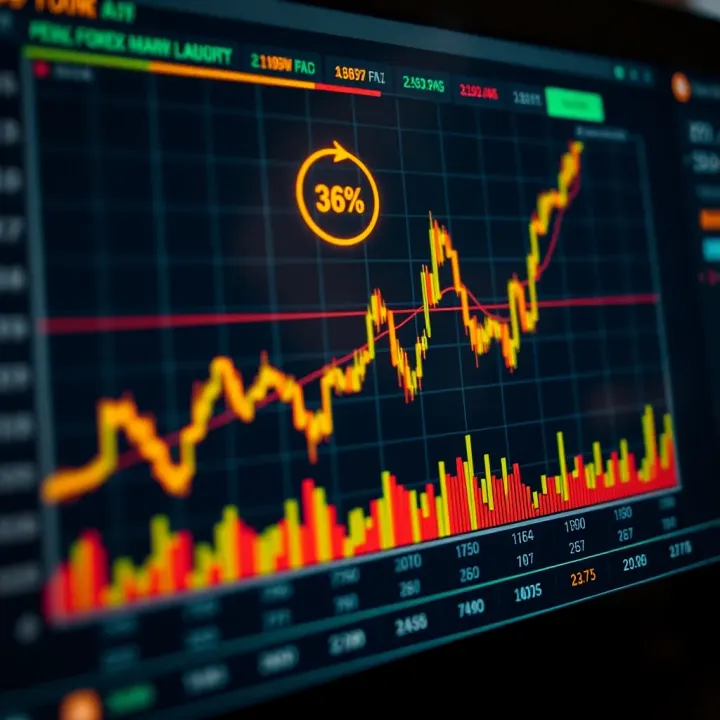
Learn when the forex market is most active for Nigerian traders ⏰, including top trading sessions and tips to boost your ₦ trading strategies effectively 📈.
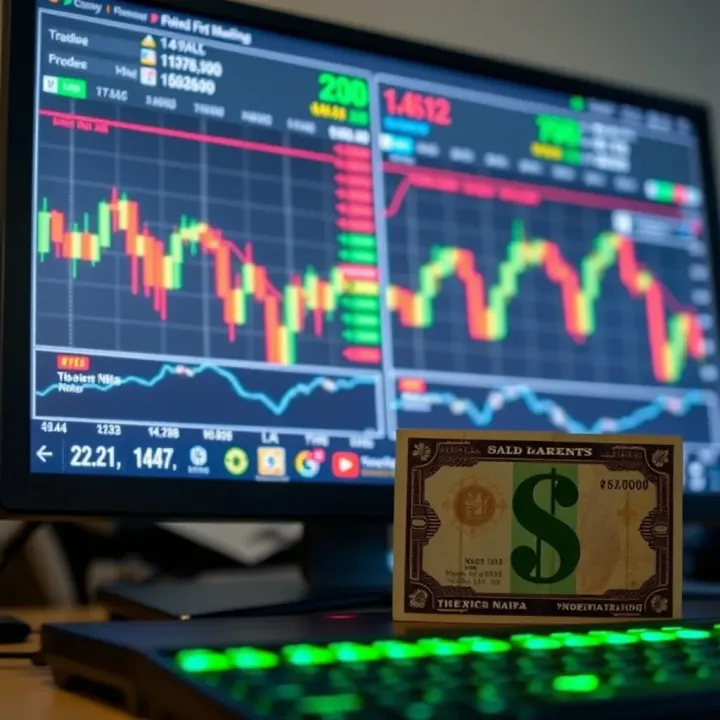
Start your forex trading journey in Nigeria with this practical guide 📈. Learn how to pick brokers, open accounts, manage risks, and trade safely in ₦ easily.
Based on 15 reviews