

Benefits of Forex Trading for Nigerian Investors
Discover how Nigerian investors can benefit from forex trading 💹 including high liquidity, easy access, and diversification 🌍 while managing risks effectively.
Edited By
Amelia Wright
Forex trading demo accounts have become a popular tool for anyone looking to understand how currency trading works before risking real money. In Nigeria, where the foreign exchange market shows great promise but carries significant risks, these demo accounts offer a practical way to learn the ropes without immediate financial exposure.
A demo account is essentially a simulation of a live forex trading platform. It replicates real market conditions, showing live currency prices and allowing users to place trades just like in the real world. The key difference is that demo trading uses virtual funds — so your ₦0 risks nothing, no matter what happens.
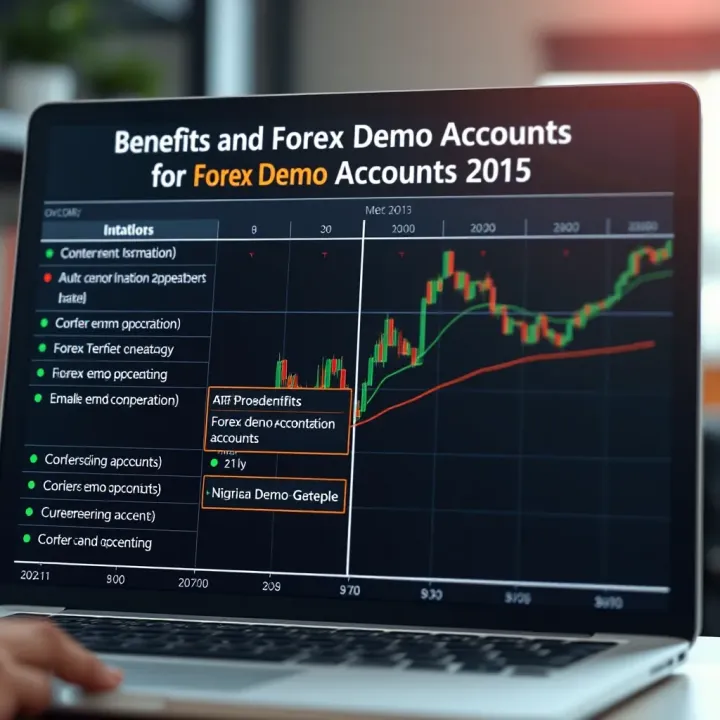
For example, if you’re interested in trading the USD/NGN pair but you’re unsure about market timing or using leverage, a demo account lets you try strategies freely. You can test how price movements affect your positions, learn what different order types mean, and practise managing risk techniques. This can be quite helpful especially in Nigeria, where exchange rates can be influenced by CBN policies, import demands, and other economic factors.
Demo accounts are not just for beginners. Even experienced traders in Lagos or Abuja often use them to test new strategies or unfamiliar markets without financial pressure.
Here are some concrete ways a demo account benefits Nigerian traders:
Risk-free learning: You can make mistakes without losing hard-earned naira.
Understanding platform tools: Get comfortable navigating popular platforms like MetaTrader 4 or 5, often used by Nigerian brokers.
Building trader discipline: Practise sticking to a trading plan without emotional influence.
Testing market reactions: See how news events, such as CBN’s monetary policy changes, affect forex prices.
While demo accounts are excellent learning tools, they do not entirely reflect real trading experiences. Factors such as market liquidity, slippage, and emotional stress of risking actual money are missing. Still, they serve a vital role in preparing for live trading.
In this article, you will find a detailed guide on how demo accounts work, their strengths and weaknesses, and the best ways Nigerians can make use of them before stepping into the real forex market with actual funds.
A forex trading demo account is a simulated platform where traders practise buying and selling currencies using virtual money, not real cash. It mimics the real foreign exchange market but without the financial risks. For Nigerians stepping into forex trading, this offers a valuable chance to learn market dynamics and develop strategies before committing actual capital.
Demo accounts replicate the trading environment of live accounts. Platforms like MetaTrader 4, MetaTrader 5, or brokers’ proprietary apps give users access to live price feeds, charting tools, and order execution features. These simulated platforms allow you to open, close, and manage trades just as if you were using real money. The key difference is that your profits or losses are virtual. This hands-on experience helps you get acquainted with how currency pairs fluctuate and how trade executions work under real market conditions.
While demo accounts offer real-time data and a realistic trading experience, the critical difference lies in the financial risk—or lack of it. With demo accounts, losses and profits are simulated; in live trading, your actual funds are at stake. This difference affects trader psychology — emotions like fear or greed don’t impact decision-making on a demo account. Also, live accounts may have slight variations in spreads, slippage, or order execution speeds compared to demos, which can be a practical concern when trading with real money.
For beginners in Nigeria, demo accounts offer a safe space to understand how major pairs like USD/NGN, EUR/USD, or GBP/USD move according to news events, economic data releases, or geopolitical developments. You can observe patterns without worrying about losses, strengthening your grasp of market behaviour before venturing into live trading.
Demo accounts also let traders explore and master the tools that brokers provide. You get to navigate charting features, apply technical indicators such as Moving Averages or RSI (Relative Strength Index), and practise placing different order types—market, limit, and stop orders. For instance, a trader can test how to set stop-loss levels to manage risk. Without demo trading, these tools might feel confusing or intimidating, but with practice, you build familiarity that’s vital for smooth live trading.
A demo account is like a training ground; it builds both your technical skills and your understanding of forex markets, reducing avoidable mistakes when you switch to real money.
Using demo accounts effectively lays a solid foundation. Particularly in Nigeria’s forex scene, where volatility and market conditions can be challenging, mastering the demo platform first makes the leap to live trading less risky and more manageable.
Understanding how forex demo accounts work is key to appreciating their value. These accounts replicate the trading environment, allowing users to experience live market dynamics without financial risk. For Nigerian traders, this means practising currency trades in a realistic setting before committing actual money.

Most Nigerian forex brokers make it straightforward to open a demo account. You typically start by visiting the broker’s website and completing a short registration form requesting basic details like your name, email, and phone number. Unlike live accounts, there is no need to provide Bank Verification Number (BVN) or full identity verification at this stage, making the process quick and hassle-free.
Once registered, you gain instant access to the trading platform, often the same interface used for live trading, such as MetaTrader 4 (MT4) or MetaTrader 5 (MT5). This hands-on familiarity is invaluable for navigating the tools, charts, and order types.
Demo accounts come loaded with virtual funds—usually between ₦500,000 and ₦1,000,000 worth of simulated capital. This amount is arbitrary but enough for practising different trade sizes and strategies. Traders can place buy and sell orders, monitor trade outcomes, and test risk management settings without fear of losing real money.
Forex demo accounts provide real-time price feeds that closely follow actual market movements. Nigerian traders see current exchange rates for pairs like USD/NGN, EUR/USD, or GBP/USD as they fluctuate on the live interbank market. This authenticity helps users develop a sense of timing for entering or exiting trades.
Orders placed in demo accounts are executed with the same speed as live accounts. This allows practice in managing trades under typical market delays or rapid price changes—essential when markets are volatile, for instance, during global economic news releases or CBN foreign exchange policy announcements.
It's worth noting, however, that demo accounts can't perfectly reflect every aspect of live trading.
One key limitation is the absence of emotional pressure due to the virtual nature of funds. This often leads traders to take risks they wouldn’t normally consider with real money. Additionally, some brokers may offer slightly different spreads or fail to fully mimic slippage (when trade execution prices differ from expected prices). These discrepancies can affect the accuracy of the simulated experience.
Still, demo trading remains an effective way to build skills and understand platform functionalities before moving to live trading where stakes are real.
Forex trading demo accounts offer more than just a playground for beginners; they are vital tools for anyone looking to sharpen their trading skills without risking real money. For a Nigerian trader, where market volatility and naira fluctuations add layers of complexity, demo accounts provide a safe zone to explore, learn, and sharpen strategies before stepping into the real deal.
Testing different trading approaches: One of the main advantages of demo accounts is the ability to try out various trading strategies without fear of losing capital. For instance, you might want to experiment with scalping techniques on currency pairs like USD/NGN or EUR/USD to see how quickly you can make profits, or rewind and test a swing trading method that aligns with longer-term market trends. This hands-on practice helps you identify what works best for your trading style, especially in Nigeria’s unique market context.
Building confidence before real investment: Demo trading builds your confidence gradually. Many Nigerian traders who rush into live trading end up panicking during sudden naira devaluations or unpredicted market shifts. By practising on a demo platform, you learn to control your emotions and make calculated decisions. It prepares you for the unpredictable moves in the forex market, making your first real trades less stressful and more informed.
Navigating charting and technical indicators: A forex demo account helps you get comfortable with critical tools like candlestick charts, moving averages, RSI, and Fibonacci retracements. Learning how to interpret these indicators in a simulated environment prepares you to spot market trends and reversals confidently. For example, recognising when the RSI signals an overbought USD/NGN pair can inform better entry and exit points without risking ₦.
Placing, modifying, and closing trades: Besides analysis, you also get to practise the mechanics of trading. Demo accounts allow you to place market orders, set stop-loss and take-profit levels, and modify trades according to real-time market movements. This experience is essential because proper trade management often determines profitability, no matter how smart your strategy is.
Refreshing skills and adapting to new tools: Even experienced traders in Nigeria need demo accounts to stay updated. Brokers frequently introduce new platforms with updated interfaces or add new tools like economic calendars or advanced order types. Demo accounts let seasoned traders test these features without jeopardising their ₦ investment. It also acts as training ground during market downtime or after breaks.
Evaluating brokers without financial commitment: Choosing the right broker is critical. Demo accounts provide the opportunity to assess Nigerian and international brokers based on crucial factors like execution speed, spreads, platform stability, and customer service before depositing funds. For example, testing brokers like GTBank-supported forex platforms or OANDA’s demo can reveal which one handles orders faster or offers better charting features.
Using a forex trading demo account wisely can save you thousands of naira by reducing costly mistakes and improving your readiness for live trading in a vibrant but often volatile market.
Forex trading demo accounts are valuable tools, but they don't fully mirror live trading conditions. It's important to understand their limits and common misunderstandings so traders—especially Nigerians venturing into forex—don’t develop false expectations. This section highlights key challenges related to mindset, market behaviour, and execution differences.
When trading with a demo account, the money involved is virtual, so the emotional pressure that comes with risking actual funds is mostly absent. This emotional detachment means traders often take bigger risks or experiment without the fear that would normally curb reckless decisions during live trading. For example, someone might keep opening multiple large positions on a demo, but when real naira is at stake, the fear of loss usually affects decision-making deeply.
Because the consequences are not real in a demo, many traders don’t practise strict discipline or risk controls as they would with live capital. They might ignore stop-loss limits or fail to stick to a trading plan, habits that become fatal when dealing with real money. Without developing this discipline early, traders risk heavy losses when they shift to live accounts. That’s why demo trading should be approached with seriousness, imitating live trading rules to build proper habits.
Demo accounts often simulate order execution instantly, while in live markets, orders may experience delays, partial fills, or requotes. This difference is because live trading depends on actual liquidity and broker infrastructure, which demo platforms sometimes simplify to ensure smooth practice sessions. For instance, a trader might see their order filled immediately in the demo but face delays during volatile market hours when using real funds.
Demo accounts usually show fixed or tighter spreads than live accounts, which can mislead traders about transaction costs. In real markets, spreads can widen unexpectedly due to news events or low liquidity, resulting in higher costs. Slippage—where the order price differs from the expected price—also occurs in live trading but is rarely experienced on demos. An example is during the Nigerian CBN policy announcements, when live spreads on the USD/NGN pair widen significantly; such scenarios aren’t always reflected on demo platforms.
Success on a demo account can create overconfidence, making traders believe that making real profits is straightforward. However, the absence of emotional risks and perfect trade execution means live trading is often more challenging. Overconfidence can lead to large, impulsive trades in live accounts, risking ₦ thousands or millions recklessly.
Moving from demo to live trading requires more than just good demo results. It's wise to start live trading with small amounts, applying the same disciplined strategies learned and tested on demo platforms. Gradually increasing capital as experience grows helps manage risks better. For Nigerian traders, this could mean initially trading with ₦20,000 or less, rather than diving in with large sums immediately.
Understanding demo account limitations helps traders set realistic expectations and build solid foundations before risking real money. Treating demo trading seriously prepares you for the real forex market’s emotional and technical challenges.
Using a forex demo account effectively requires deliberate effort and clear strategies. Without proper guidelines, it’s easy to treat the demo as a casual playground rather than a serious training ground. This section highlights practical tips that help you turn your demo trading into meaningful preparation for the live forex market. Applying these tips will increase your chances of success once you start trading with real money.
Treat demo trading seriously: It’s tempting to think of demo accounts as a no-stress, risk-free zone where mistakes don’t hurt. However, taking demo trading seriously means practising as if you were using actual capital. This approach teaches discipline and sharpens your decision-making. For example, if you set daily profit targets or limit losses during your demo sessions, you build habits that reflect real trading conditions. Treat every trade as if someone’s watching your ₦10 million portfolio.
Track performance and learn from mistakes: Keeping a trading journal while using a demo account can be surprisingly helpful. Record each trade’s entry, exit, reason for taking it, and outcome. After several sessions, review your journal to detect patterns in your mistakes, such as overtrading or poor timing. This practice helps you spot weaknesses and adjust your strategies before risking real ₦. Nigerian traders often overlook this step but it’s key to improving consistently.
Compare features and execution speeds: Not all broker platforms operate equally, and demo accounts let you experience firsthand how fast and reliable executions are. For instance, some Nigerian brokers offer tight spreads and quick trade execution, while others suffer from delays or slippage even in demo mode. Testing different platforms helps you pick one that suits your trading style and meets expectations for speed and user interface ease.
Choose brokers regulated by credible authorities: While demo accounts remove financial risk, choosing a trustworthy broker from the start saves headaches later. Platforms regulated by bodies like the Nigerian Securities and Exchange Commission (SEC) or international regulators provide additional security. Using demo accounts to vet brokers allows you to check service quality and platform stability without committing real funds.
Start with small capital: After gaining comfort on a demo, begin live trading with a modest amount to reduce emotional pressure and potential loss. For example, instead of jumping with ₦1 million, start with ₦50,000 and increase your stake as you gain confidence. This gradual approach helps bridge the gap between simulated and real markets, where psychology plays a stronger role.
Manage risks as you gain experience: Live markets often behave differently, with volatility and unexpected spikes. Keeping strict risk management — like setting stop-loss orders and limiting trade sizes — protects your capital during this transition. Many Nigerian traders burn through funds by neglecting risk controls, so practising these habits on demo and applying them with real money safeguards your investment.
Successfully using a demo account depends on making it a deliberate practice tool, not just a free playground. Following these tips prepares you better for the real forex world, especially in Nigeria’s often volatile currency market.
Discover how Nigerian investors can benefit from forex trading 💹 including high liquidity, easy access, and diversification 🌍 while managing risks effectively.
Learn how to open and manage forex trading accounts in Nigeria 🇳🇬. Discover types, costs, platforms, and tips to protect your ₦ investment wisely. 💹

Forex trading offers Nigerian investors flexibility, high liquidity, profit potential, plus valuable market knowledge to enhance investment strategies 📈💹💰

Explore forex trading benefits in Nigeria 🇳🇬 such as easy access, high liquidity, flexibility, and profit chances, with tips on managing risks wisely 💹.
Based on 6 reviews