
How to Start Forex Trading in Nigeria
Start your forex trading journey in Nigeria with this practical guide 📈. Learn how to pick brokers, open accounts, manage risks, and trade safely in ₦ easily.
Edited By
Oliver Bennett
Forex trading hours can confuse many Nigerian traders at first glance because the forex market operates globally, running 24 hours a day on weekdays. However, understanding how these hours fit into Nigerian local time (West Africa Time, WAT) is key to spotting the best opportunities and avoiding times of low liquidity.
The global forex market follows four main trading sessions: Sydney, Tokyo, London, and New York. Each session overlaps with others at certain times, and these overlaps usually mean higher trading volumes and greater price movements. Nigerian traders need to identify these windows to optimise their trading strategies, especially since forex brokers in Nigeria often execute trades based on the global market clock.
Here's a quick snapshot of the main sessions converted to Nigerian time:
Sydney session: 8:00 pm – 5:00 am WAT
Tokyo session: 12:00 am – 9:00 am WAT
London session: 8:00 am – 5:00 pm WAT
New York session: 1:00 pm – 10:00 pm WAT
For example, the overlap between the London and New York sessions, usually between 1:00 pm and 5:00 pm WAT, is often the most volatile and active period. This is when many Nigerian traders choose to be most active as currency pairs like USD/EUR and GBP/USD experience substantial price movements.
Trading during these peak hours usually offers more liquidity, tighter spreads, and better chances to enter and exit positions swiftly.
A key factor influencing forex trading hours in Nigeria is daylight saving changes in countries like the US and UK. While Nigeria does not observe daylight saving, the opening and closing hours of foreign markets shift by an hour when these countries adjust their clocks. This means Nigerian traders must adjust their trading schedule accordingly to stay in sync with active market periods.
In summary, knowing the forex sessions in Nigerian time helps traders avoid the confusion of the round-the-clock market. By focusing on periods of high activity, Nigerian traders can make decisions with more confidence and potentially improve their trading outcomes.
Next, we will explore these sessions in more detail and share practical tips on picking the best times to trade forex in Nigeria.
Understanding how the global forex market works is essential for Nigerian traders who want to maximise their trading efforts. The forex market doesn’t have a central exchange or physical location; it operates globally across different time zones, running continuously, allowing traders in Nigeria to participate at any time. Knowing this helps you plan your trades better and avoid times of low activity.
The forex market runs 24 hours a day, five days a week, opening on Monday morning in Asia and closing on Friday evening in New York. This uninterrupted schedule is driven by global finance hubs opening and closing in sequence across time zones. For example, when Lagos wakes up, the Tokyo and Sydney markets have already been open for several hours, and as Lagos traders finish their day, the markets in Europe and then the US take over. This non-stop trading cycle means you can react to breaking news anywhere in the world, even during Nigerian night hours.
There are four major forex trading centres: Sydney, Tokyo, London, and New York. Each corresponds to a session where trading activity peaks. For instance, London’s session is known for its high liquidity because of Europe's financial dominance, while New York sessions respond heavily to US economic reports. Traders in Nigeria keep a close eye on these sessions to catch good opportunities – for example, during the overlap of London and New York sessions, the market tends to be very active, which can lead to profitable movements.
Time zones determine when these major trading sessions begin and end. Tokyo operates on Japan Standard Time (JST), Sydney on Australian Eastern Standard Time (AEST), London on Greenwich Mean Time (GMT), and New York on Eastern Standard Time (EST). Each session's opening time influences market volatility and liquidity. It’s important for Nigerian traders to understand these zones because forex market behaviour shifts as the sessions change.
Nigeria operates on West Africa Time (WAT), which is usually one hour ahead of GMT but doesn’t observe daylight saving. This steady time zone simplifies scheduling. For example, London’s session starts at 8 am GMT, which means 9 am in Lagos. New York opens at 8:30 am EST, corresponding to 1:30 pm WAT. By converting these times, Nigerian traders can set alarms for market openings, helping them catch the most liquid market periods without guesswork.
Knowing these details helps you get ahead by trading during hours with the highest market activity, avoiding times where price movement slows down.
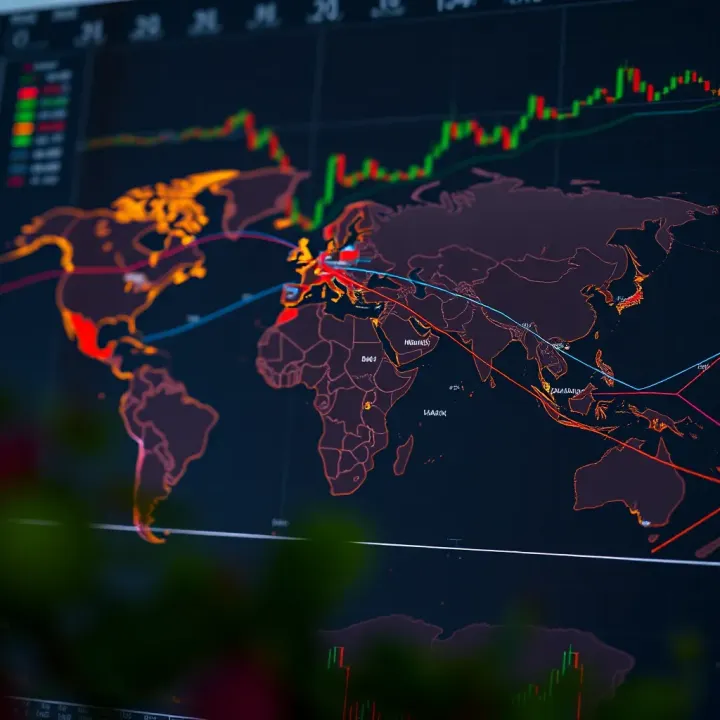
Forex trading happens 24/5 due to global market centres opening in turn.
Four major sessions: Sydney, Tokyo, London, New York.
Each city's time zone sets when trading activity spikes.
Nigeria’s WAT zone is stable, making conversions straightforward.
By grasping the global market's operation and timing, you can better align your trading schedule with the busiest sessions, improving your chances to trade profitably from Nigeria.
Understanding forex trading hours specific to Nigeria is vital for traders aiming to optimise their strategies and avoid unnecessary risks. The forex market operates across multiple time zones, and knowing exactly when key sessions open and close relative to Nigerian time ensures traders engage when the market is most active and liquid. This knowledge helps Nigerian traders minimise losses that can come from trying to trade during quiet periods.
Nigeria operates on West Africa Time (WAT), which is UTC+1 year-round, without daylight saving adjustments. This fixed time zone simplifies calculation but requires knowing how global forex sessions align with local time. For practical trading, Nigerian traders need to convert the opening and closing times of major forex centres into WAT to accurately plan their activity.
The major forex sessions are London, New York, Tokyo, and Sydney. The London session is especially critical for Nigerian traders because Nigeria’s time zone closely overlaps with London’s trading hours, offering convenient local times for active trading. Tokyo and Sydney sessions operate mainly during Nigerian night and early morning hours, which can pose challenges for traders who manage trading alongside day jobs or other commitments.
London session: Opens at 8:00 am and closes at 4:00 pm WAT. This session overlaps with Nigerian working hours, making it the most accessible and active for traders based in Nigeria.
New York session: Starts at 1:00 pm and ends at 9:00 pm WAT, overlapping with the second half of the London session. This period often sees increased volatility due to high market participation.
Tokyo session: Runs from 12:00 am to 9:00 am WAT. It coincides with late night to early morning hours in Nigeria and generally experiences lower volume compared to London and New York sessions.
Sydney session: Opens at 10:00 pm and closes at 7:00 am WAT. This session is least active for Nigerian traders due to its late-night timing.
The overlap between the London and New York sessions, from 1:00 pm to 4:00 pm WAT, represents the most liquid and volatile period in the forex market. For Nigerian traders, this three-hour window offers the best opportunities to enter and exit positions with tighter spreads and higher trade volumes. Many experienced traders focus their efforts during this overlap because price movements are typically sharper and more predictable.
The London-New York overlap is considered the “sweet spot” for forex trading in Nigeria due to the high market participation.
Apart from the overlap, active trading hours for Nigerian forex traders usually extend from 8:00 am to 9:00 pm WAT, covering the start of the London session through the end of the New York session. Trading outside these hours often involves lower liquidity and wider spreads, increasing the risk of slippage or unfavourable fills. Therefore, Nigerian traders should structure their trading schedules around these core sessions to maximise liquidity and reduce trading costs.
In practice, a trader in Lagos might start watching the charts from 8:00 am, intensify activity during the afternoon overlap, then wind down as the market closes at 9:00 pm. This routine aligns well with standard workday and evening hours, making it manageable alongside other responsibilities.
Knowing these specific forex trading hours ensures Nigerian traders can time their trades effectively, boosting their chances of earning consistent profits in a competitive market.
Picking the right time to trade forex is more than just convenience; it affects your chances of success directly. Nigerian traders face unique time-zone overlaps that determine when the market is most active and liquid. Knowing when to trade helps you avoid periods of low activity where price movements can be erratic or stagnant, making trades riskier and less profitable.
Liquidity refers to how easily you can buy or sell a currency without causing significant price changes. For Nigerian traders using local brokers or international platforms like GTBank’s trading arm or Kuda, greater liquidity means tighter spreads and faster execution. During highly liquid periods, you avoid wide bid-ask spreads that can eat into your profits. For example, when London and New York sessions overlap — roughly 2 pm to 5 pm WAT — liquidity spikes as two major markets operate simultaneously. This period often produces the most trading volume and smooth price action.
Trading during peak hours like this overlap ensures you access high volatility, which presents more price swings to capitalise on. Volatile markets mean quicker opportunities but also require discipline to manage risk. A trader focusing on the London-New York overlap can spot trends or reversals more clearly as many global banks and hedge funds transact at this time. For Nigerian traders with daytime jobs, planning trades during these busy sessions might mean adjusting sleep or work hours, but the potential gains justify the shift.
Some hours see far less activity, especially when major markets like London and New York are closed. For Nigeria, this would be late evening to early morning hours (around 8 pm to 2 am WAT). These sessions can see thin liquidity, causing erratic price spikes and wider spreads. Trades executed in such low-volume periods risk sudden slippage, where your trade price deviates from your expected entry or exit, resulting in unexpected losses.
Trading off-peak requires caution but can still be productive with the right approach. Nigerian traders can focus on currencies linked to Asian markets like the Japanese Yen or Australian Dollar during their trading hours. Using longer-term strategies such as swing trading reduces pressure from short-term volatility. Alternatively, employing limit orders rather than market orders can protect you from price slippage in quieter sessions. Also, closely monitoring economic calendars ensures you don’t miss important data releases that may increase activity temporarily.
Staying aware of market hours and adjusting your trading times accordingly improves your ability to manage risk and capitalise on market moves. For Nigerian forex traders, this means balancing local time realities with the global flow of market action.
Understanding what shapes forex trading hours in Nigeria helps traders manage expectations and plan better. Several factors, like public holidays, weekends, and the differing daylight saving practices of global markets, affect when the market is most active or quiet for Nigerian participants. Knowing these elements puts you ahead, allowing you to avoid dry spells and catch times with good liquidity.
Forex trading in Nigeria is mainly influenced by the global forex market’s operation, which technically never sleeps. However, the local experience can be different during weekends. For Nigerian traders, the forex market typically closes from Friday evening through the weekend, reopening on Sunday evening, Nigerian time. This pause means no live trading happens throughout Saturday and most of Sunday, limiting opportunities unless you use automated systems or brokers that allow weekend trading on cryptocurrencies or other limited assets.
Public holidays in Nigeria, such as Independence Day (1 October) or Christmas (25 December), do not directly close the forex market since it's international. Still, on such days, Nigerian market activity often slows down as most traders and financial institutions take breaks. This reduced activity can lead to lower liquidity, wider spreads, or increased volatility. Traders should therefore consider the timing of local holidays when planning trades.
Most major forex centres—like London and New York—observe daylight saving time (DST), which shifts clocks forward or backward by one hour seasonally. Nigeria does not use DST; it stays on West Africa Time (WAT) all year round. This difference means that during DST periods in Europe or the United States, forex session times, when converted to Nigerian local time, shift by one hour.
For example, when London moves to British Summer Time (BST), the London trading session starts an hour earlier on Nigerian clocks. If you don’t adjust your trading schedule, you might miss the important overlap between London and New York sessions, which is when forex markets tend to be most liquid and volatile.
Traders should recalibrate their watches and trading platforms' alerts to reflect these changes during DST. A failure to adapt can result in mistimed entry or exit points on trades. Many Nigerian traders find it helpful to mark DST switch dates on their calendars and adjust their strategy accordingly, ensuring they trade at peak market hours.
Tracking public holidays, weekends, and global daylight saving changes helps you anticipate market activity fluctuations and schedule trades for optimal timing.
In summary, being mindful of these factors can significantly improve how Nigerian traders engage with the forex market. It minimises surprises linked to market downtime or time shifts and supports more strategic trading decisions.
Trading forex successfully in Nigeria depends a lot on timing. Understanding when the market is most active can boost your chances of making profitable trades. This section offers practical tips to help Nigerian traders align their activities with peak forex hours, making use of technology and personal scheduling to get the best out of the market.
Not all trading platforms are created equal when it comes to tracking forex trading hours. It is crucial to choose platforms with live session clocks showing the start and end times of major forex markets like London, New York, Tokyo, and Sydney converted accurately to West Africa Time (WAT). Such features prevent guesswork and help you stay updated on when to enter or exit trades.
A good trading software should also offer customised time zone settings. For Nigerian traders, this means setting your local time once and having all market times adjust accordingly. Platforms like MetaTrader 4 and MetaTrader 5 come with these features, along with integrated economic calendars that highlight market-moving events aligned with forex sessions.
Setting alerts for session openings and closings is another powerful practice. These alerts notify you automatically when a session begins or is about to close, helping you act promptly without constantly monitoring the screen. For example, receiving a 15-minute alert before the London session opens allows time to prepare your trades during Nigeria’s early afternoon hours. This helps you catch the times with the highest liquidity and volatility efficiently.
Balancing forex trading with daily work and personal commitments is a common struggle. Many Nigerian traders combine trading with full-time jobs or study, so knowing the best trading hours reduces stress and improves focus. For instance, the London-New York session overlap occurs in the late afternoon and evening in Nigeria, which might be after regular working hours. Prioritising these times ensures you trade when markets are most active without jeopardising other responsibilities.
Focusing on specific sessions also brings advantages. By specialising in the Asian session or the London session, you become familiar with typical market behaviours during those hours. This focus leads to better strategies and fewer impulsive decisions. Many Nigerian traders find success by concentrating on the London session since it matches well with their time zone and offers robust market movement.
Using trading tools smartly and fitting trading around your day helps turn time into a trader's ally rather than an obstacle. Plan your trading hours, know when markets move sharply, and keep alerts active. That way, you avoid rash decisions and improve your ₦ trading results consistently.
These tips show that optimising forex trading time in Nigeria isn't complicated but requires practical awareness of technology tools and good personal time management. Applying these strategies allows traders to make smarter, more informed moves resembling experienced market players.
Start your forex trading journey in Nigeria with this practical guide 📈. Learn how to pick brokers, open accounts, manage risks, and trade safely in ₦ easily.
📈 Master forex trading with clear, practical steps tailored for Nigerian traders. Learn market basics, risk control, strategies, and top platforms to trade ₦ confidently 🇳🇬
📈 Discover how profitable forex trading can be in Nigeria. Learn about key factors, risks, strategies, and practical tips to navigate Nigeria's markets effectively and grow your ₦.

Learn practical forex trading tips to boost your ₦earnings 📈. Manage risk, avoid pitfalls, and grow steadily in Nigeria's forex market with clear strategies 🇳🇬.
Based on 7 reviews