
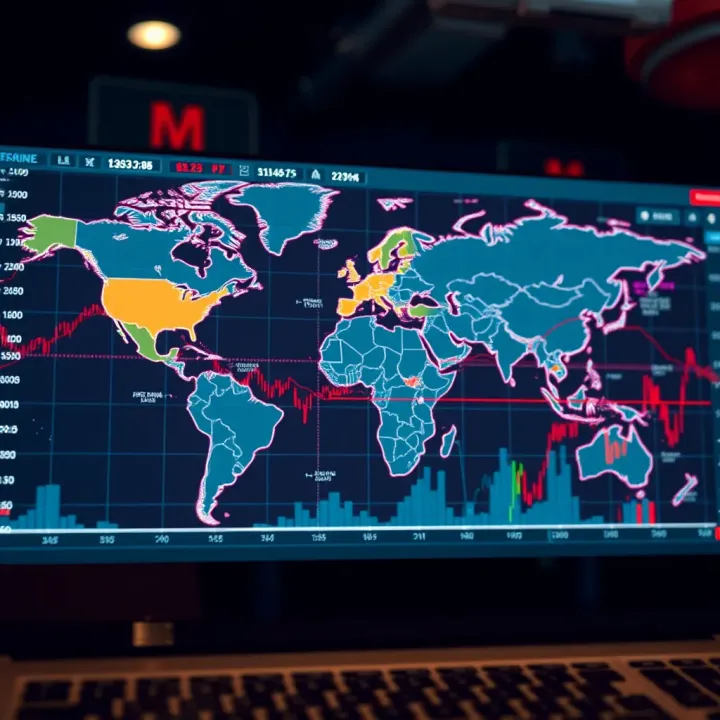
Best Times for Forex Trading in Nigeria
📈 Discover the best times to trade forex in Nigeria! Learn how market sessions, overlaps, and economic events impact currency moves for smarter decisions.
Edited By
Ethan Brooks
Forex trading has become a popular side hustle and investment option among Nigerians, especially with more people looking for ways to grow their income beyond the usual salary grind. But making consistent profits in forex is no small feat—it requires more than just opening an account and hoping for the best.
To be profitable, Nigerian traders must understand how the forex market works, be disciplined with their strategies, and manage risks effectively. Market volatility in forex is intense, and even though there is potential to earn in dollars, many traders end up losing due to impatience or lack of proper planning.

Before diving in, it’s crucial to define clear trading goals. Are you looking to supplement your income by earning ₦50,000 monthly, or aiming for bigger returns over time? Setting realistic targets helps you measure progress without burning out or chasing unrealistic profits.
Consistency wins over big wins: small, steady profits each week will compound better than chasing huge gains and risking your capital.
Moreover, understanding the Nigerian economic context is key. Factors like naira fluctuations, CBN policies, and local market sentiment impact forex prices and trading decisions. For example, during ember months when naira pressure mounts, the forex market can swing unpredictably.
Starting with a demo account is a smart move. It lets you practice strategies without risking real money. Pay attention to how your trades perform and adjust your approach before going live.
To sum up, profitability in forex trading in Nigeria depends on:
Setting achievable, clear goals
Learning and understanding market forces
Practising with demo accounts
Developing patience and discipline
Keeping these in mind will set you up for smarter trades and a better chance at earning steadily from forex markets in Nigeria.
Grasping the essentials of forex trading and recognising its potential in Nigeria forms the foundation for any trader aiming for profitability. Forex trading involves exchanging currencies, and for Nigerian traders, it's both an opportunity and a challenge given the local economic dynamics and currency fluctuations.
Forex trading centres on currency pairs — two currencies traded against each other. For example, USD/NGN represents the exchange rate between the US dollar and Nigerian naira. The first currency is the base, and the second is the quote currency. When you buy USD/NGN, you’re essentially buying US dollars while selling naira. Understanding how these pairs fluctuate is crucial for timing your trades.
The practical importance lies in knowing which pairs to focus on. Major pairs like EUR/USD may not directly affect the naira but still impact the global market. Pairs involving the naira reflect local economic conditions, and their volatility can present both risks and chances to profit.
Globally, the forex market runs 24 hours a day, five days a week, with major financial centres from London to New York driving liquidity. Nigerian traders participate primarily through online brokers who provide access to global markets. Trading usually happens through platforms like MetaTrader, which allow access to real-time data and execution.
In Nigeria, forex is popular because of the naira’s instability and restricted access to foreign currency. Traders often look to hedge their naira holdings or profit from its swings against the dollar or euro. That said, local constraints like capital controls can affect how freely traders operate.
The naira’s frequent depreciation creates unique chances for forex traders. Sharp swings in exchange rates can offer profits if traders time positions well. For example, during periods of economic uncertainty, the naira might weaken quickly against the dollar, making dollar positions profitable.
However, this volatility also means greater risks. Sudden policy shifts by the Central Bank of Nigeria (CBN) or unpredictable forex supply can cause sharp movements against open trades. Thus, Nigerian traders must practise strict risk management to avoid heavy losses.
A major challenge lies in accessing trustworthy forex brokers and platforms. Some Nigerian traders fall prey to unregulated brokers promising high returns but eventually disappear with clients’ funds. Using reputable, regulated brokers with transparent operations is essential.
Fortunately, many international and local brokers now offer platforms integrated with popular Nigerian payment methods like Paystack and Flutterwave. These features simplify deposits and withdrawals, making trading more accessible and safer.
The CBN exerts significant control over forex trading in Nigeria. Policies like limits on dollar access and mandatory repatriation of export proceeds affect market liquidity and price movements. Traders must keep abreast of these regulations since delays or restrictions can impact their trading plans.
Additionally, the Nigerian financial authorities often crack down on scams and unlicensed operators to protect investors. Understanding the regulatory environment helps traders avoid legal troubles and spot dubious schemes.
Nigerian forex traders who understand local market peculiarities and use verified brokers stand a much better chance of making consistent profits.
In summary, knowing what forex trading involves and the specific Nigerian context equips traders to navigate risks and seize profitable opportunities effectively.

Success in forex trading doesn't just come from luck or random guesses. Developing sound strategies helps Nigerian traders make consistent profits despite market volatility. These approaches centre on planning carefully, analysing markets properly, and practising before risking real money.
Setting realistic goals is the first step in building a trading plan. Unrealistic expectations, like aiming to double ₦100,000 in a week, often lead to reckless trades and losses. Instead, setting achievable targets, such as earning 2-5% monthly returns, keeps you grounded and focused. Breaking your goals into measurable milestones helps monitor progress and adjust tactics effectively.
Choosing a trading style suited to your risk appetite is also crucial. Some traders prefer scalping, making fast trades for small gains, while others lean towards swing trading, holding positions for days. For example, if you cannot stomach frequent losses or fast decision-making, swing trading might suit you better. On the other hand, scalping requires constant attention and nerves of steel. Knowing your tolerance prevents emotional decisions that drain your capital.
Understanding chart patterns and indicators equips you with tools to read market movements. Patterns like head and shoulders or double tops signal possible trend reversals. Technical indicators such as Moving Averages or Relative Strength Index (RSI) help confirm these trends. For instance, spotting an oversold RSI on the USD/NGN pair might indicate a good time to buy.
Keeping an eye on economic news and data, especially Nigerian reports, is equally important. Announcements from the Central Bank of Nigeria (CBN), inflation rates, or foreign reserve levels influence naira’s strength. Suppose CBN raises interest rates; this might strengthen the naira, affecting forex pairs involving it. Ignoring such updates can cost you dearly.
Simulating trades helps refine your strategy without risking real money. By replaying past market movements, you can see how your plan performs under different conditions. For example, backtesting your approach on MetaTrader’s historical data reveals its weaknesses before live trades.
Most Nigerian brokers offer demo accounts that allow paper trading with virtual funds. Utilising these platforms lets you practise in real-time market conditions, understand execution speeds, and test your moods under pressure. Only after consistent success in demo trading should you move to real capital.
Building solid strategies is not a one-time thing but a continuous process. A trader who invests time in planning, analysis, and practice improves their chances of sustained profitability in Nigeria’s challenging forex scene.
In forex trading, protecting your profits is just as important as making them. Without proper risk management, even the most promising trades can end up draining your capital. Nigerian traders must be especially cautious as currency volatility and occasional market shocks can hit hard. Implementing effective risk management strategies helps you limit losses, safeguard gains, and trade with confidence.
Setting a stop-loss is about deciding in advance how much you’re willing to lose on a trade. For example, if you enter a trade on USD/NGN at ₦450 per dollar, you might set your stop-loss at ₦445, meaning you exit if the rate drops to that point. This prevents losses from spiralling beyond control. The stop-loss should be based on both your risk tolerance and the currency pair’s usual price swings to avoid getting stopped out by ordinary market noise.
A key rule is that your potential reward should be at least twice the size of your possible loss. If your stop-loss is set at ₦5 below your entry point, try to set your take-profit at ₦10 or more above. This 1:2 risk-reward ratio helps to ensure that even if you win less than half of your trades, you can still turn a profit. Nigerian traders often overlook this balance, lured by quick wins, but sticking to it helps build steady growth.
Your position size should reflect how much of your total trading capital you are willing to risk per trade. A common suggestion is to risk no more than 1–2% of your account balance on a single position. So, if you have ₦100,000 in your trading account, the most you risk per trade should be ₦1,000 or ₦2,000. This approach prevents any single loss from heavily denting your portfolio and lets you survive losing streaks.
Leverage allows you to trade larger values than your capital, but it can quickly wipe you out if not managed. In Nigeria, many traders are tempted by brokers offering high leverage, sometimes 1:500 or more. However, that’s a risky gamble. Over-leveraging magnifies losses just as much as gains, and under volatile conditions like naira fluctuations, it becomes even riskier. Using modest leverage, such as 1:10 or 1:20, helps keep your trades sustainable.
Emotions like fear and greed often lead traders to stray from their plan—chasing losses or doubling down on risky moves. For instance, after a losing streak, a trader might impulsively increase stakes to recover quickly, which canspell disaster. Being mindful of these triggers helps you pause and reassess instead of acting on impulse.
Successful trading routines include keeping a journal, setting fixed trading hours, and reviewing trades regularly. For example, after market close, take time to review what went right or wrong and adjust your plan accordingly. These habits create structure and reduce chances of emotional decisions. Over time, sticking to your routine builds confidence and sharper decision-making, even amidst Lagos traffic or ember months distractions.
Effective risk management protects your capital, ensuring you stay in the game long enough to profit consistently. It’s the bedrock of serious forex trading, especially in Nigeria’s fast-changing economic environment.
Picking the right forex broker and platform is key to trading success, especially for Nigerian traders. It affects not just the ease of access but also how secure your funds are and how smoothly you can execute trades. A poor choice can lead to delayed payments, terrible customer service, or worse — falling victim to fraud. Given the growing interest in forex trading across Nigeria, this decision deserves careful thought.
In Nigeria, dealing with brokers regulated by reputable bodies provides a safety net. The Securities and Exchange Commission (SEC) Nigeria oversees legitimate forex brokers operating locally. Working with a broker licensed by SEC or equivalent authorities helps ensure your funds are protected and that the broker adheres to standards meant to protect traders. For instance, unregistered brokers might vanish with your money or manipulate trading software, which has happened severally.
Also, brokers regulated overseas, like by the Financial Conduct Authority (FCA) UK or the Australian Securities and Investments Commission (ASIC), often bring in an extra layer of credibility. While Nigerian traders can access these brokers, it’s crucial to verify their licensing status because enforcement across borders isn’t always straightforward.
Customer service quality can make or break your trading experience. Imagine trying to withdraw your profits and hitting a wall because the broker's support team is slow or unhelpful. Reliable brokers in Nigeria usually offer 24/7 customer support via multiple channels — live chat, email, phone — and respond swiftly to issues.
Transparency about fees, spreads, commissions, and execution speeds also matters. Some brokers advertise "zero fees" but hide costs in wide spreads or delayed execution. Clear communication on these aspects helps you avoid surprises and manage costs effectively. Always request detailed fee schedules and test responsiveness before committing.
MetaTrader 4 and 5 remain the favourite trading platforms among Nigerian forex traders. Their popularity stems from user-friendly interfaces, extensive charting tools, and automated trading options (Expert Advisors). For example, a trader can program specific rules for entry and exit, which reduces emotional mistakes common in manual trading.
These platforms support mobile apps and desktop use, syncing accounts seamlessly. Plus, many Nigerian brokers offer MetaTrader accounts, so you can switch across brokers without relearning the interface. This flexibility is why MetaTrader tools stand out for both beginners and experienced traders.
Besides MetaTrader, some Nigerian brokers provide dedicated mobile apps tailored for local users. Apps from platforms like OPay FX or Kuda Forex add convenience by integrating Nigerian banking systems directly, simplifying deposits and withdrawals.
These apps often feature instant notifications, simplified order placement, and client education resources in-app. For traders who operate on the move, especially in Lagos traffic or rural areas without consistent desktop access, broker-specific apps offer a real advantage.
Efficient deposit and withdrawal processes are vital. Brokers connected to Nigerian payment gateways such as Paystack and Flutterwave allow traders to fund accounts in naira without unnecessary forex conversion hassles.
For example, using Paystack means you can pay directly from your bank or card, with money hitting your trading account in minutes. Withdrawals also become less of a headache, as funds return promptly to your naira account, avoiding costly delays common with international transfers. This integration reduces friction and keeps your trading fluid.
Choosing a regulated broker with robust customer support, backed by convenient trading platforms and local payment options, creates an environment where Nigerian traders can focus on strategy rather than logistics or security concerns.
In summary, never underestimate the weight your broker and platform choice carry. Take time to research, test, and prioritise your safety and convenience. This groundwork makes forex trading in Nigeria not just profitable but sustainable over the long haul.
Sustainable profitability in forex trading does not come by chance but through persistent effort and smart decisions. Long-term success involves continuous learning, regular performance evaluation, and cautious navigation around common mistakes and scams. These elements help Nigerian traders build resilience against market vagaries and improve overall returns on investment.
Forex markets respond quickly to global and local economic shifts. For Nigerian traders, following economic trends impacting forex trading means keeping an eye on factors like fluctuations in the naira, trade balances, inflation rates, and decisions from the Central Bank of Nigeria (CBN). For example, a sudden change in the monetary policy rate by the CBN can cause currency volatility that may affect open positions directly. Staying informed through trusted financial news outlets or economic reports can prevent nasty surprises.
Besides economic data, engaging with Nigerian trading communities and experts is crucial. Forums, WhatsApp groups, and events organised by associations like Forex Traders Association Nigeria (FTAN) offer platforms to exchange insights and learn from experienced peers. This networking fosters practical knowledge and helps traders avoid common mistakes, plus it creates access to localised information on brokers and trading conditions.
Keeping a trading journal is a practical way to track your decisions and outcomes. Recording entry and exit points, the rationale behind trades, emotions felt, and profit or loss helps identify strengths and weaknesses. For instance, you might notice a habitual bias towards trading certain currency pairs or that you overtrade during volatile days. This awareness lets you adjust behaviour to improve results.
Making data-driven adjustments means not sticking rigidly to one strategy when the market changes. Use the information from your trading journal and trade history to analyse which approaches work under different conditions. Say your trend-following method struggled during a recent naira slump; adapting to a range-trading strategy or adjusting stop-loss placements could reduce losses. Frequent review and flexible tactics enhance your ability to sustain profits over time.
Fraudulent schemes target many Nigerian traders due to lax regulation and high market interest. Recognising these scams is vital. Promises of guaranteed returns or “too-good-to-be-true” returns with little effort are red flags. Always verify broker licences with regulaetors like SEC Nigeria and avoid platforms that demand huge upfront payments without proof of transparency.
Evaluating trading signals critically protects you from unreliable tips. Many signal services lure traders with claims of high win rates but fail to provide clear evidence or transparency. Instead of blindly following signals, test them on demo accounts and look out for consistency over time. Balancing signal input with your own analysis helps you make sound decisions and avoid costly mistakes.
Long-term forex success in Nigeria rests on awareness, adaptability, and diligence. Keeping updated, tracking performance, and staying cautious shield traders against pitfalls and guide profitable growth.
This focus on lasting success helps you turn trading from a risky trial into a dependable source of income.
📈 Discover the best times to trade forex in Nigeria! Learn how market sessions, overlaps, and economic events impact currency moves for smarter decisions.
Master practical forex trading strategies for Nigerian traders 🇳🇬. Learn key concepts, risk tips, technical analysis, and trading psychology for steady wins 📈.
🇳🇬 Discover top forex trading tips for Nigerian traders! Learn to pick reliable brokers, manage risks smartly, and boost your profits in Nigeria's forex market.

📈 Master forex trading in Nigeria with effective strategies: trend following, range trading, breakouts & savvy risk management for steady success.
Based on 14 reviews