
Best Forex Trading Platforms in Nigeria: A Simple Guide
🔍 Discover how to pick the best forex trading platform in Nigeria with tips on local rules, payment methods, and tools that match your trading style. 💹
Edited By
Ethan Hughes
Forex trading in Nigeria has grown steadily over the past decade, attracting many to try their hand at currency markets. The allure lies in the potential to make profits from global currency swings, but success depends heavily on the choice of trading platform.
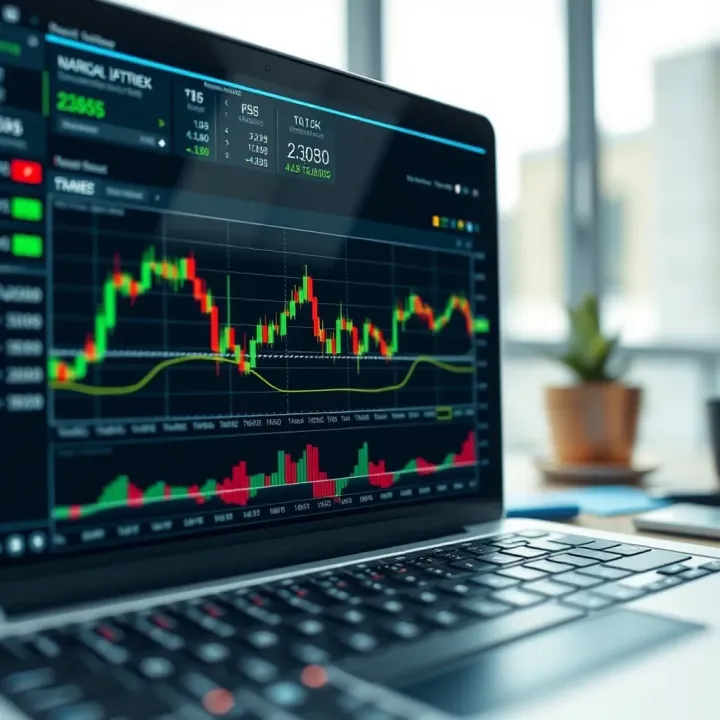
A forex trading platform is software that enables traders to buy and sell currencies easily. It acts as the gateway between Nigerian traders and the global forex market, allowing them to execute trades, analyse charts, monitor prices, and manage accounts all in one place.
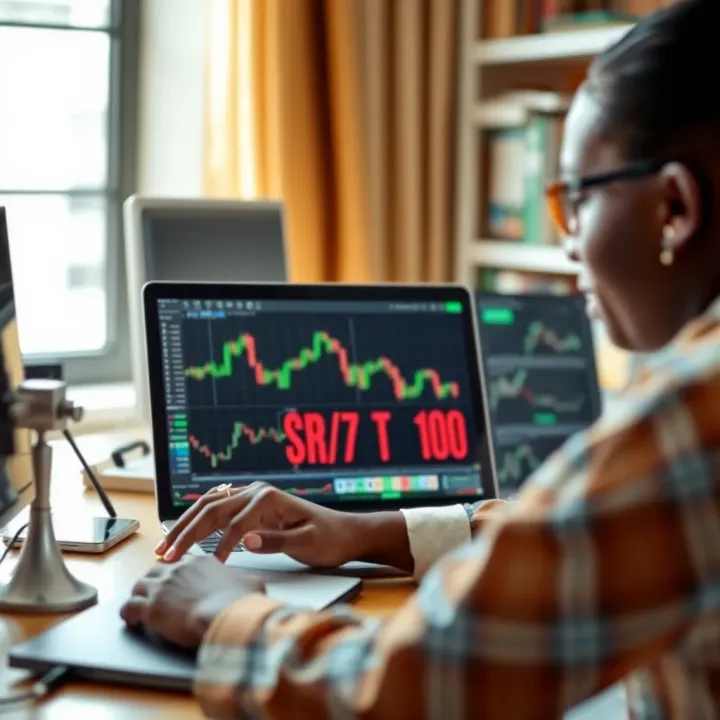
Choosing the right platform is not just about picking one with flashy charts or extra features; it also involves considering factors such as regulatory oversight, ease of funding and withdrawal, payment options convenient for Nigerians, and the reliability of customer service.
While global platforms like MetaTrader 4, MetaTrader 5, and cTrader dominate the market, Nigerian traders face unique challenges such as deposit restrictions, currency exchange rates, and occasional payment delays. This reality makes local knowledge crucial.
Some platforms are tailored with Nigerian traders in mind, offering naira deposits and withdrawals via popular local channels like GTBank, Access Bank, or Flutterwave. Others rely mainly on international payment methods such as wire transfers or USSD.
Security is another vital concern. Given the risk of fraud or scams targeted at Nigerian investors, selecting a platform licensed by recognised authorities—like the Nigerian Securities and Exchange Commission (SEC) or internationally respected bodies—is essential.
In the coming sections, we will explore:
Top forex trading platforms popular among Nigerian traders
Payment methods adapted to local banking habits
Regulatory landscape impacting forex trading
Practical tips to avoid common pitfalls and trade safely
Understanding these factors will help you save time and money while positioning yourself for more dependable trading outcomes in the Nigerian context.
Understanding forex trading is vital for anyone looking to participate confidently in Nigeria's dynamic financial markets. Forex trading involves exchanging currencies to profit from their changing values. It's a global marketplace with a daily turnover exceeding US$6 trillion, offering vast opportunities. Knowing the basics helps Nigerian traders navigate this complex environment without falling into common traps.
Forex trading is the act of buying one currency while simultaneously selling another. Traders speculate on whether a currency will strengthen or weaken against its pair, profiting from the difference. In Nigeria, forex trading is usually done online through platforms connecting local traders to global markets.
This market runs 24 hours on weekdays, allowing users to trade almost any time. It offers a more accessible entry point compared to stock markets, especially with accessible leverage. But it helps to understand that it’s also risky if done without proper knowledge.
Trading involves currency pairs, like USD/NGN or EUR/USD. When you buy a pair, you expect the first currency (base) to rise in value against the second (quote). For example, if you buy USD/NGN at ₦460 and the rate moves to ₦470, you can sell to make a profit.
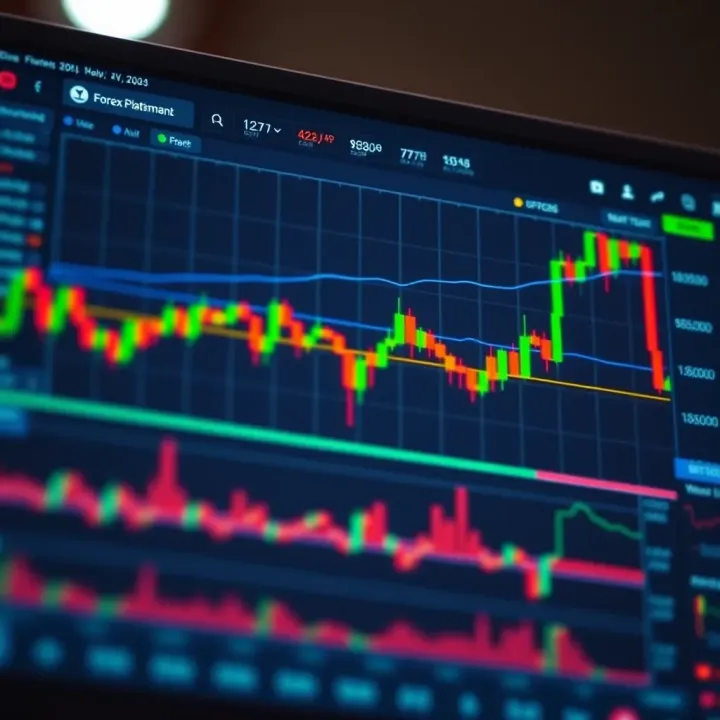
Platforms provide tools that show price trends, enabling traders to decide the right moments to buy or sell. Nigerian traders often use demo accounts first to test strategies before using real money.
Common pairs include USD/NGN, EUR/USD, GBP/USD, and USD/JPY. Nigerian traders especially focus on USD/NGN because the naira’s fluctuations impact local purchasing power directly. Meanwhile, major pairs like EUR/USD attract those looking for liquidity and stable spreads.
Some traders explore exotic pairs involving emerging market currencies for higher gains, though these come with higher volatility and risk.
Smartphones and affordable internet access have made forex trading easier for many Nigerians. Apps like MetaTrader 4/5 and platforms such as FXTM offer mobile-friendly interfaces. This means you can trade from anywhere, even during your daily commute on an okada or while sitting in a barbing salon.
Plus, online platforms accept local payment methods, including bank transfers and mobile wallets, removing barriers that traditional forex markets posed.
Given Nigeria’s economic instability and rising unemployment, forex offers an alternative income source. People with limited capital can enter the market and potentially earn profits, though this requires careful strategy.
Real stories of traders turning a profit during naira depreciation cycles highlight forex's appeal as a means to protect and grow money beyond local inflation rates.
Many Nigerians cannot quit their day jobs to trade full-time. Forex’s round-the-clock nature suits those juggling other work or studies. You might trade during lunch breaks or evenings, gradually building skills and capital without rushing into heavy investments.
A typical trader might start with small stakes during spare hours, using demo accounts for practice, before risking real funds, making forex trading a practical side hustle.
Forex trading in Nigeria thrives because it meets the needs of tech-savvy individuals seeking flexible income streams in a challenging economic environment.
This section lays the groundwork, helping you see why forex trading is more than just speculation—it's a practical tool for financial engagement in Nigeria’s unique context.
Understanding the regulatory framework governing forex trading in Nigeria is essential for every trader. This environment shapes how forex platforms operate and safeguards traders from potential scams, ensuring a smoother and more confident trading experience.
The Securities and Exchange Commission (SEC) and the Central Bank of Nigeria (CBN) jointly regulate forex trading activities to maintain market integrity. SEC oversees capital market intermediaries, ensuring that brokers and platforms comply with Nigeria’s securities laws. Meanwhile, CBN supervises foreign exchange operations to protect the naira and prevent illicit capital flight.
Regulations by these bodies include requirements for transparent operations, capital adequacy, and periodic reporting. This setup makes it practical for traders to verify the credibility of platforms operating in Nigeria.
Brokers must obtain appropriate licences from SEC and register with CBN before offering forex trading services. Licensing is not a mere formality; it requires brokers to meet financial and operational standards designed to protect investors. Licensed brokers are required to maintain segregated client accounts, ensuring traders’ funds aren't mingled with the broker’s own money.
This licensing structure means when you pick a broker with SEC or CBN endorsement, there's a formal oversight mechanism in place. If disputes arise, you have recourse through these regulators, unlike dealing with unregulated platforms where your funds might simply vanish, especially on platforms based overseas without direct Nigerian oversight.
Protection measures also include mandatory disclosures about risks involved in forex trading and the prohibition of misleading advertising. SEC and CBN can enforce sanctions or shut down platforms that flout regulations, which helps keep the market cleaner and safer for retail traders.
Unregulated platforms represent the dark side of forex trading in Nigeria. Common scams include fake brokers promising guaranteed profits, requiring large initial deposits with no way to withdraw funds. They might use high-pressure sales tactics or impersonate reputable platforms.
One typical red flag is when a platform has no verifiable company registration in Nigeria or doesn't provide a physical office address. Scammers often avoid providing clear contact information and mash-up fake testimonials to lure unsuspecting traders.
Verifying brokers is a critical first step to avoid falling victim. Always check whether the broker appears on the SEC Nigeria or CBN websites as a registered entity. You can also compare their licence numbers and credentials. Nigerian traders can attend seminars or seek word of mouth recommendations to gather reliable information.
To stay clear of fraud, traders should avoid platforms that promise unrealistic returns or push for high leverage without risk warnings. Starting with demo accounts and small trades on well-known licensed platforms can help mitigate the risk.
Remember, if a platform asks you to invest large sums upfront with no clear explanation or refuses withdrawal requests, that’s a major warning sign.
In sum, sticking to regulated forex platforms and practising caution are the best strategies to protect your hard-earned naira and trade successfully in Nigeria’s forex market.
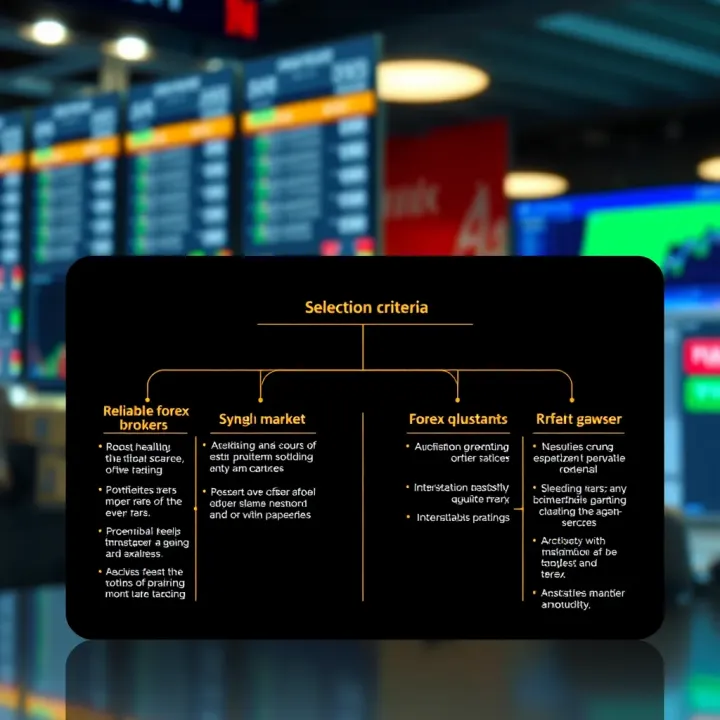
Choosing the right forex trading platform matters a lot for Nigerian traders. Your platform shapes how smoothly you can enter and exit trades, manage funds, and access market data. Considering Nigeria’s unique currency and payment landscape, plus local regulatory conditions, picking a platform that suits your specific needs helps limit frustration and maximise gains.
User interface and platform usability are the starting points. No one wants to wrestle with complicated menus or slow charts when the market is moving fast. Platforms with simple layouts and intuitive controls let you focus on trading, not figuring out how to place orders. For example, MetaTrader 4 is well-loved in Nigeria not just for its features but because it’s easy to navigate, even for novices.
Spread and commission costs directly cut into your profits, so they deserve close attention. Nigerian traders benefit from platforms with tight spreads—meaning the difference between buying and selling price is small—because it lowers trading costs. Avoid brokers charging hidden commissions or unusually high fees; these can quickly turn winning trades into losses.
Access to Nigerian Naira (₦) accounts is especially important. Platforms supporting ₦ deposits and withdrawals save you from forex conversion hassles and extra charges. For example, some international brokers have partnered with local banks or payment gateways to accept ₦, making funding your account much simpler and less costly.
Lastly, customer support and local presence matter more than many expect. Dealing directly with support in Nigerian time zones eases troubleshooting, especially if you need quick help during trading hours. Also, platforms with a local physical or virtual presence tend to better understand Nigeria’s unique market dynamics and regulations, providing a more tailored service.
MetaTrader 4 and MetaTrader 5 dominate the Nigerian forex scene because of their reliability and flexibility. MT4 serves beginners well with straightforward charting and automated tools. MT5 adds extra features like more timeframes and asset classes but keeps a similar interface. Many local brokers integrate MT4 or MT5, so it's easy to find a trusted agent.
Binance Forex services have steadily gained traction beyond just crypto enthusiasts. Binance offers forex trading with competitive spreads and good liquidity, appealing to traders who want one platform for crypto and forex. Their payment options include local methods, helping Nigerians easily manage deposits and withdrawals.
IG Markets, though not as widely known locally, stands out for professional traders seeking advanced tools and regulatory assurance. Their global reputation and robust risk management features attract those trading larger volumes or requiring sophisticated analysis.
FXTM (ForexTime) is popular because it focuses heavily on serving African markets, including Nigeria. They provide educational resources, flexible account types, and local payment methods. FXTM’s customer service often gets praise from Nigerian traders for being responsive and well-informed.
Local Nigerian brokers offering forex trading also play a vital role. These brokers understand naira volatility and restrictions on forex dealings in Nigeria better than international firms. While their platforms may lack some advanced features, they usually offer direct local bank transfers, quick customer support, and compliance with Nigerian regulations, which reduces the risk of complications.
Picking the right platform combines features that fit your trading style with those that ease handling naira and local needs. Look beyond fancy tech to what truly supports your daily trades in Nigeria’s market.
Access to reliable deposit and withdrawal channels is essential for Nigerian forex traders. It ensures smooth capital movement, allows timely profit realisation, and reduces risks tied to currency fluctuations and local banking issues. Knowing available funding methods helps traders avoid delays and extra charges, which can significantly affect trading outcomes.
Bank transfers within Nigeria provide a direct and trusted way to move funds between your local account and your forex platform. Most Nigerian banks support instant or near-instant transfers through NIP (Nigerian Inter-Bank Settlement System Instant Payment). This method is favoured for its security and low transaction fees, especially when funding from major banks like GTBank, Zenith Bank, or Access Bank. However, some platforms may limit local bank transfer options or charge withdrawal fees, so always check before committing.
USSD payments and mobile wallets have grown popular because they overcome challenges tied to internet access or card payments. Services like Paga, OPay, or PalmPay allow deposits using simple codes without smartphones. Mobile wallets offer convenient top-up options and faster withdrawal times compared to traditional bank methods. For Nigerian traders who rely on mobile money or travel often, these options add flexibility, even if occasional limits on transaction size apply.
Using Naira debit cards and international cards (like Visa or Mastercard issued locally or abroad) is another common channel. Naira debit cards linked to Nigerian banks are widely accepted for deposits and withdrawals but can face restrictions for cross-border conversions depending on CBN regulations. International cards enable global access to platforms but involve higher FX fees and sometimes transaction denials due to fraud prevention. Traders should maintain multiple card options and often verify card acceptance policies on their chosen forex platform.
The naira’s volatility directly affects forex trading profits in Nigeria. Sharp fluctuations mean your deposited naira may convert into varying amounts of foreign currency, impacting your trade size and returns. For instance, a naira depreciation between deposit and withdrawal could erode gains made on forex positions. This unpredictability calls for careful planning and a platform that minimises conversion losses.
Successful Nigerian traders often hedge against currency swings by monitoring exchange rate trends closely before depositing or withdrawing funds.
To ensure smooth currency conversions, try to deposit when the naira is relatively stable or stronger against the US dollar or euro. Use platforms that display real-time exchange rates and transparent currency conversion fees. Avoid last-minute funding when naira rates plunge, as this can inflate costs considerably.
Selecting platforms offering competitive exchange rates is equally vital. Some forex venues provide better margins on currency conversion, meaning more naira for your trading capital or withdrawals. Nigerian traders should compare rates from various brokers, considering both conversion and transfer charges before committing funds. Platforms with local fintech partnerships sometimes provide more favourable FX rates and quicker access to naira withdrawals.
Managing funding and withdrawals well means less stress, better control of your trading capital, and a smoother trading experience tailored for the Nigerian environment.
Navigating the forex market can be daunting, especially for Nigerians stepping in for the first time. The volatility of currencies, combined with regulatory gaps and platform variety, means traders must approach with caution. Getting started safely involves thorough research, solid risk management, and avoidance of common mistakes that could swiftly deplete your capital.
Verifying broker licenses is a critical first step. In Nigeria, licensed brokers must hold approvals from regulatory bodies such as the Securities and Exchange Commission (SEC) or Central Bank of Nigeria (CBN). Traders should confirm brokers’ credentials on official platforms to avoid falling prey to scams or unregulated firms. For example, a trader considering a local brokerage should cross-check the company’s name on the SEC’s registered broker list before transferring funds.
Comparing platform fees and offerings helps traders save on costs and access better tools. Forex trading platforms differ widely in spread, commission, and withdrawal charges. Some platforms may offer zero commission but wider spreads, affecting profitability. Nigerian traders should balance costs against the quality of service—for instance, choosing a platform that allows ₦ deposits and withdrawals with minimal charges may prevent unnecessary loss due to exchange conversion or transfer fees.
Reading trader reviews and feedback provides real-world insights beyond official promises. Online forums and review sites often reveal platform quirks, support responsiveness, and trade execution quality. Suppose many traders complain about withdrawal delays on a platform; that’s a red flag. Accessing multiple opinions ensures you pick a reliable and user-friendly platform suited for Nigerian conditions.
Setting stop-loss limits is vital in containing losses during sudden market swings. A stop-loss order automatically closes a trade when losses hit a preset level. This approach prevents emotions like fear or greed from clouding judgement. For example, if you buy a currency pair at ₦500 and set a 5% stop-loss, your trade will automatically close if the price drops to ₦475, limiting losses.
Diversifying currency pairs reduces risk exposure. Depending solely on one currency pair, like USD/NGN, can magnify losses if the pair moves unfavourably. Nigerian traders may consider combinations involving major pairs such as EUR/USD, GBP/USD, or JPY/USD to balance volatility. Diverse pairs can cushion against shocks in any single market.
Starting with demo accounts builds experience without risking real money. Demo accounts simulate market conditions and allow novices to practise strategies, understand platform tools, and gauge reactions to market moves. Nigerian brokers and global platforms alike offer demos; for instance, a new trader could test MetaTrader 4’s interface and order types before transitioning to a live account.
Beware of get-rich-quick schemes that promise guaranteed returns or massive profits overnight. Nigerian traders have lost millions to so-called forex gurus or signal providers who push unrealistic expectations. Genuine trading involves risks, learning curves, and patience—there is no shortcut.
Do not over-leverage your account. While leverage can multiply profits, it equally amplifies losses. Using high leverage without sound knowledge often wipes out accounts swiftly. For example, a 1:100 leverage means a small market move of 1% can translate to 100% gain or loss. New Nigerian traders should exercise restraint and start with low leverage ratios.
Stick to a consistent trading plan to avoid erratic decisions. Successful trading demands discipline—setting entry and exit points, choosing trade sizes, and reviewing performance regularly. Without a plan, traders may react impulsively to market noise, increasing losses. Nigerian traders who commit to a clear strategy tend to build longer-term sustainability amidst the forex hustle.
Starting safely in forex trading means understanding the landscape clearly, protecting your funds, and building experience progressively. By verifying brokers, managing risks, and avoiding easy traps, Nigerians can trade smarter and secure their ₦ investments better.
🔍 Discover how to pick the best forex trading platform in Nigeria with tips on local rules, payment methods, and tools that match your trading style. 💹
🌍 Discover practical tips for forex trading in Nigeria! Learn how to pick trusted brokers, understand local rules, avoid mistakes, and sharpen your skills.
💹 Explore forex trading designed for Nigerians! Learn key concepts, spot risks, and get practical tips to trade currencies confidently and smartly.
Explore forex trading in Nigeria 🇳🇬 with tips on brokers, strategies, risks, regulations, and market opportunities to trade smarter and safer 💹
Based on 8 reviews