
Best Times for Forex Trading in Nigeria
📈 Discover the best times to trade forex in Nigeria! Learn how market sessions, overlaps, and economic events impact currency moves for smarter decisions.
Edited By
Charlotte Evans
Starting forex trading in Nigeria raises a common question among traders: how much capital is really needed? This isn’t just about throwing money at the market blindly but understanding the minimum fund that allows you to begin trading seriously and responsibly.
Unlike owning an okada or running a mama put stall where capital needs are quite straightforward, forex trading requires a clearer grasp of broker requirements, leverage effects, and your personal risk appetite. In many Nigerian cases, the broker’s minimum deposit is often the first hurdle. Some brokers accept as low as $10 (around ₦5,500), but this bare minimum is rarely enough to make meaningful trades or absorb losses.
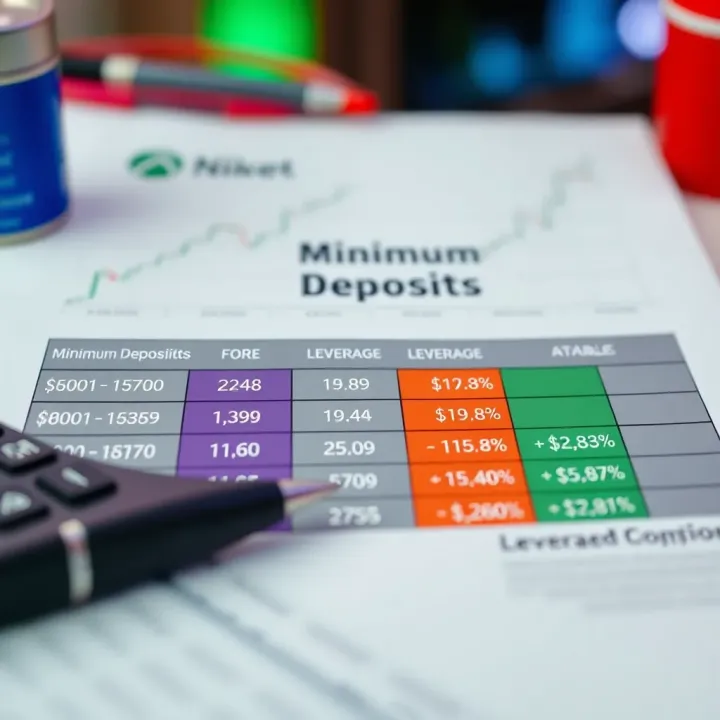
Starting with too little capital can be a trap. It might expose you to higher risk of wiping out quickly, especially with volatile currency pairs and leverage influence.
Typically, ₦50,000 to ₦100,000 is a more practical starting capital for Nigerian traders using popular brokers like FXTM, InstaForex, or Alpari. This amount allows you to open positions of decent size while managing risk through stop-loss orders without being wiped out by small market swings.
Key factors influencing your capital needs include:
Leverage: While leverage can multiply your buying power, it also magnifies losses. Nigerian traders commonly see leverage offers from 1:50 up to 1:500, but caution is necessary. High leverage with small capital is a double-edged sword.
Trading style: Day traders need more capital to withstand market fluctuations during the day, while swing traders might get by with less because they hold positions longer.
Cost management: Spread, commissions, and swap fees affect profitability. Choosing brokers with low spreads and no hidden fees helps make your capital last longer.
Understanding these elements will help you budget wisely for forex trading in Nigeria. The goal is to start with a capital that realistically supports your trading strategy without exposing you to reckless risks.
In the following sections, we’ll break down minimum deposit requirements, risk factors, and practical budgeting tips so you can approach forex trading on solid footing.
Before putting your money into forex trading, it is essential to understand the basics. This foundation helps you make informed decisions and avoid common pitfalls. Knowing how the forex market operates, how currency pairs work, and why initial capital matters will set you on a better path.
Forex, or foreign exchange, is the global marketplace for trading currencies. It’s the largest financial market worldwide, with daily trading volumes exceeding $6 trillion. For Nigerian traders, forex offers a chance to trade the naira against currencies like the US dollar or euro, making it very relevant for those looking to profit from currency movements or hedge against naira volatility.
Unlike stock markets with fixed hours, forex runs 24 hours a day during weekdays, allowing traders to act anytime. This flexibility suits busy Nigerians who may trade before or after work hours. Moreover, forex trading revolves around speculation on currency price changes rather than owning physical assets.
In forex, you trade currency pairs — for example, USD/NGN or EUR/USD. The first currency is the base, and the second is the quote currency. If you believe the base currency will strengthen against the quote currency, you buy; if you think it will weaken, you sell. This basic buy-and-sell mechanic forms the core of forex trading.
Trading happens through brokers who provide platforms connecting Nigerian traders to the global market. These brokers offer varying minimum deposits, leverage options, and spreads, affecting how much capital you need and your trading experience. It is crucial to understand how currency pairs behave and the trading conditions your broker provides to avoid surprises.
Capital is what allows you to manage risk wisely. Having enough money in your account means you can absorb losses without wiping out your entire balance. For example, with ₦50,000 as starting capital, you might limit each trade’s risk to 1-2%, protecting your funds over time.
Risk management is about ensuring one bad trade won’t end your trading journey. In Nigeria, where unexpected expenses like fuel price surges or power outages can impact daily life, having a capital cushion adds resilience to your trading.
Many new traders expect to get rich quickly with small amounts. However, forex is not a lottery. Your starting capital determines how large positions you can take and what returns are reasonable. Starting with realistic goals helps you build skills and confidence steadily.
For instance, if you start with ₦20,000, aiming for ₦500,000 in a month is unrealistic and risky. Instead, focusing on consistent small profits and learning the market will serve better in the long run. Remember, skill often beats the size of your wallet.
Beginning forex trading in Nigeria without grasping these basics is like setting off on a trip with no map. Understanding the market, currency pairs, and the role of capital will improve your chance of lasting success.
Understanding the minimum capital needed to start forex trading is essential for Nigerian traders. It sets the foundation for choosing the right broker, managing risk, and planning your trading activities effectively. Without a clear idea of how much to deposit initially, many beginners might either overstretch or underfund their trading accounts, which can affect their chances of success.
In Nigeria, popular forex brokers often require minimum deposits that range widely from as low as ₦5,000 to over ₦100,000. For instance, brokers like XM and HotForex might allow new traders to start with around ₦5,000 to ₦10,000, while others like IG Markets or FXTM may ask for ₦50,000 or more. This variation affects who can access the market, especially for those with limited funds.
The deposit figure influences the range of trading options available. A smaller deposit typically restricts traders to micro or nano lot trading, which limits potential profits and loss flexibility. Conversely, larger deposits open more possibilities, such as trading standard lots or accessing additional markets like major indices and commodities.
Starting with very small amounts may seem attractive but it often limits your ability to manage trades effectively. When you trade with just ₦10,000 or less, your margin for error shrinks, and you may find it difficult to stick with proper risk management strategies. For example, if a single trade requires at least ₦1,000 margin, having too small a capital means you can only hold one or two trades, reducing learning opportunities.
It’s wise to balance affordability with the need for enough funds to trade confidently. Many experts suggest starting with a minimum of ₦50,000 to ₦100,000. This allows more flexibility in trade size and risk management. Moreover, having this amount as starting capital offers space to absorb losses without quickly depleting your funds, especially considering the possible costs like spreads and overnight fees.
Starting forex trading with a realistic capital base is a practical step that improves your chances of staying longer in the market and learning the ropes more effectively.
In summary, knowing the minimum capital requirements helps Nigerian traders set up proper expectations and prepare budgets that align with their trading plans. It also guides the choice of brokers and trading strategies that fit their financial reality.
Deciding how much to invest at the start of your forex trading journey depends on several key factors. These include your trading style, use of leverage, and broker requirements. Understanding these will help you set a realistic budget and avoid taking unnecessary risks. Let’s break these down for clarity.
Your preferred trading style directly affects the amount of capital you need. For instance, scalping—a method where traders open and close positions within minutes—requires quick decision-making and often smaller capital per trade but many trades daily. On the other hand, day trading involves holding trades for several hours, usually requiring more capital to cope with price fluctuations during the day.
Swing trading, which can stretch across days or weeks, generally needs an even larger capital base because positions are held longer, exposing your funds to overnight risks and potential market gaps.
Besides style, trading frequency matters. If you trade frequently, you might need more capital to keep several positions open. Conversely, less frequent traders can operate with less initial capital.
Choosing the right trading style helps balance your starting capital with your risk tolerance. For example, if your budget is around ₦50,000, scalping or very cautious day trading might suit you better, as it demands tighter risk management.
Beginners often start with smaller amounts to gain experience, but too small a capital might limit the ability to diversify trades or absorb losses. This can lead to frustration and early exit from trading.
Leverage lets you control larger trading positions with a smaller amount of money. For instance, a leverage of 1:100 means ₦10,000 of your money controls ₦1,000,000 in the market. This reduces initial capital needs but also magnifies risks.
Using leverage wisely is essential. High leverage can wipe out your ₦10,000 fast if the market moves against you. Since Nigerian traders often use online brokers offering leverage up to 1:500 or more, it’s crucial to understand how much margin is needed for each trade to avoid margin calls or forced liquidations.
While high leverage can amplify gains, it equally magnifies losses. New traders sometimes see leverage as a shortcut to wealth, but this frequently leads to rapid losses, especially without sound risk management.
In Nigeria, where forex trading often competes with other expenses like generator fuel costs and stable internet payments, losing capital quickly because of high leverage can discourage many.
Always assess your risk appetite before using leverage, and start low. For example, a leverage of 1:10 or 1:20 might be safer for beginners.
Selecting the right broker ensures your funds are safe and your trades fair. Regulated brokers in Nigeria follow guidelines from the Securities and Exchange Commission (SEC), which offers some protection against fraud and ensures transparency.
Unregulated brokers might promise high leverage or low minimum deposits but can pose risks of fund mismanagement.
The Central Bank of Nigeria (CBN) and SEC regulations influence broker operations, including minimum deposits and maximum leverage offered to Nigerian clients. Some brokers adjust deposit requirements or restrict high leverage for Nigerian traders to comply with these rules.
This means you might find popular brokers asking for a minimum deposit between ₦10,000 and ₦50,000, but regulatory changes might shift these figures. Keeping an eye on updates from the CBN or SEC helps traders avoid surprises.
Understanding these factors helps you choose a sensible starting capital. It’s not just about how much money you can put in, but how your style, leverage, and broker fit to protect your funds and support sustainable trading.
Managing your forex trading capital wisely can make the difference between sustained profits and quick losses. Practical capital management goes beyond just putting money into trades; it involves careful budgeting, solid risk controls, and understanding the hidden costs that lurk in trading. Nigerian traders face unique challenges like unstable power and internet costs, so knowing how to manage capital effectively is even more crucial.
Separating personal funds from trading capital is essential to avoid mixing daily expenses with trading money. Treat your trading capital like a business fund rather than personal cash. For example, if you have ₦100,000 saved for trading, don’t touch it for rent or food. Doing so protects your trading plan and ensures you aren’t forced to pull out funds at the worst time.
Planning for losses and costs must be factored in from the start. Forex trading includes inevitable setbacks; a 5-10% loss on capital in the first few months isn’t unusual. Budget for these losses without dipping into your personal savings. Also, account for transaction costs, broker fees, and occasional commissions so you have a realistic view of the capital needed to stay afloat.
Using stop losses and position sizing helps protect your capital against sudden market swings. Setting stop losses ensures you limit how much you lose if a trade goes bad. Position sizing means adjusting the size of each trade relative to your account size. For example, risking only 1-2% of the total capital per trade means you can survive multiple losses without wiping out your account.
Protecting capital over time should be your trading priority, especially in Nigeria’s volatile forex environment. Avoid chasing losses or using all your available funds on risky bets. Instead, preserve your capital by taking smaller trades and gradually growing your account. This patient approach is better than gambling your money, which quickly drains funds and morale.
Spread costs, commissions, and overnight fees are ongoing expenses that affect overall profitability. The spread is the difference between the buy and sell price, so tight spreads at brokers matter. Some brokers also charge commissions per trade or rollover fees if positions stay open overnight. Nigerian traders must include these costs in budgeting to avoid surprises.
Costs of internet and power for Nigerian traders often go overlooked but impact trading reliability and expenses. Frequent power outages mean many traders rely on generators, adding fuel expenses which can be significant over time. Also, stable and fast internet is necessary to execute trades quickly and access live charts. Budgeting for at least ₦5,000-₦10,000 monthly on data plans and fuel is realistic in many parts of Nigeria.
Solid capital management means planning not just for trading but also for the environment and lifestyle realities unique to Nigerian traders.
Handling your forex capital with care increases your chance of success and keeps you ready for Nigeria’s market ups and downs. Knowing your real costs and risks upfront lets you trade with confidence and stay in the game for the long haul.
Understanding common myths around forex trading capital helps Nigerian traders make informed decisions and avoid costly mistakes. Many novice traders get hung up on ideas like needing huge starting funds or using high leverage as a quick win. Clearing up these misconceptions ensures a more realistic and sustainable approach.
Some traders wrongly believe you must begin forex trading with a large capital to stand a chance. However, several successful traders in Nigeria started with modest amounts, sometimes as low as ₦20,000 to ₦50,000. The key is to manage trades carefully and grow gradually rather than betting everything at once. Starting small allows you to learn the ropes without risking your livelihood.
It's important to note that skill outperforms sheer cash in forex trading. Technical analysis, market research, and emotional discipline often determine success more than the initial deposit size. For example, a savvy trader with ₦50,000 can outperform a novice with ₦500,000 simply by making better choices and managing risk properly.
Leverage lets you control large positions with relatively small capital, tempting traders to think it's an easy shortcut. The truth is leverage magnifies losses just as much as it boosts profits. Using 1:100 leverage means a 1% adverse price movement wipes out your entire investment fast, which many beginners overlook.
Beginners should use leverage cautiously and understand margin calls, which can close positions automatically when losses exceed available capital. A safer approach is starting with low leverage settings like 1:10 or 1:20 while you gain experience. This limits potential losses and helps preserve capital over time, giving you room to learn and build confidence.
New traders often rush to use high leverage, but this is a double-edged sword. Conserving your capital by using manageable leverage ensures longevity in the market.
In essence, trading success in Nigeria depends more on strategy and money management than starting with large sums or excessive leverage. Knowing these realities helps set the right expectations and improves your chances of steady growth in forex trading.
📈 Discover the best times to trade forex in Nigeria! Learn how market sessions, overlaps, and economic events impact currency moves for smarter decisions.
Master practical forex trading strategies for Nigerian traders 🇳🇬. Learn key concepts, risk tips, technical analysis, and trading psychology for steady wins 📈.
🇳🇬 Discover top forex trading tips for Nigerian traders! Learn to pick reliable brokers, manage risks smartly, and boost your profits in Nigeria's forex market.

📈 Master forex trading in Nigeria with effective strategies: trend following, range trading, breakouts & savvy risk management for steady success.
Based on 12 reviews