

Top Forex Trading Books for Nigerian Traders
📚 Discover top forex trading books for Nigerian traders! Get practical tips, market insights, and risk management strategies tailored to your level.
Edited By
Emily Carter
Stepping into forex trading without some solid guidance is like trying to read a map upside down. For Nigerian traders, especially those new to the scene or looking to sharpen their skills, choosing the right book can make a world of difference. With so many titles out there, it’s easy to get overwhelmed by jargon, conflicting advice, or simply too much information.
This article will cut through the noise, focusing on practical, no-nonsense resources that fit Nigeria's unique trading landscape. We'll talk about what to look for in a good forex trading book, suggest some reliable titles, and explain how to get the most from these resources. Whether you’re just starting or looking to refine your strategies, the tips here will point you in the right direction without the fluff.
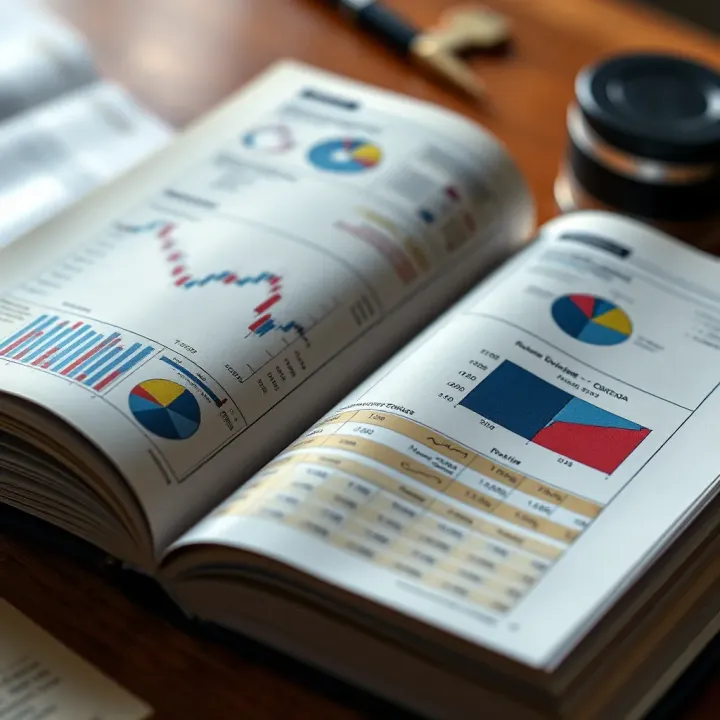
Picking the right forex book isn’t just about reading—it’s about learning smart, applying well, and adapting to the local market realities that Nigerian traders face daily.
Let’s get things rolling by considering what makes a forex trading book truly valuable, especially for traders navigating both local and global currency markets.
Picking the right forex trading book can sometimes feel like hunting for a needle in a haystack. But knowing what makes a book truly helpful can save traders from sifting through piles of overly technical or irrelevant material. For Nigerian traders, this means finding resources that lay down the basics clearly, offer practical strategies that fit different experience levels, and provide insightful, real-world examples.
A valuable book provides not just theory but actionable guidance that a trader can adapt to local market conditions. It should break down complex concepts like currency pairs and market mechanics in a way that anyone can follow, no matter their background. Moreover, it guides readers through managing risks and refining their strategies with examples from actual trades, which can be the difference between costly mistakes and profitable moves.
Forex trading starts with understanding currency pairs because that’s the core of every transaction. A currency pair, say USD/NGN, shows how much Nigerian Naira you would need to buy one US Dollar. A good book explains this simply, emphasizing how base and quote currencies interact and what factors cause their values to rise and fall. For example, it might break down why global events like oil price changes impact NGN rates more than others.
Knowing currency pairs helps you spot opportunities and risks. For instance, if you know the difference between major, minor, and exotic pairs, you can decide whether to trade popular pairs like EUR/USD or take on more volatile ones like USD/ZAR. This understanding is crucial to avoid jumping in blind and losing your hard-earned money.
Many beginners get swamped by jargon like “pip,” “spread,” and “leverage.” The most helpful books cut through this noise, explaining these terms as if you’re chatting with a fellow trader over a cup of coffee. Market mechanics cover how orders are placed, what bid and ask prices mean, and why spreads vary.
For example, a book might illustrate how Nigerian traders use a broker platform, emphasizing the difference between market and limit orders. It should also delve into how economic releases like Nigeria’s inflation report can shake the market and impact your trade timings. Getting this right helps traders make informed, timely decisions rather than reacting randomly.
Forex trading isn’t one-size-fits-all. Beginners need simple setups, like moving average crossovers, while seasoned traders may dive into advanced strategies like harmonic patterns or algorithmic trading. A good book respects this range, offering step-by-step guides for novices and deeper dives for experienced traders.
For example, imagine a trader who just heard about RSI (Relative Strength Index) and wants to use it without feeling overwhelmed. A valuable book would explain how to use RSI to spot overbought or oversold conditions, with examples relatable to the Nigerian market.
Risk management is often glossed over but it’s what keeps a trader afloat during rough patches. Reliable books emphasize setting stop losses, sizing trades properly, and never risking more than a small percentage of your trading capital on a single trade.
For example, a practical lesson would demonstrate that risking 1-2% per trade can protect your portfolio from a mimic Sahara sandstorm of losses. Especially in volatile markets like forex, a misstep without risk controls can wipe you out quickly.
Nothing beats learning from real deals. Great books show how traders caught market turns or news shocks in Nigeria or globally and made profits.
A concrete case study might discuss a trader using fundamental analysis to predict the Central Bank of Nigeria’s policy announcement and placing trades accordingly, without guessing. These stories give readers confidence and a blueprint to replicate success.
Equally important are lessons from mistakes—like chasing losses or following noisy social media tips without verifying facts. Books that candidly expose these pitfalls help traders steer clear of traps that could be costly.
For instance, a common blunder is relying too heavily on forex signals without understanding the strategy behind them. A respected book will highlight why this is dangerous and encourage building your own trading plan.
The best forex trading books act like a seasoned mentor: clear, practical, and grounded in reality. For Nigerian traders, such guidance is invaluable in navigating both local and international forex waters successfully.
Starting with the right books can seriously shape your trading journey, especially if you’re new to forex. The beginner-focused titles lay down the groundwork, helping you get past the jargon and grasp what actually moves the market. For Nigerian traders, who may face specific market conditions and regulatory environments, picking books that explain the basics clearly and accessibly is crucial. This ensures you build a solid understanding before diving into complex strategies.
Books centered on fundamental forex concepts provide a clear roadmap for newcomers. Titles such as "Currency Trading for Dummies" by Brian Dolan break down what currency pairs are, why exchange rates fluctuate, and how the forex market operates 24/5. These books don't throw you into the deep end but instead walk you through the essentials step-by-step. For example, understanding how the USD/NGN pair behaves differently from major pairs like EUR/USD is easier when you get a clear introduction.
Grasping these basics lets you avoid common rookie mistakes like confusing leverage with margin or misreading pip values. A good fundamental book also highlights how global events like oil price shifts can affect the Nigerian naira, giving you practical context behind textbook definitions.
Being able to read and understand forex material without feeling lost is half the battle won. Some forex books use overly technical language that can leave beginners overwhelmed. That's why books like "Forex Made Simple" by Jim Brown are popular—they use straightforward language, relatable examples, and avoid complicated financial jargon.
Such approachable writing helps you retain knowledge and apply it without constantly flipping back to the glossary. For Nigerian readers, this is a big plus, especially if English isn’t your first language or you're juggling learning alongside other commitments.

Once you're comfortable with the basics, it’s time to get hands-on with charts and indicators. Books like "Technical Analysis of the Financial Markets" by John Murphy are a staple for this. They explain how to read candlestick patterns, use moving averages, and understand momentum oscillators like RSI or MACD.
Nigerian traders can greatly benefit from these skills because technical analysis helps identify entry and exit points without relying solely on news, which can sometimes be delayed or limited locally. Practical application includes spotting support and resistance levels on the USD/NGN chart to time your trades better.
Spotting price patterns is like learning to read the market’s ‘body language.’ Books such as "Japanese Candlestick Charting Techniques" by Steve Nison teach you how to recognize formations like head and shoulders, double tops, or flags. This skill helps predict potential market reversals or continuations.
Applied correctly, you can anticipate moves before they happen, which is a powerful edge. For example, spotting a bullish engulfing pattern after a dip in the naira’s value against the dollar might signal a good time to buy. This kind of insight comes from practice with well-explained, pattern-focused books.
Starting with the right books not only boosts your confidence but lays a firm foundation for profitable trading. Whether it’s fundamental concepts or technical analysis, the key is to get clear, practical knowledge suited to your local trading environment.
By focusing on these types of books,
You get solid basics explained plainly
Build skills to tackle real-world charts
Learn to spot trading signals effectively
This approach saves time and avoids confusion down the road, letting you trade smarter from the start.
For Nigerian traders who have moved past the basics and want to step their game up, books that target advanced skills are essential. These resources don’t just repeat beginner concepts but dive deeper into the nuts and bolts of trading techniques and the mindset needed to stay profitable. Picking up the right advanced trading books can mean the difference between trading on luck or trading with confidence and solid plans.
As you grow as a trader, you’ll soon find simple strategies aren’t enough to handle the fast-moving forex market. Books covering complex trading systems teach how to combine multiple indicators, timeframes, and entry rules to create a strategy that fits your risk appetite and style. For example, a book like "Forex Price Action Scalping" by Bob Volman walks through detailed setups involving candlestick patterns and order flow analysis to give you a more nuanced approach.
What sets these systems apart is their ability to handle different market conditions, something crucial for Nigerian traders who face volatility from global factors as well as local economic challenges. Such guides help you understand backtesting tools and how to evaluate performance over time, rather than blindly trusting a single setup.
Automated trading, or using algorithms to execute trades, is no longer just for hedge funds. For advanced traders, books on algorithmic trading open up ways to remove emotional bias and speed up execution. "Trading Systems and Methods" by Perry J. Kaufman is an example that explores the design and coding side, explaining how to build, test, and optimize automated forex strategies.
This approach can be especially useful for Nigerian traders who might not be able to monitor the markets during certain hours. With a properly programmed algorithm, you can let your system work 24/7, reacting promptly to market changes. However, the book stresses the importance of regular monitoring and adjustments—no "set and forget" magic here.
Even the best strategies crumble if emotions take over. Books that focus on trader psychology teach why fear and greed can wreck your trades and how to build mental resilience. Titles like "Trading for a Living" by Dr. Alexander Elder explain how cognitive biases and emotional swings affect decision-making.
For Nigerian traders, where market news and currency fluctuations can quickly change the mood, understanding your own psychological traps helps you stick to your plan rather than chasing quick wins or panicking out of losses.
Discipline in trading isn’t just about sticking to rules; it’s about setting up a routine that promotes consistency over time. Good books in this area suggest practical tools such as journaling your trades, setting daily or weekly goals, and practicing mindfulness to manage stress.
A recommended read like "The Disciplined Trader" by Mark Douglas emphasizes habits that traders can build to stay focused despite market noise. It teaches ways to avoid impulsive decisions, which is especially helpful when the Nigerian naira faces unexpected volatility due to political or economic news.
Advanced trading skills come down to solid strategies and mental toughness. Books that combine technical depth with psychological insight provide a rounded toolkit every serious trader should have.
By focusing on these advanced resources, Nigerian traders can elevate their trading from guesswork to a more structured, disciplined effort, preparing them for long-term success in forex markets.
Reading forex trading books is a solid starting point, but just flipping through pages won't get you very far. Absorbing the content and actually applying the knowledge makes all the difference for Nigerian traders keen on mastering the market. Books offer a foundation, but pairing that with practical steps sharpen skills and builds confidence. Let’s look at how to get the most out of these resources so you don't just learn theory but actually understand how it plays out in real trading.
Book lessons are only half the story. Hands-on experience, especially through demo accounts, allows you to try out trading strategies without risking real money. Many brokers operating in Nigeria, such as FXTM and OctaFX, provide free demo accounts that mirror real market conditions. This is where you get to practice reading charts, placing orders, and reacting to market movements in a no-pressure environment. It’s like test-driving a car before buying it. Regular use of a demo account solidifies what you read in your forex books and reveals gaps in your understanding.
Keeping a detailed trading journal is a game changer. Note down your trades: why you entered, your strategy, how the trade unfolded, and the outcome. This habit forces you to reflect and spot patterns in your decisions, both good and bad. Over time, this record shows you where your strengths lie and which mistakes recur. For Nigerian traders balancing learning with day jobs or other distractions, journaling helps maintain focus and discipline. Renowned traders credit journaling for steady improvement, and it’s a straightforward way to turn book knowledge into paying skills.
Forex trading books provide structured knowledge, but the forex market is always changing. Following blogs like DailyFX or forums like Forex Factory connects you to current news, fresh strategies, and real trader discussions. These platforms often spotlight trends, broker updates, or regulatory changes specific to regions — info that books might not have up-to-date. Nigerian traders can benefit from localized insights by joining regional trading forums or social media groups, where everyday traders exchange practical tips and warnings.
Sometimes, the written word isn’t enough to grasp complex charts or trading setups. Video tutorials, available on platforms like YouTube or educational sites such as Babypips, offer visual step-by-step guides that complement your reading. Seeing indicators applied live or following a trade walkthrough makes abstract concepts click. For example, a Nigerian trader trying to learn Fibonacci retracement might better understand it through a video demonstration than a text description alone. Combining videos with books caters to different learning styles and deepens overall comprehension.
Remember, the best forex traders don’t rely on one source. Using books as a solid base and layering in practical experience, community insights, and dynamic content prepares you to navigate the forex market smarter — especially in the unique Nigerian trading scene.
Finding the right forex trading book is just the start; knowing where to get your hands on these valuable resources is equally important. For Nigerian traders, this means navigating local and online options that fit both budget and convenience. Access to good books affects how quickly a trader gains knowledge and confidence, so it pays to be aware of the best places to look.
Many Nigerian cities don’t have a huge stock of forex trading books in local bookstores or libraries. Often, these venues stock more general finance and investment books, so forex-specific titles might be limited or outdated. It’s not uncommon to find only one or two popular books like "Currency Trading for Dummies." For traders living outside major urban centers like Lagos or Abuja, options shrink even more.
Despite these challenges, visiting local bookstores can still be useful. Sometimes, stores can order books on request, but this may take weeks or more. Libraries may have some older editions, which can still offer solid foundational knowledge.
If you’re in Lagos, visit Terra Kulture or the major branches of Laterna Ventures. Both often stock business and finance titles, including forex books. In Abuja, attempts should be made to check out The Book Clinic or Third World Bookshop, which tend to cater to academic and professional audiences.
These stores occasionally get updated editions of well-known forex books by authors like Kathy Lien or John J. Murphy. Asking the staff about upcoming shipments or special orders can save time and ensure you get relevant material.
Online platforms greatly broaden access to forex trading books for Nigerian traders. Amazon remains a trusted source for both printed and Kindle editions. Though shipping times and costs vary, many Nigerians rely on Amazon to access the latest editions unavailable locally.
Other reliable sources include Google Books and Kobo, both of which offer easy e-book downloads. These sites provide previews so traders can assess whether a book suits their needs before buying.
Budget-conscious traders can explore free and low-cost forex books on platforms like Project Gutenberg or Open Library, which host older but still useful trading guides.
Additionally, some authors and experienced traders release free e-books or guides through their websites or trading communities. Checking reputable forex forums or joining Nigerian trading groups on social media can uncover these.
E-books offer a flexible and immediate way to get forex trading knowledge, especially when print editions are scarce or pricey.
By combining local efforts with savvy online shopping and resourcefulness, Nigerian traders can access a wide range of forex trading books that suit their learning journey and financial constraints.
Wrapping up your search for the right forex trading book is just the start. Knowing where to go next is what really sets the stage for success. This section highlights practical ways to turn all that reading into real skills and smart trading moves in Nigeria’s unique financial environment.
Before diving into any book, take a moment to check where you stand. Are you just figuring out what forex even means, or have you already placed a few trades? This honest self-assessment helps avoid frustration over jargon or concepts that don’t quite fit your experience level. For example, if you’re new, grabbing a book like "Forex for Beginners" by Anna Coulling might feel much more welcoming than advanced guides loaded with charts and formulas.
Think of it like picking shoes—starting with a pair that fits comfortably makes the whole walk smoother. Keeping track of what you already know or what confuses you can save heaps of time and keep your learning on track.
Next, be clear about what you want to achieve. Learning forex isn’t a quick-fix deal; it demands patience and steady effort. Break your journey into manageable milestones. Maybe first, get comfortable with understanding currency pairs, then work on reading charts, and only after that start testing strategies with a demo account.
Setting realistic goals helps maintain motivation and avoid burnout. Imagine you want to master Japanese yen trading or Nigerian naira pairs specifically—focus on these in your reading and practice rather than spreading yourself too thin.
Forex markets change, sometimes overnight. Even the best books can go out of date fast, so keep learning beyond the pages. Think of trading like farming: you prepare your field, but you have to plant, water, and tend it consistently to get a good harvest.
Regularly updating your knowledge sharpens skills and helps you spot market trends early. Joining online communities or following market commentators like those on Bloomberg Africa or CNBC Africa can add fresh insights.
One of the trickiest parts of forex trading is the fast-moving nature of news events—from changes in government policies to global economic shifts. Staying plugged into reliable news sources can make the difference between a smart trade and a costly blunder.
In Nigeria, for instance, keeping track of Central Bank announcements or oil price fluctuations is essential since they directly impact the naira. Use apps, financial news services, and alerts to keep your finger on the pulse.
Remember: Books teach you the tools, but smart traders know when and how to apply them in a changing market.
By combining solid foundational knowledge with ongoing practical experience and staying sharp on market developments, Nigerian traders can build confidence and increase their chances of success in forex trading. Each step you take, small or big, brings you closer to smarter decision-making and better results.
📚 Discover top forex trading books for Nigerian traders! Get practical tips, market insights, and risk management strategies tailored to your level.

Discover top forex trading books every Nigerian trader should read 📚. Master strategies, risk management, and trading psychology to excel in the forex market.

📚 Discover top forex trading books tailored for Nigerian traders! Learn key strategies, pick the best reads, and avoid common mistakes with our expert guide.
💹 Explore forex trading designed for Nigerians! Learn key concepts, spot risks, and get practical tips to trade currencies confidently and smartly.
Based on 5 reviews