

Understanding Binary Option Trading in Nigeria
Discover how to trade binary options confidently in Nigeria 📈. Learn key strategies, risks, and mechanics to make smarter trading decisions today.
Edited By
Charlotte Green
Binary option trading has gained attention in Nigeria as a potentially quick way to earn from financial markets. Unlike traditional trading where you buy actual assets, binary options are simpler bets on whether an asset's price will rise or fall within a set time. This makes it appealing for traders looking for straightforward, short-term opportunities.
In practice, you choose an asset—say, the price of the Nigerian Stock Exchange (NGX) index, crude oil, or foreign currencies like the US dollar against the naira—and predict if its price will be above or below a certain level at expiry. You either win a fixed payout or lose your stake.
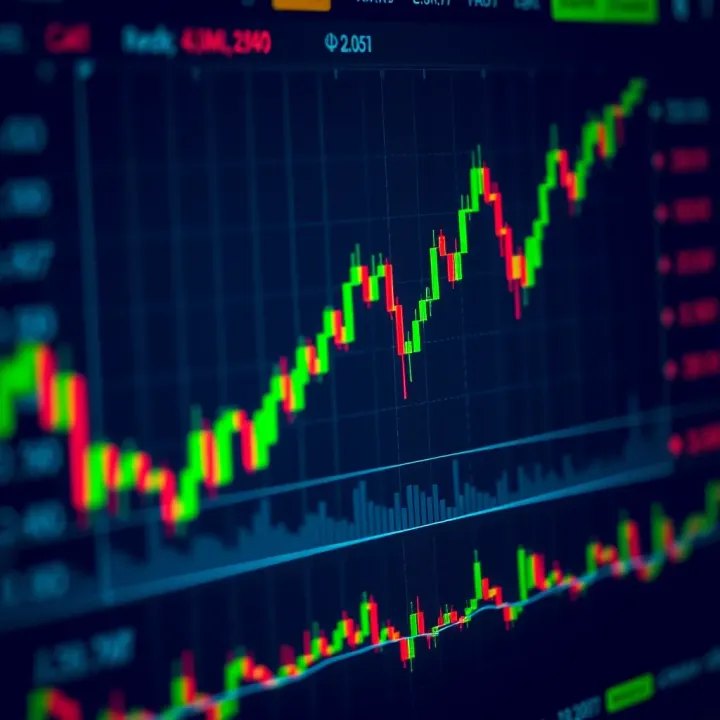
Binary options work like a digital yes-or-no proposition: the outcome is either all or nothing. This fixed return structure means managing risk is very different compared to buying or selling shares.
Low capital needed: Many brokers let you start with as little as ₦5,000.
Short timeframes: Trades can last from minutes to hours, suiting those who want quick results.
Accessible platforms: Many mobile-friendly apps cater to Nigerians, making trading flexible.
Understand the risks: Binary options can be highly volatile, and it's easy to lose money quickly.
Watch out for scams: Nigeria has seen fake brokers promising unrealistic returns. Always verify broker licences and reviews.
Regulatory status: The Securities and Exchange Commission (SEC Nigeria) currently cautions investors against unregulated binary option trading.
Set strict limits: Treat it as speculative, not guaranteed income. Don’t trade more than you can afford to lose.
While binary options are simple in concept, they demand discipline and a good grasp of the market. For Nigerian traders, taking time to research, using demo accounts, and sticking to reputable brokers helps reduce hazards and improves chances of success. This guide will further explain how binary options work, their pros and cons, and practical tips on trading safely within Nigeria’s unique finance environment.
Binary option trading offers Nigerian investors a straightforward way to speculate on financial markets without owning the underlying assets. This trading method suits those looking for quick decisions on price movements within a fixed timeframe. Understanding what binary options entail helps investors navigate its simplicity and unique structure compared to other investment types.
Binary options are a type of financial contract where you predict whether the price of an asset will go up or down by a set expiry time. The outcome is binary — either you win a fixed return if your prediction is correct, or you lose your investment if it isn't. For instance, if you predict that the price of the naira-dollar exchange rate will rise in the next hour, a correct forecast will pay a set profit, while a wrong one results in loss of your stake. This simplicity appeals to many Nigerian traders, especially those who want to avoid complex calculations or long-term market analysis.
Unlike traditional trading, where profits depend on the magnitude of price moves, binary options yield a fixed payout regardless of how much the price moves beyond the strike point. Also, traditional trading often requires holding positions longer and involves more capital. Binary options, on the other hand, work with fixed expiry times from minutes to hours, making it more of a short-term prediction game. This difference means Nigerian investors can start with smaller funds and possibly craft quicker gains, but must also be aware of the all-or-nothing risk.
Currency pairs remain among the most popular assets in binary option trading, especially for Nigerians who are keenly interested in forex trends. Pairs like USD/Naira or USD/GBP allow traders to speculate on exchange rate fluctuations. For example, during a fuel scarcity in Lagos impacting the naira’s value, an investor might bet on the naira weakening against the dollar within a short window, capitalising on these economic events.
Commodities like gold, oil, silver, and agricultural products feature prominently in binary trading. Nigerians understand the importance of oil prices, given Nigeria's economy heavily depends on petroleum exports. Traders can predict if Brent crude oil prices will rise or fall by the end of a session, using global events such as OPEC decisions or local disruptions to inform their bets.
Binary options also cover stocks of multinational firms and major indices like the Dow Jones or FTSE. Although Nigerian-specific indices like the NGX All-Share Index are less common on these platforms, global indices offer exposure to broader markets. An example would be trading on the likely direction of Apple's stock price after its quarterly earnings report, giving Nigerian investors indirect access to international equities without buying shares outright.
Binary option trading is about making good predictions on price direction within a set time, offering a unique way to engage financial markets with clear outcomes.
Understanding how binary option trading functions is key for Nigerian investors looking to grasp its practical use and risks. Unlike traditional trading that involves owning an asset, binary options depend on predicting whether the price of an asset will rise or fall within a specified period. This approach allows traders to focus purely on the direction of the price movement, making it straightforward compared to other trading methods.
Binary option trading revolves around two fundamental choices: call and put options. A call option means you predict the asset’s price will go up by the time your option expires. On the other hand, a put option means you expect the price to drop within that timeframe. For example, if you place a call option on the NGX index at ₦15,000 and it closes above that at expiry, you win your payout. If it closes below, you lose your stake.
These simple directional bets make binary options attractive for new traders, but accuracy in prediction is critical because the outcome is all-or-nothing. The simplicity does not eliminate the risk—you must understand the market’s behaviour well enough to make informed guesses.
Expiry times determine how long your trade remains active before the outcome is decided. They can vary from as short as 60 seconds to hours or even days. Short expiry times allow for quick trades and immediate results, which many Nigerian traders find appealing. However, rapid expiry demands sharp market timing and can increase volatility risk.
Longer expiry times give the market space to move more predictably but require patience and better trend analysis. For instance, if a trader bets on the price of crude oil rising over the next 24 hours, there’s more time for market forces like global supply news to take effect. Selecting an expiry time that matches your trading strategy and market knowledge is vital.

Binary option trading offers fixed payouts, meaning if your prediction is correct, you earn a predetermined profit, often around 70-90% of your investment. Conversely, if the trade doesn’t end in your favour, you lose your initial amount staked. For example, a ₦10,000 call option with an 80% payout will pay ₦18,000 if correct (your ₦10,000 investment plus ₦8,000 profit). If wrong, you lose ₦10,000.
This fixed risk-reward model contrasts with traditional stock trading, where gains or losses fluctuate. For Nigerian traders managing limited funds, knowing maximum possible loss upfront can aid in budgeting and risk control.
While binary options offer clear-cut outcomes, the risk-reward ratio usually favours the broker slightly due to payout percentages below 100%. Traders must recognise that even a small margin against them means consistent winning percentages over 50% are needed to profit in the long run.
Practically, this means Nigerian investors should combine solid market research and strict money management. For instance, knowing when to avoid trades during unpredictable events—like petrol subsidy announcements affecting the Naira or unexpected NDLEA news—helps preserve capital. Using demo accounts to practice recognising patterns before risking real ₦ is also recommended.
Mastering how binary option trading works, including the impact of call/put choices, expiry times, and fixed payouts, helps Nigerian investors make smarter, more controlled trading decisions in fast-moving markets.
Binary option trading presents a mix of clear benefits alongside notable risks. Nigerian investors must weigh these factors carefully before venturing into this market. The simplicity and straightforward nature of binary options can attract newcomers, but the high risk of loss and prevalence of scams mean that caution is necessary. Understanding both sides helps investors make smarter, safer choices.
Binary option trading is notably simple compared to traditional trading methods. You only need to predict whether an asset's price will rise or fall within a set time, like guessing if the stock price of Dangote Cement will be higher or lower in the next 15 minutes. This simplicity makes it accessible even for those without deep financial knowledge, which is ideal for many Nigerians just starting out in investing.
Moreover, the user interfaces of many binary option platforms, especially those targeting Nigerian traders, focus on clarity. With just a few clicks, you can place trades without complicated order types or margin requirements. This ease encourages more people, including retirees or young graduates, to try their hand at speculative trading without feeling overwhelmed.
A standout advantage is the relatively low amount of money needed to start. Many platforms allow trades from as little as ₦500 or ₦1,000, which contrasts sharply with traditional stock markets that often require more substantial sums. For example, while buying shares on the Nigerian Exchange (NGX) may cost tens of thousands of naira, binary options let you test strategies with pocket change.
This low barrier also suits Nigerians in lower-income brackets who wish to dip their toes into financial markets. However, this should not mislead anyone into thinking it's risk-free; the small stakes enable more frequent tries but do not guarantee consistent profit.
Despite its simplicity, binary option trading carries a significant risk of losing money quickly. The fixed expiry times mean decisions must be fast and often rely on short-term market moves, which can be erratic and influenced by factors outside a trader’s control. For instance, a sudden exchange rate announcement or political event can flip market direction unexpectedly.
Many Nigerian traders may find themselves losing repeatedly if they lack strong risk management. This high-risk aspect is why some financial experts caution that binary options are more akin to gambling than investment.
Binary options have become a target for scammers worldwide, and Nigerian traders are not exempt. Some platforms operate without proper licences, promising unrealistic returns or refusing withdrawals. For example, there have been cases where Nigerian users deposited funds only to face issues withdrawing them due to unclear terms or outright fraud.
Given this, Nigerians must be vigilant: always check if platforms are registered with the Securities and Exchange Commission Nigeria (SEC) or other trusted authorities. Besides licences, customer reviews and transparency over terms help identify trustworthy brokers. Staying away from offers that promise guaranteed huge returns with little effort is also wise.
Binary option trading can offer an easy entry into financial speculation, but its risks require clear understanding and careful platform selection.
Navigating the regulatory environment is vital for anyone interested in binary option trading in Nigeria. Understanding the legal framework helps protect you from scams, ensures compliance with local laws, and guides you in choosing legitimate platforms. Nigeria’s financial regulators, including the Central Bank of Nigeria (CBN) and the Securities and Exchange Commission (SEC), have clear positions on binary options that directly affect how traders operate.
The CBN has issued warnings several times about the risks of trading binary options, highlighting their classification as high-risk financial products. Importantly, the CBN does not licence any binary options brokers within Nigeria. This means platforms marketing themselves as local binary options brokers often operate without approval, raising the risk of fraud.
In practice, Nigerian investors should treat binary options as speculative instruments outside the traditional banking and investment frameworks regulated by the CBN. This position serves to protect Nigerians from losing money to unregulated operators, especially since many binary option platforms originate abroad and may not follow Nigeria’s consumer protection standards.
The Securities and Exchange Commission Nigeria oversees capital market activities and has also cautioned the public on binary options trading. While it recognises derivatives as financial products, binary options fall into a grey area since many platforms do not register or comply with SEC regulations. SEC’s advisories urge investors to verify the licensing status of brokers and avoid platforms that do not appear on the official SEC list.
For Nigerians, this means checking if a trading platform meets SEC standards can be a useful line of defence. While SEC does not outright ban binary options, it stresses investor education and vigilance since many scams hinge on misleading promises and fake credentials.
Legitimate trading platforms must hold relevant licences issued by recognised regulatory bodies. For Nigerian traders, the ideal brokers carry licences from globally respected authorities such as the UK’s Financial Conduct Authority (FCA), Australia’s ASIC, or Cyprus Securities and Exchange Commission (CySEC). Since the CBN and SEC do not currently licence binary options platforms directly, international credentials become a critical factor.
When evaluating a broker, check their website for licence numbers and confirm these with the issuing regulator’s database. Absence of verifiable registration is a strong warning sign. Legitimate brokers disclose these details openly and allow investors to perform due diligence before trading.
Trustworthy brokers tend to offer transparent terms, including clear information on fees, payout structures, and risk disclosures. Customer support that is accessible and responsive, including local Nigerian contact options or multilingual service, also points to a platform's reliability.
Other red flags include unrealistic guaranteed returns, pressure to deposit more funds, or refusal to allow withdrawals without complicated verification steps. Legitimate brokers abide by fair trading practices and usually offer demo accounts so traders can test the platform without risking real money.
Remember: The binary option market has attracted unscrupulous operators, so staying alert to platforms' credentials and behaviour can save you from significant losses. Always base your choice on verifiable facts rather than flashy marketing promises.
Being well-informed about Nigeria's regulatory landscape and understanding how to spot authentic operators sharpens your trading approach. This knowledge not only mitigates risks but also bolsters your confidence in navigating the financial markets safely.
Navigating binary option trading requires more than just understanding the basics—you also need solid practical guidelines tailored to the Nigerian context. These tips help traders avoid common pitfalls while maximising opportunities, especially given the unique challenges Nigerian investors face like unreliable internet, the volatility of the naira, and fluctuating regulatory frameworks.
Choosing between local and international brokers matters greatly for Nigerian traders. Local brokers often offer easier deposit and withdrawal options through Nigerian banks or platforms like Paystack and Flutterwave, making it simpler to move funds without extra currency exchange costs. However, international brokers may provide a wider range of assets and more advanced trading tools, which could be attractive if you want more options beyond the usual currency pairs or commodities.
That said, relying on an international broker comes with the risk of delayed support or complicated dispute resolution due to time zone differences. For example, a trader in Lagos might find it difficult to get timely customer service from a platform based in Europe. Weigh these pros and cons carefully before committing your funds.
A seamless user experience can make a huge difference, especially for beginners. Look out for platforms with a clean interface, clear charting tools, and mobile apps—many Nigerians prefer trading on smartphones due to connectivity and mobility needs. Brokers offering prompt and reliable customer support in English, with channels like live chat, phone, or WhatsApp, are preferable.
Customer service quality can mean the difference between fixing a withdrawal hiccup quickly or losing precious time and money. For instance, a Nigerian trader using a platform without proper localised support may get stuck waiting for answers, which could affect trading decisions during fast-moving market events.
A well-defined trading limit keeps losses manageable and prevents emotional decision-making. Nigerian traders should set daily or weekly caps on how much ₦ they are willing to risk. For example, starting with a ₦10,000 loss limit per day can protect your capital against the temptation to chase losses, especially during the hectic ember months when unexpected expenses often arise.
Adjust these limits as you gain experience, but always stick to them. Automated stop-loss features on some platforms can also help enforce discipline.
Rather than haphazardly guessing price directions, Nigerians should learn to read market trends and indicators. For example, if the naira is weakening consistently due to CBN monetary policy changes or foreign exchange scarcity, currency pairs involving NGN or related emerging market assets might trend predictably.
Understanding basic trend signals, like support and resistance levels or volume changes, can improve prediction accuracy and reduce losses. Combining this with fundamental analysis, such as monitoring Nigerian economic news, can give you an edge.
Demo accounts are free practice environments where you can trade with virtual funds. This is particularly useful for Nigerian beginners who want hands-on experience without risking hard-earned money. Platforms like IQ Option or Pocket Option offer demo accounts that mimic live market conditions.
Experimenting here helps you get familiar with platform features, test strategies, and build confidence before moving to real money trades.
Access to quality educational resources tailored for Nigerian traders is invaluable. Look for online courses that cover market fundamentals, trading psychology, and strategies specifically for binary options.
Some Nigerian fintech blogs and YouTube channels provide tutorials that consider local context—like managing naira volatility or choosing reliable brokers under Nigerian regulations. These resources often explain concepts in simple terms, making it easier to grasp the complexities of trading.
Starting with the right platform, managing your risk wisely, and learning continuously will greatly improve your chances of succeeding in binary option trading as a Nigerian investor. Practical preparation is the bedrock of smart trading decisions.
Discover how to trade binary options confidently in Nigeria 📈. Learn key strategies, risks, and mechanics to make smarter trading decisions today.
📊 Learn how binary options indicators claim 95% accuracy in Nigeria's market, their reliability, risks, and tips for effective trading strategies. 💡

📊 Explore binary option trading in Nigeria! Learn how it works, key strategies, risks, benefits, and tips to trade smarter and protect your funds. 💡

📊 Discover how binary investment works in Nigeria 🇳🇬, explore key types, risks, and top tips to trade smart and protect your finances in today’s market.
Based on 7 reviews