
Binary Options Indicators Explained for Nigerian Traders
📊 Learn how binary options indicators claim 95% accuracy in Nigeria's market, their reliability, risks, and tips for effective trading strategies. 💡
Edited By
James Carter
Binary options trading has gained traction among Nigerian traders keen on quick returns from financial markets. However, trading these instruments without proper regulation poses serious risks. A binary options trading licence acts as a formal permission, allowing brokers or trading platforms to operate legitimately while providing traders with a measure of safety and legal protection.
Understanding the licensing framework is vital for anyone dealing in binary options. Unlike traditional securities, binary options are simplified contracts that settle on a yes/no outcome, usually within a short time frame. Because of their speculative nature, many jurisdictions enforce strict regulatory measures to mitigate fraud and protect investors.
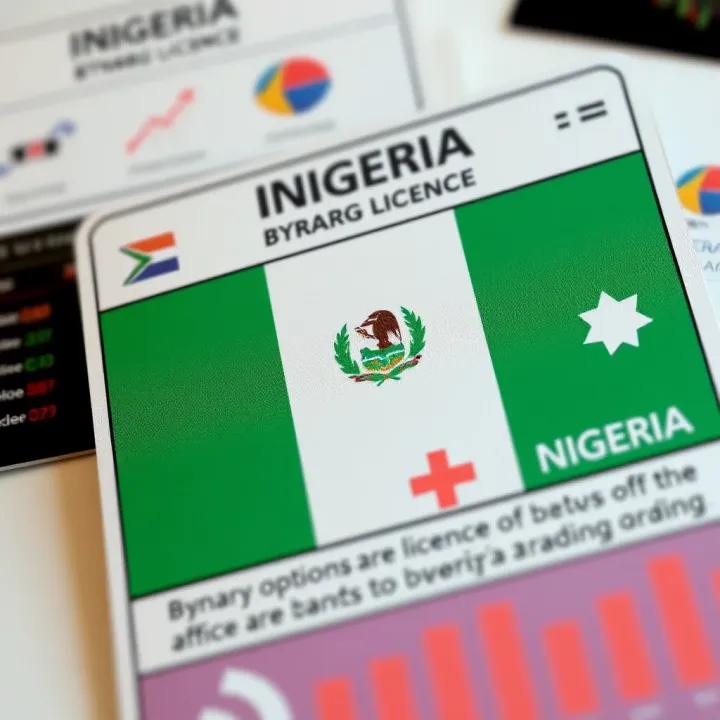
In Nigeria, the Securities and Exchange Commission (SEC) regulates trading activities, although explicit licensing for binary options is still evolving. Traders should seek platforms registered with genuine financial authorities, whether locally or internationally, to avoid falling victim to scams. For example, some offshore brokers operate without Nigerian oversight, increasing the risk of losing funds without recourse.
Obtaining a binary options trading licence typically involves meeting financial soundness, compliance with anti-money laundering (AML) rules, and submitting detailed operational plans for approval. This process not only curbs unscrupulous actors but also reinforces trust in the trading ecosystem.
Trading on unlicensed platforms exposes you to the danger of losing your investment without any legal backup or dispute resolution mechanism. Nigerian traders should prioritise compliance and demand transparency from brokers.
Key points Nigerian traders should consider:
Verify traders’ or platforms’ registration status with Nigerian SEC or recognised international regulators.
Understand that licensing involves checks on fund security, fair trading practices, and data protection.
Be wary of platforms promising guaranteed profits or operating anonymous sites without clear contact details.
Recognise that while licensing may involve some cost, it safeguards your investment over the long run.
Grasping the value of a binary options trading licence helps Nigerian traders steer clear of fraud and trade confidently. This article will unpack the regulatory landscape, how licences are issued, and how you can stay within the law while exploring binary options markets both at home and abroad.
A binary options trading licence acts like a permit that allows an individual or company to legally offer binary options trading services. Binary options are financial contracts where you bet on whether an asset’s price will be above or below a certain level at a specific time. For example, a trader might predict if the price of oil will be higher than $70 at 3 pm tomorrow. If correct, they gain a fixed payout; if wrong, they lose their stake. This simplicity attracts many Nigerian traders looking for fast returns but also carries significant risks.
Regulators insist on trading licences to keep the market orderly and protect traders. Without a licence, anyone can open a trading platform, often with little oversight. This can lead to scams or unfair practices that hurt investors. For instance, some unlicensed platforms manipulate prices or delay withdrawals, trapping traders' funds. Licensing ensures that only operators meeting strict standards can run these platforms, reducing fraud risk and boosting confidence.
Licences also protect market integrity by demanding transparency and accountability. They require trading platforms to keep accurate records, conduct fair trades, and separate clients' funds from their operating capital. This way, if a broker runs into financial trouble, client money isn’t caught up in the mess. Nigerian traders especially benefit as the market remains volatile, and having trustworthy operators limits chances of losses due to dishonest activities.
Binary options, though easy to understand, are complex financial products that require careful regulation. They are essentially bets on short-term price movements across assets like stocks, currencies, or commodities. Because of the potential for quick profit or rapid loss, regulators view them as high-risk instruments needing strict control.
Trading licences exist to make sure brokers and platforms comply with rules designed to safeguard market participants. Regulators demand licences to assess if an applicant has the financial strength, expertise, and honesty necessary to operate. This guards against operators who might disappear with clients’ money or use manipulative tactics.
Licensing serves to prevent bad actors from preying on unsuspecting traders. It puts a legal framework around trading activities, so when issues arise, regulators can hold parties accountable. For Nigerian traders, it also means there’s a clearer route to legal recourse if disputes occur.
Applicants usually need to meet several key requirements before receiving a licence. These include proving a minimum capital reserve, demonstrating experience in financial services, and submitting to background checks on directors and key staff. Such steps minimise the risk of fraud or operational failure.
The licence defines the scope of activities a holder can engage in. Typically, it covers offering binary options services, marketing to the public, managing client accounts, and handling deposits and withdrawals. This ensures brokers do not offer products outside their regulatory approval.
Compliance obligations are central to maintaining a licence. Licensed brokers must submit regular reports, allow audits, protect client funds, and operate transparently. They have to monitor suspicious activities and prevent money laundering. Failure to meet these obligations can lead to fines, licence suspension, or revocation.
For Nigerian traders, trading with licensed brokers reduces risks by ensuring platforms operate under strict oversight and legal accountability. Always ask if your broker holds a valid licence before committing funds.
By understanding what a binary options trading licence means, Nigerian traders can better navigate the market and make safer investment choices.
Regulating binary options trading in Nigeria is vital for protecting investors and ensuring the integrity of financial markets. Since binary options can be risky, proper oversight helps curb fraudulent schemes and builds confidence among traders who want to engage in this asset class responsibly.
The Securities and Exchange Commission (SEC): The SEC is the primary body responsible for regulating securities and investment products, including binary options. Its role includes licensing brokers, monitoring compliance, and prosecuting firms that operate without approval. For example, SEC regularly issues warnings against unlicensed brokers to shield Nigerian traders from scams that have caused many to lose significant sums.
The SEC’s regulations require brokers to meet certain capital thresholds and demonstrate transparency in their trading systems. Traders benefit because these rules reduce the likelihood of market manipulation and protect investors from deceptive practices.
Central Bank of Nigeria’s (CBN) position: The CBN primarily oversees the country’s banking and foreign exchange activities. While it does not directly license binary options platforms, its stance influences how payments related to trading are handled. The CBN discourages transactions with unregulated and offshore platforms, especially those that bypass the official foreign exchange market. This policy affects how traders deposit or withdraw funds from binary options accounts.
The CBN’s controls on foreign exchange fluctuations mean that platforms must provide clear mechanisms for converting Naira (₦) to foreign currencies, ensuring traders don't suffer unnecessary losses due to naira volatility.
Policies on unlicensed or offshore brokers: Both SEC and CBN have taken a firm line on brokers that operate without local licences or from offshore jurisdictions lacking adequate regulation. Nigerian authorities often blacklist such brokers, warning traders about the risks involved, including difficulties in withdrawing funds and lack of legal recourse.
For instance, many Nigerians have fallen victim to offshore platforms that suddenly disappear after collecting deposits. The government’s policies aim to discourage local banks from facilitating transactions with these entities, making it harder for unregulated brokers to operate within Nigeria.
Prevalence of unregulated brokers operating in Nigeria: Despite SEC’s efforts, Nigeria’s large and tech-savvy population means unlicensed brokers still find ways to attract clients. These brokers often use social media and messaging apps to advertise promises of quick profits, preying on traders’ eagerness. The SEC faces difficulties tracking and prosecuting these entities, especially when they operate from outside Nigeria.
Impact of naira volatility on trading platforms: The frequent fluctuation of the naira’s value against major currencies complicates trading for both brokers and clients. For example, sudden naira depreciation could lead to unexpected losses when converting profits from dollars back to naira, discouraging traders from fully trusting platforms.
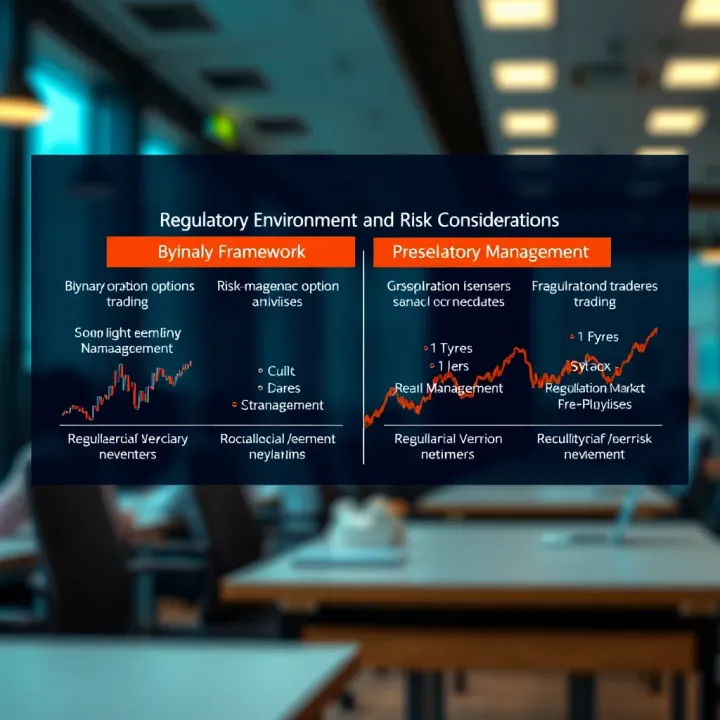
Platforms must carefully manage currency exchange risks, often passing some of these costs to traders which can reduce overall returns. This challenge pressures regulators and operators to find solutions that stabilise trading conditions.
Efforts to raise trader awareness and protection: Nigerian regulators organise public awareness campaigns to educate the populace on licensing issues and the dangers of unregulated trading. These efforts include workshops, broadcasts, and collaboration with fintech firms to promote safer trading environments.
Initiatives by SEC and consumer protection agencies also encourage traders to verify platform licences before investing. Improved awareness helps reduce the number of people falling for scams and strengthens the demand for licensed, trustworthy brokers.
Traders should always confirm a broker’s licence status with SEC to avoid falling victim to fraudulent schemes.
Securing a binary options trading licence is a critical step for any operator aiming to conduct trading activities legitimately in Nigeria. It not only ensures regulatory compliance but also builds trust among traders and investors, offering protection against fraudulent schemes common in this space.
Applicants must demonstrate adequate financial resources to sustain their operations and cover potential liabilities. Typically, the Securities and Exchange Commission (SEC) requires applicants to have a minimum capital base, which varies but usually falls around ₦50 million. This capital cushion helps ensure the business can handle market fluctuations and client transactions responsibly.
Besides capital, proof of sound financial history is essential. This means clean records with no recent defaults or bankruptcies. A company with poor financial standing is less likely to meet ongoing compliance requirements or protect its customers effectively.
Regulators look closely at the experience of key personnel managing the trading platform. Having managers and directors with backgrounds in finance, investment, or fintech adds credibility. For example, a CEO with prior work at reputable Nigerian banks or fintech firms like Paystack or Flutterwave signals competence.
Credentials such as certifications in finance or risk management support the application, showing the team understands market risks and client asset protection. Without qualified leadership, a licence application tends to face rejection or delays.
Applicants undergo fit and proper tests to confirm they meet ethical and professional standards. This includes background checks to exclude involvement in financial crimes or regulatory breaches.
The process covers directors, shareholders, and other significant stakeholders. For instance, if any party has previous sanctions from Nigerian regulators or international bodies, it might disqualify the application. These checks aim to maintain integrity in Nigeria’s financial markets.
A robust application must include detailed business plans, company structure, audited financial statements, and proof of capital. Operators may need to submit evidence of IT infrastructure security and risk management policies, which assure regulators of operational readiness.
Transparency is key. Incomplete or vague disclosures often lead to requests for more information or outright refusal, costing time and money.
Applications for binary options licences in Nigeria are typically directed to the SEC, which handles capital market trader approvals. Submission must follow SEC guidelines, often requiring physical files and digital copies.
Following submission, applicants should be ready to engage with SEC officials for clarifications or supplementary documentation. This stage can be demanding but is crucial to move the process forward.
The review process usually takes between three to six months but can stretch longer depending on document completeness and regulatory workload.
Possible outcomes include licence approval, conditional approval pending adjustments, or rejection with reasons. Operators should prepare for follow-up communications and be proactive in resolving issues swiftly.
Holding a licence is not the end of the road. Regulatory authorities mandate regular audits and strict record-keeping to monitor ongoing adherence to rules. For example, financial statements may need annual audits by qualified firms.
Accurate transaction records and client fund segregation are common requirements to prevent misuse and ensure transparency.
Licensed operators must uphold fair trading principles, including avoiding market manipulation and unfair practices. They must also provide clear information on risks involved and maintain efficient client complaint mechanisms.
Protecting client funds through segregation and ensuring prompt settlements are often monitored by regulators to maintain confidence in the market.
Failure to meet post-licence obligations can attract penalties ranging from fines and licence suspension to permanent revocation. In severe cases, criminal prosecution may follow.
Such sanctions affect the operator's reputation and ability to do business in Nigeria and beyond, making compliance essential not just legally but commercially.
Obtaining a binary options trading licence requires financial readiness, proven competence, and ongoing commitment to regulatory standards — key elements to operate securely and earn trader trust in Nigeria’s growing fintech market.
Trading binary options without a valid licence carries significant risks, especially for Nigerian traders. Without regulatory oversight, these platforms often operate with little transparency, leaving traders exposed to scams and unfair practices. Understanding these risks helps traders protect their investments and avoid costly mistakes.
Fraudsters frequently lure Nigerian traders with promises of quick profits and low risks. One of their common tactics is offering unrealistic returns—sometimes over 80% on short-term trades—to entice unsuspecting users. They may also pressure traders to deposit large amounts upfront or use aggressive sales pitches through social media and messaging apps. Watch out for platforms that encourage repeated deposits without allowing withdrawals or suddenly demand additional fees.
Unlicensed platforms often lack clear contact details or regulatory registration information. They may also present poorly designed websites, offer bonus schemes that seem too good to be true, or refuse to provide transparent terms and conditions. A major warning sign is difficulty withdrawing profits or delays stretching into weeks. Nigerian traders should be cautious of brokers that lack transparency about their office locations or employ high-pressure tactics to keep users depositing funds.
Operating an unlicensed binary options platform in Nigeria is illegal under SEC regulations and may attract penalties, including fines and criminal prosecution. Traders using such platforms could unwittingly become part of illegal activities, exposing themselves to investigations. While penalties for users are less common, engaging with unlicensed brokers may still complicate legal recourse if disputes arise.
One of the harsh realities for unlicensed binary options traders is the rarity of fund recovery. Since unregulated brokers operate outside Nigerian jurisdiction, legal mechanisms like chargebacks or court orders are often ineffective. For example, a trader who deposited ₦500,000 on a rogue platform and later found it impossible to withdraw earnings might face months of fruitless efforts, often with no success.
Engaging unlicensed brokers can indirectly harm a trader’s creditworthiness and reputation. If scams result in unpaid debts or failed loan repayments, this could affect credit scores with Nigerian financial institutions. Moreover, losing substantial funds might damage professional reputations or strain personal relationships, especially where family and social expectations intersect with financial dealings.
Always verify the licence status of a binary options platform before investing. Staying within regulated environments shields you from fraud, protects your funds, and builds long-term trust in your trading activities.
Understanding how major financial markets regulate binary options trading offers Nigerian traders and regulators valuable insights. Examining international licensing standards helps highlight practical approaches and potential pitfalls relevant to Nigeria’s evolving market. This section explores key licensing bodies abroad and the lessons Nigeria can draw from their experiences.
Cyprus Securities and Exchange Commission (CySEC) stands as a leading authority in regulating binary options within the European Union. Licensed brokers under CySEC must meet stringent capital requirements and maintain transparent operations, including client fund segregation. This framework aims to protect traders from fraud and promote market integrity. For Nigerian traders, CySEC's licence often signals a more credible broker, although scammers have sometimes abused this reputation by falsely claiming CySEC affiliation.
The Financial Conduct Authority (FCA) applies rigorous standards to binary options trading. Notably, since 2018, the FCA banned the sale of binary options to retail consumers within the UK, citing high risks and frequent losses. This bold regulatory stance demonstrates a protective approach prioritising consumer safety. Nigerian regulators can consider such proactive measures to shield local traders from high-risk financial products that have caused widespread losses elsewhere.
The Australian Securities and Investments Commission (ASIC) enforces strict licensing conditions centred on transparency and risk disclosure. ASIC-licensed brokers must demonstrate robust compliance systems and provide fair trading venues. Unlike the FCA’s ban, ASIC allows binary options trading but imposes limits on contract durations and investment amounts to reduce speculative abuses. This balance between regulation and access offers a practical model Nigeria might adapt, especially given the youthful and enterprising Nigerian trading community.
Adopting tested regulatory practices from established authorities can strengthen Nigeria’s binary options licensing regime. Clear capital requirements, client fund protection, and mandatory disclosures improve investor confidence and reduce fraud. Moreover, these practices facilitate Nigeria's integration into the global financial ecosystem, attracting legitimate fintech investments and promoting trust in local exchanges.
Nigeria faces unique obstacles in implementing international standards wholesale. Issues like infrastructural gaps, varying levels of trader financial literacy, and local market dynamics require tailored approaches. For instance, strict capital thresholds may limit the entry of startups in Nigeria’s growing fintech scene. Environmental factors like power supply instability may also affect compliance capabilities compared to Western countries.
Cross-border collaboration helps combat scams and unlicensed operators whose platforms often target Nigerian traders. Information sharing between Nigeria’s Securities and Exchange Commission, CySEC, FCA, and ASIC can assist in tracking fraudulent brokers and shutting down illegal operations. Joint efforts also improve enforcement efficiency, crucial given the global and digital nature of binary options trading.
Learning from international regulators supports Nigeria's drive toward safer, more reliable binary options trading. Adapting these lessons to local realities will better protect traders and encourage industry growth.
📊 Learn how binary options indicators claim 95% accuracy in Nigeria's market, their reliability, risks, and tips for effective trading strategies. 💡

Explore how Nigerian traders can find trustworthy binary options forums ✅, avoid scams 🚫, and use peer advice 💬 to sharpen trading strategies safely 📊.
Learn how to pick the right binary options broker in Nigeria 🇳🇬. Get tips on regulation, platform features, accounts, and safe trading to protect your funds 💹.
Looking for a trusted binary options broker in Nigeria? Discover top platforms, understand regulations, and get safe trading tips to boost your confidence 📊🇳🇬
Based on 6 reviews