
Choosing the Best Crypto Trading Bot in Nigeria
Explore top crypto trading bots for Nigerian traders 🚀 Find key features, risks, and tips to choose the bot that matches your style and goals safely 🛡️
Edited By
Sophie Turner
Automated trading bots, often called bot binaries, have steadily gained attention among Nigerian traders seeking faster, emotion-free decision-making. These programs execute trades on binary options markets based on pre-set algorithms, allowing users to enter and exit positions without manual intervention. While the technology promises efficiency, it also brings considerable risk, especially in Nigeria's volatile financial landscape.
Binary options are contracts predicting whether an asset's price will rise or fall within a specific timeframe. Bot binaries automate this by scanning market data and placing trades based on coded strategies. For example, a bot might watch currency pairs like USD/NGN or commodities such as crude oil, responding instantly to market movements without hesitation.
The growing availability of internet access and popular trading apps has made bot binaries accessible to many Nigerians, including students and retail traders. However, the technical side is complex: bots rely on signals, historical data patterns, and sometimes artificial intelligence to guide decisions. This means their effectiveness depends heavily on the quality of programming and the reliability of market data feeds.
Trading bots remove human emotion but introduce technology risks. Faulty algorithms or delayed data can cause losses faster than traditional methods.
For Nigerian traders, understanding how these bots operate is essential. The market’s unpredictability, Nigeria's fluctuating naira exchange rate, and irregular forex availability make automated strategies more prone to error. Nigeria's regulatory framework on binary options and automated trading remains fuzzy, requiring traders to be cautious and seek platforms compliant with the Securities and Exchange Commission (SEC) Nigeria regulations.
Here are some practical tips for Nigerians considering bot binaries:
Start with demo accounts to test bot performance before risking real money
Use bots from reputable developers with transparent strategies
Avoid relying solely on bots; combine with personal market knowledge
Stay updated on SE C Nigeria guidelines and warnings about fraudulent platforms
Monitor trades regularly to intervene if unexpected market shifts occur
In short, automated trading bots offer exciting possibilities but demand a cautious approach in the Nigerian context. Knowing their strengths and limits can protect your ₦ and improve trading outcomes.
Understanding the basics of bot binary and automated trading is essential for anyone looking to navigate Nigeria's fast-evolving financial markets. Automated trading bots have become popular among traders seeking to bypass emotional decision-making and react swiftly to market movements. Especially in a volatile environment like Nigeria’s, where naira fluctuations and market swings are common, such tools can give traders an edge.
Automated trading bots are computer programs designed to execute trades based on predefined rules without human intervention. This makes trading more efficient and allows strategies to run continuously, even outside regular market hours. For example, a trader using a bot can programme it to buy or sell binary options at specific price points, reducing the need to monitor the market constantly.
At its core, a bot binary is an automated system that trades binary options on behalf of the user. These bots analyse market data, follow preset criteria or algorithms, and execute trades instantly when conditions align. This automation helps cut down on human errors such as panic selling or delayed reactions, which are common among manual traders.
In the Nigerian context, where internet connectivity or power supply may be inconsistent, bots ensure trades happen seamlessly once configured. They act as your personal trading assistant, handling the busy work while you focus on strategy.
Binary options are financial contracts where the outcome is either a fixed monetary gain or a total loss, depending on whether the asset's price meets certain conditions at expiry. Unlike traditional trading where profits scale with price movement, binary options simplify decisions to a yes-or-no bet. For example, predicting if the price of oil will rise above $70 within 30 minutes.
This simplicity attracts many Nigerian traders, but it also carries the risk of quick losses. Automated bots can help by systematically applying tested strategies to binary options, aiming to improve consistency in results.
Bots connect to binary options platforms through application programming interfaces (APIs), allowing them to receive live market data and place trades in real-time. They continuously monitor the market, scanning for opportunities defined by their algorithms—like sudden price jumps or specific chart patterns.
For Nigerian traders, this means bots can react faster than manual trading to market events, potentially capitalising on brief price movements. However, they also require reliable internet and integration with local brokers to operate effectively.
Algorithmic bots follow strict rules set by traders or developers. They execute trades based on technical indicators such as moving averages or RSI (Relative Strength Index). These bots are useful for traders who have specific strategies but want to avoid the fatigue of constant market watching.
For instance, a trader could programme an algorithmic bot to buy when the RSI drops below 30, a signal of an oversold asset. This kind of disciplined approach often leads to more consistent results over time.
Signal-based bots depend on external trading signals generated by professional analysts or crowd-sourced sources. The bot receives these signals and triggers trades accordingly. This type benefits users who prefer to leverage expert market insights without monitoring charts themselves.
In Nigeria, some platforms provide signal services tailored to local market sentiments, which can be handy during volatile sessions influenced by global oil prices or local economic news.
These bots use machine learning algorithms to adapt and improve trading strategies based on past performance. Rather than relying on fixed rules, they learn from market behaviour patterns and adjust their trades accordingly.
While still relatively advanced and less common in Nigeria due to resource demands, these bots offer the potential for smarter, evolving trading. They can sift through big data — like historical price trends and economic indicators — to make more informed trading decisions over time.
Automated trading bots in binary options offer Nigerian traders tools to sharpen their trading edge. Understanding their differences helps traders pick a bot that aligns with their strategy, risk appetite, and market conditions.
Understanding the technology behind bot binary operations is vital for Nigerian traders who want to navigate automated trading efficiently. These technologies power how bots read market data, make decisions, and execute trades rapidly, which is essential in the fast-paced world of binary options.
Binary trading bots rely heavily on gathering real-time data from various sources like price feeds, market indicators, and historical trends. This continuous data flow enables bots to analyse patterns and market signals instantly. For example, a bot monitoring currency pairs relevant to Nigeria’s economy — such as USD/NGN — can spot sudden price movements caused by changes in oil prices or political news, informing smarter trade choices.
Data analysis is also crucial to filter noise from meaningful trends. Bots use technical indicators like moving averages or Relative Strength Index (RSI) to assess when to enter or exit trades. Without precise data collection and analysis, automated trading would be no better than guessing.
Once data is processed, decision-making algorithms take over. These are the core of any bot, designed to interpret complex market signals and decide on trade actions. Algorithms can be simple rule-based systems, e.g., buy if price exceeds a certain threshold, or more advanced machine learning models that improve decisions over time by recognising hidden market patterns.
For Nigerian traders, decision algorithms that adapt to volatility caused by naira fluctuations or market shocks are particularly useful. They help avoid blind spots that could lead to rapid losses in unpredictable conditions. Ultimately, these algorithms aim to increase consistency and reduce emotional errors common in manual binary trading.
Timely order execution is critical in binary trading where opportunities last only seconds to minutes. Trading bots connect directly with platforms to place orders instantly once the algorithm approves a trade. This speed can prevent missed chances or slippage, where the trade executes at a poorer price than intended.
Bots also manage order size and stop-loss levels automatically, protecting the trader from overexposure. By automating these details, users avoid the stress and delays that come with manual order placement, especially when markets are volatile or during ember months when liquidity can be erratic.
Application Programming Interfaces (APIs) allow bots to communicate seamlessly with trading platforms. This connection is the backbone of automation, providing live market data and sending trade commands. Reliable API integration ensures the bot's operations are swift and accurate.
In Nigeria, brokers offering robust, well-documented APIs are preferred. Poor connectivity can lead to delays or failed trades, which can cost money fast in binary options. Hence, traders often look for platforms with strong API support and stable internet connectivity.
Not all global binary trading bots work flawlessly with Nigerian brokers due to platform differences or regulatory restrictions. Compatibility matters because a bot must understand the broker's order system, trading hours, and supported assets.
For instance, if a bot is optimised for a platform operating only in US markets, it might miss Nigeria-specific trading nuances like currency controls or local market holidays. Nigerian traders benefit most from bots that integrate smoothly with local brokers such as those accepting naira deposits and complying with Nigerian financial regulations.
An intuitive user interface (UI) and flexible customisation are key for Nigerian traders, especially those not deeply technical. A clear UI allows users to monitor bot activity, adjust settings, and intervene if necessary.
Customisation options might include setting trade limits, risk tolerance levels, or choosing specific assets to focus on — important for managing risk in Nigeria's volatile currency environment. Such flexibility helps traders tailor operations to their goals without needing full coding skills, making automated trading accessible beyond tech experts.
Strong technology combined with user-friendly design and robust platform integration forms the backbone for effective and secure bot binary trading in Nigeria.
By understanding these technological aspects, traders position themselves better to harness bots' potential, while gauging risks and staying in control.
Exploring risks associated with bot binary trading in Nigeria is essential for anyone interested in automated trading. This section sheds light on financial dangers, security pitfalls, and regulatory uncertainties that traders regularly face. By understanding these risks, Nigerian traders can make smarter decisions and better protect their investments.
Binary options are known for their high volatility, meaning prices can swing widely within short periods. This volatility often makes automated trading bots struggle to predict market movements accurately. For example, a sudden change in oil prices or a political announcement can drastically shift market direction within minutes, causing bots programmed on past data to misfire. Nigerian traders relying solely on bots without monitoring may find their accounts wiped out unexpectedly.
Automated trading bots operate on algorithms and predefined strategies, which sadly do not guarantee profits. Even the best-designed bots can fail during unusual market conditions or unexpected events. In Nigeria, where electricity outages or unstable internet can disrupt live connections, bots might place faulty trades or miss critical signals. These operational gaps lead to financial losses that often exceed a trader’s expectations, especially if risk controls like stop losses are ignored.
The naira's volatility against major currencies adds another layer of risk for Nigerian traders using bot binary services, usually denominated in dollars or euros. A sudden depreciation of the naira can erode profits when converting back to local currency. Similarly, high exchange rate fluctuations can distort the perceived value of investments and complicate risk management. Traders need to factor in foreign exchange risks especially when funding accounts or withdrawing proceeds.
The popularity of bot binary trading has attracted numerous scammers offering fake bots or unrealistic profit claims. Many fraudsters use aggressive marketing, promising guaranteed returns or insider strategies to lure unwary Nigerians. Unfortunately, some bots are outright rigged or connect to shady brokers, leading users to lose their capital. Nigerian traders should always verify the authenticity of bot providers by checking reviews, regulatory compliance, and demo testing before committing funds.
Using bot binary platforms requires sharing sensitive information such as bank details, identity numbers, or trading accounts. Poorly secured bots increase the risk of data leaks or hacking attempts, putting traders at danger of financial theft. In Nigeria where cybercrime grows fast, account hacking and identity theft are real threats. Employing bots with strong encryption, two-factor authentication, and updated security protocols is crucial to safeguard personal and financial data.
Nigeria’s regulatory environment for binary trading and automated bots remains somewhat unclear and evolving. While the Securities and Exchange Commission (SEC) monitors investment activities, enforcement on overseas bots and brokers is limited. This regulatory gap makes it hard to resolve disputes or protect traders from malpractice. Nigerian investors should stay updated on SEC announcements and only use bots operated by registered and licensed entities to minimise regulatory risks.
Nigerian traders must balance the lure of quick gains from bot binary with the realities of market volatility, scams, and weak oversight.
Understanding these risks helps navigate automated trading more cautiously and avoid common pitfalls in Nigeria's challenging financial environment.
Automated trading bots, or bot binaries, offer Nigerian traders a streamlined path into binary options markets. However, without careful handling, they might erode rather than grow your capital. Practical tips help traders navigate this technology wisely—understanding how to pick trustworthy bots, manage risks, and blend automation with personal insights can make the difference between profit and loss.
Start by checking if the bot provider operates transparently. Legitimate services usually publish information about their business registration, developers' backgrounds, and any certifications obtained. For instance, if a bot service claims to be endorsed by a Nigerian regulatory agency like the Securities and Exchange Commission (SEC), verifying it via SEC's official channels is crucial. This ensures the bot is not some fly-by-night outfit aimed at scamming traders.
It's also helpful to confirm if the vendor has a history of reliable performance. Contacting Nigerian traders who have used their bots, or industry insiders, can provide insight beyond official claims.
Before committing real money, experiment with demo accounts offered by many brokers or bot providers. These accounts simulate live conditions without financial risk, letting you observe how the bot behaves in various market scenarios. For example, you might notice how it handles sudden naira fluctuations during forex trading hours.
Demo testing highlights practical concerns like the bot's response time, loss-cutting mechanisms, and ease of customisation. By testing thoroughly, you avoid surprises after funding the account.
User reviews expose common patterns only official claims hide. Look for feedback on Nigerian trading forums, social media groups, and platforms like Trustpilot. Pay attention to repeated complaints about delays in withdrawals, unexpected losses, or poor customer support.
Be wary of bots with overwhelmingly perfect reviews lacking critical comments; these may be artificially generated. Conversely, constructive criticism helps you understand limitations and better plan your trading strategy.
One way to control potential losses is to cap how much the bot trades per session or day. For example, a trader might decide not to allow trades exceeding ₦50,000 at a time, especially during volatile periods like ember months or election cycles.
Limits prevent bots from overcommitting based on faulty signals or sudden swings, which are common in Nigeria's unstable forex and commodity markets.
Though bots operate autonomously, periodic oversight is necessary. Market conditions shift, and bots require updates or parameter adjustments to stay effective. Nigerian traders should check performance at least daily, especially when unexpected events like CBN policy changes disrupt market trends.
Also, keep the bot software up-to-date to protect against security vulnerabilities and improve functionality. Many updates improve compatibility with brokers relevant to Nigeria.
Relying solely on automation can blind you to key market signals bots can't interpret, such as political developments or local economic news impacting the naira. Merging bot operations with manual trading lets you intervene when intuition or fresh data suggests a pause or shift.
For instance, during a sudden fuel scarcity that affects production sectors, manual adjustments might avoid losses automated systems would absorb.
Successful trading in Nigeria requires smart use of tools combined with human judgement. Bots can handle routine trades efficiently, but keeping a hands-on approach safeguards your ₦ investment.
By applying these tips, Nigerian traders can approach bot binary trading with caution, prudence, and a better chance of consistent gains in an unpredictable market environment.
The regulatory environment in Nigeria plays a major role in shaping how automated trading, especially bot binary, operates in the country. Clear rules help protect traders from scams and market abuse while allowing technology innovation to thrive. Understanding current regulations and anticipating future changes is essential for anyone involved in binary trading using bots.
The Securities and Exchange Commission (SEC) in Nigeria holds responsibility for regulating capital markets, including trading activities involving binary options and automated bots. The SEC's mandate includes licensing brokers and vendors that offer trading services, ensuring they meet standards of transparency and fair dealing. For instance, any company offering bot binary services must be registered and demonstrate effective risk management procedures to avoid misleading traders.
Beyond licensing, the SEC continuously monitors market practices to nip fraudulent schemes in the bud. Nigerian traders should check that their brokers and bot providers conform to SEC-approved frameworks to reduce exposure to fake platforms. This regulatory oversight, although still evolving for binary options, helps create a safer trading environment.
The Central Bank of Nigeria (CBN) governs payments, currency controls, and the overall financial system health. While the CBN does not directly regulate trading bots, its policies influence binary trading through rules on foreign exchange and electronic payments.
For example, CBN restrictions on dollar transfers affect how traders fund accounts with international platforms, impacting bot binary users who rely on foreign brokers. Nigerian users must navigate CBN rules by using approved payment channels and services. Also, policies on KYC (Know Your Customer) and anti-money laundering require all trading vendors and brokers to verify trader identities, reducing fraud risks.
Traders and bot providers in Nigeria must adhere to several compliance rules. Vendors are required to maintain transparent operating records and submit regular reports to regulators like SEC and CBN. Failure to comply can lead to licence suspension or fines.
On the trader side, individuals must provide valid identification such as the National Identification Number (NIN) and Bank Verification Number (BVN) when registering with brokers or bot services. This ensures traceability and accountability. Traders should also be vigilant about understanding the terms of use and trading risks outlined by their bot providers.
Bot binary technology is advancing swiftly, with more sophisticated algorithms and artificial intelligence capabilities becoming common. Bots today can analyse Nigerian market data, news, and currency trends quicker and more accurately than before.
These improvements enable traders to make better decisions and potentially increase profits. However, the tech’s complexity demands users have a clearer understanding to avoid misconfigurations that lead to losses. Vendors are also introducing more user-friendly interfaces tailored to Nigerian preferences, making bot usage smoother.
Nigeria's young, tech-savvy population is showing growing interest in automated trading tools, including bot binaries. Online forums and social media buzz with discussions on how bots reduce manual efforts and widen access to financial markets.
This rising enthusiasm is partly driven by challenges like unstable naira exchange rates and economic uncertainties, pushing traders to seek new methods for income generation. However, many new users still require education on the limits and risks of bots to avoid losing funds swiftly.
Regulators in Nigeria are expected to refine policies around automated trading and bot binaries as market adoption rises. We might soon see clearer guidelines specific to bot functionalities and mandatory vendor disclosures to boost transparency.
On the market side, growth opportunities exist as more Nigerians embrace digital investing. With better regulation and evolving technology, bot binary trading could become a mainstream option, contributing to financial inclusion and market depth.
Staying updated on regulatory changes and understanding future tech trends will help Nigerian traders navigate bot binary trading more safely and effectively.
Explore top crypto trading bots for Nigerian traders 🚀 Find key features, risks, and tips to choose the bot that matches your style and goals safely 🛡️
Discover how to trade binary options confidently in Nigeria 📈. Learn key strategies, risks, and mechanics to make smarter trading decisions today.
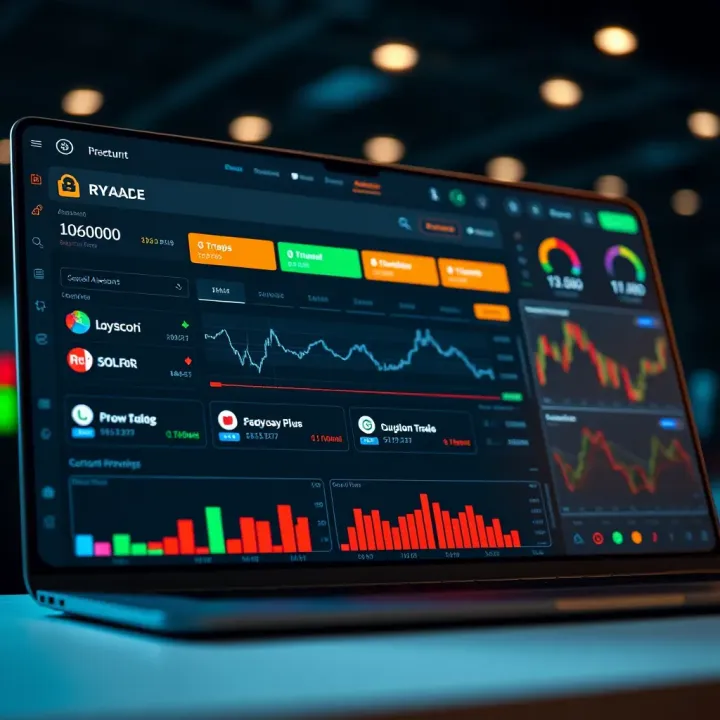
🔑 Learn how to securely log in and manage your real binary trading account in Nigeria. Get tips on troubleshooting, account safety, and smooth access.
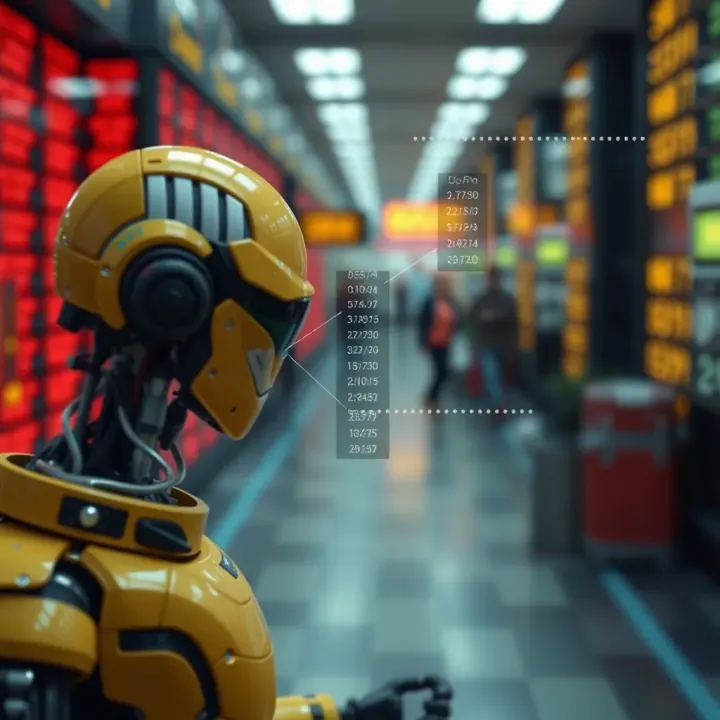
🤖 Discover how binary bots automate trades with preset rules in binary options. Learn their pros, risks, and key tips for traders in Nigeria.
Based on 7 reviews