
Understanding Binary Fission with Key Organism Examples
Discover how binary fission drives growth and reproduction in unicellular organisms, with clear examples that explain this simple asexual process 🔬🌱.
Edited By
Isabella Clarke
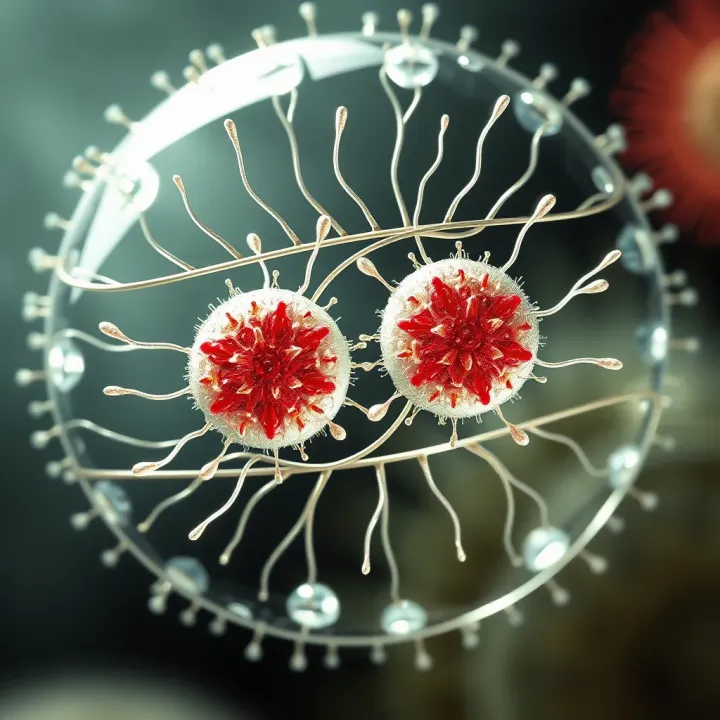
Binary fission stands out as one of the most straightforward and swift methods organisms use to reproduce, especially among microscopic life forms. It's a form of asexual reproduction where a single parent cell divides into two identical daughter cells. This process is fundamental in many living things, particularly bacteria, some protists, and simple multicellular organisms.
Understanding examples of binary fission sheds light on how populations — including those influencing health and environment in Nigeria — can multiply rapidly. For traders and investors in sectors like healthcare or agribusiness, knowledge of these biological processes is key to appreciating how microbial populations expand and affect markets.
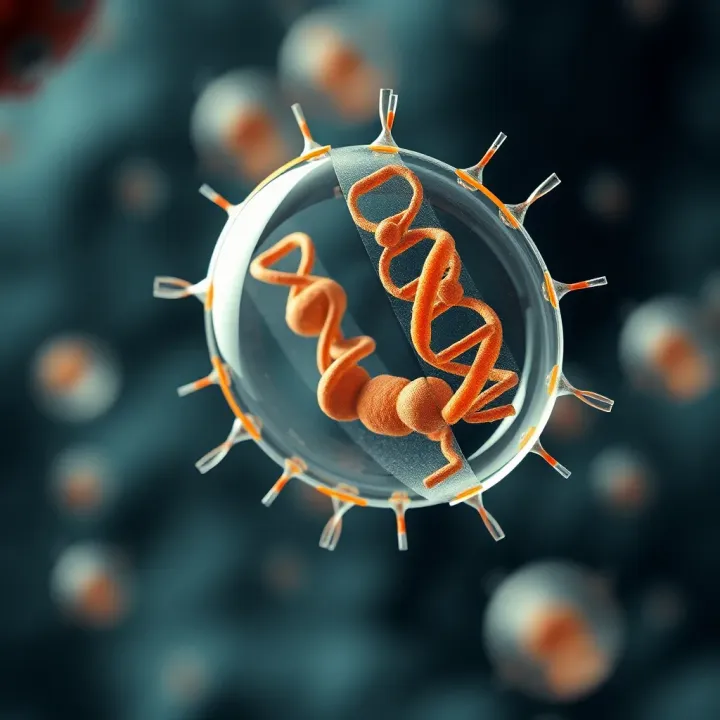
Bacteria are the textbook example of organisms reproducing via binary fission. Common bacteria such as Escherichia coli, which inhabit the human gut, and Staphylococcus aureus, known for causing infections, reproduce this way. In Nigeria's urban settings where sanitation challenges exist, bacterial binary fission explains why infections spread quickly, requiring timely interventions and antibiotic supplies.
The division process in bacteria involves replicating DNA, doubling the cell's contents, and forming two new cells. Under optimal conditions, some bacteria can double every 20 minutes. Such rapid growth can impact public health and the supply-demand balance in pharmaceutical markets.
Certain protists, like Amoeba and Paramecium, also use binary fission. These single-celled organisms thrive in freshwater environments common in Nigeria, such as ponds and slow-moving rivers. Amoeba divides by splitting its nucleus and cytoplasm to create two new cells, helping populations bloom swiftly where conditions allow.
Monitoring these protists is vital for water quality assessments and prevention of waterborne diseases, factors investors and policymakers in health sectors must weigh.
Some simple invertebrates, such as flatworms (planarians), exhibit binary fission as a form of reproduction or regeneration. In biology labs and agricultural research centres in Nigeria, planarians serve as models to understand tissue regeneration and cell division.
Their ability to split and regrow shows binary fission's role beyond single-celled organisms, highlighting its importance in developmental biology and potential medical applications.
Binary fission is more than just cell division; it drives population growth and affects ecosystems, farming, and health, all areas with direct implications for Nigeria’s economy and well-being.
By recognising these specific examples — bacteria, protists, and simple multicellular organisms — readers can grasp how binary fission operates everywhere, shaping life and influencing sectors from agriculture to medicine.
Grasping how binary fission works is key to appreciating the rapid growth of microorganisms that impact both health and environment in Nigeria. This process explains how bacteria, protists, and some simple multicellular organisms multiply fast, influencing everything from infectious diseases to food spoilage seen at markets or in households.
For example, without understanding binary fission, controlling a sudden outbreak of bacterial infection caused by Escherichia coli or Salmonella could be challenging. The speed at which these microbes replicate affects treatment strategies and public health responses. In agriculture, pests like certain flatworms that reproduce this way can quickly damage crops if unchecked.
Binary fission is a form of asexual reproduction where a single organism divides into two equal parts, each becoming an independent organism. Unlike sexual reproduction, it does not involve mixing of genetic materials but results in two genetically identical cells. This straightforward process allows organisms to multiply quickly without needing a mate.
The first step in binary fission begins with the organism copying its DNA. For instance, in bacteria like E. coli, the circular DNA molecule duplicates, creating an exact genetic copy. This ensures both new cells have the full blueprint to function properly. Accurate DNA replication is critical because errors can cause mutations that affect survival or drug resistance.
Following DNA replication, the cell prepares to divide its contents evenly. This stage is especially relevant in clinical settings where mutations during replication can lead to antibiotic-resistant strains, complicating treatment.
After copying its DNA, the organism undergoes cytokinesis, where the cell membrane pinches inwards to split the cytoplasm. This splits the parent cell into two daughter cells, each carrying one copy of the DNA. In bacteria, a new cell wall forms between the two cells to stabilise them.
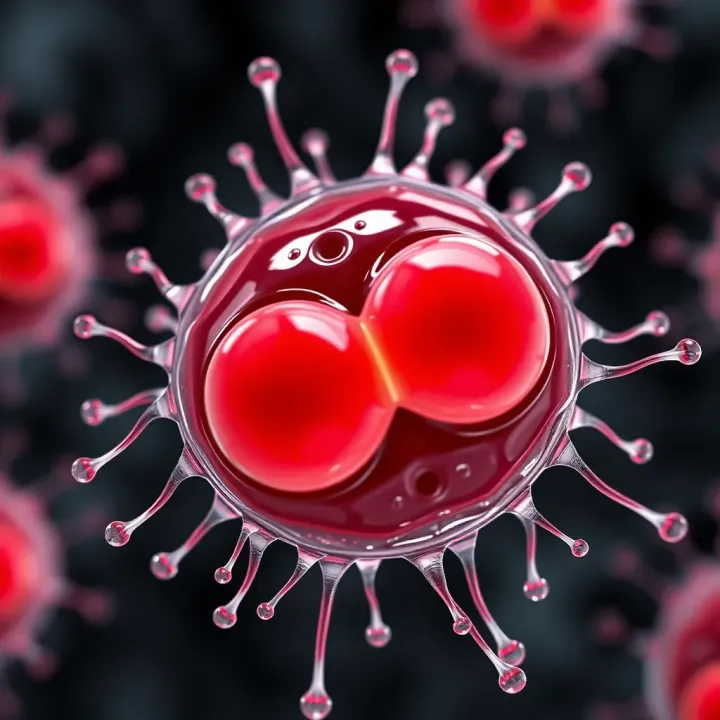
This physical separation is swift—bacterial cells can complete it in about 20 minutes under ideal conditions, explaining sudden spikes in bacterial populations, such as when food is left unrefrigerated at mama put stalls. Understanding cytokinesis helps in designing interventions to slow down or stop microbial growth.
Binary fission drives microbial growth by enabling populations to double rapidly. In environments like crowded Lagos markets or during the ember months when temperatures and humidity rise, bacteria multiply fast, increasing risks of foodborne illnesses.
Moreover, binary fission's efficiency supports the survival of beneficial microorganisms involved in fermentation processes such as producing ogi or nono. Knowing how it works allows food processors to harness these microbes for quality products.
Binary fission’s role extends beyond just reproduction; it shapes how microbial communities establish, evolve, and respond to environmental changes.
For investors and analysts focusing on biotech or health sectors, understanding binary fission offers insights into emerging antibiotic resistance trends, fermentation technologies, and microbial-based innovations relevant to the Nigerian market.
Binary fission is the main method bacteria use to reproduce, making it crucial for their rapid growth and survival. This process allows a single bacterial cell to split into two identical daughter cells quickly, often doubling their population in just minutes to hours depending on conditions. In Nigeria’s environment, where bacteria thrive in diverse settings—from crowded markets to health facilities—understanding binary fission helps us grasp bacterial behaviour and how infections spread.
Escherichia coli (E. coli) is a well-studied bacterium, commonly found in the intestines of humans and animals. Its ability to multiply fast through binary fission makes it significant in both health and food safety contexts. For instance, some strains of E. coli cause food poisoning, a widespread issue linked to poor hygiene at street food stalls or mama puts. Because E. coli can double its numbers under favourable conditions within 20 minutes, contaminated food can quickly become a health hazard. Monitoring and controlling its growth is vital for reducing gastroenteritis outbreaks.
Salmonella species also replicate by binary fission and are responsible for typhoid fever and foodborne illnesses in Nigeria. This bacterium’s quick division allows it to establish infections rapidly once ingested through contaminated water or food. The resilience and multiplication rate of Salmonella make controlling these bacteria challenging, especially in crowded urban centres where clean water access is limited. Understanding the binary fission process aids in designing effective interventions such as timely antibiotic treatment and sanitation improvements.
Staphylococcus aureus is another bacterium exploiting binary fission to increase its population swiftly. Found on skin and nasal passages, it can cause infections ranging from mild skin conditions to severe diseases like pneumonia or sepsis. In Nigerian hospitals and community settings, rapid bacterial multiplication through binary fission worsens infection management. Resistant strains like MRSA (Methicillin-resistant Staphylococcus aureus) pose even greater risks due to their ability to spread and multiply fast, overwhelming immune responses and complicating treatment.
Binary fission does more than just increase bacterial numbers; it also plays a role in antibiotic resistance. When bacteria divide, there is a chance of genetic mutations or the transfer of resistance genes between cells. This means resistant bacteria can multiply rapidly, making infections harder to treat. In Nigeria, where misuse of antibiotics is common, binary fission accelerates the spread of resistant strains. This underscores the need for proper antibiotic stewardship and infection control measures to curb resistant infections.
Understanding bacterial binary fission is key to tackling infectious diseases — by limiting their rapid reproduction, we reduce the chances of outbreaks and antibiotic resistance spreading.
Through these examples, it’s clear that binary fission is at the heart of bacterial growth and survival. Keeping this in mind helps health professionals and the public manage bacterial risks better in day-to-day life in Nigeria.
Binary fission plays a key role in the reproduction of many protists and single-celled eukaryotes. Unlike bacteria, these organisms have a more complex cellular structure, but they still rely on binary fission for rapid multiplication. This process helps maintain their populations in diverse environments, including water sources and soil, impacting ecosystems and even human health.
The amoeba is a well-known example of a protist that reproduces asexually through binary fission. It duplicates its nucleus and cytoplasm, then divides into two genetically identical cells. Amoebae thrive in freshwater and damp soil, and their quick reproduction enables them to adapt to changing conditions. In Nigeria, amoebic infections from contaminated water cause significant health challenges, demonstrating the practical importance of understanding this organism's reproduction.
Paramecium is a single-celled eukaryote found in freshwater environments, notable for its cilia used for movement and feeding. Like amoebae, paramecia multiply by binary fission, splitting their nucleus and cellular contents evenly. This rapid reproduction allows them to exploit food sources efficiently and respond swiftly to environmental changes. Paramecium serves as a model organism in biology studies across Nigerian universities, highlighting its role beyond just natural ecosystems.
Binary fission in protists can influence disease spread, especially when pathogenic species reproduce rapidly. For instance, certain amoebae cause amoebiasis, affecting many Nigerians annually. Fast reproduction through binary fission can make infections harder to control, requiring timely and effective medical interventions. Understanding this process also aids in developing treatments and preventive measures, especially in areas with poor sanitation where such protists flourish.
Protists' ability to multiply quickly through binary fission highlights the importance of water sanitation and hygiene in preventing related diseases.
To sum up:
Binary fission helps protists like amoeba and paramecium maintain their populations rapidly.
This reproduction method contributes directly to disease dynamics in Nigeria.
Studying these organisms aids both academic research and practical health strategies.
This knowledge is vital for traders, investors, and students who want to grasp how microscopic life affects larger systems, economics, and health in Nigerian society.
Binary fission isn't just limited to single-celled life forms; some simple multicellular organisms also use this method to reproduce. In these species, it supports rapid population increase and survival in various environments. This section looks closer at specific examples — particularly flatworms and sea anemones — to understand how binary fission operates beyond microbes.
Flatworms, particularly planarians, are well-known for their remarkable ability to reproduce through binary fission. When a planarian splits into two, each half regenerates the missing parts, turning into complete, independent organisms. This process is an efficient way for the species to multiply without relying on sexual reproduction, important in habitats like freshwater ponds and streams where they thrive. For researchers and aquaculture operators in Nigeria, understanding flatworm fission means better control of populations, since some species can become pests damaging local fish stocks.
Sea anemones, simple marine animals common along Nigerian coasts, also employ binary fission as a mode of reproduction. Unlike flatworms, their splitting usually occurs along the mouth or base, resulting in two smaller but fully functional anemones. This trait allows rapid colonization of reef areas and rocky shores, which is vital for maintaining healthy ecosystems. For coastal communities relying on fishing, recognising how anemones multiply helps in managing marine biodiversity and sustaining fishery resources.
Binary fission benefits simple multicellular organisms by enabling fast, energy-efficient reproduction. Species like flatworms and sea anemones can double their numbers in relatively short timeframes without needing mates. This ability is particularly useful in unstable or resource-limited environments where sexual reproduction might be challenging. Besides, by producing genetically identical offspring, these organisms maintain successful traits for survival in specific niches.
Furthermore, binary fission in these species allows them to quickly recover from physical damage, a useful advantage in nature’s rough conditions. For instance, if a flatworm faces injury, fission can both aid repair and increase headcount simultaneously. In practical terms, these reproductive strategies influence ecological balance and have implications for fisheries, environmental monitoring, and even local tourism around nature reserves.
Understanding binary fission in simple multicellular organisms can inform how we manage aquatic environments and biological resources effectively, supporting sustainable livelihoods in Nigeria’s coastal and freshwater zones.
In sum, binary fission in flatworms and sea anemones highlights a versatile survival strategy beyond bacteria and protists. These examples clearly show how simple multicellular life sustains itself, and why paying attention to such processes matters for both science and practical community concerns.
Binary fission plays a huge role in everyday life here in Nigeria, especially because it drives the rapid growth of microorganisms around us. This process affects everything from how food spoils to how diseases spread and even into innovations in medical research. Understanding binary fission helps traders, investors, and students grasp the biological basis underpinning key challenges and opportunities in food safety, health, and biotech.
Food spoilage owes a lot to bacteria that reproduce quickly by binary fission. For instance, common bacteria like Salmonella or E. coli can double in number every 20 minutes under favourable conditions. This rapid multiplication poses a big problem for vendors, especially mama puts and roadside food sellers who might not have steady refrigeration. Spoilage not only affects taste and appearance but can also make food unsafe, leading to food poisoning outbreaks. Traders dealing in perishables need to be aware that once contamination sets in, bacterial populations explode fast, increasing risks of spoilage and loss of goods.
The spread of infectious diseases in Nigeria, such as cholera, typhoid, or dysentery, is linked closely to bacteria multiplying through binary fission. The amplifying effect means that a single contaminated water source or surface can quickly become a hotspot for infection. In crowded towns and cities, poor sanitation accelerates this process. Recognising how fast bacteria reproduce strengthens public health messaging on hygiene and water treatment. It also explains why antibiotic resistance is a concern; repeated cell divisions provide more chances for mutations, complicating treatment.
Rapid bacterial growth through binary fission means infections can spread swiftly if unchecked.
Binary fission is crucial in biotech labs and medical research in Nigeria. Scientists exploit bacteria’s quick reproduction to mass-produce vaccines, enzymes, and other biotech products. For example, Escherichia coli is commonly used to manufacture insulin and other medicines. Understanding how to control bacterial growth cycles helps in optimising these production processes. Additionally, studies on binary fission inform research on antibiotic development and microbial genetics. This knowledge supports Nigeria's growing pharmaceutical and healthcare sectors, aiming to provide affordable and effective treatments locally.
In summary, binary fission is more than just a biological concept; it directly impacts Nigeria’s food safety, health systems, and biotech industries. For stakeholders across various fields, recognising its relevance helps in managing risks and capitalising on opportunities linked to microbial growth.
Discover how binary fission drives growth and reproduction in unicellular organisms, with clear examples that explain this simple asexual process 🔬🌱.
Explore how bacteria reproduce through binary fission 🔬 with clear examples, stages, and its role in biology, focusing on Nigeria's unique ecosystems 🇳🇬.
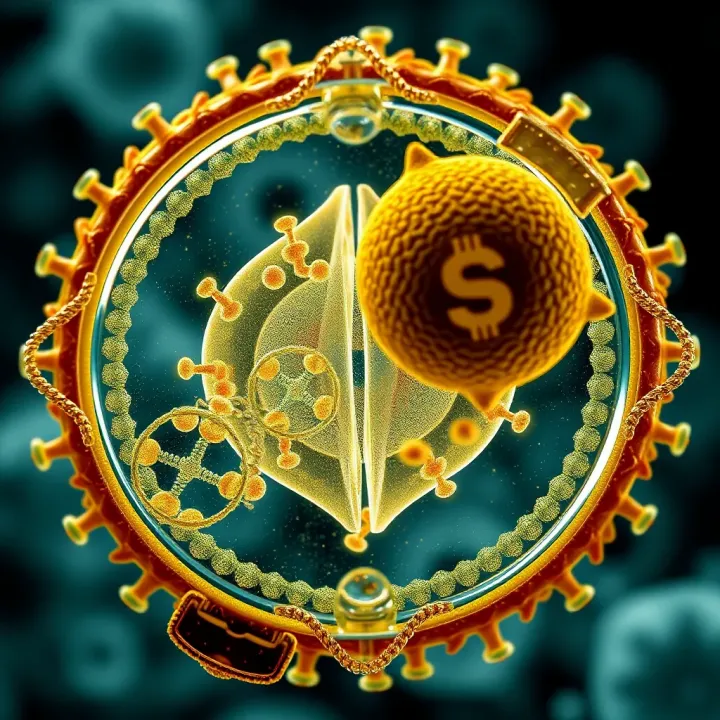
🔬 Explore how binary fission drives the growth of microbes like bacteria, its biological steps, and why it matters in health and the environment.
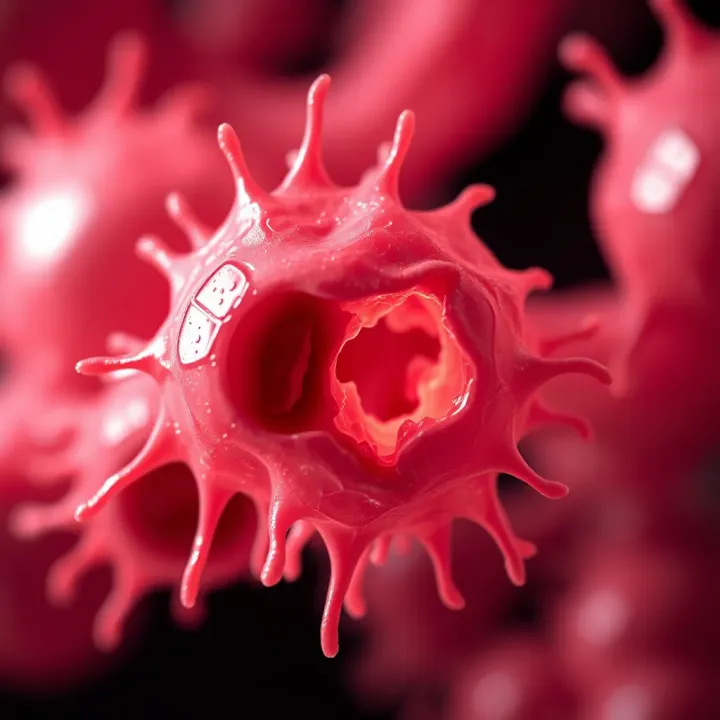
Explore how amoebas reproduce by binary fission 🧫. Learn the detailed steps, biological facts, and how this boosts their growth and survival in nature.
Based on 9 reviews