

Understanding Binary: Meaning and Everyday Uses
Explore the meaning of binary and its real-life uses 💻. Learn how this simple number system shapes everyday tech and powers computing today.
Edited By
Amelia Wright
The non-binary gender symbol (⚧️) is a visual representation of identities that do not fit within the traditional male-female binary. It captures the experience of people whose gender exists outside or between male and female categories. Understanding this symbol is essential in appreciating the diversity of gender in modern society, including Nigeria.
This symbol combines elements from the typical male (Mars) and female (Venus) signs, along with a third element pointing to a gender outside the conventional two. Its design reflects inclusivity and the rejection of rigid gender roles. Unlike the binary gender symbols that imply a fixed identity, the non-binary symbol suggests fluidity and openness.
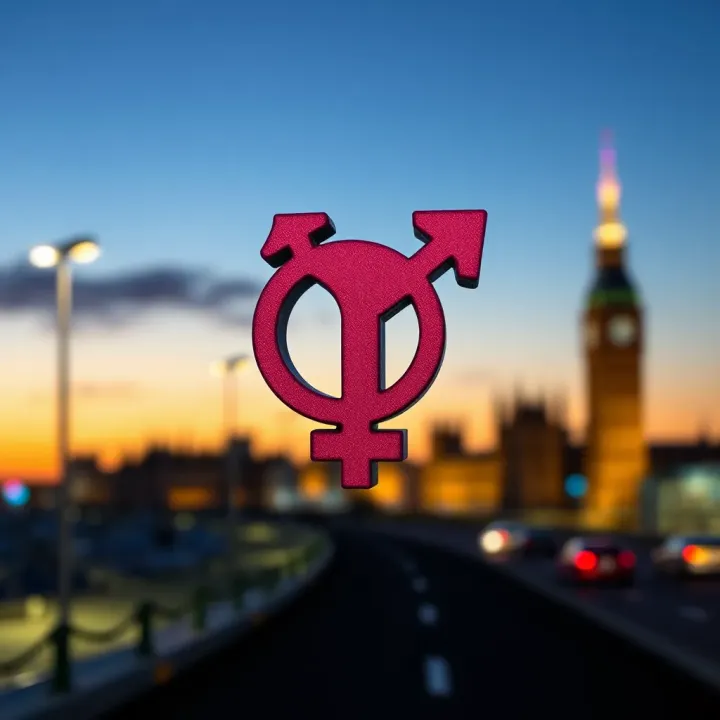
Non-binary awareness is growing in many parts of the world, and Nigeria is no exception. Despite cultural conservatism and limited public discussions about gender diversity, younger Nigerians in urban areas are increasingly recognising and using this symbol to express themselves. Social media platforms have also helped spread knowledge about non-binary identities and their symbols.
The non-binary symbol acts not only as an identity marker but also as a tool to promote acceptance and challenge misunderstandings about gender.
People incorporate the symbol in different ways: social media profiles, badges, jewellery, and even clothing. For investors and business leaders, recognising this symbol can be valuable in understanding emerging social trends that influence consumer behaviour, workforce diversity, and inclusivity policies.
Key points about the non-binary gender symbol include:
Represents identities beyond male and female
Combines elements of male and female signs with a unique third component
Increasing usage among Nigerian youths and global communities
Serves as an advocacy tool for gender diversity
In financial and social terms, awareness of gender diversity, including non-binary identities, is shifting how companies attract talent and customers. Being informed about such symbols helps traders, brokers, and analysts grasp emerging markets and evolving cultural dynamics. For students studying gender and society, this symbol is a critical representation of the changing understanding of identity today.
Having this background will aid readers in appreciating the symbol's meaning and importance, setting the stage for exploring its origins and wider cultural significance.
The non-binary gender symbol plays a vital role in representing identities that fall outside the traditional male and female categories. In Nigeria, where gender discussions are gradually gaining ground, understanding this symbol is crucial for fostering inclusion and respect for diverse gender experiences. The symbol acts as a visual marker for people who do not neatly fit into male or female classifications, providing a sense of visibility and community.
Knowing what the non-binary symbol looks like and what it stands for helps not only individuals identifying as non-binary but also educators, employers, and peers to recognise and respect gender diversity. This understanding can improve dialogue around gender rights, social acceptance, and practical issues like correct pronoun use in social and professional settings.
The non-binary gender symbol typically combines elements from the male (♂) and female (♀) symbols, alongside a unique touch that sets it apart. It often features a circle, like the other gender signs, but with an added line and arrow to represent gender diversity beyond the binary. One common version includes an overlapping combination of the male and female symbols joined with an extra horizontal line to signify those who identify neither strictly as male nor female.
This design is straightforward but rich in meaning, serving as a quick visual cue for non-binary identity. The symbol’s simplicity makes it easy to incorporate into flags, badges, social media icons, or personal items, enabling non-binary Nigerians and allies to express identity or solidarity openly.
Unlike the traditional male symbol that features a circle with an arrow pointing northeast, and the female symbol, which has a circle with a downward cross, the non-binary symbol blends and extends these ideas. It avoids limiting identity to binary opposites by introducing extra lines or shapes that represent fluidity and non-conformity.
For example, where the male and female signs strictly map to biological sex, the non-binary symbol reflects social and personal experience with gender as a spectrum or a state outside male/female categories. This distinction is crucial in discussions around gender identity rights, especially in places like Nigeria where gender roles are still heavily traditional.
In practice, someone might add the non-binary symbol to their social media profiles or workplace badges to indicate their gender identity visibly. This helps avoid assumptions and fosters awareness in diverse environments.
Embracing this symbol helps Nigerians understand gender beyond biological labels, promoting respect and inclusion in a society where gender diversity is frequently misunderstood.

Understanding the non-binary gender symbol’s design and meaning is a step towards broader acceptance. It allows individuals to claim identity openly and helps communities, including workplaces and schools, to create more inclusive spaces.
The origins of the non-binary gender symbol reveal a story of inclusivity and growing recognition beyond traditional male and female categories. Understanding this historical development helps clarify why the symbol carries significant meaning today, especially for those who do not fit conventional gender norms.
The non-binary symbol emerged in the late 20th century amid rising awareness of gender diversity outside the male-female binary. It draws visual elements from traditional gender symbols — the circle with an arrow for male (♂) and the circle with a cross for female (♀) — blending them with additional markings to represent fluidity and a spectrum of identities. Early uses of the symbol began appearing in academic papers, activist literature, and online spaces discussing gender complexity.
One notable milestone was its adoption by genderqueer activists, who sought a unifying emblem to represent identities like genderfluid, agender, and other non-binary experiences. In Nigeria and similar societies, where gender discussions often remain limited, the symbol has become part of discreet yet growing conversations on gender identity. Its design reflects an effort to move away from rigid categories towards broader acceptance of varied human experiences.
Non-binary individuals and communities have embraced this symbol not just as an identifier but as a statement of visibility and pride. It's now common to see the symbol on social media profiles, badges, and clothing at events celebrating gender diversity. Beyond symbolism, it fosters connection among people who might otherwise feel isolated by society’s focus on male and female roles.
For instance, events like pride parades and awareness campaigns in Nigerian cities, though still emerging, sometimes feature the non-binary symbol to signal inclusion. This adoption helps educate the public, encouraging understanding and dialogue. Platforms such as Twitter and Instagram see the symbol used alongside hashtags that discuss non-binary topics, helping to broaden awareness especially among youths and students.
The non-binary symbol serves as a visible marker of a community fighting for recognition in spaces that traditionally overlooked them.
In practical terms, the symbol contributes to spreading awareness and nurturing acceptance. It is increasingly relevant in academic discussions, workplace inclusivity training, and health services where recognising non-binary identities matters for respectful treatment. As the symbol evolves, so does the conversation around gender diversity in Nigeria and beyond.
Together, the origins and evolving use of the non-binary symbol highlight a larger shift towards recognising the complexity of human identity, moving past old boundaries, and supporting genuine inclusion across various sectors of society.
The non-binary gender symbol comes in several variations, each highlighting different aspects of gender identity beyond the traditional male-female binary. Recognising these variations helps deepen understanding and respect for the diverse experiences within non-binary communities. For traders, investors, or analysts interested in social trends, knowing these symbols is useful to grasp broader cultural shifts influencing markets and public discourse.
The most widely used non-binary symbol combines elements from the traditional male (♂) and female (♀) symbols with an added stroke or overlay. This design reflects fluidity and a rejection of strict binary boxes. Variations include:
Merged Symbols: Some symbols overlay traditional male and female icons with a circle or diagonal line, emphasising identity outside fixed categories.
Circle with Cross and Arrow: Often used to express gender fluidity or agender identity, this version replaces the arrow or cross with shapes that suggest openness rather than fixed direction.
The ⚧️ Symbol: This is an established Unicode character combining male (Mars), female (Venus), and a third element to represent non-binary identities. You might see it in social media profiles, especially on platforms like Twitter or Instagram.
Each variation carries nuanced meanings, from gender non-conformity to specific non-binary sub-identities like genderqueer, agender, or bigender. Practical awareness of these versions can help businesses or advocates promote inclusiveness genuinely.
Use of the non-binary symbol in visual media and fashion is growing steadily, including in Nigeria and globally. Designers and artists often incorporate these symbols into clothing, jewellery, or art pieces to signal solidarity and visibility. Examples include:
T-shirts and Caps: Several Nigerian and international brands create shirts with the ⚧️ symbol or its variations, especially around pride months or empowerment events.
Accessories: Lapel pins, necklaces, and bracelets featuring non-binary symbols promote daily visibility for wearers. These accessories often appear in Lagos urban centres where youth culture embraces diversity.
Visual Media: Nigerian films or web series increasingly include non-binary characters, using the symbol as a visual cue to communicate gender identity to the audience subtly.
Using the symbol in these ways not only raises awareness but also helps normalise non-binary identities in everyday life. For financial analysts, tracking consumer interest in such fashion items can reveal new market niches, especially among younger demographics.
The evolving designs and public use of the non-binary symbol are practical expressions of changing gender narratives, reflecting wider social acceptance and activism. This has tangible effects in cultural products and markets.
Understanding these variations and their appearance in fashion or media helps stakeholders connect more authentically with non-binary individuals and communities. It also aids in recognising the interconnectedness of identity, culture, and commerce in Nigeria and beyond.
The non-binary gender symbol holds increasing cultural and social importance in Nigeria and across the globe, reflecting growing recognition of gender diversity beyond the traditional male-female divide. This symbol offers visibility to identities often overlooked in mainstream conversations, fostering a more inclusive environment both locally and internationally.
Awareness of the non-binary gender symbol in Nigeria is still developing, facing challenges linked to entrenched cultural norms and limited public discourse on gender beyond the binary framework. However, progressive pockets within urban centres like Lagos and Abuja have begun to acknowledge non-binary identities, aided by social media platforms where young Nigerians share personal stories and educational content. For instance, campaigns by Nigerian LGBTQ+ advocates often feature the non-binary symbol to promote visibility and spark conversations.
Nonetheless, societal acceptance remains uneven, with many Nigerians unfamiliar with the concept or resistant due to conservative values. The symbol’s presence in Nigerian fashion, art, and events such as pride parades has helped incrementally build visibility. Such representation encourages recognition not only among non-binary individuals but also their families, workplaces, and schools, enabling more informed conversations on gender fluidity.
The non-binary symbol plays a direct role in broadening understanding of gender beyond traditional categories. It serves as an educational tool that challenges fixed perceptions, encouraging people to rethink gender as a spectrum rather than two opposite boxes. In both Nigeria and beyond, the symbol is used to foster empathy and reduce stigma around those who do not identify exclusively as male or female.
Practical benefits include greater support for mental health among non-binary individuals, as visibility reduces feelings of isolation. Colleges and workplaces that incorporate recognition of the symbol alongside nondiscriminatory policies demonstrate genuine inclusion efforts. For example, some Nigerian universities now offer counselling services that explicitly acknowledge non-binary identities, inspired partly by increased awareness brought on by symbol usage.
The non-binary gender symbol acts as a quiet but powerful nudge towards acceptance – it reminds society that gender diversity deserves respect, awareness, and representation.
Ultimately, as Nigerians encounter the symbol more frequently, it paves the way for richer dialogue, legal reforms, and social policies that reflect Nigeria’s full spectrum of identities. Understanding the cultural relevance of this symbol helps businesses, educators, and policymakers act in ways that recognise and support non-binary individuals within Nigerian society and the wider African context.
The non-binary symbol’s use today goes far beyond a simple icon; it serves as a vibrant tool for self-expression and visibility. For many, adopting the symbol is a way to communicate a gender identity that does not fit within the traditional male-female categories. Its presence across different platforms and events helps to articulate experiences often overlooked or misunderstood.
Social media has become a powerful space where the non-binary symbol thrives as a marker of personal identity. Many Nigerians and global users alike incorporate the symbol in their profile pictures, usernames, or bio descriptions on platforms like Twitter, Instagram, and TikTok. This usage not only affirms their gender identity but also invites conversations and normalises the experience of being non-binary.
Beyond personal affirmation, the symbol promotes community building. Non-binary individuals connect over shared stories, struggles, and triumphs, using hashtags related to non-binary pride and gender diversity. For instance, the hashtag #NonBinaryNG often gathers posts highlighting Nigerian voices, helping reduce feelings of isolation in societies where gender nonconformity remains contentious.
Visibility at public events is another key avenue for using the non-binary symbol. Activists and community members display the icon on banners, clothing, and accessories during pride marches and awareness workshops. Such visibility challenges long-standing gender norms and demands recognition from government agencies, institutions, and society at large.
In Nigeria, where public discussions on gender identity can be sensitive, using the symbol in advocacy offers a discreet yet powerful statement. It helps organisations push for policy changes that accommodate non-binary individuals, such as updating gender options in official documents or improving access to health services.
The non-binary symbol acts not only as a badge of identity but also as a beacon for inclusivity and acceptance—its use at events and online bridges the gap between private experiences and public recognition.
These practical uses show that the symbol is more than art or design; it is a statement of existence and rights. Whether on social media profiles or at physical events, the symbol plays an active part in reshaping how gender is understood and respected in Nigeria and beyond.
Explore the meaning of binary and its real-life uses 💻. Learn how this simple number system shapes everyday tech and powers computing today.
Explore binary gender origins and cultural views 🌍, its limits ⚖️, challenges faced by non-binary people, and the push for greater inclusivity 🌈.

🔢 Discover how binary multiplication works, why it matters in computing, and get clear, practical steps with examples to boost digital system skills.

📊 Explore how computers use binary code to process, store data, perform arithmetic, and power digital electronics. A clear guide to fundamentals and uses!
Based on 8 reviews