
Basics of Forex Trading Explained
Learn the essentials of forex trading 🌍 Discover how currency markets work, key terms, strategies, and risks to start trading confidently today 📈💡
Edited By
Emily Clarke
Forex trading is the practice of buying one currency and selling another at the same time, aiming to profit from changes in exchange rates. Unlike stock trading where you buy shares from companies, forex involves pairs like the US dollar against the Nigerian naira (USD/NGN). The forex market is the world’s largest financial market, moving trillions of dollars daily, and it operates 24 hours because it follows global time zones.
Many Nigerians are drawn to forex trading due to the potential for quick profits, but it requires understanding how the market works and the risks involved. Market prices fluctuate based on factors like economic data, geopolitical events, interest rates, and even market sentiment. For example, a sudden hike in Nigeria’s interest rates by the Central Bank of Nigeria (CBN) can strengthen the naira, impacting forex pairs involving NGN.
Successful forex trading depends on knowledge, discipline, and awareness of market drivers rather than just guessing price moves.
Currency pairs: Trades always happen as pairs (e.g., EUR/USD, GBP/USD, USD/NGN). You buy one currency and simultaneously sell another.
Leverage: Traders can borrow money from brokers to increase their market exposure. While leverage magnifies gains, it also raises the risk of losses.
Liquidity: The forex market is so liquid that prices change rapidly, enabling traders to enter and exit positions quickly.
Decentralised market: Unlike stock exchanges, forex has no single central exchange. Transactions occur electronically via platforms maintained by brokers and banks.
Traders start by choosing a currency pair to trade based on analysis methods like technical charts or economic news. They place orders to buy (go long) if they expect the base currency to rise or sell (go short) if they anticipate it will fall.
For instance, if a Nigerian trader expects the US dollar to strengthen against the naira, they would buy USD/NGN. If the dollar’s value rises, they sell the position at a profit. Conversely, if the dollar weakens, losses can occur.
Order types may include market orders for immediate execution or limit orders to buy/sell when prices reach a certain level. Spreads (the gap between buying and selling prices) and broker commissions form the cost of trading.
Understanding these basics gives Nigerian traders a solid footing to explore deeper strategies, keeping in mind the high volatility of forex markets and the need to manage risks carefully.
Forex trading, simply put, involves buying and selling currencies from different countries. It's a global market where traders seek to profit from the constant shifts in exchange rates. For anyone interested in finance, understanding how forex works is vital because it influences everything from import costs to travel budgets and even inflation.
At its core, forex trading is exchanging one currency for another. Imagine you want to travel to the UK from Nigeria; you’ll need British pounds instead of naira. Forex traders take advantage of the changing value between currencies, such as naira against the dollar or euro, by buying when prices are low and selling when prices rise.
This market operates 24 hours, five days a week, allowing traders in Lagos, Abuja, or Port Harcourt to participate anytime the market is live across major financial centres like London, New York, and Tokyo.
Forex works through currency pairs – one currency is exchanged for another at an agreed rate. For example, the USD/NGN pair shows how many naira you get for one US dollar. When you trade this pair, you buy one currency and sell the other simultaneously.
A trader might expect the naira to weaken against the dollar due to inflation or policy changes by the Central Bank of Nigeria (CBN). If correct, buying USD/NGN early could result in profit when the naira drops, as selling the dollars back fetches more naira.
Traders focus on popular pairs like EUR/USD, USD/JPY, or USD/NGN because these tend to have better liquidity and more predictable price movements.
Exchange rates are the backbone of forex trading. They reflect the value of one currency against another and shift because of various factors such as economic indicators, interest rates set by central banks like the CBN, political stability, and market sentiment.
For example, if Nigeria’s inflation rises sharply, the naira might lose value, causing the NGN/USD rate to increase. Traders who monitor these economic signals can anticipate such moves and position themselves accordingly.
In everyday life, exchange rates affect how much Nigerians pay for tokunbo cars, smartphones, or even the cost of going on vacation abroad. Understanding these rates helps traders and businesses make informed decisions.
In summary, forex trading isn't just technical jargon. It's a practical marketplace driven by real-world economic factors and events. By grasping the basics of currency pairs and exchange rates, traders can better navigate the complexities of this ever-moving market.
Understanding the main players in forex markets helps demystify how currency trading operates globally. These players range from huge government bodies to individual traders, and each group influences the market in different ways. Their roles highlight the dynamics behind currency valuation and liquidity.
Central banks and governments regulate their countries' currencies to maintain economic stability. For example, the Central Bank of Nigeria (CBN) often intervenes in the forex market to stabilise the naira by buying or selling foreign currency reserves. Such moves affect exchange rates and ripple through trade and investment sectors. Central banks also set interest rates, influencing currency demand—higher rates typically attract foreign investors, boosting the currency's value. Understanding their interventions gives traders insight into market directions and potential volatility.
Commercial banks and financial institutions dominate forex trading volumes. These entities facilitate currency exchange for corporate clients involved in international trade and investment. For instance, a Nigerian company importing machinery from Europe must convert naira to euros through its bank, which then executes forex trades on its behalf. Beyond client transactions, these banks trade currencies to profit from rate changes and manage risk. Their large-scale operations provide liquidity, making it easier for smaller players to buy or sell currencies at fair prices.
Retail traders, including individuals and smaller firms, make up a growing segment of the forex market. These speculators trade currencies to profit from short-term price movements using online platforms like MetaTrader or brokers such as FXTM and HotForex. While they don't move the market alone, their collective actions contribute to daily trading volume and volatility. Retail traders must understand market conditions and leverage carefully; using too much leverage can lead to significant losses, especially in a fast-moving market like forex.
Recognising the roles of these players helps you navigate the forex market smarter, whether you're a novice trader or an experienced investor. It’s not just about watching exchange rates but understanding who controls the flow and why.
By tracking the activities of central banks, monitoring commercial bank trades indirectly through volume and spreads, and observing retail patterns, you can better time your trades and manage risks effectively.
Forex trading today mostly happens via online platforms. These methods have democratized access, letting traders jump into the market from anywhere—even from a laptop or smartphone right here in Nigeria. Understanding how these platforms and methods work is essential to move beyond theory and actually trade effectively.
Forex brokers act as middlemen who connect you to the broader currency market. They provide user-friendly websites or apps where you can place trades. Notable brokers that accept Nigerian traders include FXTM, HotForex, and Alpari. Each offers different fee structures, spreads (the difference between buying and selling prices), and trading tools.
Choosing a good broker matters a lot because it affects trade execution speed and safety of your funds. For instance, regulated brokers under reputable bodies like the Financial Conduct Authority (FCA) or Securities and Exchange Commission (SEC) Nigeria offer more security. Platforms usually feature charts, news feeds, and analysis tools. Popular platforms include MetaTrader 4 (MT4) and MetaTrader 5 (MT5), known for their customisable indicators and expert advisors (automated trading programs).
Leverage lets you control larger amounts of money using a smaller deposit, which is called margin. Think of it as using a small lever to move a heavier load. For example, with leverage of 1:100, ₦10,000 could control a trade size of ₦1,000,000. This magnifies profits but also losses if the market moves against you.
Margin is the cash your broker holds to keep your trades running. If your losses eat into this margin, you may face a margin call, forcing you to add more money or close positions. Nigerian traders should be cautious; while high leverage is appealing, it can quickly wipe out your capital if you are not experienced.
Various strategies suit different trader types and market conditions. Some of the common ones include:
Scalping: Making fast trades that last seconds or minutes, capturing small profits repeatedly. Scalpers rely on tight spreads and fast execution.
Swing Trading: Holding positions for several days or weeks to profit from expected swings in currency prices. This requires good analysis of market trends.
Trend Following: Identifying a clear market direction and trading in that direction. For example, if the US dollar is strengthening against the naira, traders might buy USD/NGN expecting the trend to continue.
Carry Trade: Borrowing in a currency with a low-interest rate to invest in one with a higher rate, earning the difference. However, this strategy is sensitive to interest rate changes and currency volatility.
These strategies rely on analysis of charts, news, and sometimes economic indicators like Nigeria’s inflation rate or CBN policy decisions, which can affect exchange rates.
Choosing your method and platform wisely, understanding leverage risks, and employing a strategy that fits your style are key steps to surviving and thriving in forex trading here in Nigeria.
Navigating methods and platforms effectively equips Nigerian traders to make informed decisions and manage risks while capitalising on opportunities in the forex market.
Forex trading offers many opportunities but comes with significant risks that every trader must understand. Without grasping these challenges, you might easily lose your investment, especially in volatile markets like Nigeria where external factors add layers of complexity. This section highlights the key risks traders face and offers practical insight to help you manage them effectively.
Market volatility refers to the rapid and unpredictable price changes in currency values. In forex markets, exchange rates can swing wildly within minutes due to news events, economic data releases, or geopolitical shifts. For example, naira’s fluctuation against the dollar can be sharp, especially during periods of political tension or central bank interventions. While volatility creates chances for profit, it also raises the chance of sudden losses. Traders must be ready for sharp reversals that can wipe out open positions. Using stop-loss orders and staying updated on economic news helps minimise risks associated with volatility.
Leverage allows you to control a large trade size with a small amount of capital. Although it can boost gains, it equally amplifies losses. Many new traders in Nigeria fall into the trap of using high leverage—sometimes 100:1 or more—expecting fast returns. Unfortunately, a small adverse price movement can lead to losing their entire account in moments. For instance, if you use ₦50,000 as margin with 100:1 leverage, you’re controlling ₦5 million in currency. A 1% drop means a total loss of that margin. To protect yourself, use modest leverage levels, preferably no more than 10:1, and never risk more than you can afford to lose.
The booming interest in forex has attracted unscrupulous operators promising guaranteed profits and quick wealth. Many unlicensed brokers target Nigerian traders with flashy adverts on social media. These firms often manipulate prices, delay withdrawals, or disappear with client funds. For instance, cases involving fake brokers have been reported by traders who deposited millions of naira only to find their accounts frozen. Always check if a broker is regulated by the Nigerian Securities and Exchange Commission (SEC) or reputable international bodies like the Financial Conduct Authority (FCA). Avoid brokers who lack transparency, pressure you to deposit extra funds, or offer unrealistic returns.
Always approach forex trading with caution. Understanding the risks helps you trade smarter, protect your capital, and avoid common pitfalls.
In summary, forex trading demands careful attention to market swings, cautious use of leverage, and selecting trustworthy brokers. Navigating these challenges wisely can improve your chances of success in this fast-paced market.
Starting forex trading in Nigeria demands a clear understanding of the local environment. The market's fast-paced and ever-changing nature means you need to be careful in choosing trustworthy partners and work with clear legal frameworks. Nigerian traders profit more when they select brokers who operate transparently and follow regulations, reducing risks and improving access to quality services.
Picking the right broker is a make-or-break step for Nigerian traders. You want to avoid brokers who disappear overnight with clients’ funds. Look for brokers registered by the Securities and Exchange Commission (SEC) Nigeria or those with a global presence and strong reputations, like IG Group or FXTM. These brokers typically offer platforms compatible with local payment methods, such as bank transfer or USSD payment, which eases fund transfers.
Trustworthy brokers will provide clear trading conditions, including spreads, commissions, and withdrawal terms. For example, a broker with tight spreads and no hidden fees suits scalpers or day traders who need low transaction costs. Additionally, secure platforms equipped with two-factor authentication help protect your account from hacking attempts, which are common issues in the Nigerian online space.
Forex trading here falls under SEC Nigeria’s supervision, which ensures brokers meet minimum standards. It’s wise to verify whether a broker has the proper licence. Unlicensed brokers bring huge risks: withdrawal delays, unfair terms, or outright scams.
Besides SEC, the Central Bank of Nigeria (CBN) monitors forex flows and foreign exchange policies which may affect how you withdraw or repatriate profits earned from forex trading. For example, some platforms restrict withdrawals in naira or convert earnings to foreign currencies, resulting in additional charges or delays. Staying updated on CBN rules is essential to avoid surprises.
SEC Nigeria’s registration confirms a broker’s legitimacy — always cross-check before funding your account.
New traders in Nigeria should start small, practising on demo accounts before risking real money. Forex is complex, and many lose funds because they rush in without adequate preparation. Regularly follow market news—both local and international—to stay ahead of economic events that swing currency values, such as CBN policy changes or global commodity price fluctuations.
Risk management cannot be overstressed. Use stop-loss orders to limit potential losses and avoid putting more than 2–3% of your trading capital on a single trade. Also, be wary of high leverage offers promising quick gains — they often cause more harm than good, especially in volatile markets.
Lastly, join reputable trading communities online or attend local seminars. Learning from seasoned traders who understand Nigerian market dynamics can save you from costly mistakes.
Getting started with forex trading in Nigeria requires careful broker selection, regulatory awareness, and a cautious approach to trading strategies. Following these practical steps will give you a better chance to grow your capital steadily while avoiding common pitfalls.
Learn the essentials of forex trading 🌍 Discover how currency markets work, key terms, strategies, and risks to start trading confidently today 📈💡
📉 Learn how to trade currencies in the global forex market. Discover key players, strategies, risks, and tips to start trading safely and smartly.
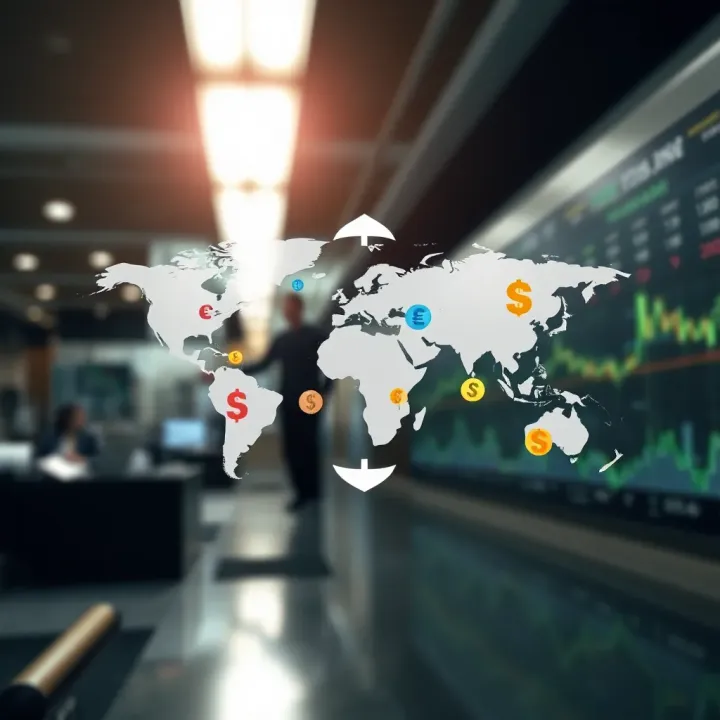
📊 Understand forex trading essentials with this clear guide! Learn key terms, market workings, and steps to start trading confidently in Nigeria and beyond. 💹
Learn about binary numbers 💻, their history, how they power computing & electronics ⚙️, plus easy tips on converting to other number systems 🔢.
Based on 9 reviews