

Understanding Binary Options for Nigerian Traders
📈 Explore how binary options work and their risks tailored for Nigerian traders. Learn smart strategies, regulation tips, and risk management to trade wisely.
Edited By
Sophie Mitchell
Understanding non-binary identity in Nigeria requires peeling back layers beyond the common male/female categories ingrained in our culture and law. Non-binary refers to people whose gender identity doesn't fit strictly into 'man' or 'woman'. This can mean identifying as both, neither, or somewhere along a broader spectrum.
In Nigeria, society heavily leans towards traditional gender roles tied to culture, religion, and law. Yet, the Nigerian ground is not immune to global conversations around gender diversity. Young Nigerians on social media and within progressive circles increasingly talk about gender fluidity and non-binary identities, even though many still face misunderstanding or outright rejection.
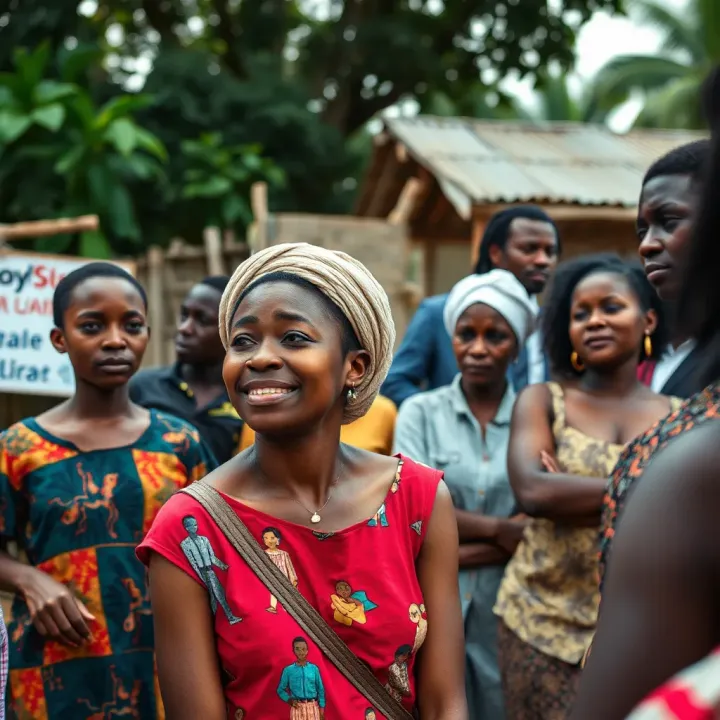
A person might prefer gender-neutral pronouns such as "they/them" instead of "he/him" or "she/her".
They might dress differently from conventional expectations bound by male or female norms.
Their social and legal recognition might not align easily with Nigeria’s strictly binary documentation systems like the National Identification Number (NIN) or Bank Verification Number (BVN).
Non-binary people in Nigeria often navigate social spaces cautiously, given the strong cultural attachment to binary gender roles. This reality shapes their daily experiences, from family conversations to workplace behaviour.
The challenge in Nigeria goes beyond definitions. Non-binary Nigerians face limited legal recognition and protection. Our laws do not yet accommodate identities outside the binary, affecting access to services, healthcare, and equal rights.
For students, traders, or finance professionals, understanding non-binary identity means more than social awareness. It intersects with workplace inclusiveness, client relationships, and organisational policies. Supporting gender diversity can also enhance corporate image and employee morale in an increasingly globalised business environment.
To get a grounded view of non-binary identity in our context, we must appreciate the cultural, social, and legal backdrop shaping these experiences and recognise the urgent need for conversations that respect and include all Nigerians' identities.
Starting with a clear understanding of what non-binary identity means is vital for this article. It sets the foundation for recognising gender beyond just male or female, which is especially relevant in Nigeria where rigid gender roles hold strong. Recognising non-binary identities helps foster respect and practical support for those who don't fit into conventional gender categories.
Non-binary refers to people whose gender identity doesn't fall strictly within the traditional male or female categories. Unlike the binary system, which assumes everyone identifies strictly as one or the other, non-binary acknowledges that gender can be more varied and personal. For example, a person assigned male at birth might feel neither fully male nor female but somewhere in between or outside those categories entirely.
This distinction matters in Nigeria where knowing someone’s gender role often shapes social expectations. When non-binary individuals express identities beyond male or female, they challenge these norms and ask society to widen its definition of gender. Understanding this supports more inclusive attitudes and reduces misunderstandings in family, workplaces, or public spaces.
Non-binary is an umbrella term that includes many identities. Some individuals identify as genderqueer, where they reject fixed gender categories completely. Others may prefer genderfluid, meaning their gender identity changes over time. Still others might use terms like agender (no gender) or bigender (two genders simultaneously).
In Nigerian contexts, people might not use these exact labels, but the concepts apply. For instance, a young person in Lagos might dress or behave in ways that don’t align with typical male or female expectations, signalling a non-binary identity even if the terminology is less common. Recognising such identities improves dialogue on gender diversity without forcing rigid labels.
It is important to separate gender identity from biological sex. Biological sex refers to physical characteristics such as chromosomes, hormones, and anatomy assigned at birth. Gender identity, though, is about a person's internal sense of self—how they feel and identify.
Visualise gender not as two rigid points but as a spectrum with many possibilities. A non-binary person might sit anywhere along this line or outside it altogether. This perspective helps challenge the Nigerian tendency to link gender strictly to biological sex, which often limits people’s freedom to express themselves authentically.
Many Nigerians assume that being non-binary is the same as being transgender or that non-binary identities are just a phase or confusion. Actually, non-binary individuals have a stable, valid sense of self distinct from their assigned sex. They are not necessarily transitioning from one binary gender to another but existing beyond those binaries.
Also, some think non-binary means just cross-dressing or dressing unusually, but it relates to identity rather than clothing choices alone. Understanding these points helps reduce stigma and promotes a deeper acceptance that gender is personal and diverse, not simply boxed into male or female.
Recognising and defining non-binary identity clearly empowers Nigerians to appreciate gender diversity practically—beyond stereotypes—to create more respectful and inclusive spaces.
This section provides the groundwork for further discussions on the social, cultural, and legal realities faced by non-binary people in Nigeria.
Understanding the lived experiences of non-binary people in Nigeria sheds light on the social hurdles they face and the resilience needed to navigate a largely binary gender framework. These experiences influence how non-binary individuals engage with family, community, and society at large. Recognising these realities helps investors, traders, and students appreciate the broader social dynamics that intersect with economic and educational sectors.
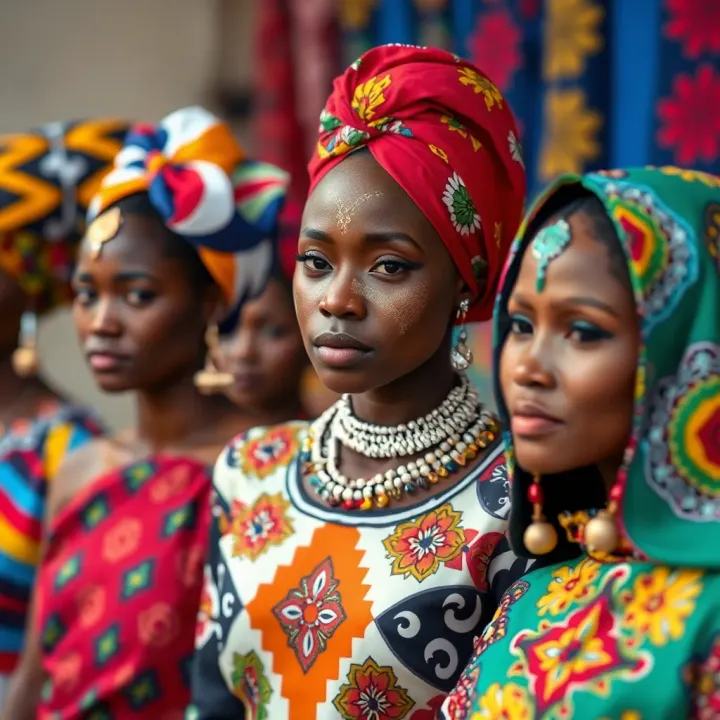
Family acceptance is often the first major challenge for non-binary Nigerians. Many families, rooted in traditional values, expect clear-cut gender roles. When someone identifies outside the male-female binary, this can cause confusion or rejection. A young university student who prefers non-binary pronouns may face pressure to conform or stay silent to avoid family conflict.
Beyond family, community settings such as church gatherings, local markets, or neighbourhoods may act as spaces of misunderstanding. Misrecognition of a non-binary identity often results in social isolation or stigma. For example, a non-binary trader in Lagos might face exclusion in market associations where gender roles dictate membership or selling spaces.
Nigeria’s cultural mosaic strongly influences gender perceptions. Most ethnic groups traditionally recognise only male and female roles, often linked to specific societal responsibilities. This worldview can make non-binary identities difficult to reconcile within community values.
Religious doctrines, especially in Christianity and Islam, tend to reinforce strict gender distinctions. This shapes local attitudes towards gender diversity and can lead to discrimination or condemnation. For instance, a non-binary person in a predominantly Muslim community may find it hard to openly express their identity without risking social or religious backlash.
Preferred pronouns and names are vital for respecting non-binary identities, but they are often overlooked in Nigerian contexts. For instance, forms and official documents usually require ticking 'male' or 'female', leaving non-binary individuals unacknowledged.
Using the correct name and pronoun helps non-binary Nigerians feel seen and valued. On a practical level, traders or students facing frequent misgendering might suffer lowered self-esteem or encounter barriers to networking. Promoting awareness of pronoun respect in workplaces and schools aids inclusivity and reduces misunderstandings.
Clothing and behaviour are key ways non-binary people express their identity. However, Nigerian society often associates dress codes tightly with gender. A non-binary person wearing gender-neutral or mixed clothes may attract questions or uncomfortable stares in public spaces, such as in danfo buses or at market stalls.
Still, many non-binary individuals find subtle ways to express themselves while balancing social expectations. This might include choosing neutral colours, mixing traditional fabrics in unconventional ways, or adopting mannerisms that don't fit strict gender norms. Understanding these expressions helps families, employers, and peers to support diversity beyond stereotypes.
Recognising and respecting the unique experiences of non-binary people enriches Nigerian society by fostering empathy and opening spaces for all identities to thrive safely and authentically.
Understanding non-binary identities in Nigeria requires a solid grasp of the country's cultural traditions and legal framework. Both shape how gender is seen and how people expressing non-binary identities navigate society. This context influences acceptance, recognition, and the protections or challenges faced by non-binary Nigerians.
Traditional Nigerian societies often have specific gender roles tied to ethnic customs and spiritual beliefs. For example, among the Yoruba, certain deities like Èṣù played roles that blurred rigid gender lines, offering a glimpse into more fluid understandings of gender long before modern terms existed. Similarly, Igbo and Hausa communities traditionally assign responsibilities based on social roles rather than strict biological categories, though these still often rest on male-female distinctions.
This practical setup sometimes allowed individuals who did not fit neatly into male or female roles to take on unique social positions, such as spiritual leaders or custodians of certain rituals. However, these roles were culturally bound and did not always translate into broad social acceptance outside ritual contexts. Recognising these indigenous views helps frame non-binary identity not as a foreign import but as having local historical echoes.
The arrival of British colonial rule introduced formal legal codes heavily influenced by Victorian values, including strict binary gender classification. The criminalisation of cross-dressing, sodomy laws, and other restrictions on gender expression created barriers that did not previously exist in many Nigerian communities. These laws persist in the post-independence era and impact how non-binary people can express themselves openly.
For instance, under the Criminal Code Act and Penal Codes in different Nigerian states, behaviours perceived as deviating from binary norms can be penalised, discouraging public affirmation of non-binary identities. Beyond just legal penalties, these colonial legacies fuel societal stigma rooted in conservative interpretations of gender and sexuality.
Nigeria currently lacks explicit legal recognition or protection for non-binary individuals. National identification systems, like the National Identification Number (NIN) registry, require applicants to select male or female gender options, leaving non-binary people with no official category. This absence can complicate access to services such as healthcare, education, banking, and travel.
Moreover, laws against "cross-dressing" or public indecency, often vaguely defined, can be used to harass or arrest individuals who express gender non-conformity. This legal environment fosters insecurity and limits freedom, making it difficult for non-binary Nigerians to live openly or challenge discrimination in court.
Despite these challenges, Nigerian civil society organisations and human rights advocates have begun spotlighting gender diversity issues more actively. NGOs such as The Initiative for Equal Rights (TIERs) and Project Alert collaborate on awareness campaigns, legal aid, and psychosocial support for LGBTQ+ communities, inclusive of non-binary people.
On the legal front, advocacy groups push for the repeal of punitive colonial-era laws and inclusion of gender identity protections in Nigeria’s human rights frameworks. While progress has been slow and met with resistance, increased dialogue, social media visibility, and the solidarity shown by allies encourage gradual change.
Supporting non-binary Nigerians means understanding both the deep cultural layers and the persistent legal hurdles they face. Only through informed conversations and consistent advocacy can society move towards genuine inclusion.
By considering culture and law side by side, readers gain a clear picture of why non-binary identity challenges in Nigeria are unique and require nuanced approaches for real progress.
Supporting non-binary people in Nigeria goes beyond mere acceptance; it involves active efforts that help integrate gender diversity into social and professional spaces. Such support reduces misunderstandings, combats stigma, and cultivates environments where everyone can thrive. For traders, investors, and students alike, knowing how to foster respect for non-binary identities promotes stronger relationships and smoother social interactions.
One immediate way to show respect to non-binary individuals is by using their preferred names and pronouns accurately. In Nigeria, where names often carry deep cultural meaning, acknowledging someone's chosen identity signals basic human respect and recognition of their individuality. For example, if a person requests neutral pronouns like "they/them," addressing them accordingly in conversation and correspondence matters significantly.
Disregarding preferred pronouns can create a hostile environment, limiting the ability of non-binary people to express themselves freely. Simple steps, such as asking politely about someone’s pronouns at the start of meetings or when making introductions, set a tone of inclusivity and openness.
Inclusive spaces provide safe environments where non-binary people feel valued and secure. In Nigerian workplaces, schools, or social settings, this could mean adopting gender-neutral facilities or dress codes allowing self-expression without pressure to conform to strictly male or female norms.
For instance, a Lagos-based fintech company could include pronoun options on ID badges or internal communication platforms, signalling acceptance. Similarly, educational institutions can offer gender-neutral restrooms or sensitise staff and students about gender diversity, thus avoiding alienation or bullying.
Local NGOs play an essential role in supporting non-binary Nigerians by providing safe spaces, counselling, and advocacy. Organisations such as The Initiative for Equal Rights (TIERS) offer platforms where individuals can connect and access resources tailored to their needs. These groups also work on sensitising families and communities to reduce hostility and discrimination.
By engaging with such groups, allies can contribute meaningfully to shifts in perception, lending support that is often missing from mainstream society. Their efforts have been vital in urban centres like Abuja and Port Harcourt, where visibility of non-binary identities is slowly increasing.
Education is a powerful tool to break down stereotypes about gender. Awareness campaigns run by NGOs or activists can help dispel myths, particularly in rural or conservative areas where misconceptions about non-binary identities prevail.
Workshops in schools and workplaces, often supported by international partners, impart knowledge on gender diversity. These initiatives equip teachers, employers, and students to foster respect and create policies that include non-binary people. For businesses and investors, engaging with these educational activities enhances corporate social responsibility and helps build a more inclusive client base.
Taking tangible steps to support non-binary people shows not just tolerance but an embrace of diversity, which is vital for the social and economic fabric of Nigeria.
Promoting awareness and inclusion for non-binary identities in Nigeria is key to fostering a more understanding and respectful society. Increasing knowledge about gender diversity helps reduce stigma and discrimination, especially where rigid gender roles and expectations remain strong. Practical steps like educating institutions and encouraging open conversation lay the groundwork for real change both socially and legally.
Integrating gender diversity topics into Nigerian school curricula can shift perceptions early. When students learn about various gender identities, including non-binary experiences, it creates space for acceptance rather than suspicion. Teacher training is crucial here; educators must understand these concepts so they can handle questions and support students sensitively. For example, if schools include discussions about gender beyond male and female categories, young learners grow to appreciate diversity instead of fearing difference.
Workplaces in Nigeria are beginning to recognise the value of inclusive environments. Implementing clear diversity policies that protect non-binary employees from discrimination can improve morale and productivity. Policies might include respecting chosen names and pronouns, allowing gender-neutral dress codes, and providing non-gendered facilities. Nigerian companies like banks or telecom firms that adopt such policies send a strong message of acceptance and encourage more workers to express their identities openly without fear.
Personal stories from non-binary Nigerians add a human face to the discussion. When individuals share their experiences, challenges, and triumphs, they educate others directly. This storytelling counters misinformation and stereotypes. For instance, a non-binary activist speaking in university seminars or online forums bridges gaps in understanding and builds solidarity among young Nigerians who may feel isolated.
Media has a powerful role in shaping public attitudes. Nigerian films, radio shows, and social media can normalise non-binary identities by portraying diverse characters and real-life narratives. Documentaries or dramas featuring non-binary people encourage empathy by highlighting everyday struggles and successes. When audiences see relatable stories, they are less likely to judge harshly and more likely to support inclusive policies.
Promoting awareness and inclusion is not just about tolerance—it's about recognising the full humanity of non-binary people and creating Nigerian spaces where everyone can thrive.
By focusing on educational outreach and open dialogue, Nigeria can gradually build a society where gender diversity is understood, respected, and celebrated.
📈 Explore how binary options work and their risks tailored for Nigerian traders. Learn smart strategies, regulation tips, and risk management to trade wisely.

Discover how to trade binary options confidently in Nigeria 📈. Learn key strategies, risks, and mechanics to make smarter trading decisions today.

Explore how binary investments work with Yahoo! Get insights on trading formats, risks, and tips tailored for Nigerian investors. 📊💡

Explore how bacteria reproduce through binary fission 🔬 with clear examples, stages, and its role in biology, focusing on Nigeria's unique ecosystems 🇳🇬.
Based on 10 reviews