
Forex Trading Guide for Nigerian Investors
💹 Explore forex trading designed for Nigerians! Learn key concepts, spot risks, and get practical tips to trade currencies confidently and smartly.
Edited By
Oliver Hughes
Forex trading has become a popular way for many Nigerians to engage with the global financial markets. The idea of buying one currency and selling another for profit sounds straightforward, but without a solid grasp of the basics, it’s easy to get lost or make costly mistakes.
This guide aims to cut through the noise and deliver clear, practical advice tailored for beginners in Nigeria. You'll learn what forex trading is all about, how the market works, and essential terms to know. Also, we'll cover the basics of choosing a broker, setting up your trading account, and managing risks effectively.
Whether you’re a student curious about investment opportunities, a new trader ready to dip your toes, or just someone wanting to understand the forex scene better, this article is designed to give you a strong foundation. By the end, you'll feel confident taking your first steps into forex trading without feeling overwhelmed.
Remember, forex trading isn’t a get-rich-quick scheme. It requires discipline, learning, and practice, especially in markets affected by factors unique to Nigeria’s economy and currency.
Stay with me as we break down everything you need to know to start trading the forex market safely and smartly from Nigeria.
Starting with forex trading can feel like stepping into a whirlwind of numbers and terms. That’s why an introduction matters — it sets the stage so you’re not going in blind. For beginners in Nigeria, understanding forex trading isn’t just about learning a new skill; it’s about unlocking potential ways to boost income and diversify investments.
Forex trading involves buying and selling currencies to take advantage of their changing values. It’s like swapping your Naira for other currencies hoping to make a profit when rates shift. Knowing how this works helps you decide when to enter or exit the market. This kind of knowledge is especially useful where traditional savings sometimes fall short of beating inflation or meeting financial goals.
By learning the ins and outs early on, you’ll avoid common pitfalls — like chasing quick wins or misunderstanding market signals — which often trip up new traders. Plus, getting a grip on the basics allows you to build confidence, a crucial ingredient for making clear-headed decisions under pressure.
Forex, short for foreign exchange, is the marketplace where currencies are traded. Think of it as a giant global bazaar where traders buy one currency and sell another simultaneously. The exchange rate shows how much one currency is worth in terms of another, like how many Naira you can get for a US Dollar.
This constant swapping happens because currencies are the backbone of international trade and travel. For example, a Nigerian business importing goods from the US needs to convert Naira into Dollars. Forex markets let that happen quickly and on a huge scale — daily transactions can top over $6 trillion worldwide.
Understanding this exchange process is vital because forex trading relies on the movement of these rates. When you trade forex, you speculate whether a currency will go up or down against another, trying to buy low and sell high. It’s a bit like betting on the relative strength of different economies.
Forex stands out from other markets—like stocks or commodities—in several ways. For one, it operates 24 hours a day during weekdays, unlike stock exchanges that close at specific times. This around-the-clock nature means you can trade whenever it suits your schedule, a big plus for Nigerian traders balancing other commitments.
Another key difference is liquidity. Forex markets are extremely liquid because of the massive daily trading volume. That means you can often enter and exit trades quickly without worrying about finding a buyer or seller.
Also, forex usually involves trading pairs of currencies rather than individual assets. So, you’re always watching the relationship between two currencies, not just one standalone value. This dynamic demands a slightly different strategy compared to, say, buying shares in a company.
Nigeria presents unique opportunities in forex trading primarily due to its active role in the global economy and fluctuating currency environment. The Nigerian Naira often experiences volatility because of factors like oil prices, government policies, and foreign investment flows. This volatility creates chances for traders to profit if they read the market well.
Besides, access to the internet and mobile trading apps has opened up forex to more Nigerians than ever before. Platforms like MetaTrader and local brokers make it easier to get started with smaller amounts, lowering the barrier for everyday people to enter the market.
What’s more, forex trading can supplement incomes or even become a primary income source for many. Especially for young professionals and students, it offers a way to engage with international finance without leaving home.
On a personal level, forex trading can affect your finances by providing an alternative avenue to grow your savings beyond traditional banking products. But it’s double-edged; without proper risk management, losses can hit hard. So it’s essential to treat it like a business, not a gamble.
For businesses in Nigeria, forex plays a crucial role in managing costs and revenues linked to imports and exports. Companies use forex markets to hedge against unfavorable currency moves — say if the Naira weakens unexpectedly, making imported goods pricier.
Understanding how forex impacts the broader economy also informs personal decisions, like when to send money abroad or invest in foreign assets. Keeping an eye on currency trends can help you make smarter choices, saving money or maximizing returns.
In short, forex trading isn’t just a financial hobby; it connects deeply with everyday life in Nigeria, influencing how people and businesses manage money amid constant currency swings.
Understanding how the forex market operates is a cornerstone for anyone looking to trade currencies, especially for beginners in Nigeria. This knowledge not only demystifies how trades happen but also equips you to spot opportunities and risks in the market. It’s like getting the lay of the land before you start your journey—knowing who’s involved, how currency pairs move, and when markets are most active.
The forex market might seem like a chaotic ocean of numbers, but it’s really a well-organized network made up of several key players with different roles.
Retail traders are everyday people like you and me trading through brokers, often with smaller amounts, aiming to profit from currency moves.
Banks and financial institutions operate on a much larger scale, moving millions of dollars and often setting the tone for price shifts.
Brokers act as middlemen, providing the platform and tools that allow retail traders to participate by connecting them to the larger financial ecosystem.
You also have institutional investors like hedge funds and corporations engaging in forex to hedge risk or invest.
Understanding these participants is practical because it helps you grasp who influences the market and how liquidity and price movements occur. For instance, knowing that banks can cause volatility during key economic announcements prepares you to expect and perhaps benefit from these swings.
The role of central banks is particularly important. In Nigeria, the Central Bank of Nigeria (CBN) actively intervenes in the forex market to stabilize the naira when necessary. Central banks influence currency values through monetary policies, interest rates, and direct intervention by buying or selling currencies. A straightforward example is when the CBN sets interest rates or imposes restrictions on forex access, causing ripple effects on currency exchange rates.
Keeping an eye on central bank decisions can give you an edge, as these moves often cause noticeable price changes.
Forex trading is all about trading currency pairs, so getting a clear grip on this concept is essential.
The base currency is the first currency in a pair, the one you’re buying or selling.
The quote currency is the second one, showing how much it costs to buy one unit of the base currency.
For example, in the USD/NGN pair, the USD is the base, and NGN is the quote. If the pair quotes 460, it roughly means one US dollar costs 460 Nigerian naira.
Currency pairs are divided into:
Major pairs: These always include the US dollar and are the most traded, e.g., EUR/USD, USD/JPY.
Minor pairs: These don’t feature the US dollar but involve other major economies, like EUR/GBP or AUD/NZD.
Exotic pairs: These combine a major currency with one from a smaller or emerging market, such as USD/NGN or USD/TRY.
For Nigerian traders, exotic pairs like USD/NGN or EUR/NGN are particularly relevant since they directly relate to the naira. However, these pairs might be less liquid and have wider spreads, meaning higher trading costs and potentially more significant price swings.
Because forex is a worldwide market, trading happens 24 hours a day, broken down into sessions based on geographic regions:
Asian session: Begins in Tokyo, typically the quietest session.
European session: London opens here, and this session is often very active.
North American session: New York leads this session, overlapping with London for a few hours, creating peaks in market activity.
For Nigerian traders, understanding these sessions helps pinpoint when the market is most lively and when liquidity peaks. Since Nigeria is in the West African Time zone (WAT), the European and North American session overlaps (roughly 2pm - 6pm WAT) tend to be the best times to trade. This period offers more opportunities due to higher volumes and clearer price trends.
Timing your trades during the busiest sessions can improve your chances of better fills and tighter spreads, which is crucial for a beginner's success.
In summary, knowing how the market operates—the players, currency pairs, and trading hours—puts you in a stronger position to make smarter trading decisions. It’s not just guesswork; it’s about understanding the moving parts so you can anticipate what’s coming and act accordingly.
Grasping the essential terms used in forex trading is like learning the language of the market. Without a solid understanding of these terms, even the best strategies can fall flat. This section breaks down the fundamental vocabulary that every beginning trader in Nigeria should know to get a leg up and trade confidently.
In forex, a pip stands for "percentage in point" and represents the smallest price change in currency pairs. For example, if the USD/NGN moves from 460.50 to 460.60, that 0.10 change equals one pip. Pips are how traders measure gains or losses, giving you a clear yardstick of market moves.
A lot is the size of the forex trade. Standard lots are 100,000 units of the base currency, but most brokers cater to smaller sizes like mini (10,000) and micro (1,000) lots, making trading accessible even with modest accounts. Let's say you buy 1 mini lot of USD/NGN at 460.50; a one-pip move equates to about 100 NGN profit or loss, depending on price direction.
Leverage lets you control a bigger position with less money upfront. For example, with 50:1 leverage, you can control 50,000 USD with just 1,000 USD in your account. This amplifies both profits and losses.
Leverage acts like a double-edged sword. If the market moves in your favor, your profits multiply since you're controlling more than your actual cash. But if it moves against you, losses can quickly pile up beyond your initial investment, wiping out your account fast if you're not careful.
Consider a Nigerian trader who buys USD/NGN with 100:1 leverage. A 1% favorable move could double their money, but a 1% adverse shift can empty the trading account. Proper risk control and understanding how much leverage your broker offers is essential to avoid those bloodcurdling losses.
The bid price is what buyers are willing to pay, while the ask price is what sellers want. For instance, if the USD/NGN pair shows a bid of 460.40 and an ask of 460.50, you can sell at 460.40 or buy at 460.50. The difference reflects the market's buying and selling sentiment.
The spread is the gap between the bid and ask prices. It’s a hidden cost you pay each trade, similar to a commission. Brokers like FXTM and HotForex declare their normal spreads for major pairs; tighter spreads mean cheaper trades.
For Nigerian traders, trading during peak hours like London or New York sessions usually means narrower spreads, saving costs. Wider spreads in less liquid hours or exotic pairs can eat into profits. Monitoring spreads attentively allows traders to pick the right moments and pairs to trade without burning through capital in fees.
Remember, trading isn’t just about winning; managing costs like spreads and leverage is just as important to keep your account healthy.
Understanding these terms sets the foundation for smart forex trading. Knowing exactly what a pip is, how leverage works, and what bid-ask spread means will put you on firmer ground as you step into the forex market.
For beginners stepping into forex trading in Nigeria, understanding basic trading strategies is like having a roadmap in an unfamiliar city. These strategies help traders make sense of market movements and guide their decision-making process. Getting familiar with common tactics not only boosts confidence but also helps manage risks better.
When you’re starting out, it’s tempting to jump on every fluctuation, but sticking to tried and tested strategies—like trend following or range trading—can save you from costly mistakes. For example, many beginners find success using trend following because it aligns with the natural flow of the market, while others prefer range trading when the market seems to be moving sideways.
One of the first steps in trend following is spotting whether prices are moving up, down, or sideways. Trends can be as obvious as a steady climb in the US Dollar against the Nigerian Naira during certain economic periods, or a gradual decline in the Euro during political uncertainty. Recognizing these patterns gives traders an edge in deciding when to enter or exit a trade.
Key signs of an uptrend include higher highs and higher lows on the price chart, while downtrends show lower lows and lower highs. Simple tools like moving averages can help smooth out price data to identify trends more clearly. For instance, a 50-day moving average crossing above a 200-day average often signals a bullish market.
Once you identify a trend, it's wise to ride it rather than swim against it. Using indicators like moving averages or the Relative Strength Index (RSI) helps confirm the trend's strength. You might buy when the price bounces off a support level on an upward trend or sell when it dips below a moving average in a downtrend.
Practical application: If the Nigerian Naira is strengthening steadily against the British Pound, riding that upward trend by buying NGN/GBP pairs could be profitable. However, always combine trend signals with risk controls like stop-loss orders.
Range trading works well when the market isn’t trending but moving sideways between two price points. Identifying support (the price floor) and resistance (the price ceiling) becomes crucial here. Imagine the USD/NGN pair isn’t making major moves but keeps bouncing between 460 and 470 Naira per Dollar — these become your support and resistance levels.
Drawing horizontal lines on a price chart at these levels helps you spot the trading range. Recognizing this pattern can prevent you from entering trades during periods of indecision and instead take advantage of predictable bounces.
In a range market, buying near support and selling near resistance is a straightforward strategy. For instance, if the price dips close to 460 NGN/USD, it might be a buying opportunity, aiming to sell later near 470 NGN/USD. Similarly, short-selling near resistance with a target close to support can work well.
However, it’s worth noting that breaks outside these levels can signal new trends forming, so keeping an eye on volume and price action is essential. Setting stop-loss orders just beyond support or resistance helps you limit losses if the market suddenly shifts.
Remember: No strategy is foolproof. Practicing these approaches on demo accounts and keeping a careful eye on risk can go a long way in making your forex trading journey smoother and more effective.
By grasping these fundamental strategies, beginner forex traders in Nigeria can better navigate the market’s ups and downs without chasing after every price move blindly.
Risk management is the backbone of successful forex trading. Without it, even the best trading strategy can fail. This section explains why protecting your capital matters, especially for beginner traders in Nigeria who might be dealing with limited funds. Managing risk effectively means you can stay in the market longer, learning and growing without wiping out your account in a single blow.
By setting clear rules and limits, like knowing when to cut losses and how much money to risk per trade, you build discipline and reduce the emotional rollercoaster that often messes up decision-making. For example, imagine a trader jumping into the market with no plan and risking too much on one trade; a single adverse market move could wipe out a week's worth of effort.
A stop-loss order is a trader’s safety net. It’s an instruction you place with your broker to automatically sell a currency pair when its price hits a certain level, preventing bigger losses than you’re willing to take.
Think of a stop-loss like that emergency brake in a car. If the market suddenly heads the wrong way, the stop-loss comes into play without you needing to watch the screen 24/7. This tool is essential because forex markets are volatile, especially with factors such as political news or economic events affecting prices unexpectedly.
You enter a trade and set a stop-loss level slightly below (for buys) or above (for sells) your entry price.
If the market moves against you, your position is closed automatically at the stop-loss price.
This stops small losses from snowballing into large, account-threatening ones.
For example, if you buy EUR/USD at 1.2000 and set a stop-loss at 1.1950, your trade will close if the price drops to 1.1950, limiting your loss to 50 pips.
Setting the stop-loss too tight can lead to getting kicked out of trades due to normal market noise—fluctuations just a trader’s everyday bread and butter. Too loose and you might face unnecessary large losses.
To pick the right spot:
Look at recent support and resistance levels on the chart.
Consider the average daily volatility of the currency pair—using indicators like the Average True Range (ATR) helps.
Don’t ignore your risk tolerance or the size of your trading account.
A practical approach is to risk only 1-2% of your account balance per trade. That means if your stop-loss would cause a loss greater than 2% of your capital, you should reconsider your position size or where you place the stop-loss.
Deciding how much to trade each time is crucial for steady growth and long-term survival in forex.
Your position size tells you how many units of currency you're buying or selling. This directly impacts how much money you could lose or gain.
To get this right:
Determine the percentage of your total capital you're willing to risk on a trade (commonly 1-2%).
Calculate the distance (in pips) between your entry price and stop-loss.
Use a position size calculator or formula to figure out how many lots (standard, mini, or micro) to buy or sell.
For instance, if you have ₦100,000 in your account and risk 2% (₦2,000), and your stop-loss is 50 pips away, your position size should be such that a 50-pip move against you equals ₦2,000 loss—not more.
One common pitfall is putting too much into a single trade or too many trades at once. This overexposure can wreck your account fast if the market moves unfavorably.
Tips to prevent this:
Never risk more than 5% of your total account balance across all open positions.
Keep a balanced portfolio; diversify your trades to avoid putting all eggs in one basket.
Stick to your pre-determined risk level regardless of how confident you feel.
"It's better to lose small and trade another day than to risk it all and lose everything at once."
By managing position size carefully, you protect yourself from big shocks and keep your trading sustainable.
Effective risk management through stop-loss orders and position sizing isn't just about avoiding losses; it shapes your trading mindset and builds consistency, which are key ingredients for long-term success in the forex market.
Picking the right forex broker is a deal breaker in your trading journey, especially in Nigeria where the market is growing but also filled with pitfalls. Your broker is more than just a middleman; they’re the gatekeeper to markets, trading tools, and your funds' safety. The choices you make here impact how smooth your trades go, how much you'll pay in fees, and ultimately, how successful you can be. This section breaks down what matters so you can dodge scams and pick a broker who truly supports your forex ambitions.
Regulation is the backbone of trust when it comes to forex brokers. In Nigeria, brokers that are regulated by reputable authorities like the Securities and Exchange Commission (SEC) or international bodies such as the Financial Conduct Authority (FCA) in the UK or the Cyprus Securities and Exchange Commission (CySEC) provide a layer of security. This regulation means they must follow strict rules around client fund protection, transparency, and fair trading practices.
Imagine you deposit ₦50,000 to a broker promising big returns — if that broker isn’t regulated and something shady goes down, your money could disappear without a trace. On the other hand, regulated brokers typically segregate client funds from company money and regularly undergo audits. This setup reduces risks a great deal.
Always verify the broker’s license status on official regulator websites before signing up.
The trading platform is where the action happens, so it must be reliable, user-friendly, and packed with tools that can help you make sound decisions. MetaTrader 4 (MT4) and MetaTrader 5 (MT5) are the most popular choices globally and widely supported by Nigerian brokers because they offer charting tools, technical indicators, and automated trading options.
Some brokers also provide proprietary platforms that might come with unique features or better integration with local payment methods. When choosing, try a demo version to check if the layout and functionality suit your style. For instance, if you like quick trading and easy navigation on your phone, a mobile-friendly platform with customizable alerts could be a dealmaker.
Having good charts, economic calendars, and news feeds integrated directly into your platform can save you heaps of time hunting for information.
Understanding the fees a broker charges is essential because they directly affect your net profits. The spread is the difference between the buying and selling price of a currency pair and acts like the broker’s fee on each trade. For beginners, brokers offering low spreads on major pairs like EUR/USD or GBP/USD are preferable.
Some brokers also charge a commission per trade instead of, or in addition to, the spread. Check if commissions are fixed or variable; the latter can become expensive in volatile markets.
Then there are swaps or rollover fees, which occur when you keep a position open overnight. These can be positive or negative depending on interest rate differences between the currencies traded.
Say you’re trading on easyMarkets or FXTM, both popular in Nigeria: it’s worth it to compare their spreads on pairs you’re interested in and factor in commissions to choose the lowest-cost broker.
Cash flow is king, especially in forex where timing matters. Look for brokers that offer convenient deposit and withdrawal options aligned with Nigerian banking methods—this includes bank transfers, online wallets like Skrill or Neteller, and increasingly popular mobile payment solutions like Paystack or Flutterwave.
Fast and free withdrawals are a huge plus. Some brokers might hold your funds for days or charge hefty fees for withdrawals; avoid those if possible. Remember, a broker with a fancy website but poor withdrawal reputation can leave you high and dry when you want your profit.
Make sure the broker’s minimum deposit fits your budget too. Some require as little as $10 (about ₦4,000), which is friendlier for beginners, while others might ask for hundreds.
In trading, choosing the right broker isn’t just a step—it’s the foundation. Spend the time researching and testing to find one that keeps your money safe, offers fair costs, and provides tools that suit your style. That way, you aren’t fighting your broker while trying to trade the forex market.
Starting your first forex trade is a major step that can’t be rushed. It’s where all the theories and strategies meet the real market action. For beginners in Nigeria, understanding this phase is key because it sets the tone for success or struggle in trading. This stage covers everything from choosing the right brokerage, setting up your account, to getting hands-on practice with no risks involved. Getting this right helps you avoid common mistakes, protects your funds, and builds confidence.
Opening and verifying your trading account is like getting your driver's license before hitting the road. Nigerian regulations require brokers to follow strict guidelines to ensure safety and legitimacy. Typically, you will need:
A valid government-issued ID such as your National ID card, International Passport, or Driver’s License.
Proof of residence like a recent utility bill or bank statement (usually within the last three months).
Sometimes a passport-sized photograph.
This paperwork ensures that the broker knows exactly who you are, which is crucial to prevent fraud and money laundering. It also affects how quickly you can start trading. For instance, submitting clear documents to a well-known broker like FXTM or HotForex in Nigeria can speed up your verification process to just 24-48 hours.
Account types and their differences matter because not all traders are the same. Brokers often offer various options:
Standard Accounts: These are beginner-friendly with moderate spreads and typical lot sizes.
Micro or Mini Accounts: Perfect for testing waters with lower deposit and smaller lots (even down to 0.01 lots), so you can learn without risking big.
VIP or Premium Accounts: For more experienced traders with bigger capital, offering lower spreads and additional perks.
Choosing the right account depends on your budget and trading goals. A fresh trader might start with a Micro account to limit exposure, while someone with more experience might opt for a Standard account for better trading conditions.
Demo accounts are your training ground before the real deal. They allow you to trade with virtual money in real market conditions. The benefits of demo trading include:
Getting comfortable with the trading platform, such as MetaTrader 4 or MetaTrader 5.
Testing your trading strategies without any financial risk.
Understanding how currency pairs move and how to place orders correctly.
For example, a Nigerian beginner might practice trading the USD/NGN pair on a demo account to see how news affects the rate before risking actual money.
The tricky part is how to transition to live trading without letting emotions take over:
Start small: Fund your live account with an amount you can afford to lose — even as low as ₦10,000.
Stick with the strategies you’ve tested on your demo account.
Use proper risk management like setting stop-loss orders.
Avoid chasing losses — live trading can feel different, so pace yourself.
Remember, the jump from demo to live is more about mindset than anything else. Treat it seriously but don’t panic if you face early losses — every trader has been there.
Overall, beginning your first trade hinges on selecting a regulated broker, understanding account types, and practicing enough with demo accounts. Taking these steps seriously improves your chances of navigating the forex market successfully while minimizing avoidable errors.
Navigating the forex market takes more than just knowing how to buy and sell currencies. To succeed, especially for beginners in Nigeria, adopting practical habits can make a world of difference. These tips aren’t just theory – they ground your trading in discipline, awareness, and adaptability, which are essential for managing risks and spotting opportunities. Taking simple steps like keeping records, following market news, and reflecting on trades can build a solid foundation for growth.
Tracking trades and decisions is like keeping a diary for your trading journey. By writing down every trade you make—including the reasons you entered and exited, how much you invested, and the outcome—you create a valuable database of your actions and outcomes. This habit helps you avoid repeatedly making the same mistakes and recognize patterns in your trading style. For example, if you notice that you often lose money on trades during certain market conditions, you can adjust your strategy before throwing more money down the drain.
Learning from wins and losses is just as important as tracking the trades. Each success confirms what works for you, while every loss becomes a lesson about what to improve or avoid. Instead of feeling frustrated, treat those losses as stepping stones, not roadblocks. You might find that analyzing losing trades reveals you were too impulsive or that your stop-loss levels were set too tight. Over time, a trading journal transforms into a personal guide, steering you toward smarter, more confident decisions.
The forex market never sleeps, and neither do its driving forces. For Nigerian traders, keeping up with reliable news sources is a must to stay ahead. Trustworthy outlets like Bloomberg, Reuters, and local sources such as BusinessDay Nigeria provide timely insights into currency fluctuations and economic indicators relevant to the Nigerian naira and global markets. Following these sources regularly helps traders respond to new information rather than guesswork.
Understanding the impact of global and local events is key to making informed trades. Events like interest rate changes by the Central Bank of Nigeria, political developments, or global crises impact currency values directly. For example, when Nigeria announces changes in its oil production policies, it often affects the Naira's strength due to its oil-dependant economy. Awareness of such events means you won’t be caught off guard and can position your trades to protect your funds or capture gains.
Remember, the market reacts fastest to data and news, so staying informed is half the battle won.
By combining disciplined record-keeping with staying alert to news, Nigerian beginners in forex trading can build habits that lead to long-term success. These tips aren't just extra steps; they're practical tools to keep your trading grounded in reality and ready for what comes next.
💹 Explore forex trading designed for Nigerians! Learn key concepts, spot risks, and get practical tips to trade currencies confidently and smartly.
Explore forex trading in Nigeria 🇳🇬 with tips on brokers, strategies, risks, regulations, and market opportunities to trade smarter and safer 💹
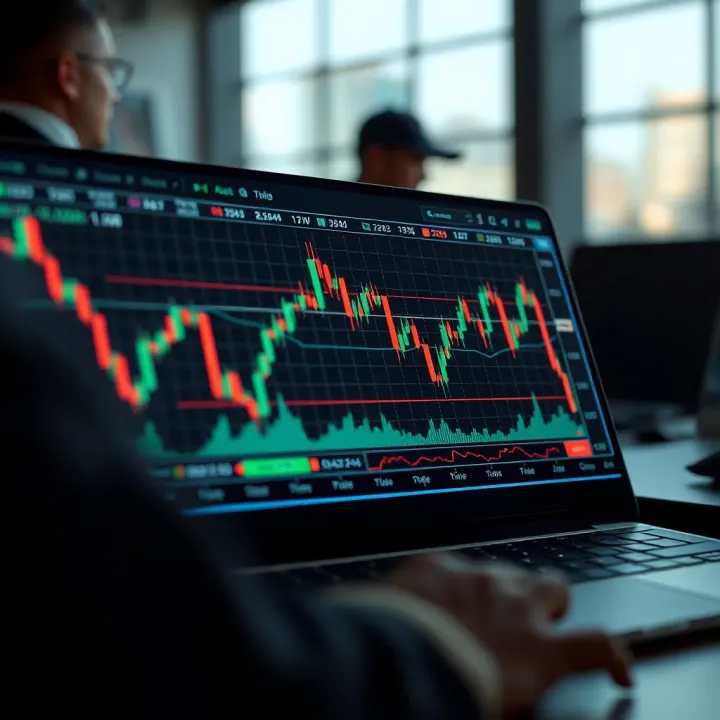
🌍 Discover practical tips for forex trading in Nigeria! Learn how to pick trusted brokers, understand local rules, avoid mistakes, and sharpen your skills.
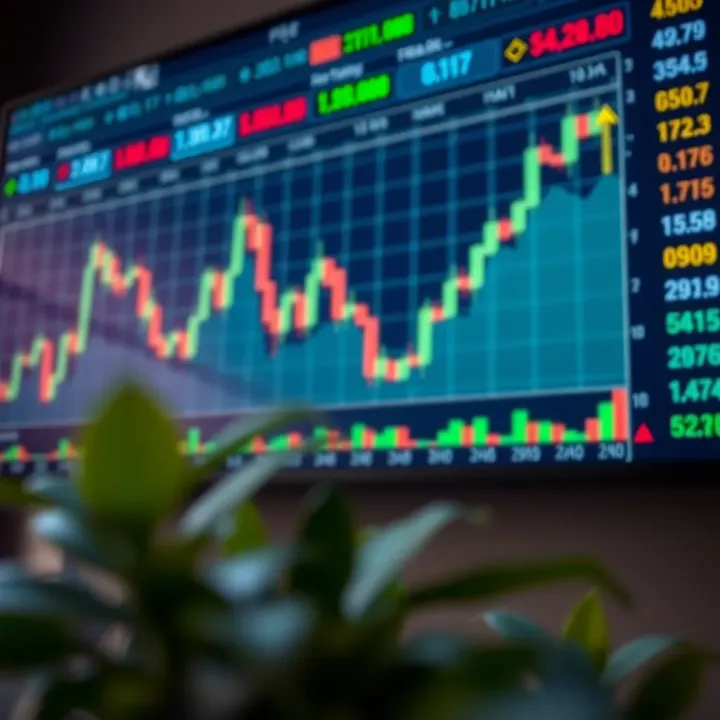
Learn forex trading basics 🌍, from market workings to risk tips, tailored for beginners in Nigeria eager to trade currency confidently 💹.
Based on 5 reviews