
Best Forex Trading Apps in Nigeria: A Practical Guide
Explore top forex trading apps for Nigerians 📱. Learn key features, pros & cons, and tips to trade smartly while managing risks in volatile markets 💹.
Edited By
Oliver Hughes
Forex trading has become increasingly popular in Nigeria, with more people looking to make money by trading currencies from the comfort of their homes. But with countless trading apps popping up, finding one that fits your style and needs can be daunting. Choosing the right app isn’t just about flashy interfaces or big promises—it’s about trust, functionality, and security.
In this guide, we’ll walk you through what you need to know when picking a forex trading app in Nigeria. From understanding key features and spotting reliable platforms to navigating local regulations and avoiding common pitfalls, this article aims to save you time and help you make well-informed decisions.
Whether you’re a newbie trader or someone sharpening their investment tools, knowing how to sift through the noise and zero in on the best app can make all the difference. Let’s get started with what really matters when making this choice.
A forex trading app is a software application designed to allow users to buy and sell currencies digitally, directly from their mobile devices or tablets. In Nigeria, where smartphone usage is rapidly increasing and internet access is becoming more widespread, these apps have become essential tools for traders looking to engage in the forex market without needing to be tied down to a desktop or traditional trading environment.
The importance of forex trading apps in Nigeria lies in their ability to democratize access to currency markets. For instance, instead of needing a big investment with a broker or financial institution, a trader in Lagos or Kaduna can use an app like MetaTrader 4 to start trading with accessible capital, anytime and anywhere. This convenience opens doors for many Nigerians looking to diversify income streams and participate in the global financial market.
These apps also offer real-time trading features, account management, and access to market news, enabling users to react quickly to market changes — a critical factor in forex where timing is everything. With Nigeria's economy tied closely to foreign exchange fluctuations, having a reliable trading app can make the difference between capturing profit opportunities or missing out.
Forex trading involves buying one currency and simultaneously selling another, operating through currency pairs. Traders speculate on whether one currency will strengthen or weaken against the other within these pairs. For example, a trader in Nigeria might speculate on the USD/NGN (US Dollar/Nigerian Naira) pair, betting on whether the Naira will gain or lose value against the dollar.
Unlike stock trading, forex operates globally, 24 hours a day across different time zones, which means a trader can place orders and monitor trades nearly anytime through their app. This non-stop trading allows for many opportunities but also requires understanding market trends and economic factors influencing currency strength.
Currency pairs are categorized mainly into majors, minors, and exotics. Majors include universally traded pairs like EUR/USD or GBP/USD, minor pairs might be EUR/GBP, while exotic pairs involve currencies from emerging markets, like USD/NGN. Nigerian traders often focus on the USD/NGN due to its direct impact on their economy and the availability of information.
Markets open and close at specific times in different financial hubs like London, New York, Tokyo, and Sydney. This means that the forex market cycles through sessions, with peak activity typically when multiple sessions overlap, like London and New York. Knowing these active hours is practical — for instance, a trader in Abuja might plan trades around the London session to catch higher liquidity and volatility.
Forex apps bring the market to the trader’s pocket. No need to sit behind a desktop for hours; all it takes is a phone with the right app. This is especially helpful in Nigeria, where power outages or limited access to desktop technology can hinder desktop-based trading. Apps like FXTM Mobile or IG Trading enable traders to monitor prices, execute trades, and manage accounts with a few taps, bridging the gap between opportunity and action.
Moreover, these apps typically come with user-friendly interfaces, designed to simplify complex forex data for users who may not have professional training, which makes entry into forex trading less intimidating and more approachable.
Timely information is the trader's best friend. Forex trading apps in Nigeria provide real-time charts, price alerts, and economic news feeds that help traders adjust strategies quickly. For example, if the Central Bank of Nigeria announces a policy shift affecting the Naira, a trader using an app like MetaTrader 5 can react instantly to avoid losses or capitalize on sudden movements.
These updates are crucial to avoid costly delays. Without a mobile app giving immediate notifications, one might miss price swings or important announcements, which could result in poor trading decisions.
Staying informed and flexible with a forex app can mean the difference between gaining profit and losing capital in the fast-moving currency market.
By understanding these basics and appreciating how mobile apps change the game for Nigerian traders, users are better positioned to choose a trading app that suits their style and needs.
When it comes to picking a forex trading app, especially in a market as dynamic as Nigeria's, the features you choose can make or break your trading experience. Having the right tools at your fingertips doesn’t just make trading easier, it often means the difference between spotting an opportunity and missing out.
Navigating a forex app should feel like a breeze, not a scavenger hunt. You want key functions such as placing orders, viewing charts, and accessing news to be quick to find and simple to use. Think of it like driving a car—you don't want to fiddle over controls while on the road. Apps like MetaTrader 4 are often praised for their straightforward menus, which allows traders to focus more on the market than on figuring out the app mechanics.
Trading preferences vary wildly; some look at charts, others at news feeds or order books. A customizable dashboard that lets you arrange widgets according to your priorities can boost efficiency considerably. For example, you might want your open positions and favorite currency pairs front-and-center, so you don’t waste time digging through menus mid-trade.
Forex trading apps deal with sensitive personal and financial information. Data encryption ensures that your details and trade data are scrambled and unusable to outsiders during transmission. Without this, you could expose yourself to hacks, especially when using public or shared Wi-Fi. Look for apps that use AES-256 or similar strong encryption standards.
Passwords alone aren't bulletproof. Two-factor authentication (2FA) adds an extra layer, usually by requiring a code from an authenticator app or a text message. It’s like double-locking your front door — not the ultimate barrier but a strong deterrent against unauthorized access.
Trading through apps that comply with regulations means the broker follows laws designed to protect your money and personal data. In Nigeria, ensure the app’s broker is licensed or recognized by the Securities and Exchange Commission (SEC). Internationally, recognition from bodies like the FCA (UK) or CySEC (Cyprus) signals a broker takes compliance seriously.
Charts aren't just pretty graphs — they speak volumes about price action and market trends. Your app should offer a good range of chart types, technical indicators like Bollinger Bands or RSI, and drawing tools to analyze price movements and make informed decisions. A trader relying solely on intuition without such tools is flying blind.
Knowing when major economic events are set to happen helps you avoid surprises. An economic calendar within your app can alert you about Nigerian inflation reports, US interest rate decisions, or unexpected geopolitical news that can shake markets. This helps plan your trades and manage risk effectively.
Even seasoned traders need refreshers, and newcomers especially benefit from tutorials, webinars, or articles right in the app. Apps like FXTM offer inbuilt materials, allowing you to brush up on strategies or new market dynamics without searching elsewhere.
Market orders buy or sell immediately at the current price. Pending orders, such as limit or stop orders, execute only when prices hit specific levels you set. The availability and flexibility of these order types allow for better control and tailored strategies.
Slippage happens when an order fills at a different price than expected, often due to market volatility or slow execution. Apps that offer slippage control settings let you limit the acceptable price deviation, protecting you from nasty surprises especially during news releases or sudden market moves.
In the end, your ideal forex trading app in Nigeria should feel like a trading partner—intuitive, secure, and well-equipped to support your strategies. Considering these features carefully helps you get that partner, not just another app cluttering your phone.
In Nigeria, choosing the right forex trading app isn’t just about what’s popular globally; it’s about what's reliable, accessible, and tailored to local needs. Nigerian traders face unique challenges, such as limited payment options and fluctuating internet quality. So, apps designed or adapted to these realities give a big leg up. These platforms don’t just offer functional trading — they also help bridge the gap between global markets and Nigerian users’ expectations.
MetaTrader 4 and 5 are among the most widely used trading platforms, and for good reason. They offer a robust set of tools for technical analysis, automated trading via Expert Advisors, and real-time quotes. MT4 focuses mainly on Forex trading while MT5 offers more asset classes, including stocks and futures. For Nigerian traders, these apps also support multiple languages and provide good server connectivity optimized for different regions, making them reliable even on slower connections. Their custom indicators and extensive community support make them perfect for both rookies and pros.
Binance Forex provides an edge by combining traditional forex trading with cryptocurrency markets. Since crypto is popular in Nigeria as an alternative financial avenue, Binance’s integration means you can switch seamlessly between forex and crypto assets within the same app. It benefits from Binance’s global liquidity and easy-to-use mobile interface. Plus, its low spreads and diverse order options give Nigerian traders flexibility. However, some might find the crypto-focus a bit distracting if their main interest is pure forex.
IG Trading stands out as a veteran player trusted worldwide. It offers a sleek mobile app with advanced charting tools and competitive pricing. What makes IG particularly appealing is its strong regulatory backing, providing an extra layer of security for Nigerian traders. They also have direct market access with fast trade execution—a must for those who catch volatility by the tail. The platform’s educational resources and demo accounts help new traders get their feet wet without risking capital immediately.
FXTM Mobile App is tailored for emerging markets, including Nigeria. It offers intuitive design, multiple account types, and local deposit methods like bank transfers and mobile money. FXTM’s well-rounded customer service specifically addresses Nigerian clients’ questions, which is a big plus considering the typical questions around regulations and deposits. For traders looking for straightforward forex trading without extra bells and whistles, FXTM delivers both reliability and clear pricing structures.
Fees and spreads vary among these apps and can eat into profits if not carefully monitored. MetaTrader platforms, being widely offered by many brokers, have variable spreads depending on the broker. Binance Forex tends to offer competitive spreads but might include fees when moving between crypto and fiat. IG Trading and FXTM generally present transparent fee structures, but FXTM sometimes charges higher withdrawal fees for certain methods. It’s wise to run the numbers before committing.
Deposit and withdrawal options are critical. Many global apps limit payment methods that Nigerians depend on, like local bank transfers or mobile wallets. FXTM shines here by supporting GTBank and Zenith Bank transfers, along with platforms like Paystack and Flutterwave, which are huge locally. MetaTrader’s capabilities depend largely on the broker behind it. Binance has decent crypto withdrawal options, but converting crypto to Naira can be extra work. IG Trading generally requires international bank transfers, which can slow down withdrawals.
Customer support can make or break a trading experience—especially in fast-moving markets. FXTM offers localized customer service, including WhatsApp support for Nigerians, which is a rare plus. MetaTrader tech support depends on the broker, so quality varies widely. Binance has a 24/7 global support center but can be slow in responding during peak hours. IG Trading’s support is professional but less tailored to Nigerian issues. Don’t underestimate how much smoother trading feels when you can get quick help.
Choosing the right trading app involves balancing features, costs, and support tailored to local realities. For Nigerian traders, ease of funding, reliable support, and well-optimized software are just as critical as flashy charts or tight spreads. Always consider how well the app matches your daily trading habits and needs before committing your hard-earned Naira.
Knowing the regulatory framework for forex trading apps in Nigeria isn't just some paperwork hassle—it's the backbone of safe and reliable trading. When you’re picking a platform to trade on, understanding who’s in charge and what rules they enforce can save you from falling into traps set by shady operators. For instance, the Central Bank of Nigeria (CBN) has specific guidelines that ensure brokers operate fairly and transparently with your investment.
Without these safeguards, traders can easily get caught up in scams or end up with platforms that don't protect their funds properly. The regulatory landscape also means you get some legal recourse if things go sideways. So, when checking out an app, it’s smart to find out if it aligns with Nigerian laws and international standards—this is your first line of defense.
The CBN plays a hands-on role in giving out licenses to forex brokers and apps willing to operate legally within Nigeria. This licensing is more than just a formality. It involves strict background checks, capital adequacy tests, and ongoing compliance monitoring. What this means for you is simple: if your forex app has a valid CBN license, it’s met a baseline for reliability and financial stability.
For example, if a broker isn’t licensed by CBN, they probably won't be allowed to offer naira-denominated accounts, making your funding and withdrawals a headache. Always ask if your forex app is CBN-licensed before committing your funds. It’s a red flag if they dodge the question or give vague answers.
Beyond licensing, CBN also ensures consumer protection provisions are in place. This includes rules to safeguard your personal and financial data, clearly defined dispute resolution mechanisms, and limits on leverage to prevent you blowing your account overnight. You want these protections because forex trading carries risk, and without a regulator keeping an eye on the brokers, some could exploit traders.
To put it plainly, CBN wants Nigerian traders to have some level of trust that their funds are safer and complaints will be addressed. If your trading app falls under CBN’s watch, you benefit from this framework, lessening the chances of being left high and dry.
While Nigerian regulations are crucial, many reputable forex traders also look for brokers regulated by well-known international bodies like the UK's Financial Conduct Authority (FCA) or Cyprus Securities and Exchange Commission (CySEC). These regulators are famous for strict oversight and protecting traders through well-developed compliance frameworks.
Traders often prefer apps tied to brokers regulated by FCA or CySEC because these supervisors require brokers to keep client funds in segregated accounts—separate from the broker’s operating funds. This can protect you if the broker faces financial trouble. For Nigerian traders, choosing apps that work with such brokers adds a layer of credibility and security.
Regulated brokers aren’t just about paperwork; they’re about trustworthiness in handling your money and fair trading practices. Unregulated brokers might disappear overnight with your deposits or manipulate prices unfairly.
Trading through a regulated broker means you’re less likely to encounter hidden fees, unexpected platform shutdowns, or unethical trading conditions.
Always double-check a broker’s regulation status before downloading their app. Verifying this can be as simple as visiting the regulator's official register. If a broker or app claims regulation but can’t provide proof, steer clear.
In short, knowing the regulatory landscape helps Nigerian forex traders avoid risky platforms and pick trustworthy apps that abide by legal and ethical standards. This knowledge sharpens your trading decisions and guards your investment better.
Funding your forex account is a vital step in beginning your trading journey. Without a reliable and efficient way to add money to your trading app, even the best strategies and tools won’t come into play. In Nigeria, where mobile money and banking services have seen rapid growth, understanding how to fund your forex account smoothly can mean the difference between quick market entry and frustrating delays.
Being aware of your funding options also safeguards against unnecessary fees and ensures your money arrives on time, ready for trading. For example, some brokers might accept local payment methods while others require international wire transfers, which can add complexity. Knowing what payment methods are widely accepted and their pros and cons gives you the upper hand when it’s time to top up your trading wallet.
Bank transfers remain one of the most straightforward ways to fund your forex account in Nigeria. Most brokers and trading platforms accept direct deposits from Nigerian banks such as Access Bank, GTBank, or Zenith Bank. The key benefit here is safety: your funds move directly from your bank to the broker’s account, minimizing the risk of fraud.
However, bank transfers can sometimes be slow, especially if you’re dealing with international brokers. Local bank transfers, using platforms like NIP (Nigerian Interbank Payment), typically clear within a few hours, but international wire transfers might take several days. Also, you should check whether your bank charges extra fees for international transfers and factor that into your cost.
Mobile money services and e-wallets have gained popularity in Nigeria for their convenience and speed. Apps like Paga, Opay, and Flutterwave provide quick top-up options for several forex trading platforms. Using an e-wallet reduces the need to handle a bank directly and can speed up your funding process.
The main appeal here is instant deposits and sometimes better exchange rates compared to banks. If your broker supports mobile money or e-wallet payments, it becomes easier to keep your trading account funded without the fuss of bank queues or paperwork. Just bear in mind that some platforms may limit withdrawal options back to these e-wallets, so check if deposits and withdrawals match your preferred methods.
Cryptocurrency is carving out a niche in forex trading, thanks to its borderless and decentralized nature. Several forex apps now accept Bitcoin, USDT (Tether), or other stablecoins for deposits and withdrawals. This option bypasses traditional banking hurdles and can be a game-changer, especially if you’re trading with international brokers.
Though crypto can slash transaction times, it comes with the risk of price volatility and the need for a secure digital wallet. Nigerian traders opting for crypto funding must also ensure their broker supports smooth conversion options and complies with local regulations to avoid any legal hiccups.
Every payment method comes with its own fee structure. Bank transfers might appear cheap but hidden charges like international transfer fees and unfavorable exchange rates can quickly pile up. Mobile wallets often charge a small percentage, but in return, you get faster transaction times.
Crypto transactions typically have a network fee, which fluctuates depending on blockchain congestion. Traders need to compare these costs carefully. For instance, funding $500 via a bank transfer might cost ₦1,500 in fees, while a mobile wallet might charge ₦500, but the funds land instantly.
By understanding these fees upfront, you prevent surprises that chip away at your trading capital.
To keep your trades running smoothly, opt for payment methods with proven quick turnaround times. Double-check that your broker processes withdrawals rapidly—some are known to hold funds for several days, which can be frustrating.
Here are a few tips to speed things up:
Use brokers that support local banks or mobile money services. They tend to have faster processing times.
Verify your account thoroughly ahead of time. Brokers often delay first withdrawals if documentation isn’t complete.
Avoid weekends and public holidays for transactions. Nigerian banks and international transfers can stall during these times.
Keep an eye on transaction limits and split large deposits if necessary. This can reduce flags in some payment systems.
Quick funding means you won't miss out on market moves, but rushing without checks can cost you. Balance speed with security for the best experience.
By picking the right payment options, managing fees, and timing your transactions well, funding your forex account in Nigeria can be efficient and hassle-free — setting a strong foundation for your trading success.
Navigating the forex market in Nigeria can be rewarding but also risky if you’re not careful. Adopting safe trading habits and being well prepared is key to not just protecting your capital but also building up your skills steadily. This section highlights practical pointers tailored to Nigerian traders to help avoid common pitfalls while maximizing your chance of success. From managing your risks properly to picking the right broker and continuing to learn, these tips equip you to trade smarter, not harder.
Setting stop-loss orders is a fundamental tool for every trader, especially beginners trying to contain potential losses. It lets you specify the exact price at which your trade should automatically close if the market moves against you. For example, if you bought the USD/NGN pair at 460, you might set a stop-loss at 455 to prevent bigger losses if the rate dips. This small step helps prevent the emotional decisions of holding losing trades too long. Most apps like MetaTrader 4 or FXTM Mobile have simple options to set stop-loss levels easily.
Avoiding over-leverage is just as important. Leverage means you’re trading with borrowed funds from your broker, which can amplify gains but also your losses. While higher leverage might seem tempting, it’s a double-edged sword. Nigerian traders often get offers of leverage ratios as high as 1:500, but using such high leverage without experience can wipe out your account fast. It’s wise to start trading with low leverage, like 1:10 or 1:20, and gradually increase as you get comfortable. This keeps your risk manageable and your emotions in check.
Before committing funds, checking reviews and track records of brokers is a must. Many Nigerian traders rely on platforms like Trustpilot or Forex Peace Army to see genuine customer feedback. Look out for brokers who handle withdrawals smoothly and have decent customer support. For instance, FXTM is often praised for fair spreads and a responsive Nigerian support team. This kind of real-world experience will save you headaches later.
Verifying regulation status is equally crucial. Regulated brokers are overseen by bodies such as the Central Bank of Nigeria (CBN), Financial Conduct Authority (FCA) in the UK, or Cyprus Securities and Exchange Commission (CySEC). Trading with regulated brokers means your money is safer, and companies must adhere to fair practice standards. Avoid brokers that don’t provide clear regulatory information; they could be scams targeting Nigerian traders.
Using demo accounts is one of the smartest moves a newbie can make. Demo accounts let you trade with virtual money, mimicking real market conditions, so you get to practice strategies without risking a dime. Apps like IG Trading and MetaTrader 5 offer free demo modes that are perfect for testing your skills and learning to navigate their interface. This practice builds confidence and sharpens your decision-making.
Following market news should become part of your daily routine. Forex markets are sensitive to global and local events—like changes in Nigeria’s oil production or political developments. Staying informed through trusted channels such as Bloomberg, Reuters, or local business news keeps you ahead of market-moving events. Many apps integrate news feeds too, which helps you react quickly when the market shifts.
Safe forex trading in Nigeria isn't just about picking the right app—it’s about smart practices and steady learning. Managing risks sensibly, choosing trustworthy brokers, and continuously sharpening your knowledge can make a real difference.
By keeping these pointers in mind, you'll not only protect your funds but also build a solid foundation for successful trading over time.
Explore top forex trading apps for Nigerians 📱. Learn key features, pros & cons, and tips to trade smartly while managing risks in volatile markets 💹.
Discover the best forex trading apps for beginners in Nigeria 🇳🇬. Learn about app features, ease of use, security & trading tips for smart investing 📱💰.
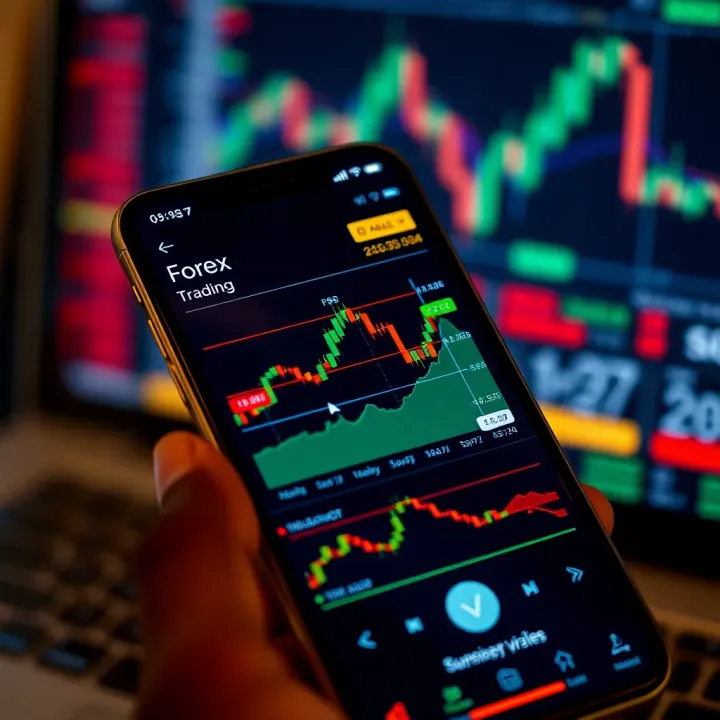
📱 Discover how to pick the best forex trading app in Nigeria with tips on features, security, user experience, and regulatory insights for safer trades.
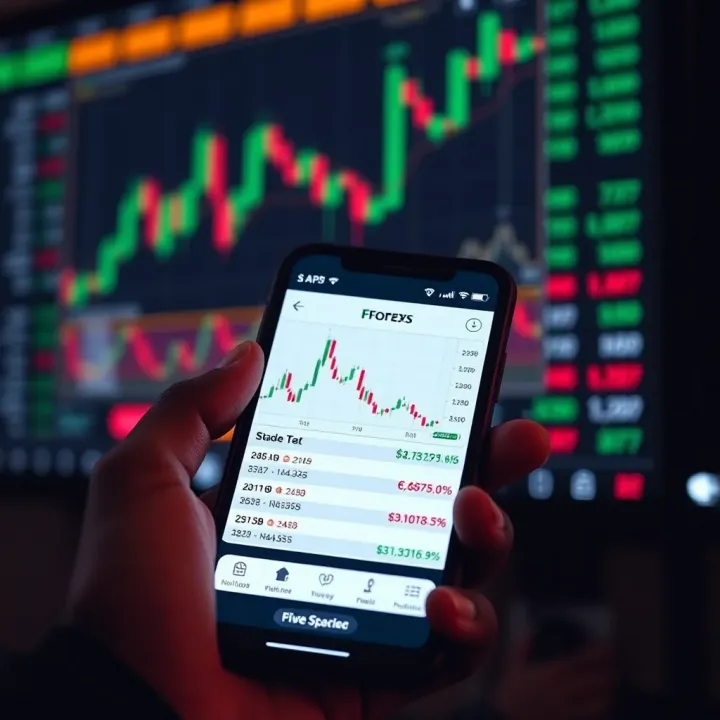
Discover the best forex trading apps for Nigerian traders 🎯. Compare security, tools, and local compatibility to pick your ideal platform 📱💹.
Based on 15 reviews