
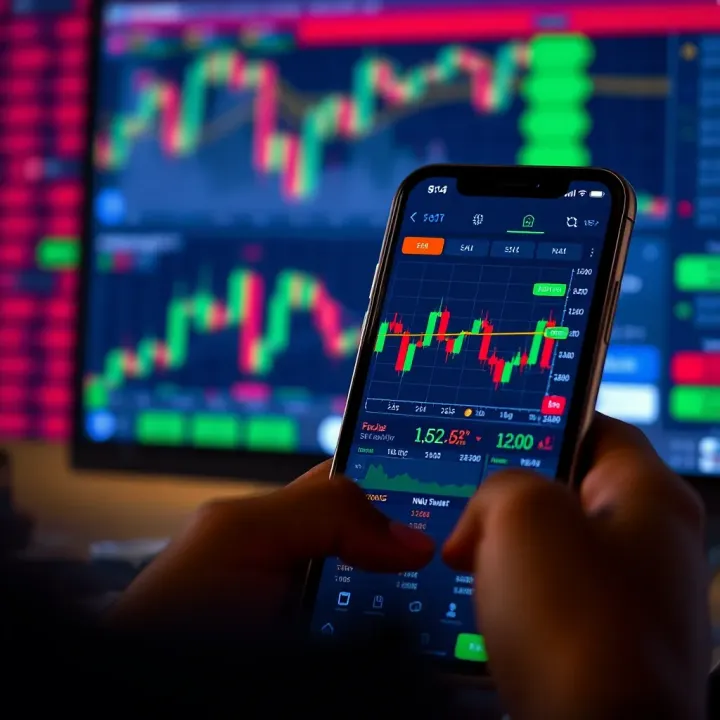
Best Forex Trading Apps in Nigeria: A Practical Guide
Explore top forex trading apps for Nigerians 📱. Learn key features, pros & cons, and tips to trade smartly while managing risks in volatile markets 💹.
Edited By
George Mitchell
Forex trading in Nigeria has gained substantial traction, with many eager to tap into the global currency markets to grow their wealth. Thanks to mobile technology and affordable internet, traders can now access the forex market directly through free trading apps. These apps have become indispensable tools, allowing users to execute trades, monitor prices, and manage accounts right from their phones.
However, not all free forex apps are created equal, especially for Nigerian users. Factors like app localisation, payment options in naira, and compatibility with local banks play a significant role in determining usability and success. Choosing a reliable app that combines user-friendliness with advanced features can drastically improve trading outcomes.
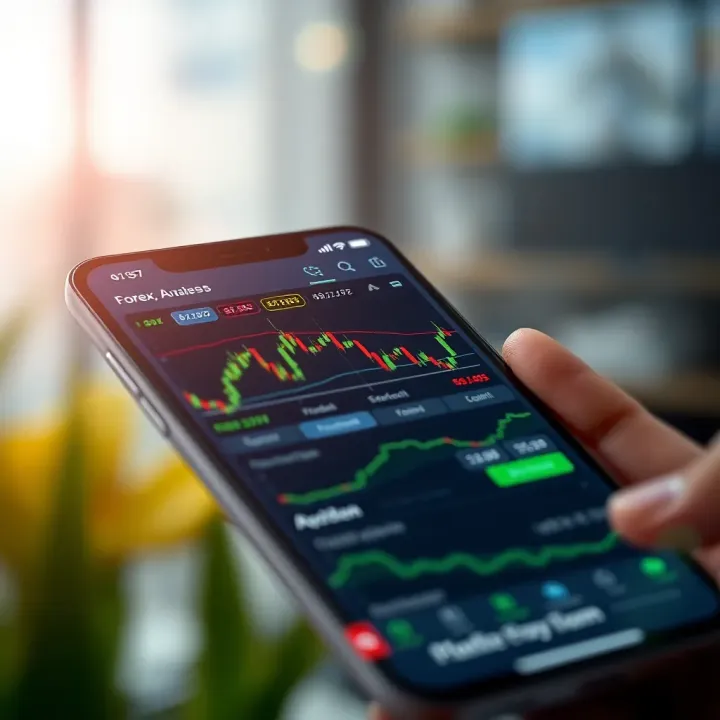
What exactly are forex trading apps? Simply put, they are mobile applications that connect traders to forex brokers’ platforms. These apps provide live price feeds, charting tools, trade execution, order management, and sometimes educational resources. For Nigerian traders, selecting an app that supports local payment gateways and permits trading in popular currency pairs like USD/USD, GBP/USD, or EUR/USD with minimal spreads is key.
Many Nigerian traders have switched to apps like MTN’s MomoTrade or Kuda Bank’s new forex platform because they integrate seamless funding options and allow withdrawal in naira, reducing the headache of currency conversion.
Besides looking out for cost-free access, traders should prioritise apps offering real-time quotes, responsive customer support, and strong security protocols. Also, consider the app’s track record and regulatory standing, since trading in unregulated environments exposes you to higher risks. Popular apps compatible with Nigerian banks and mobile money platforms generally ensure smoother fund flows.
In the sections that follow, we will examine the essential features to look out for in free forex trading apps, highlight the best options available for Nigerian traders, and share practical tips to maximise gains while minimising risk. This will help you make informed decisions in a landscape that can be tricky without the right tools and guidance.
Forex trading apps serve as digital platforms that enable individuals to buy and sell foreign currencies conveniently. These apps are designed to streamline the trading process, providing real-time market data, charting tools, and order execution capabilities at users’ fingertips. For Nigerian traders, especially those new to the forex market, these apps offer a straightforward way to participate in currency trading without needing extensive physical infrastructure.
In Nigeria, mobile technology penetration is high, making forex apps vital in expanding market access beyond traditional banking halls or broker offices. Traders can monitor currency pairs, execute trades, and manage their accounts anywhere across the country—be it from Lagos traffic jam or upcountry villages. This flexibility means more Nigerians are engaging in forex trading, tapping into global market movements directly through their smartphones.
Definition and Purpose
Forex trading apps are software applications built for smartphones and tablets that connect users to forex markets. Their primary purpose is to simplify the trading journey by providing tools such as live price quotes, technical indicators, news updates, and trade execution within a single platform. This accessibility empowers traders to respond quickly to market changes.
How They Facilitate Forex Trading in Nigeria
In Nigeria’s context, forex apps help navigate challenges like limited brick-and-mortar broker presence and currency exchange restrictions. By partnering with local brokers, some apps allow direct deposit and withdrawal in Nigerian Naira (₦), easing fund transfers. Apps also accommodate internet connectivity fluctuations typical of Nigerian cities by offering offline charts or notification alerts, ensuring traders don’t miss critical market movements.
Cost Savings for Beginners
Free forex trading apps reduce the initial barrier to entry by removing app purchase fees or subscription costs. For beginners who want to learn trading without upfront financial risk, free apps offer a chance to explore features like demo accounts and practice modes. This cushion helps new traders avoid premature losses while getting familiar with market mechanics.
Accessibility on Mobile Devices
Most Nigerians access the internet predominantly via smartphones. Free forex apps are optimised for mobile use, allowing users to trade directly from their phones without needing a laptop or desktop. This mobile-first approach means that even those commuting via okada or danfo can track their investments instantly. Additionally, with app sizes optimised to save phone storage, these tools remain practical for everyday use.
Flexibility and User-Friendliness
Many free forex apps prioritise simple, intuitive interfaces to appeal to a wide range of users, including those not tech-savvy. Features like easy navigation menus, clear charts, and straightforward order types mean traders can execute decisions rapidly. For instance, one-click trade execution or drag-and-drop chart drawing enhances user experience, reducing mistakes often caused by complicated platforms.
Selecting the right forex app means considering how well it fits your lifestyle and trading style. Free apps offer a practical entry point to test waters before committing resources.
By understanding these core aspects, Nigerian traders can make well-informed choices about which forex trading apps suit their needs best.
When choosing free forex trading apps, certain features stand out as fundamental for Nigerian traders. These features influence how effectively you can trade, manage risks, and learn within the app’s environment. Focusing on elements like user interface, currency pairs offered, security measures, and educational support helps you pick a platform that fits your needs and local market conditions.
A simple and clean design matters a lot. Nigerian traders often juggle busy schedules and unstable power supply, so an app that lets you glide through functions fast and without confusion saves precious time and avoids costly mistakes. For instance, an app with cluttered screens or hidden order buttons can frustrate beginners and lead to missed opportunities.
Intuitive layouts make a huge difference. Apps like MetaTrader 4 stand out because their menus and charts are well-organised, showing key features upfront. Essential buttons for placing trades or checking balances should be visible without extra taps. Mobile optimisation is also critical given that many Nigerian users trade on phones with limited screen size and data capacity.
Most free forex apps offer major pairs like EUR/USD, GBP/USD, and USD/JPY, which are widely traded globally. It’s important to verify if the app also supports pairs involving the Nigerian Naira (NGN), such as USD/NGN or EUR/NGN. This relevance to the local market means you can react to developments like CBN policies or naira fluctuations directly, without relying on proxy pairs.
Having access to both major and exotic pairs gives you more chances to diversify strategies. For example, a trader might pair USD/NGN with USD/ZAR (South African Rand) — the latter being a regional currency affected by similar African economic factors. The wider the range, the more options you have for profit or hedging.
Forex trading apps handle sensitive data and money, so encryption protects your personal and financial information from hackers. Look for apps that use SSL encryption and have clear privacy policies. This ensures your details like BVN and bank account numbers are not exposed.
Two-factor authentication (2FA) adds a second security layer beyond your password, typically sending a verification code via SMS or email. In Nigeria, where SIM swap frauds and cyber scams occur, 2FA helps prevent unauthorised access, giving you peace of mind.
Security isn’t just about technology; it’s a safeguard to protect your investment and personal identity from the rising tide of cyber threats affecting Nigerian fintech users.
Quality apps include training materials such as video tutorials, glossaries, and interactive lessons. This is especially valuable for new traders who want to understand how forex markets work or how to execute trades safely. For example, FXTM Trader incorporates in-app lessons on analysing charts and managing risk.
Responsive customer support rounds out the offering. Whether you encounter technical glitches or need help understanding a feature, timely and clear support can make or break your trading experience. Many Nigerian users appreciate platforms that offer live chat or WhatsApp-based help, tailored to local time zones and languages.
Familiarity with these features arms you to make smarter choices in picking the best free forex trading app for Nigeria’s unique market challenges.
Choosing the right free forex trading app is key for Nigerian traders because it directly affects trading success, ease of use, and security. These apps must suit local conditions such as stability during network fluctuations, compatibility with Nigerian brokers, and support for naira transactions. Traders will find that apps like MetaTrader, Olymp Trade, and FXTM offer distinct advantages tailored to Nigeria’s market environment.
Key features and benefits: MT4 and MT5 are highly respected platforms worldwide, favoured for their powerful charting tools, extensive range of technical indicators, and algorithmic trading capabilities via Expert Advisors (EAs). MT5 builds on MT4 by adding more timeframes, an economic calendar, and a broader variety of order types. Both apps provide traders with real-time price updates and advanced risk management features, which are critical for making informed decisions in shifting markets.
Local broker compatibility: Many Nigerian forex brokers, such as FXTM Nigeria and EasyMarkets, support MT4 and MT5 platforms, making these apps accessible and practical for local users. This compatibility ensures smooth deposit and withdrawal processes in naira, plus customer service tailored to Nigerian market conditions. It also means traders can take advantage of local bank transfers, USSD payments, or fintech wallets alongside their trading activities.
Popular with Nigerian users: Olymp Trade and Binomo have gained popularity among Nigerian traders due to their user-friendly interfaces and low minimum deposits, making them accessible especially to beginners. These platforms focus on simplified binary options and forex trading, which appeals to traders who prefer straightforward, faster trades without complex setups.
Demo accounts and accessibility: Both platforms provide free demo accounts, allowing Nigerian traders to practise with virtual funds. This helps users familiarise themselves with the app and test strategies without risking real money. Their mobile apps are lightweight and function well even on smartphones with modest specs or slower connections, which suits Nigeria’s often challenging network environment.
App highlights: FXTM Trader stands out by combining robust execution speeds, tight spreads, and an easy-to-navigate interface. It supports a broad product range including major and exotic currency pairs, commodities, and indices. Traders valuing versatility and responsive customer support find FXTM particularly suitable.
Support for NGN deposits and withdrawals: FXTM and similar platforms often allow deposit and withdrawal in Nigerian naira, eliminating extra conversion fees and delays seen with other forex apps. Payment options include bank transfers, payment gateways like Flutterwave, and fintech wallets such as OPay and PalmPay. This smooth funding process helps traders avoid unnecessary costs and time wasted on complex currency conversions.
For Nigerian forex traders, selecting an app that blends global features with local support is essential. The right platform will combine reliability, affordability, and tailored services to fuel smarter trading.
By opting for these apps, traders can maximise their chances of making profitable decisions, reduce operational hiccups, and better manage funds in naira. Always test with demo accounts first to get comfortable and avoid rushing into live trades.
Getting started with a free forex trading app in Nigeria requires careful preparation, especially when it comes to registration, payment options, and basic trading knowledge. These are practical steps that ensure you trade securely and confidently within Nigeria's specific financial environment.
To open an account on most forex trading platforms, Nigerian traders must provide valid identification such as their National Identification Number (NIN) or Bank Verification Number (BVN). This requirement isn’t just a formality—it helps meet local regulations against fraud and money laundering. For instance, providing your NIN ensures your identity is linked to your forex activities, which boosts security and allows smoother withdrawals or deposits.
After submitting your identification documents, you usually need to verify your account before you can start trading. Verification often involves uploading scans of your IDs and sometimes a proof of address. Some apps require a selfie or video verification to confirm identity further. Completing these steps is vital because unverified accounts might face withdrawal restrictions or lower trading limits.
Most Nigerian forex traders prefer linking local payment channels to their trading apps. Bank transfers and USSD codes from major banks like GTBank or Zenith allow straightforward funding and withdrawals, while fintech wallets such as OPay or PalmPay add convenience. These methods save you from unpredictable delays in accessing your funds and fit well with how many Nigerians handle transactions daily.
When you deposit or withdraw funds, your naira might convert to dollars or other currencies. Rates and fees vary widely between platforms and banks, often affecting your effective trading capital. Watching out for hidden charges helps you avoid unnecessary losses. For example, a ₦10,000 deposit could be quickly reduced to ₦9,500 or less through fees and conversion costs, something that can pile up over several trades.
Entering forex with solid risk control is key. Begin with small stakes and avoid risking more than two to three per cent of your capital on any single trade. Setting stop-loss orders within your app helps automatically limit losses, which is crucial in volatile markets. The idea is to protect your funds while gaining experience rather than chasing big, risky wins.
Many apps offer demo accounts where you trade with virtual money. Nigerian beginners should start here, using this risk-free tool to test strategies and understand market movements. Demo trading sharpens your decision-making without the worry of losing real money—think of it as your training ground before going live.
Starting right means ensuring your account is properly registered, funding methods are secure and affordable, and your first trades are guided by careful risk management and practice.
These steps form a strong foundation for any Nigerian trader ready to tap into the forex market with confidence and practical know-how.
Free forex trading apps offer Nigerian traders access to currency markets without hefty upfront costs. Still, they come with challenges that can affect your trading experience and financial safety. Understanding these issues and knowing how to tackle them helps you trade smarter and avoid costly mistakes.
Frequent power outages remain a major headache for traders in Nigeria, especially in Lagos and other urban centres with unstable electricity. Losing power mid-trade can lead to missed opportunities or unwanted losses. To cope, consider using a reliable power backup like an inverter or generator with a good fuel supply, particularly during the ember months when outages peak. Also, plan your trading sessions during times when power supply is more stable if possible.
Internet connectivity is another hurdle. Many Nigerian traders operate in areas with fluctuating network quality. Slower or dropped connections disrupt trade executions and app data updates. Using a mobile network with wider coverage like MTN or Airtel, combined with a data plan that supports consistent speed, can help. If your internet gives you wahala often, switch to apps designed to run smoothly on low bandwidth or enable data-saving modes offered by some trading apps.
Optimising app performance on limited connections involves:
Closing unnecessary background apps to free up device resources
Clearing cache regularly
Keeping the app updated for performance improvements
Using features like offline mode or reduced graphics where available
These simple steps ensure your trades load faster and the app responds without delay, even on weak signals.
The rapid rise of free forex apps makes Nigerian traders vulnerable to scams. Fake apps promise fast profit but end up stealing data or locking users out of accounts. Always check for official versions from reputable providers like MetaQuotes for MT4/MT5 or well-known brokers licensed in Nigeria.
Key ways to identify legitimate platforms include:
Verifying developer information on app stores
Reading genuine user reviews
Cross-checking app URLs with broker websites
Avoiding apps that ask for unusual permissions or upfront fees
Regulatory compliance plays a bligant role. SEC Nigeria has guidelines that brokers and their trading platforms must follow to protect investors. Before using any forex app, confirm the broker is listed with the SEC and complies with Nigerian laws. This reduces risk of losing funds to fraudulent operations.
Nigerian traders should treat forex apps like handling cash: verify, be cautious, and trust only known, registered firms. This protects your money and gives peace of mind.
Recognising and addressing these common issues ensures you get the most out of free forex apps while safeguarding your capital and efforts in the currency markets.
To get the most out of free forex trading apps, Nigerian traders need more than just good software; they require a smart approach that combines market awareness and continuous learning. This section highlights practical ways to sharpen your trading edge and improve decision-making, helping you navigate Nigeria's unique trading environment, marked by currency volatility and intermittent power supply.
Following credible and timely sources is key to staying ahead in forex trading. Apps like Bloomberg, Reuters, and Nigerian-focused financial platforms such as Nairametrics offer regular updates on global and local economic developments. For instance, news about the Central Bank of Nigeria (CBN) introducing new policies often prompts naira fluctuations; knowing this early can guide your trades. Social media channels of respected economists and financial analysts also provide real-time insights but verify their credibility to avoid misinformation.
Currency pairs respond sharply to news events—changes in interest rates, inflation reports, or geopolitical events can create sudden price shifts. For Nigerian traders, announcements about fuel subsidy removal or import regulation adjustments often influence the naira-dollar pair. Understanding these connections means you can anticipate market reactions, avoid impulsive trades, or seize opportunities when currency values move. Remember, not all news moves the market equally; focus on economic indicators and policy changes with proven impact.
Most free forex trading apps provide built-in tutorials and regular webinars designed to boost users’ skills. Engaging consistently with these resources helps you grasp different trading strategies and platform functions. For example, MT4 and FXTM often offer webinars that explain technical analysis or risk management—topics vital for trading success. Staying updated through these sessions sharpens your ability to read charts and manage trades effectively, reducing costly mistakes.
Participating in online communities, such as WhatsApp groups or dedicated forums like ForexFactory, allows Nigerian traders to share experiences, tips, and alerts. These platforms create a space for asking questions or discussing market trends in real-time. For instance, if the naira suddenly drops due to political tension, fellow traders' insights might help you adjust your strategy quickly. Beyond advice, these communities provide networking, which can open doors to mentorship and partnerships, enriching your forex journey.
Staying informed and continually learning are your best tools to thrive in forex trading. Combining news awareness with active engagement in app resources and communities strengthens your trading game amid Nigeria's dynamic market conditions.
Explore top forex trading apps for Nigerians 📱. Learn key features, pros & cons, and tips to trade smartly while managing risks in volatile markets 💹.

Discover the best forex trading apps for beginners in Nigeria 🇳🇬. Learn about app features, ease of use, security & trading tips for smart investing 📱💰.
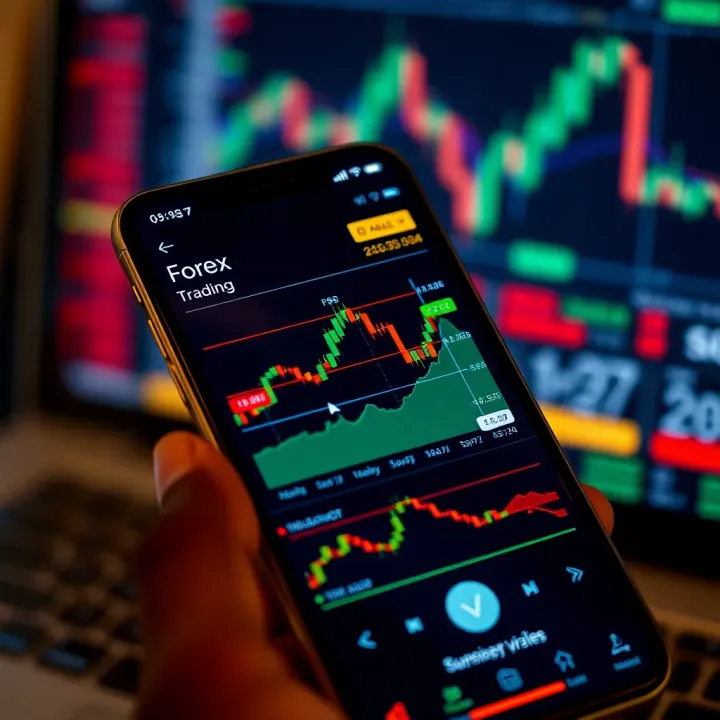
📱 Discover how to pick the best forex trading app in Nigeria with tips on features, security, user experience, and regulatory insights for safer trades.
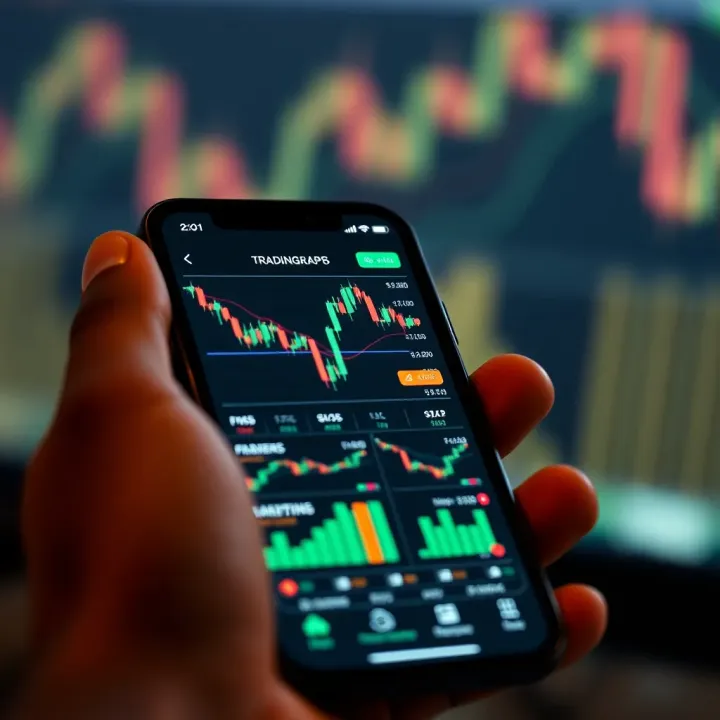
Explore essential tips for choosing the best trading app in Nigeria 🇳🇬. Learn about security, fees, features, and top platforms for every trader 📈📱.
Based on 6 reviews