

Effective Binary Options Trading Strategies for Nigerian Traders
Learn practical and clear strategies for trading binary options in Nigeria 🇳🇬. Discover risk management, key concepts, and tips to boost your trading success 📈.
Edited By
Liam Parker
Binary options trading has grown in popularity among Nigerian traders looking for quick returns from the financial markets. However, success here hinges on having the right strategies and understanding the risks involved. Without practical knowledge, many traders find themselves losing their hard-earned naira instead of growing their investments.
Binary options are financial instruments where you predict whether the price of an asset will rise or fall within a fixed time frame. Your return depends on the accuracy of your prediction, making it a high-risk, high-reward game. For instance, you might wager ₦10,000 that the price of Brent crude oil will be above $70 in the next 30 minutes.
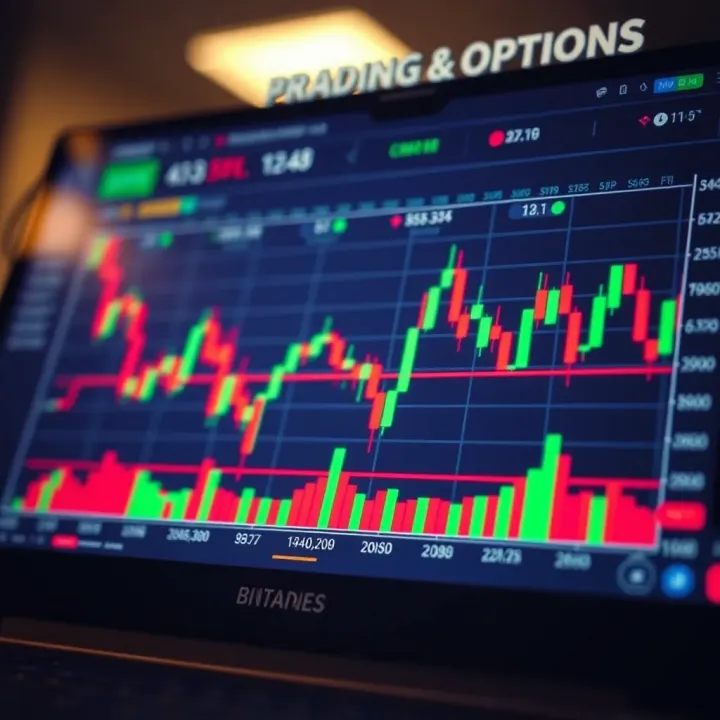
This article focuses on effective strategies that Nigerian traders can implement to navigate this market confidently. From spotting market trends to managing your risk properly, the goal is to equip you with clear, actionable guidance. We will also highlight useful tools and common pitfalls specific to our market environment.
Successful binary options trading is not about luck but discipline, informed decision-making, and controlling risks.
You’ll learn how to:
Understand the core concepts that underpin binary options
Use technical analysis and market signals to make smarter trades
Manage your bankroll sensibly to avoid devastating losses
Recognise scams and unreliable brokers common in Nigeria
Develop a trading plan that suits your financial goals
Whether you are a novice or have some experience, this guide offers a straightforward path to refining your approach. The Nigerian market comes with unique challenges like irregular naira exchange rates, access to reliable platforms, and local regulations. Navigating these effectively will help you protect your capital and increase your chances of profit.
Next, we’ll break down the basics every trader needs before placing their first binary options trade.
Knowing how binary options trading works is fundamental for anyone aiming to trade efficiently and profitably. It helps you grasp what exactly you’re risking and the potential rewards involved. For example, without understanding key elements like contract types or market behaviours, you might pick trades blindly and lose money rapidly.
Binary options are financial contracts where the payout is fixed: you either gain a set amount or lose your stake based on whether a certain condition is met when the contract expires. For instance, you might bet that the price of oil will be above $70 at 2 pm tomorrow. If it is, you receive a fixed return; if not, you lose your initial investment. This clear risk and reward make it easier for traders to plan their moves.
There are several common types: "cash-or-nothing" options pay a fixed sum when the condition is true, while "asset-or-nothing" options pay the asset’s value instead. You also encounter options like One-Touch, where the asset must reach a certain price once within the contract duration, and Range options, which win if prices stay within a set band. Each suits different market views and strategies.
Understanding terms like "strike price" (the target price), "expiry time" (when the contract ends), "in the money" (winning trade), and "out of the money" (losing trade) is critical. Knowing these helps you interpret a contract correctly and avoid confusion during fast moves.
Traders can choose from a wide range of assets, including forex pairs like USD/NGN, commodities like crude oil or gold, popular stocks such as Dangote Cement or MTN Nigeria, and major indices like the NSE All-Share Index. Having diverse assets allows you to pick markets you understand well or that align with current economic trends.
In Nigeria, platforms like IQ Option, Pocket Option, and Binomo are popular for binary options. These platforms offer friendly interfaces, mobile apps, and features like live charts and demo accounts. Choosing the right platform is essential; a reliable one ensures secure transactions, timely execution, and sound customer support.
Binary options contracts vary from as short as 30 seconds to several hours or days. Short-term contracts suit traders who want quick outcomes, often using technical indicators to predict price changes within minutes. Longer durations allow consideration of fundamental events, like economic reports or company earnings. Picking the right expiry can improve your chances of a successful trade.
Successful binary options trading starts with a solid understanding of these basics. They shape your strategy and risk approach, so take time to learn and apply them steadily.
Success in binary options trading depends heavily on understanding and applying a few critical strategies. These strategies help traders make informed decisions, limit losses, and identify profitable opportunities in a market often marked by volatility. By focusing on both technical and fundamental analysis, Nigerian traders can get a clearer picture of market movements and avoid common pitfalls.
Technical analysis involves using various tools and indicators to predict future price movements based on past data. Tools like moving averages, Relative Strength Index (RSI), and Bollinger Bands help traders spot trends and reversals. For example, if the RSI of a stock rises above 70, it might indicate it’s overbought and due for a correction — a valuable cue for binary options trades.

In Nigeria, traders often rely on these tools in platforms like MT4 or IQ Option. Using them effectively means not just setting the indicators and watching blindly but understanding the signals within the context of the asset.
Charts provide the visual story behind price movements. Candlestick charts are popular because they show open, close, high, and low prices within a timeframe, offering clues on market sentiment. Traders should learn to recognise patterns like 'head and shoulders' or 'double tops' that often predict price reversals.
Indicators complement charts by quantifying aspects of price action. For example, the MACD indicator helps spot changes in momentum. Combining chart patterns with indicators can improve accuracy. If a candlestick pattern signals a reversal and the RSI confirms an overbought condition, it’s a stronger signal than either alone.
Price movements reflect the balance of supply and demand influenced by traders’ psychology and market events. Recognising whether a price shift is part of a trend or just random noise is key. In volatile markets like currency pairs involving NGN or oil prices impacting Nigeria, price can move sharply. Observing how prices behave near support and resistance levels helps traders decide when to enter or exit trades.
Economic releases, such as Nigeria’s inflation rate or GDP growth figures, often cause sudden price swings. A better-than-expected inflation report might push the Naira up in forex markets, affecting related binary options. Traders should keep an eye on scheduled economic calendars and understand how these figures influence market sentiment.
For instance, if CBN announces a change in interest rates, the ripple effects on equities and forex create trading opportunities. Being aware of these can prevent surprises that wipe out gains.
Political developments in Nigeria and beyond can shift market confidence. Elections, policy changes, or geopolitical tensions affect investor sentiment sharply. A sudden government policy favouring local industries may boost stock prices, presenting a window for binary trades predicting upward moves.
Conversely, unrest or uncertainty might lead to price dips. Seasoned traders watch political news to anticipate these shifts rather than react late.
Binary options tied to currencies are especially sensitive to global economic conditions. For Nigeria, fluctuations in the Naira’s exchange rate against the dollar or euro influence assets like stocks and commodities. For example, oil price changes on the global market directly impact the Nigerian economy and related indices.
Understanding how interconnected global markets move is a distinct advantage. Nigerian traders should watch how events in the US, China, or OPEC decisions impact their assets, and incorporate this knowledge into their trading decisions.
Mastering both market trend analysis and fundamental factors helps build a holistic view, improving the chances of consistent winning trades.
Success in binary options trading goes beyond just picking winning trades; managing risk and maintaining discipline is what separates lasting traders from those who burn out fast. Effective risk management helps protect your capital against unpredictable market swings, while discipline ensures you stick to your plan even when emotions run high.
Determining trade size is a key step in controlling risk. You don’t want to commit too much of your trading capital on a single contract, no matter how sure the trade looks. A good rule of thumb is risking only 1–2% of your total capital per trade. For instance, if you have ₦100,000 set aside for trading, placing a trade worth ₦1,000 or ₦2,000 limits your losses if things don’t go your way. Keeping trades small preserves your account so you can stay in the game longer.
Establishing stop-loss plans involves setting clear exit points to cut losses before they balloon out of control. While binary options differ from traditional trading by having fixed returns, you can still plan how many consecutive trades you're willing to accept before pausing or reassessing. For example, deciding to stop after losing three trades in a row prevents chasing losses recklessly and burning through your capital.
Balancing risk and reward means aiming for trades where potential returns justify the risk taken. Don’t just chase high payouts blindly. A trade offering 80% return for a 50% chance isn’t wise; it’s better to look for opportunities with favourable odds and manageable payouts. Maintaining a positive risk-to-reward ratio over time improves your chances of steady profits.
Recognising trading biases helps you avoid decisions driven by wishful thinking or past wins. Overconfidence after a streak of successes can make traders increase trade sizes drastically, exposing them to bigger losses. Similarly, fear can stop you from taking valid trades. Awareness of these tendencies allows you to pause, review your strategy, and avoid emotional pitfalls.
Dealing with losses is tough but necessary. Losses happen to every trader, and accepting this helps prevent frustration. Instead of blaming the market or trying to recover losses quickly by doubling stakes, treat each loss as a learning point. For instance, if a trade went wrong due to unexpected political news affecting currency pairs, note it down to factor such risks into future decisions.
Sticking to your strategy is critical when the market gets choppy. Temptations to abandon tested plans during losing streaks are strong but dangerous. Following a disciplined approach, such as adhering to chosen technical indicators or fundamental checks before entry, keeps you grounded. As you gain experience, consistently using your strategy builds your confidence and improves results over time.
Without solid risk management and strong discipline, even the best binary options strategies will fail. Protect your funds, control emotions, and commit to your plan to trade like a pro in Nigeria’s dynamic market.
Successful binary options trading in Nigeria depends heavily on the right tools and resources. These include trading platforms tailored to local needs and educational materials that sharpen your skills. Accessing these resources helps traders stay competitive and make better-informed decisions.
Popular platforms among Nigerian traders often provide support for local payment methods and comply with regional regulations. Examples like IQ Option and Pocket Option have gained popularity because they offer a simple user interface and accept Naira deposits through banks or mobile wallets. Nigerian traders benefit especially from platforms that understand local banking challenges, such as limited access to international cards and frequent withdrawal delays.
Features that aid success include real-time charts, multiple asset options, and clear risk disclosures. Nigerian traders should look for platforms offering instant trade execution and detailed market analysis tools. For instance, having access to candlestick charts and technical indicators helps you spot price patterns, which increases the chance of winning trades.
Mobile trading options are equally important, given Nigeria’s high smartphone penetration and spotty power supply. Platforms with reliable mobile apps empower traders to monitor the market and execute trades anytime, anywhere—even during power outages when desktop use is not possible. A mobile app with offline capability or low data use makes a big difference for traders outside major cities.
Reliable PDFs and guides are widely available from established financial education sites and brokerages. Trusted sources cater to Nigerian traders by explaining local trading conditions, payment options, and legal considerations. Avoid random PDFs from unknown sites; instead, opt for materials issued by industry experts or organisations recognised in Nigeria’s financial ecosystem.
Key topics in these materials often include binary options basics, technical analysis, risk management, and psychological discipline. They may also cover Nigerian-specific issues like currency volatility and how the naira affects international asset prices. Learning materials help you grasp essential concepts and apply strategies tailored to local market realities.
You can best use PDFs to improve skills by setting aside regular study time and practising alongside. Many guides include exercises or sample trades to work through. This hands-on approach strengthens understanding and builds confidence before investing real money. Repeatedly revisiting these guides ensures critical concepts stay fresh in your mind during live trading.
Using the right tools and solid educational resources is not just a nice-to-have but a must for Nigerian traders serious about succeeding in binary options. These foundations reduce guesswork and keep you grounded during volatile market swings.
Trading binary options can be profitable, but falling into common pitfalls often costs traders dearly. Knowing which mistakes to avoid helps preserve your capital, sharpen your approach, and increase your chances of success. This section highlights two frequent errors: overtrading with chasing losses and ignoring market analysis. Both can rapidly drain your account if left unchecked.
Risks of excessive trading: Overtrading occurs when you execute more trades than your strategy or capital allows, often driven by eagerness to recover losses or impatience. This behaviour is risky because it increases exposure without adequate research, amplifying potential losses. For example, a trader who suffers a few losses during the ember months may impulsively open multiple positions daily, hoping to make back the money quickly. Instead, this often leads to even bigger losses due to insufficient attention and poor decision-making.
Overtrading also leads to higher transaction costs on many platforms, which can cut into profits or deepen losses. With binary options trading already carrying inherent risks, trading excessively only makes it harder to manage your capital effectively.
How to stop impulsive decisions: Controlling impulsive trading requires discipline and a clear plan. Start by setting daily or weekly trading limits around the number or total capital you are willing to risk. For instance, decide to open no more than three trades per day or risk only 5% of your portfolio on any given day.
Keeping a trading journal helps track your decisions and emotions, making you more aware of when you are tempted to chase losses. Always stick to your strategy, and if you feel emotional pressure to trade, pause and reassess. Many Nigerian traders find it useful to set alarms or reminders to take breaks during trading sessions to avoid rash moves.
Consequences of trading without research: Jumping into trades without studying market trends or relevant data often turns speculative bets into losses. For example, betting on currency pairs during a volatile political event without understanding its impact on the market exposes you to unnecessary risk. Nigerian traders who ignore key economic indicators or fail to follow updates on the Central Bank of Nigeria (CBN) policies risk making poor predictions.
Trading without analysis also blinds you to shifts in asset behaviour, reducing your ability to respond effectively. Such neglect can turn short-term gains into losses quickly.
Incorporating data-driven decisions: Successful traders use both technical and fundamental analysis to inform their moves. This means reviewing price charts, indicators, and economic calendars before placing trades. For example, knowing when the CBN releases inflation or monetary policy updates can guide decisions in forex or commodity-based binary options.
Simple steps like subscribing to trustworthy financial news, following market influencers, and using trading platforms that provide analytical tools can greatly improve your choices. Data-driven trading reduces guesswork and puts you in a better position to predict price movements more reliably.
Avoiding these common errors—overtrading and ignoring market research—is vital for any Nigerian aiming to succeed in binary options trading. Staying disciplined and well-informed helps protect your capital and sharpen your winning edge.
Entering the world of binary options trading in Nigeria demands careful preparation and understanding of important steps. This section covers practical actions to help you start trading efficiently and safely. From opening an account to practising with demo trading, these steps ensure you lay a solid foundation before risking your capital.
Choosing a regulated broker is essential to safeguard your funds and trading experience. A regulated broker operates under oversight from financial authorities, ensuring transparency and fair practices. For Nigerian traders, using brokers regulated by known bodies like the Securities and Exchange Commission (SEC) Nigeria or internationally recognized authorities adds an extra layer of security. Avoid brokers without proper licences, as they often lack accountability and may refuse withdrawals or engage in unfair practices.
Methods to deposit and withdraw funds in ₦ should be convenient and safe to support your trading activities. Many brokers now accommodate local payment methods such as bank transfers through Nigerian banks, USSD payments, and e-wallet services like OPay or PalmPay. Having access to these options means you can fund your account quickly and withdraw profits without unnecessary delays or excessive charges. For example, a trader using GTBank or Zenith Bank can expect smooth fund transfers when linked with brokers that support local currencies.
Using Bank Verification Number (BVN) for verification is becoming a common requirement among brokers to comply with Nigerian regulations and prevent fraud. The BVN links your identity across banks, helping ensure that withdrawals and deposits are secure and properly authenticated. Using your BVN during registration verifies your profile and protects you from identity theft or unauthorised transactions. This approach reassures both the broker and the trader that funds are handled responsibly.
Benefits of demo trading include gaining hands-on experience without risking real money. Demo accounts simulate live market conditions and allow beginners to try out strategies, understand platform features, and build confidence. Nigerian traders can practise timing their trades, testing technical indicators, and getting familiar with contract durations. This is especially helpful during ember months when market volatility spikes; you can use demo accounts to prepare for real trading challenges.
Transitioning from demo to live accounts involves more than just switching the interface; it requires mental adjustment to handle real stakes and emotions. Start small when moving to a live account by investing manageable sums, and apply the strategies proven during demo trading. Maintaining discipline and gradually scaling your trades can prevent rash decisions. Remember, the thrill of real money can skew judgement, so patience and adherence to your trading plan are crucial.
Starting binary options trading in Nigeria requires a balance of practical setup and disciplined practice. Choosing trustworthy brokers, using local funding options, verifying your identity via BVN, and honing your skills through demos can set you apart from many novices who jump into live trades unprepared.
Learn practical and clear strategies for trading binary options in Nigeria 🇳🇬. Discover risk management, key concepts, and tips to boost your trading success 📈.
🚀 Discover how binary options trading works in Nigeria 🇳🇬, learn key risks, payment methods, and how to dodge common scams for safer ₦ trading profits.
📊 Learn how binary options indicators claim 95% accuracy in Nigeria's market, their reliability, risks, and tips for effective trading strategies. 💡
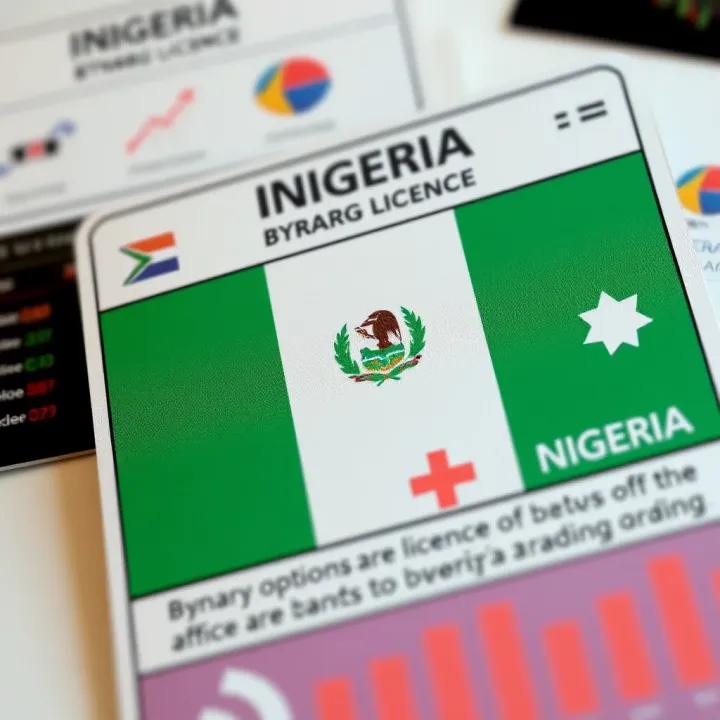
Learn all about the binary options trading licence and why it's key for Nigerian traders 🇳🇬. Discover regulatory steps, risks of unlicensed trading, and how to stay compliant.
Based on 14 reviews