

Binary Investment Guide for Nigerian Investors
📊 Discover how binary investment works in Nigeria 🇳🇬, explore key types, risks, and top tips to trade smart and protect your finances in today’s market.
Edited By
Henry Collins
Binary trade, sometimes called digital options trading, is growing in popularity among Nigerian investors looking for quicker returns outside traditional stocks or real estate. Unlike conventional investing, binary trading boils down to a simple yes-or-no bet on whether an asset’s price will rise or fall within a set timeframe. This straightforward approach makes it attractive, especially to new entrants navigating Nigeria's often volatile financial markets.
In essence, binary trade offers fixed risks and fixed rewards. You decide the direction of an asset like foreign currencies, commodities like oil or gold, or even Nigerian equities. If your prediction is right by the expiry time — say 15 minutes, an hour, or a day — you receive a predetermined payout, often between 60% to 90% of your investment. If wrong, you lose the amount staked. This limited loss potential appeals to investors wary of risking large sums, especially amid naira fluctuations and economic uncertainty.

Key assets in binary trade commonly include:
Forex pairs: USD/NGN, EUR/USD
Commodities: crude oil, gold
Stocks: companies listed on the Nigerian Stock Exchange (NGX)
Indices: NGX All-Share Index, S&P 500
Successful binary trading depends on disciplined strategy, understanding market trends, and managing risks effectively.
For Nigerian investors, binary trading platforms often provide low entry points — sometimes from ₦500 — making it accessible even outside major cities. Plus, many brokers support local payment methods like bank transfers, USSD codes, and mobile money.
However, the fast-paced nature means risks are real. Without thorough market knowledge, it’s easy to lose money quickly. Regulatory oversight in Nigeria remains limited for some binary trade platforms, so caution is vital. Stick to brokers registered with the Securities and Exchange Commission (SEC Nigeria) or those with solid reputations.
In this guide, you will learn how binary trade works practically, explore proven strategies tailored to the Nigerian market, understand key risks, and get tips to start trading safely to grow your ₦ intelligently.
Understanding how binary trade operates is key for Nigerian investors interested in diversifying their portfolios. Binary trading offers a straightforward way to speculate on asset price movements within a fixed timeframe, allowing investors to gain exposure to various markets without owning the underlying asset. This simplicity draws many newcomers, but knowing the mechanics helps navigate potential risks.
Binary options work on a simple yes-or-no proposition: will the price of an asset be above or below a certain level at the expiry time? Unlike traditional trading, where profits depend on how much the price moves, binary options fix the payout beforehand. For example, if you bet ₦10,000 that the price of Brent crude oil will rise above $70 per barrel by 2:00 pm, you either win a fixed return (say ₦18,000) or lose the original ₦10,000. This all-or-nothing nature provides clarity but requires precise timing and understanding.
The trading process begins with choosing an asset—commonly currency pairs like USD/Naira, commodities like gold, or indices. Next, you select the amount to invest and the direction you predict (up or down) within a set expiry period, which can range from minutes to hours. After confirming the trade, you wait for the set time to elapse. The platform then settles your position by comparing the asset's price against your prediction. Importantly, traders need to monitor market events that may affect price swings, such as CBN policy announcements or global oil price shifts, to time trades better.
Nigerian investors encounter several binary trade types, mainly:
High/Low (Call/Put): Betting if the asset price will be higher or lower than the current level at expiry. It's the most popular and simplest form.
One Touch/No Touch: Predicting whether the price will touch or avoid a certain level before expiry. This type offers higher payouts but carries more risk.
Range Trades: Wagering if the price will stay within or break out of a specific range. This suits investors watching stable markets but expecting minor volatility.
Binary trading demands careful market observation and risk awareness but can fit well with Nigerian investors looking for quick, fixed-return opportunities amid the country's sometimes volatile economic conditions.
By mastering these basics, traders in Nigeria can better evaluate whether binary options align with their investment goals and risk tolerance. Starting with small amounts and practising on demo accounts can also help build practical experience.
The choice of assets in binary trading determines what you can speculate on, impacting both your strategy and potential returns. Nigerian investors should understand the key asset types available because each offers unique market behaviours and risk profiles. Knowing which assets align with your knowledge, risk appetite, and market timing is crucial for effective binary trading.
Currency binaries remain a favourite among Nigerian traders mainly because of their high liquidity and the huge volume of trades. The Nigerian Naira (₦, NGN) often features in these pairs, especially against the US Dollar (USD), British Pound (GBP), and Euro (EUR). For instance, the USD/NGN pair attracts attention due to frequent naira fluctuations in the forex market. Traders may bet on whether the naira strengthens or weakens against the dollar during official market hours or on the Parallel Market. Other popular pairs include USD/EUR and GBP/USD, which are active globally, providing plenty of opportunities regardless of Nigerian market hours.
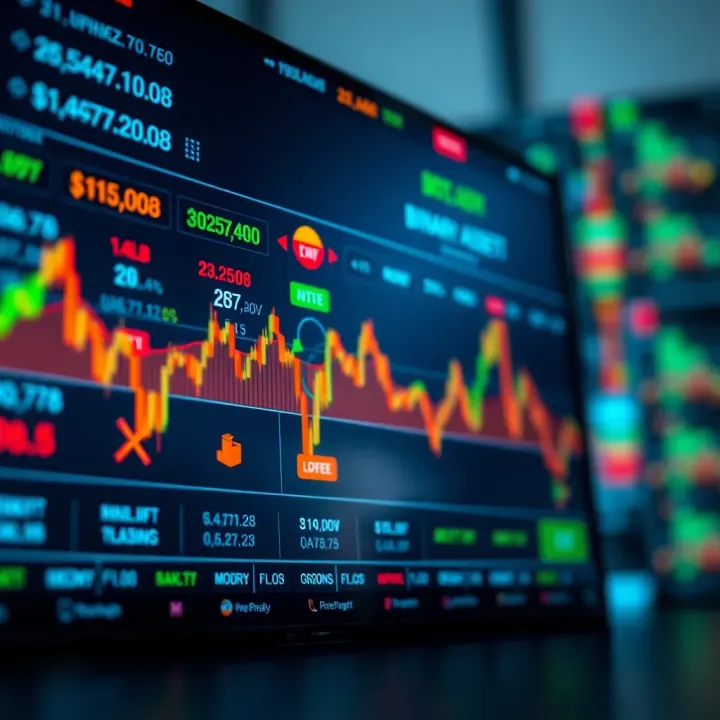
Commodities such as crude oil, gold, and silver are commonly traded in binary options due to their direct link to global events and supply-demand shifts. Crude oil is especially relevant to Nigerian investors given the country’s economy heavily depends on oil revenue. Price swings from OPEC decisions or geopolitical tensions can create profitable binary trade opportunities.
On the other hand, indices like the S&P 500, FTSE 100, or the Nigerian Stock Exchange (now NGX) All-Share Index provide a broader market perspective. Trading indices allows you to bet on the overall market or sector trends without buying individual stocks. For example, if you expect the NGX All-Share Index to rise on strong corporate earnings or government policies, a binary ‘call’ option on the index could yield a fixed payout.
Many binary traders focus on prominent shares due to their well-known price patterns. Nigerian investors may choose shares listed on the NGX such as Dangote Cement, MTN Nigeria, or Zenith Bank. These companies often have high daily volumes and price movements driven by earnings reports, macroeconomic news, or regulatory changes.
International stocks like Apple, Google, and Tesla are also available on global binary trade platforms. Even though these stocks trade in dollars, they offer diversification and access to global trends not always visible in the Nigerian market. Selecting shares requires keeping an eye on company fundamentals plus broader economic signals to make informed binary predictions.
Remember: Each asset class carries different volatility and correlates with distinct economic factors. Making smart asset choices can help you manage risk and increase the odds of consistent binary trading gains.
By understanding which assets to pick and how they behave, Nigerian investors can tailor their binary trading approach to the local market realities and global influences simultaneously.
Understanding the balance between risks and rewards is vital for anyone diving into binary trade. This market promises clear potential returns, but it also carries pitfalls many Nigerian investors should carefully weigh — especially given the volatility of local economic conditions.
Binary trade typically offers fixed returns, making it easier to calculate potential profits upfront. For example, if you invest ₦10,000 in a binary option predicting the price of the NGN/USD pair will rise within an hour, and the broker offers a payout of 80%, you stand to earn ₦18,000 (your ₦10,000 stake plus ₦8,000 profit) if your prediction is correct. This clear payout structure helps investors plan their possible outcomes without guesswork.
However, payout percentages vary by asset and broker, ranging often between 60% and 90%. Some platforms may provide higher returns on short-term trades but with increased risks. Knowing these details beforehand is essential, as a trade lost means you lose your initial stake entirely.
Binary trading’s all-or-nothing nature is its biggest risk. When a trade expires out of the money, the whole investment can vanish. This differs from traditional trading where partial losses or gains can happen. For example, if you bet ₦20,000 on a commodity like crude oil prices moving up and the market moves just slightly downward, you lose the full ₦20,000, even with a minor change.
Furthermore, price fluctuations in markets such as forex can be abrupt and influenced by unpredictable factors—Nigeria’s political news, CBN policies, or fuel subsidy adjustments can cause sudden currency swings. Such volatility may increase the chance of investment loss.
Manipulation risks exist too. Since binary options are often traded on proprietary platforms rather than regulated exchanges, some brokers may delay price updates or limit withdrawal options. This calls for vigilance to avoid unreliable platforms.
Nigeria’s financial market landscape does not formally regulate binary options trading, and the Securities and Exchange Commission (SEC) Nigeria currently warns investors to exercise caution. There is no official licence or protection for binary traders under Nigerian law as of now.
Investors should therefore prioritise platforms known for transparency and credibility. Using brokers registered in reputable jurisdictions or those with positive user reviews reduces exposure to fraud.
In summary, while binary trade offers straightforward profit potential, the risks are just as immediate and total. Nigerian investors must evaluate payout structures carefully, understand the markets’ volatile nature, and prioritise choosing dependable trading platforms within a largely unregulated space. Prudent risk management and clear knowledge of regulatory gaps are key to navigating binary trading safely.
Success in binary trading depends heavily on using clear strategies tailored to the market and one’s risk tolerance. Without a plan, many investors quickly lose money, especially in volatile environments like Nigeria’s FX and commodities markets. This section outlines practical tactics including technical analysis, risk control, and platform selection that can boost your chances.
Technical analysis involves using charts and data to predict price movements. It’s a staple for many Nigerian traders because it offers a systematic way to study market patterns. Common tools include:
Moving Averages: These smooth out price data to highlight trends. For instance, a trader might look at the 50-day moving average to judge if a currency pair like USD/NGN is trending up or down.
Relative Strength Index (RSI): This oscillator indicates if an asset is overbought or oversold. If Nigerian Stock Exchange (NGX) indices show high RSI values, it may signal a potential reversal.
Candlestick Patterns: These visual cues on charts reflect market sentiment and reversals, useful for timing trades.
Using these tools helps you enter and exit trades with greater precision rather than relying on guesswork.
Controlling risk is as important as making profits. Nigerian investors should limit how much they stake per trade, typically no more than 2-5% of their capital. This protects against heavy losses, especially with binary options where you can lose the entire stake.
Some practical approaches include:
Setting Stop-Loss Limits: Even if binary options often have a fixed risk, you can decide beforehand how many trades you’ll lose before taking a break.
Diversification: Don’t put all ₦100,000 into one asset like oil prices. Spread stakes across forex pairs, commodities, and indices.
Keep Emotions in Check: Greed and fear can spur reckless decisions. Have a clear plan and stick to it.
Not all platforms serving Nigerian investors are trustworthy. Selecting a reliable broker can save you from scams and technical problems. Key points to consider:
Regulation: Go for platforms regulated by internationally respected bodies or Nigerian authorities like SEC Nigeria.
Payment Options: Choose brokers supporting popular local methods such as bank transfers through GTBank, Paystack, or OPay to fund your account.
User Interface: A simple, responsive trading platform accessible via mobile (for Nigeria’s mobile-heavy users) is vital.
Customer Support: Reliable, fast customer service in Nigerian working hours can help resolve issues quickly.
Remember, a good strategy combines solid analysis, disciplined money management, and the right platform. Jumping into trading without this foundation is like okada riding in Lagos traffic without a helmet—high risk and unnecessary.
By adopting these focused strategies, Nigerian investors can approach binary trading with more confidence and a better shot at consistent returns.
Starting binary trade in Nigeria demands clear understanding of the setup process and local realities. It’s not enough to know what binary options are; you must also handle account creation properly, select suitable payment methods, and guard against scams common in this space.
To begin binary trading, the first step is opening an account with a trustworthy broker. Most platforms require basic identification like your National Identification Number (NIN) or bank verification number (BVN) to comply with Nigerian regulations. This vetting process protects both you and the platform.
Initial deposits vary but generally start from as low as ₦5,000 to ₦20,000, which suits beginners testing the waters. For example, platforms like Olymp Trade and IQ Option allow low entry points so you don’t need hefty capital upfront. Remember, the deposit amount often determines your trading limits and withdrawal options. Always confirm minimum deposits on the broker’s site before proceeding.
When funding your trading account, local payment methods are not always supported by international binary brokers. Nonetheless, several options work well:
Bank transfers: Direct transfers from your Nigerian bank account to the broker’s account are common but may take 1–3 days.
Debit/credit cards: Visa and Mastercard issued by Nigerian banks are widely accepted and provide instant funding.
Mobile payment platforms: Services like OPay and PalmPay are gaining ground but check if your broker supports them.
USSD codes or bank apps: These are handy for quick transfers but again, depend on broker compatibility.
It's wise to select payment methods with low charges to avoid eating into your trading capital.
The binary trade market in Nigeria has its share of fraudsters. Protect yourself by following these simple but effective steps:
Always deal with brokers regulated by reputable authorities. The Securities and Exchange Commission (SEC) Nigeria or foreign regulators like the Financial Conduct Authority (FCA) in the UK can be signals of legitimacy.
Be cautious of platforms promising guaranteed profits or unrealistic returns. Trading involves risk and no broker can assure constant gains.
Use secure payment methods and avoid sharing personal banking details outside official channels.
Check for reviews and user feedback on forums and social media groups specific to Nigerian traders before committing funds.
Starting with a clear head and verified platform can spare you from unnecessary losses. Your money deserves that level of caution.
Overall, starting binary trade in Nigeria is straightforward once you understand where to open an account, how to fund it safely, and how to spot scams. By focusing on these areas, you’ll build a strong foundation for your trading activities in a market that can be both promising and challenging.
📊 Discover how binary investment works in Nigeria 🇳🇬, explore key types, risks, and top tips to trade smart and protect your finances in today’s market.

Explore how Nigerian traders can find trustworthy binary options forums ✅, avoid scams 🚫, and use peer advice 💬 to sharpen trading strategies safely 📊.
Learn how to pick the right binary options broker in Nigeria 🇳🇬. Get tips on regulation, platform features, accounts, and safe trading to protect your funds 💹.

Looking for a trusted binary options broker in Nigeria? Discover top platforms, understand regulations, and get safe trading tips to boost your confidence 📊🇳🇬
Based on 8 reviews