

Bearish Candlestick Patterns Explained for Traders
📉 Learn how bearish candlestick patterns signal market drops and sharpen your trading skills in Nigeria with tips, examples, and risk management advice.
Edited By
Amelia Hughes
Bullish candlestick patterns offer traders a clear window into market sentiment, especially when predicting upward price movements. These patterns are not just lines and shapes on your chart; they reflect real buying pressure and confidence among investors. For traders in Nigeria, understanding these signals can sharpen decision-making amid the often volatile market conditions shaped by local economic factors and global influences.
Candlestick patterns typically show open, high, low, and close prices for an interval — be it minutes, hours, or days. Bullish formations indicate a likely rise in price that can be leveraged for entry points or to hold existing positions. Examples such as the Hammer, Engulfing, and Morning Star patterns each carry distinct messages about momentum shifts and potential reversals.
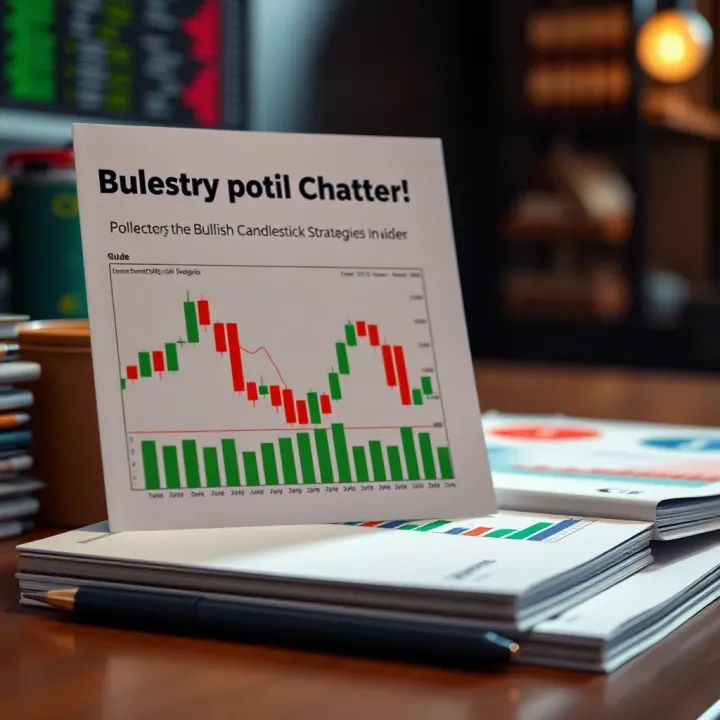
Recognising these patterns within the broader market context increases their reliability. For instance, spotting a Bullish Engulfing pattern during a downtrend can signal a turning point, potentially driving prices higher.
Nigerian traders often face challenges such as naira volatility, intermittent power supply, and differing liquidity levels across exchanges, making technical precision crucial. Supplementary PDF guides tailored to our market conditions provide comprehensive tables, visual examples, and step-by-step instructions to build your confidence in pattern recognition.
To get the most from bullish candlestick patterns:
Study pattern anatomy: Know the specific shape and size that define each pattern.
Check volume: Increased trading volume can confirm the pattern's strength.
Assess market trend: Use patterns as part of an overall strategy, not in isolation.
Stay updated on macroeconomic events: Central Bank of Nigeria policies, fuel subsidy news, or foreign exchange developments can impact price movements beyond technical signals.
With these points in hand, you'll be better equipped to incorporate bullish candlestick patterns into your trading toolbox—turning visual signals on charts into meaningful trading actions.
Understanding the fundamentals of bullish candlestick patterns is essential for traders aiming to spot potential upward market moves. These patterns distil complex price movements into simple visual shapes, making it easier for investors to anticipate buying opportunities without relying solely on complicated indicators.
Bullish candlestick patterns serve as early signals of market optimism. For example, in the Nigerian stock market, recognising a hammer pattern after days of falling prices can hint at a potential rebound. This guides traders on when to enter or exit positions, improving decision-making and minimising guesswork.
A candlestick displays four critical price points within a specific time frame: the opening price, closing price, high, and low. The rectangular body shows the open and close, while thin lines, known as wicks or shadows, represent the high and low prices. When the closing price stands higher than the opening, the candlestick is often shown in green or blank, signalling upward price movement.
This structure is practical because it condenses detailed trading activity into a format that even beginners can interpret quickly. For instance, a long lower wick with a small body indicates strong buying pressure after a sell-off—suggesting a possible bullish reversal.
Bullish signals refer to candlestick formations that anticipate price increases. These include specific shapes like the bullish engulfing, morning star, or hammer, which often appear after downtrends. They indicate buyers regaining control or sellers losing momentum.
These signals help traders time entries more effectively. Suppose a trader spots a bullish engulfing pattern on a commodity like Nigerian crude oil charts; this could signal the start of an upward run, encouraging the trader to open a long position.
Bullish candlestick patterns are vital in technical analysis because they reflect real-time shifts in market sentiment. Unlike fundamental analysis, which looks at long-term factors, these patterns provide immediate cues about price direction.
For Nigerian investors, integrating these patterns alongside local economic news can sharpen market timing. For example, after a policy announcement affecting the banking sector, identifying bullish patterns in bank stocks can validate the impact's positive reception.
Candlestick patterns visualise price action, which is the real-time expression of supply and demand among traders. Each pattern captures trader behaviour, such as fear, greed, or hesitation.
For example, a hammer candlestick forms when sellers push prices down significantly during a session, but buyers step in to close near the opening price. This shows traders resisting further price decline, signalling confidence returning to the market.
At the heart of bullish patterns is the struggle between buyers and sellers. When demand starts exceeding supply after a fall, it creates visible candlestick signals like long lower shadows or bullish engulfing bodies.
Consider the Nigerian equities market during ember months, when buying interest typically picks up; these demand surges often translate into bullish candlestick formations.

Bullish candlestick patterns prove useful across market environments—be it in sideways ranges, trending markets, or volatile sessions. Their interpretation varies slightly; for instance, a morning star pattern in an uptrend suggests continuation, while the same in a downtrend warns of reversal.
Hence, traders should always consider broader market context and volume before acting on these patterns. In Nigeria's often volatile markets, combining these patterns with volume spikes or local economic signals can filter out false signals and improve trade success.
Bullish candlestick patterns offer more than pretty charts; they give traders real clues about market psychology and price battles. Proper understanding and timely application can enhance trading success in Nigeria’s dynamic market.
Recognising common bullish candlestick patterns is essential for traders aiming to pinpoint potential market upswings. These patterns offer clear visual signals to assess buying pressure building up after a downtrend or consolidation. By mastering these formations, you gain practical tools for timing entries and exits, especially in the fast-moving Nigerian equities market where price action can be volatile.
The hammer and hanging man share a similar shape: a small body at the top of the candlestick with a long lower shadow that’s at least twice the length of the body. The distinction lies in their position relative to the prevailing trend. The hammer forms after a downtrend, signalling a potential reversal, while the hanging man appears at the top of an uptrend, warning of possible weakness ahead.
Market context is key to understanding these patterns. The hammer points to a battle where sellers pushed prices down during the session, but buyers regained control to close near the open, suggesting a shift in momentum. Conversely, the hanging man signals that even though prices closed near the high, a notable sell-off occurred at some point, a hint of sellers lurking. Nigerian traders should consider volume alongside these patterns; a hammer with rising volume on NGX stocks like Nestle or Dangote Cement tends to be more reliable.
Take the action on GTBank shares during 2023, for instance. Several hammer patterns formed following dips, coinciding with positive earnings reports and increased foreign interest, strengthening bullish outlooks. Meanwhile, hanging man candles appeared on Unity Bank in a cautious rally phase, warning investors to tighten stop losses. Observing these patterns alongside economic news and sector performance improves decision-making in the NSE.
A bullish engulfing pattern occurs when a small bearish candle is followed by a larger bullish candle that completely ‘engulfs’ the prior body. This shows strong buying pressure wiping out earlier selling, often signalling a turnaround. It stands out because it reflects a sudden shift in trader sentiment, which may lead to sustained price gains if confirmed.
Confirmation involves watching what happens after the pattern closes. Ideally, the next candle should close higher to validate the reversal signal. Using tools such as Relative Strength Index (RSI) or volume indicators helps verify strength behind the move. In Nigerian contexts, traders might watch sectors sensitive to oil price shifts or CBN policy changes, confirming engulfing signals with broader market trends.
Bullish engulfing patterns served as clear signals on MTN Nigeria during market rebounds in 2022. Traders who recognised these patterns early secured gains by entering positions just as price momentum shifted upwards. Similarly, engulfing patterns appeared on Okomu Oil in mid-2023 ahead of a rally spurred by rising commodity prices. Such examples show the value of these patterns in practical, real-time trading on Nigerian financial charts.
The morning star pattern forms across three candles: a large bearish candle, followed by a small-bodied candle (indecision or doji), and then a strong bullish candle closing well into the prior bearish body. The piercing pattern involves two candles; the second bullish candle opens below the previous close but then closes above the midpoint of the bearish candle. Both signal possible trend reversals.
These patterns suggest a cooling off of selling pressure and the start of buyers gaining upper hand. Their value lies in highlighting a staged shift rather than a single-session event. Traders can use them to anticipate upward moves and set suitable entry points, especially when accompanied by increased volume or positive macroeconomic factors.
On Nigerian charts, spotting morning star and piercing formations helps in sectors prone to cyclical swings, such as banking or oil services. For example, Arbico Plc showed a morning star pattern before a sustained rally in 2023, aligned with sector recovery. Combining these patterns with fundamental updates like CBN interest rate decisions enhances accuracy, guiding traders operating within Nigeria’s fluctuating market environment.
Recognising these bullish candlestick patterns is more than chart reading; it’s about understanding Nigerian market rhythm and integrating technical cues with local context to sharpen trading strategy.
Bullish candlestick patterns offer clear signals about potential upward price movements, making them vital for formulating effective trading strategies. Nigerian traders can combine these patterns with other technical tools to refine entry and exit points, reducing guesswork and increasing confidence in decisions. However, relying solely on candlestick shapes without additional confirmation is risky, as markets can often give false or premature signals.
Relative Strength Index (RSI) gauges the momentum of price movements to identify overbought or oversold conditions. When RSI falls below 30, it suggests oversold markets, making a bullish candlestick pattern following this a stronger buy signal. For example, if the Nigerian Stock Exchange (NGX) shares dip with RSI near 25 and a morning star pattern forms, this combination hints at a likely rebound. Traders should watch RSI trends alongside these patterns to avoid chasing weak reversals.
Moving averages smooth out price fluctuations to reveal trends. When a bullish candlestick pattern appears near a rising 50-day or 200-day moving average, it adds weight to the chance of a sustained upward move. For instance, if a hammer forms on MTN share prices just above its 200-day moving average, this suggests solid support. Using moving averages also helps traders spot trend shifts, especially when prices cross them after formation of bullish patterns.
Volume analysis tracks the number of shares or contracts traded, providing clues about the strength behind price moves. A bullish candlestick pattern accompanied by higher than average volume signals strong buying interest. In Nigeria’s equities market, seeing a bullish engulfing pattern with volume spikes on a stock like Dangote Cement suggests genuine demand, not just a random bounce. Volume helps confirm whether the pattern reflects real momentum or mere market noise.
Proper stop-loss levels protect traders from unexpected reversals. After spotting a bullish pattern, placing a stop-loss just below the pattern’s low limits potential losses. For example, if a morning star appears on a share quote, setting a stop-loss slightly below its lowest point helps guard against false breakouts. This approach is crucial in volatile markets like Nigeria’s, where price swings can be sharp.
Pattern confirmation requirements mean waiting for extra signals before trading. A single bullish candlestick alone may not suffice; traders often require the next candle to close above it or monitor supporting indicators for validation. This prevents rushing into trades based on incomplete information.
Avoiding premature action on patterns without confirmation reduces exposure to bad trades.
Avoiding false signals means combining candlestick patterns with volume and other technical cues. Some bullish patterns may look promising but fail to produce follow-through buying. Nigerian traders should treat patterns as part of a broader strategy rather than standalone triggers, especially amid news or market rumours that cause erratic moves.
Integrating bullish candlestick patterns with indicators like RSI, moving averages, and volume, alongside solid risk management, sharpens trading strategy and enhances success chances in Nigeria’s dynamic markets.
Bullish candlestick pattern PDFs serve as excellent resources for traders aiming to sharpen their skills. These guides condense essential information into clear, portable formats that you can consult anywhere, anytime. For Nigerian traders navigating volatile markets, having a reliable PDF at hand means quick access to trusted pattern references, especially when internet connectivity is unstable or costly.
Easy reference and offline study: PDFs allow you to study and revise bullish candlestick patterns without needing constant internet access. Imagine you’re in a remote location or experiencing power fluctuations common in some Nigerian areas. A downloaded PDF means your learning isn’t interrupted — whether you’re on a keke napep ride or waiting in traffic on Lagos roads. Having offline materials helps embed understanding at your own pace.
Standardised pattern charts: Many PDF guides present patterns in a standardised format, showing clear examples of how each bullish candlestick looks. This consistency is important because Nigerian stock market charts can be cluttered or customised differently across platforms. A standard chart from a trustworthy PDF cuts through the noise, enabling you to recognise a hammer or bullish engulfing pattern no matter which stock or timeframe you’re examining.
Step-by-step trading examples: PDFs often break down trades using bullish patterns in stages, detailing entry points, stop-loss placement, and target prices. This approach is highly relevant for Nigerian traders who want practical, hands-on guidance. For instance, a morning star pattern followed by volume increase on the Nigerian Exchange (NGX) can signal a good entry — a PDF guide’s stepwise breakdown helps you apply theory to real trades.
Trusted Nigerian fintech and trading platforms: Platforms like Kuda, Cowrywise, and OPay sometimes provide educational resources including PDF guides tailored for Nigerian markets. These can be especially useful since they align with local trading realities, including market hours and instrument specifics.
Official brokerage educational resources: Brokers operating in Nigeria such as Stanbic IBTC, Meristem Securities, and Chapel Hill Denham often create learning materials including PDFs for their clients. Since these come from licensed bodies, you can trust they reflect Nigerian market regulations and idiosyncrasies.
International trading education websites: Websites like Investopedia, BabyPips, or TradingView offer comprehensive PDFs on candlestick patterns. However, when using these internationally sourced guides, it’s essential to adapt their advice to reflect Nigerian trading environments, currency fluctuations, and local taxes before applying them.
Cross-checking with live charts: Always compare PDF illustrations with current NGX live charts or your broker’s charting tools. Markets change quickly, and patterns might not form textbook-perfect. Cross-checking ensures you spot real signals instead of outdated or oversimplified ones.
Customising information to suit Nigerian markets: Nigerian equities have unique volatility patterns influenced by factors such as naira exchange rates, petrol subsidy policies, and ember months trading behaviour. Tailoring insights from PDFs to these realities lets you develop strategies that are both practical and profitable.
Practising with demo trading accounts: Don’t jump straight into live trading after reading PDFs. Use demo accounts from providers like GTBank’s investing platform or Bamboo Nigeria to test your understanding of bullish patterns without risking ₦. This hands-on practice refines pattern recognition and decision-making.
Having a well-organised PDF on bullish candlestick patterns is not just handy — it's a must-have for traders serious about mastering technical analysis in the Nigerian market.
By regularly consulting, adapting, and practising with these PDFs, you build confidence and improve your trading edge over time.
📉 Learn how bearish candlestick patterns signal market drops and sharpen your trading skills in Nigeria with tips, examples, and risk management advice.

📉 Learn how bearish reversal candlestick patterns like shooting star, bearish engulfing & evening star signal market downturns for smarter trading decisions.

📈 Learn key candlestick patterns in trading, from bullish to bearish signals, and master how to read market moves with this detailed, easy guide.

📊 Master candlestick patterns with our comprehensive guide! Learn to spot trends, interpret signals, and boost your trading skills with PDF resources 📈
Based on 5 reviews