
Choosing the Best Forex Trading Site in Nigeria
🌍 Discover how to pick the best forex trading site in Nigeria. Learn about regulations, platform features, fees, security, and customer support to trade confidently.
Edited By
James Thornton
Choosing a reliable crypto trading website in Nigeria requires care and informed decisions. With dozens of platforms accessible to Nigerians, not all offer the same level of security, user experience, or support for local payment options. To succeed in crypto trading, you first need a platform that fits your trading style, protects your funds, and makes deposits and withdrawals smooth.
The platform you pick influences your trading speed, fee structure, and access to cryptocurrencies. For example, platforms like Binance Nigeria and Luno offer popular coins such as Bitcoin (BTC) and Ethereum (ETH) with local currency support, easing direct naira deposits. On the other hand, lesser-known sites may have hidden fees or poor liquidity, which can eat into your profits or delay your trades.
Always prioritise platforms that are regulated or licensed in Nigeria or internationally, as this reduces the risk of fraud and ensures compliance with local laws.
Security: Look for platforms with two-factor authentication (2FA), cold storage for funds, and clear privacy policies.
Payment Flexibility: Support for Nigerian banks via direct transfer, USSD, or popular fintech wallets like OPay and PalmPay.
Trading Fees: Check trading and withdrawal fees upfront. Lower fees mean you keep more of your earnings.
User Interface: An intuitive site helps both new and experienced traders avoid costly mistakes.
Customer Support: Access to responsive local support can be a lifesaver, especially if you face withdrawal delays or technical issues.
Registering typically requires your Bank Verification Number (BVN) and a valid Nigerian ID. Some platforms may also ask for your National Identification Number (NIN) for added verification. Ensure that the platform uses secure, encrypted connections during sign-up to protect your data.
Crypto is still largely unregulated in Nigeria. Scams, fake airdrops, and phishing attempts are common. Always use official websites or trusted apps for your trading activities. Avoid sharing your private keys or passwords, even if requested.
Next, we will explore how to register properly and start trading safely while managing your funds between Nigerian banks and crypto wallets effectively.
Choosing the right crypto trading platform in Nigeria is not just about convenience; it affects your security, cost efficiency, and overall success in the crypto market. With many platforms available, each offering different features, it’s critical to evaluate them based on security, fees, payment options, and user experience. Making a poor choice could expose you to fraud, excessive charges, or poor customer support, which can hinder your trading goals.
Two-factor authentication (2FA) adds a vital layer of protection beyond just a password. It requires a second verification step, often a temporary code sent to your phone or generated by an app like Google Authenticator. This extra step helps prevent unauthorised access, which is crucial given how often Nigerian traders face hacking attempts or phishing scams.
Cold storage of assets means the platform keeps most of its cryptocurrency funds offline, away from internet-connected systems. This practice drastically reduces the risk of hackers stealing users’ funds. When using platforms such as Patricia or Yellow Card in Nigeria, check if they mention cold wallet storage to ensure your investments have extra protection during inactivity.
Regulatory compliance in Nigeria is increasingly important as authorities tighten rules around crypto trading. Platforms that comply with Central Bank of Nigeria (CBN) guidelines and maintain registration with the Nigerian Securities and Exchange Commission (SEC) provide a layer of legal security. This reduces risks like sudden platform shutdowns or legal grey areas that could freeze your funds.
Deposit and withdrawal charges vary widely among platforms and directly impact your profits. Some platforms charge flat fees, while others apply percentage-based fees on every transaction. For example, some Nigerian exchanges may charge ₦200 to ₦500 per bank transfer or withdrawal, which can add up fast if you trade frequently.
Supported payment methods including Nigerian banks and USSD are essential for smooth operations. The best sites work well with major Nigerian banks and support quick USSD codes like *389# linked to your bank, allowing you to deposit or withdraw without delays. Platforms integrated with payment gateways like Paystack or Flutterwave usually offer faster, cheaper transfers than manual bank transfers.
Hidden costs to watch out for include poor exchange rates, inactivity fees, and withdrawal minimums. Sometimes, a platform may seem cheap upfront but offers unfavourable rates when converting crypto to naira or charges high fees if you haven’t traded within a few months. Always read the fee schedule thoroughly and compare before committing.
Mobile app availability is a big plus, especially for Nigerian traders who rely mostly on smartphones. Apps from platforms like Binance and Quidax offer full trading features on mobile, meaning you can buy or sell crypto from anywhere—even when you’re stuck in Lagos traffic or at a market.
Customer service channels matter a lot, particularly when you encounter transaction issues or security alerts. Platforms with multiple support access points, such as live chat, email, phone hotlines, and social media, provide faster resolution. Also, check how responsive they are – some Nigerian users report long waits that can cost them valuable trades.
Ease of use for beginners cannot be overstated and often decides whether you stick with crypto trading or give up. Look for platforms with clear dashboards, simple order placements, and educational resources tailored for Nigerian traders. For instance, a platform that offers tutorials or community forums can reduce beginner mistakes and improve your confidence.
Selecting a platform with solid security, affordable fees, reliable payments, and user-friendly design will save you stress while helping to grow your investment safely and efficiently.
In summary, when picking a crypto trading platform in Nigeria, focus on how well it protects your funds, the true cost of trading, and how it suits your trading style and needs. This approach ensures you are never caught off guard by hidden risks or sudden failures in critical moments.
Creating a trading account on a Nigerian crypto platform is the first step to access the growing digital currency market. Most platforms require basic information such as your full name, email address, and phone number. This process is straightforward and usually takes just a few minutes, making it easy for both beginners and experienced traders to get started quickly. For example, platforms like BuyCoins and Quidax provide simple registration forms optimised for mobile users, reflecting the prevalent access method in Nigeria.
Verification of your identity with your Bank Verification Number (BVN) and National Identification Number (NIN) is mandatory on most Nigerian crypto trading websites. The BVN links your bank accounts to your identity, ensuring that only you can operate your financial activities. Using your NIN confirms your official identity with the Nigerian government. Together, these verifications reduce the risk of fraudulent activities and money laundering. For example, when you provide your BVN and NIN during registration, the platform cross-checks these details with relevant authorities to confirm your legitimacy before unlocking all trading features.
Setting up security preferences is the next critical step after registration and verification. These options often include enabling two-factor authentication (2FA), setting strong passwords, and choosing notification alerts for account activity. For instance, many Nigerian platforms offer app-based 2FA through Google Authenticator, adding a layer of protection that goes beyond just a password. This setup can prevent unauthorised access even if your login credentials are compromised, a practical safeguard given the cyber threats many Nigerians face today.
Know Your Customer (KYC) procedures are essential for crypto platforms to comply with Nigerian financial regulations. KYC involves collecting and verifying documents like government-issued IDs, utility bills, and sometimes proof of income. This compliance helps platforms operate legally within Nigeria's regulatory framework, avoiding penalties and shutdowns. From your perspective as a trader, it ensures that the platform you use is credible and monitored, lowering your risk exposure.
Anti-Money Laundering (AML) policies work alongside KYC to prevent illegal activities such as fraud and money laundering within crypto exchanges. Platforms monitor transaction patterns and flag unusual activities that could indicate abuse. This approach helps maintain a safe trading environment for all users. For example, sudden large deposits followed by immediate withdrawals might trigger additional checks. By abiding with AML requirements, platforms protect you from becoming an unwitting participant in financial crimes and preserve the integrity of the Nigerian crypto ecosystem.
Starting your trading account with proper verification not only secures your activities but also aligns with the growing regulatory demands in Nigeria, making your crypto journey safer and more reliable.
Creating your account, verifying with BVN and NIN, and understanding KYC and AML aren’t just formalities—they’re necessary steps to trade crypto securely and confidently within Nigeria’s evolving regulatory landscape.
Trading cryptocurrencies involves more than just buying and selling coins. For Nigerian traders aiming to make smart moves, understanding how to trade effectively means grasping order types, selecting suitable crypto pairs, and using tools that help track market changes. This knowledge reduces risks and increases chances of profit in a volatile market.
Understanding the difference between market orders and limit orders is vital. A market order buys or sells a cryptocurrency instantly at the current price. This is useful when you want to enter or exit a trade quickly, such as taking advantage of a sudden price dip or surge in Bitcoin or Ethereum. However, prices can fluctuate rapidly, especially on Nigerian crypto platforms during times of volatility, so the price you pay might differ slightly from what you expect.
In contrast, a limit order sets a specific price for buying or selling. For example, if Bitcoin is ₦25 million but you want to buy only if the price drops to ₦24.5 million, you place a limit buy order at that level. The trade executes only when market prices hit your target. This helps manage costs and avoid overpaying but might mean missed opportunities if prices don’t reach your set level.
Choosing the right cryptocurrency pairs matters as well. On Nigerian exchanges, popular pairs include BTC/NGN and ETH/NGN because they directly relate to the local currency. Also, pairs like BTC/USDT or ETH/USDT offer stability by trading against stablecoins pegged to the US dollar. Selecting pairs with good liquidity and low spreads means faster trades and less slippage. Avoid low-volume pairs as they might trap your funds or lead to larger price swings.
Reading price charts forms the backbone of trading decisions. Most platforms offer candlestick charts that show price movements over time — each candle representing a time interval like 1 hour or 1 day. This visual allows you to identify trends (whether prices are rising or falling) and spot patterns like "head and shoulders" or "double bottoms" that signal potential reversals. Being able to interpret these helps you decide when to buy or sell.
Setting stop-loss and take-profit levels is about managing your risk and locking in gains. A stop-loss order automatically sells your crypto once the price drops to a certain point, helping to limit losses in a falling market. For instance, if you buy Bitcoin at ₦25 million and set a stop-loss at ₦24 million, the system sells your Bitcoin if prices fall to ₦24 million, preventing further loss. Similarly, a take-profit order sells your position when the price hits your chosen target, securing profits before the market potentially reverses.
Technical indicators like the Relative Strength Index (RSI), Moving Averages (MA), and Bollinger Bands help confirm trends and signal overbought or oversold conditions. For example, if the RSI shows that a cryptocurrency is overbought, it might be wise to hold off buying or consider selling. Moving Averages smooth out price data to highlight direction, guiding you on whether the market is bullish or bearish. Skilled use of these indicators improves trade timing, a key factor for success on Nigerian platforms where rapid price shifts are common.
Mastering these trading techniques offers Nigerian investors practical control over their crypto journeys, turning mere speculation into informed decision-making. For beginners and seasoned traders alike, applying these principles can make the difference between loss and gain.
When trading cryptocurrencies in Nigeria, managing payments and transfers securely is a top priority. Since crypto dealings often involve moving funds between Nigerian banks and trading platforms, any slip-up can lead to loss of money or personal data. Ensuring safe transactions helps protect your capital and builds trust in the platform you choose.
Bank transfers and USSD payment options are common ways to fund your crypto trading account. Most Nigerian trading platforms accept direct bank transfers from local banks such as GTBank, Access Bank, and Zenith Bank. These transfers are straightforward and usually processed within the same day, provided they happen during banking hours. USSD payments, on the other hand, offer a quick channel using simple codes on your mobile phone. For example, using a USSD code like *737# with your bank helps you transfer funds to your crypto account instantly without internet access, which is very practical in areas with patchy data connectivity.
Using local payment gateways like Paystack or Flutterwave adds an extra layer of convenience and security to funding your account. These gateways integrate multiple payment methods, including cards, bank transfers, and mobile wallets, allowing you to pay with your preferred option while benefiting from encryption and fraud protection. Many Nigerian crypto platforms link with Paystack or Flutterwave to simplify the deposit process, making it faster and safer. As an example, if you deposit ₦50,000 using Paystack, the gateway ensures the transaction is legitimate and your details remain confidential.
Converting crypto to naira before withdrawal is a crucial step. Most Nigerian platforms offer a direct conversion service where your crypto assets are sold automatically for naira at current market rates. This reduces the risk of price volatility during the withdrawal process. For instance, if you sell Bitcoin for naira on the platform, the proceeds go straight to your local bank account without needing external exchanges, saving time and lowering transaction fees.
Timing withdrawals to reduce fees can save you money. Crypto networks often have varying transaction fees depending on congestion and time of day. Nigerian traders can avoid paying high gas fees by scheduling withdrawals during off-peak hours when the network is less busy. For example, withdrawing crypto profits late at night or early morning might cost less than doing so during business peak times.
Always check the fee schedule of your chosen platform and compare withdrawal costs before initiating large transfers. Some platforms also offer fee discounts for frequent traders or VIP accounts.
Avoiding delays and freezing issues is vital for easy access to your funds. Nigerian traders often face freezes caused by strict regulatory checks or manual verification delays. To prevent this, use platforms with clear policies on withdrawal times and transparent KYC (Know Your Customer) processes. For example, completing all verification steps upfront can reduce freezing risks. Also, avoid submitting withdrawal requests on weekends or public holidays, as this can prolong processing.
Handling payments carefully means you spend more time trading and less time chasing missing funds. Combine secure deposit and withdrawal methods with sound platform choices to keep your crypto experience smooth and worry-free.
Understanding the risks and regulations around cryptocurrency trading in Nigeria is essential for every trader. The market still carries uncertainties due to evolving government policies and frequent scam attempts. Staying informed helps you protect your funds, comply with legal requirements, and avoid pitfalls that many newcomers face.
Phishing websites and fake apps pose serious threats to traders. These fraudulent platforms often mimic legitimate crypto exchanges or wallets, tricking users into entering their login details or private keys. For example, a trader might receive a message with a link to a “new” version of a popular Nigerian crypto platform. Once credentials are submitted, scammers drain the account. To avoid this, always verify website URLs carefully and download apps only from official sources like the Google Play Store or Apple App Store.
Ponzi schemes and fraudulent projects have caused significant losses among Nigerian investors. These schemes promise unusually high returns with little or no risk, luring people into recruiting friends and family. Although some projects appear legitimate, they collapse once new investments slow down. Always research projects thoroughly and be wary of any opportunity that pressures you to invest quickly or guarantees fixed profits. Trusted platforms typically provide clear information about project team members and compliance.
The Central Bank of Nigeria (CBN) currently restricts banks from facilitating cryptocurrency transactions, aiming to reduce risks linked to fraud and volatility. While this affects direct naira-crypto conversion, many fintech companies found ways around it by integrating USSD and payment gateways like Paystack or Flutterwave. Understanding CBN policies helps traders avoid disruptions and legal issues.
The Securities and Exchange Commission (SEC) Nigeria classifies certain crypto assets under investment securities, issuing guidelines to protect investors and regulate capital market activities involving digital assets. This means some crypto projects and platforms must register with SEC and comply with reporting obligations. Traders benefit because SEC oversight reduces fraud risks and improves market transparency.
Implications for traders include being cautious about platforms not registered with Nigerian authorities and staying alert to policy changes. Non-compliance with regulations can lead to freezing of accounts or legal penalties. Therefore, using platforms recognised and regulated in Nigeria is safer. Furthermore, keeping an eye on official announcements helps you adapt strategies to regulatory shifts.
Trusted Nigerian crypto news sources such as Nairametrics and TechCabal provide timely updates on market trends and regulatory changes. Following these helps traders act on verified information rather than rumours circulating on social media.
Community forums and social media groups, like those on Telegram or Twitter, offer practical trader experiences and peer advice. However, users should always verify tips from these channels independently to avoid falling for misinformation.
Workshops and online courses organised by institutions such as the Nigerian Blockchain Alliance educate traders on technical analysis, risk management, and compliance. Attending these can improve your skills and confidence in handling crypto trading complexities common in Nigeria’s market.
Staying informed about risks and regulations isn’t just smart—it’s necessary to protect your capital and succeed in Nigeria’s crypto trading environment.
🌍 Discover how to pick the best forex trading site in Nigeria. Learn about regulations, platform features, fees, security, and customer support to trade confidently.
Explore top crypto trading platforms in Nigeria 🇳🇬. Learn about security, fees, user experience, and regulations to trade safely and smartly! 💹
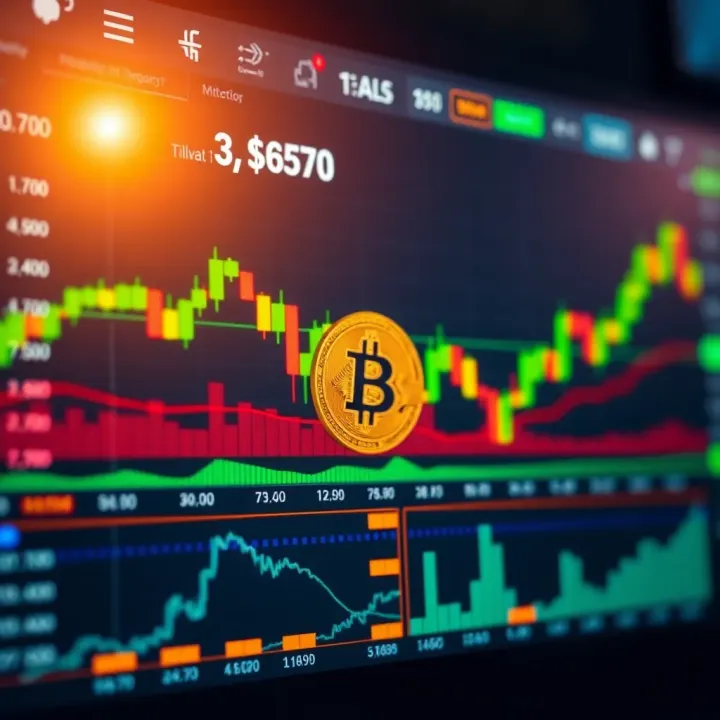
🔍 Find the best crypto trading platforms in Nigeria! Explore fees, security, ease of use, local payment options, and regulations to trade smartly. ₦💰
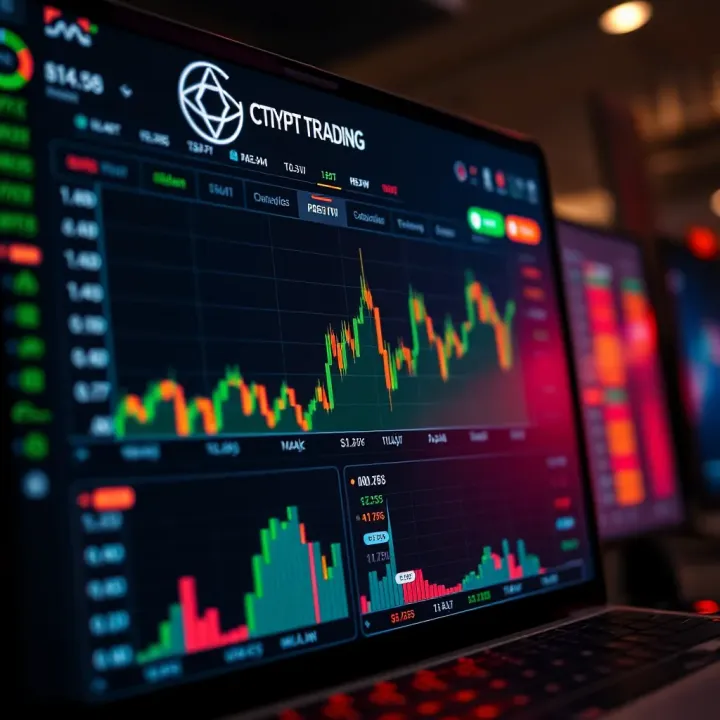
Explore top crypto trading bots for Nigerian traders 🚀 Find key features, risks, and tips to choose the bot that matches your style and goals safely 🛡️
Based on 5 reviews