
Benefits of Forex Trading for Nigerian Investors
Forex trading offers Nigerian investors flexibility, high liquidity, profit potential, plus valuable market knowledge to enhance investment strategies 📈💹💰
Edited By
Henry Morgan
Nigerian traders stepping into forex markets face unique challenges, from naira volatility to intermittent internet. To trade effectively, they rely on specialised tools that help spot opportunities, manage risks, and respond swiftly to market shifts.
Forex trading tools aren't just software; they're the backbone of successful strategies. Whether you're monitoring currency pairs or calculating leverage, the right applications make a noticeable difference.
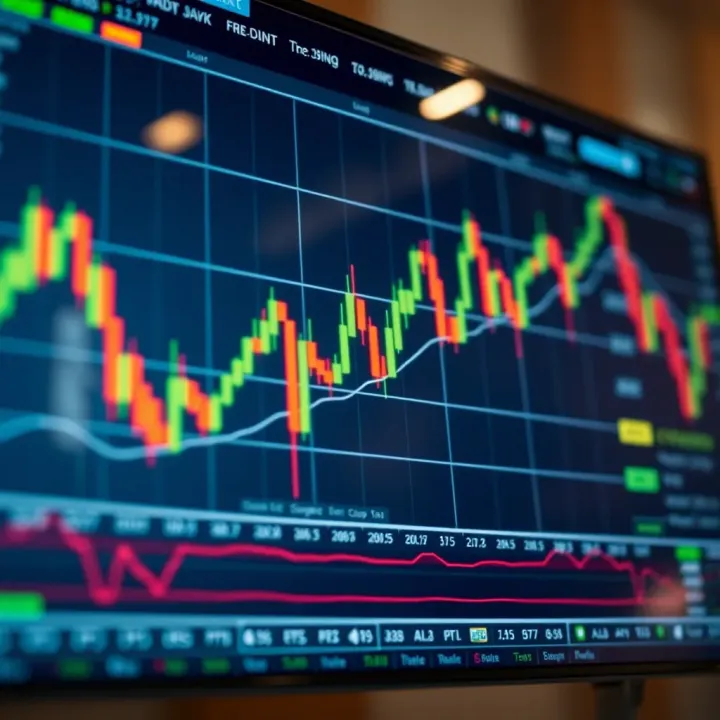
Quality charting platforms like MetaTrader 4 (MT4) and TradingView are widely used by Nigerian traders. These platforms offer detailed real-time charts with customizable indicators, enabling traders to analyse patterns and forecast movements. For example, a trader tracking USD/NGN can use moving averages and RSI indicators to gauge entry points, helping avoid costly guesswork.
Economic calendar tools tailored to Nigerian economic releases are vital. Knowing when the Central Bank of Nigeria (CBN) announces new policies or inflation data hits lets traders adjust positions proactively. Ignoring such events can lead to losses, especially with naira’s history of sharp swings.
Risk management tools deserve a special mention. Features like stop-loss and take-profit orders, automated on platforms like MT4, allow traders to limit potential downsides while locking in profits. Given Nigeria’s spotty power supply and occasional internet drops, these automated safeguards work even when you’re offline.
Other essential tools include reliable VPS services based in Africa or Europe, ensuring your trading platform runs 24/7 with minimal downtime. Also, mobile apps from local fintech platforms, such as Kuda or OPay, assist in quick fund transfers, smoothing capital management.
Nigerian forex traders who blend the right software with smart money management stand a better chance of navigating the forex jungle. Avoid relying on guesswork—use these tools to trade with precision.
In short, a combination of robust charting software, a good economic calendar tuned to Nigerian events, solid risk management features, and dependable connectivity solutions form the core toolkit every Nigerian trader should master. This equips you to face the market confidently, even with local hurdles like naira instability and network challenges.
Trading tools form the backbone of successful forex trading, especially for Nigerian traders who navigate unique market conditions. These tools help traders make informed decisions, enhance efficiency, and manage risk in the face of fast-changing market dynamics. Without the proper tools, even a well-planned strategy can falter in volatile environments like the forex market.
Good trading tools provide up-to-date information that helps traders understand market movements and trends. For instance, a Nigerian trader tracking naira-dollar pairs needs constant updates on both local economic policies and global events. Tools like real-time charts and economic calendars keep traders aware of factors that influence currency prices. This insight enables smarter timing of entries and exits, reducing guesswork.
Forex markets don't wait. A trader's ability to execute orders swiftly can mean the difference between profit and loss. Trading platforms equipped with quick order execution and advanced charting features allow Nigerian traders to act on opportunities as they arise. For example, platforms like MetaTrader 4 support one-click trading which speeds up decision-making compared to manual order entry. Accurate tools also minimise errors like wrong orders or missed stop losses, which can be costly.
Risk management tools are essential to protect capital from sudden market swings. Nigerians often face challenges like naira volatility, making risk controls all the more critical. Features such as stop-loss and take-profit orders automate exit points, ensuring losses don’t spiral out of control. Position sizing calculators help traders avoid exposing too much of their portfolio on a single trade. These tools allow traders to plan their risk per trade realistically and stick to it.
The naira's fluctuating value against other currencies creates unpredictability for forex traders. Sudden policy changes by the Central Bank of Nigeria (CBN) or shifts in oil prices can cause large swings in currency pairs involving the naira. Traders need tools that deliver timely updates on these developments to adjust their strategies quickly. For example, alerts from economic news platforms help prevent surprises that could lead to losses.
Reliable internet remains a challenge in many parts of Nigeria. Slow or intermittent connectivity disrupts data flow and can delay order execution, often resulting in missed opportunities. Traders often rely on mobile data or hotspot connections that may falter during critical trades. As such, investing in platforms that function well on low bandwidth or provide offline features for analysis can reduce these disruptions.
Accurate and timely market data is fundamental to any trading decision. Nigerian traders sometimes struggle with access to trustworthy data sources due to platform restrictions or delays. This can lead to basing decisions on outdated or wrong information, impacting profitability. Opting for well-known global platforms or trusted local brokers that provide dependable data can bridge this gap and improve trading outcomes.
Reliable trading tools tailored to local challenges offer Nigerian traders an edge in a tough forex market. They deliver timely information, speed up execution, and help control risk – factors that often decide whether a trade succeeds or fails.
Choosing the right software platform is a key step for Nigerian forex traders aiming to trade more efficiently and precisely. The trading platform serves as the main interface where traders analyse charts, execute trades, and manage risk. Given challenges like naira volatility and intermittent internet connections around Nigeria, the choice of robust and reliable software becomes essential.
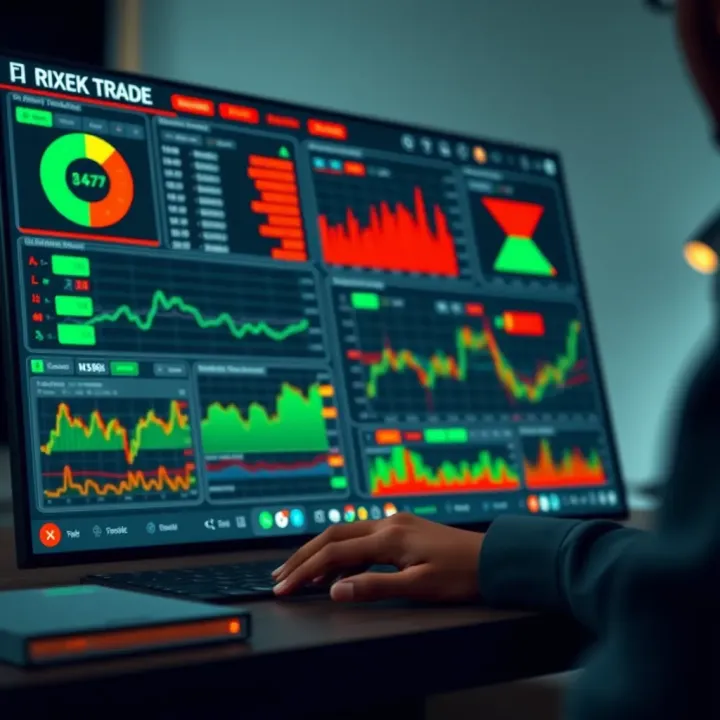
MetaTrader 4 and 5 are by far the most popular platforms among Nigerian forex traders. MT4 offers a simple, straightforward interface with strong charting tools and automated trading support through Expert Advisors. Its vast user base in Nigeria means lots of community support and shared custom indicators. MT5, the newer version, adds multi-asset trading and more order types, which appeals to traders who want to diversify beyond forex to CFDs and commodities. Many local brokers integrate MT4 and MT5 because of their proven stability and flexibility.
cTrader offers a more modern interface and better visual appeal than MetaTrader, which appeals to tech-savvy traders in Nigeria. It provides advanced order types and superior charting with level II pricing, useful for understanding market depth. Although less common among Nigerian brokers, cTrader is gaining traction for those who want faster trade executions and enhanced algorithmic trading capabilities.
Local brokerage apps have grown rapidly in Nigeria’s fintech environment. Platforms like the Kuda forex app or apps by local brokerages provide seamless naira to forex currency pairing and easy access to the market for beginners. These apps often bundle banking and trading features to suit traders who prefer managing everything on their mobile phones amid often unreliable power and internet access.
A user-friendly interface is crucial because it reduces mistakes and learning curves for traders. For Nigerians coping with distractions such as unstable power supply, quick navigation and clear display are important. Platforms like MetaTrader 4 maintain simple dashboards, helping traders focus on critical decisions instead of wrestling complicated menus.
Fast execution and varied order types matter to protect against sudden naira price swings. Platforms must process trades with minimal delay to avoid slippage, which can eat into profits or increase losses. Nigerian traders should probe broker execution speed and platform latency, especially during high volatility caused by Central Bank announcements or global shocks.
Access to historical data supports thorough technical analysis and testing of strategies over past market conditions. Nigerian traders, especially those new in forex, benefit from platforms providing several years of historical price data to understand how pairs behave during local economic events or volatile ember months. This helps in adapting strategies more suited to Nigeria’s trading climate.
Selecting a trading platform is not just about features; compatibility with your local circumstances like internet stability, forex regulations, and your trading style makes the difference.
In sum, Nigerian traders should prioritise platforms combining reliability, ease of use, speedy trade execution, and good historical data access. Whether opting for MetaTrader’s familiarity, cTrader’s modern edge, or local apps’ convenience, the software you choose can greatly influence your success in navigating Nigeria’s dynamic forex scene.
Charting and technical analysis form the backbone of informed forex trading. For Nigerian traders, these tools provide a clearer picture of market movements amid naira exchange rate fluctuations and volatile global conditions. Understanding charts and indicators helps traders spot potential entry and exit points, enhancing decision-making and reducing costly guesswork.
Candlestick and bar charts are essential for interpreting price action. Candlestick charts, with their colour-coded bodies and wicks, visually express market sentiment—whether buyers or sellers have the upper hand during each trading period. For example, a bullish hammer pattern on the USD/NGN chart could hint at a potential price reversal after a dip. Bar charts, while less colourful, offer similar data on open, high, low, and close prices, preferred by traders who value simplicity.
Drawing trend lines and support/resistance levels is another practical technique. Drawing these lines connects previous highs and lows, helping traders identify where prices tend to stall or reverse. For instance, if the naira consistently finds support at a ₦450/USD level, a trader might set buy orders near that point, knowing it’s a historical floor. Trend lines guide traders by showing the general direction of price movement—upward, downward, or sideways—which informs strategies on when to hold or exit trades.
Timeframes and chart types matter depending on trading style. Day traders might focus on short-term charts like 5-minute or 15-minute intervals to catch quick price swings. On the other hand, swing traders or investors might prefer daily or weekly charts for a broader market view. Chart types vary from line charts, which provide a simple closing price overview, to Heikin-Ashi charts that filter noise for clearer trend spotting—useful during Nigeria’s unstable internet sessions where quick decisions count.
Moving averages smooth out price data to reveal trends over time. The simple moving average (SMA) tracks average prices over a set period, like 50 days, giving a clear trend direction. Nigerian traders often use crossover strategies—when a short-term MA crosses above a long-term MA, it signals a buying opportunity, especially effective during volatile periods.
Relative Strength Index (RSI) measures the speed and change of price movements. RSI values above 70 indicate overbought conditions, and below 30 suggest oversold territory. This helps traders avoid entering positions when the market is overheated or due for a correction, a common scenario with naira pairs influenced by shifting CBN policies.
Bollinger Bands consist of a moving average with two standard deviations forming upper and lower bands. When price touches the bands, it can signal a potential reversal or breakout. For example, if USD/NGN price hits the lower band repeatedly, it might hint at an upcoming rally, aiding traders in timing their moves.
MACD (Moving Average Convergence Divergence) highlights momentum changes by comparing fast and slow moving averages. Its signal line crossovers help traders catch early trend shifts. Nigerian traders use MACD to confirm signals from other indicators, improving accuracy especially when market news causes sudden price swings.
Mastering charting and technical analysis tools is vital for Nigerian forex traders to navigate unpredictable markets confidently. These tools not only help read price behaviour but also build strategies tailored to local market realities like naira volatility and network inconsistency.
Risk management and trade execution tools are indispensable for any forex trader, especially in Nigeria, where market conditions can be unpredictable. These tools help traders protect their capital by controlling potential losses and locking profits while ensuring trades happen quickly and efficiently. Getting these elements right can prevent the typical pitfalls that come with naira volatility and moments of network instability.
Stop loss orders act as an automatic exit point to limit how much you can lose if the market moves against your trade. For Nigerian traders dealing with fluctuating naira exchange rates, this feature prevents a small setback from turning into a devastating loss. For example, if you buy the USD/NGN pair at ₦460 and set a stop loss at ₦450, the trade will close automatically when the price hits ₦450, capping your loss.
Using stop losses is critical, especially when internet service may be unstable, as you don’t have to rely on monitoring every market move manually. This risk management tool safeguards your funds even if you cannot reply immediately to price changes.
Take profit orders work the opposite way by automatically closing your trade when the price reaches a favourable level. For instance, if you enter a trade buying EUR/USD at 1.2000 and expect the price to rise to 1.2200, you can set your take profit at 1.2200. Once the market hits this price, your profits are booked automatically.
This mechanism is helpful in avoiding greed or hesitation, which can cause traders to miss ideal exit points. For Nigerian traders who may be juggling trading with other jobs or responsibilities, take profits allow locking gains without the need to watch charts continuously.
A position sizing calculator helps you decide how big your trade should be relative to your trading capital and your risk tolerance. For example, if you have ₦500,000 and you decide not to risk more than 2% (₦10,000) on a single trade, the calculator adjusts your position size accordingly so that a stop loss hit won't exceed ₦10,000.
This approach prevents reckless trading that can wipe out your account. Many Nigerian traders start without precise trade sizing, leading to losses that are bigger than expected.
Overexposure happens when too much capital ties to one trade or correlated trades, increasing vulnerability to market swings. Using position sizing calculators, you can spread your risk and avoid putting all your eggs in one basket. For example, instead of allocating ₦200,000 to just EUR/USD, you can size your trades across different pairs to better balance risk.
This practice is especially important in Nigeria, where market shocks from local factors like CBN policy shifts or fuel price changes can rapidly impact forex rates. Proper sizing ensures that even if one market moves unfavourably, your overall portfolio stays protected.
Effective risk management through stop losses, take profits, and correct position sizing increases survival chances in forex trading more than just guessing market direction.
Economic calendars and news feeds are essential tools for Nigerian forex traders, as they provide timely information on events that can cause significant market movements. These tools help traders anticipate changes in currency values, especially the naira, by tracking scheduled economic releases and breaking news. Without access to reliable economic data, traders risk being caught off guard by volatility, leading to poor trade decisions.
The Central Bank of Nigeria (CBN) plays a critical role in shaping naira dynamics through its monetary policies and interventions. Announcements about interest rate changes, foreign exchange policies, or liquidity measures tend to immediately influence the naira's strength against other currencies. For instance, when the CBN altered the official exchange rate in recent months, many traders had to quickly adjust their positions to avoid losses or take advantage of new trends.
Keeping an eye on CBN releases through an economic calendar can prevent being blindsided by such policy shifts. Since these announcements often happen at scheduled times, traders can plan ahead to monitor or avoid trading during particularly volatile windows.
Apart from local developments, global economic data also affects naira currency pairs. Data like US non-farm payrolls, crude oil prices, or European Central Bank decisions can sway the forex market significantly due to Nigeria’s heavy reliance on oil exports and dollar flows. For example, a drop in crude oil prices can weaken the naira, as it reduces foreign revenue.
Economic calendars track these global releases, giving Nigerian traders an edge in predicting when naira pairs might shift. Being aware of such events allows traders to manage their positions more carefully, safeguarding against unexpected volatility from abroad.
Access to accurate local reports keeps traders informed about policy changes, banking system developments, and market trends relevant to Nigeria. Platforms like BusinessDay, Nairametrics, and Vanguard provide updates on CBN policies, budget changes, and economic indicators.
Using such sources adds context that global news might miss, such as political events or fiscal policies that impact Nigeria’s economy. Traders can get insights from interviews with local experts or business leaders to better understand market sentiment.
Global platforms such as Reuters, Bloomberg, and Forex Factory cover worldwide economic news and analyses with timely updates on major markets. These international sources inform Nigerian traders about external factors influencing currency pairs, especially USD/NGN and other prominent crosses.
Supplementing local news with international coverage broadens a trader's perspective. It helps spot trends early and respond smartly to economic surprises beyond Nigeria's borders, making trading strategies more robust.
Staying connected to both local and global news feeds through trusted sources is vital. It equips Nigerian forex traders with the knowledge to act confidently in a fast-moving market influenced by many moving parts.
Forex trading offers Nigerian investors flexibility, high liquidity, profit potential, plus valuable market knowledge to enhance investment strategies 📈💹💰

Learn the essentials of forex trading 🌍 Discover how currency markets work, key terms, strategies, and risks to start trading confidently today 📈💡

Looking to start trading in Nigeria? 📈 Discover how to pick the best beginner-friendly trading app with top features, popular platforms, and safety tips.
📈 Discover the best times to trade forex in Nigeria! Learn how market sessions, overlaps, and economic events impact currency moves for smarter decisions.
Based on 8 reviews