
Top Trading Apps in Nigeria for 2024
Explore the best trading apps in Nigeria 📱. Compare features, security, and ease for stocks, forex, and crypto traders to choose the right platform.
Edited By
Thomas Spencer
Forex trading apps have transformed how Nigerian traders tap into the global currency markets. Instead of relying solely on desktop platforms, these mobile apps grant easy, real-time access to forex trading anytime and anywhere. This convenience suits Nigeria’s expanding smartphone usage and internet reach, especially for traders who need to react fast to volatile price movements.
Understanding how forex trading apps work and how to choose the right one is vital for Nigerian traders aiming to maximise returns while avoiding pitfalls. Not all apps are created equal, so knowing the features to look out for—including security measures, user interface, and trading tools—is crucial before committing your funds.
Mobile forex apps offer flexibility but demand better awareness from traders to navigate challenges such as unreliable internet, fluctuating naira rates, and regulatory concerns.
With several apps competing for Nigerian users, from established platforms like MetaTrader 4 and MetaTrader 5 to locally popular choices such as Binomo and Olymp Trade, traders have options but must prioritise trusted providers with transparent trading conditions.
In this article, you will find practical tips tailored for Nigerians on selecting forex apps that fit your trading style, avoiding common security traps, and maximising app features. These insights stem from both industry knowledge and the Nigerian trading experience, especially given challenges like power outages and internet hotspots affecting smooth trading.
Next, we will explore the key features to check in forex trading apps and how they impact your trading journey.
Understanding forex trading apps is essential for Nigerian traders aiming to tap into the global currency market right from their smartphones. These apps put complex trading tools within reach, making it possible to trade anytime, anywhere without needing a traditional broker's office.
Forex trading apps are mobile platforms that allow users to buy and sell foreign currencies in real-time. For instance, instead of sitting at a desktop in a Lagos office, a trader can monitor the USD/NGN rate while commuting in a danfo or relaxing at a local mama put. This flexibility is a key reason why forex trading has surged in Nigeria.
Most forex apps offer core functionalities such as charts showing currency pair trends, order types like market or limit orders, and portfolio tracking. With apps like MetaTrader 4 or local platforms integrated with Nigerian banks, traders can fund accounts, execute trades, and withdraw profits all within the app. This streamlines the trading cycle and helps users react quickly to market moves.
Real-time market access means prices and charts update continuously, giving traders up-to-the-minute data. This is crucial in forex, where even a few seconds can make the difference between profit and loss. Apps typically provide instant trade execution, so when you press "buy" or "sell," your order hits the market immediately—no lag or delay.
One big draw for Nigerian traders is the accessibility and convenience these apps provide. A young trader in Abuja or Port Harcourt can access the global forex market without travelling, without hefty fees, and without complicated paperwork. Plus, the mobile format fits seamlessly into busy lifestyles.
Nigeria’s interest in forex has grown sharply in recent years, driven partly by economic uncertainty, currency volatility, and the dream of quick returns. Many see forex as an alternative income stream or a way to beat naira depreciation by trading strong currencies like the US dollar or euro.
The rise in mobile internet and smartphone use across Nigeria has helped too. With affordable smartphones and widespread MTN, Glo, Airtel, and 9mobile data coverage, more traders can join the market from Lagos to Kano. This connectivity is a game-changer, turning once remote forex markets into everyday opportunities for Nigerian users.
For Nigerian traders, understanding forex apps isn’t just about technology; it’s about empowering themselves to participate actively in global finance using tools that fit their daily realities.
Forex apps bring global currency trading to your fingertips with real-time data and swift execution.
Core app features include live charts, order management, and integrated payments.
Nigerians use forex apps because they combine accessibility, convenience, and growing interest in forex trading.
The expansion of mobile internet and smartphones in Nigeria enables more traders to join from any location.
This foundation sets the stage for selecting the right forex trading app and making the most of its features in your trading journey.
Selecting the right forex trading app can make a big difference, especially for Nigerian traders facing unique market conditions and infrastructural challenges. The app must combine user friendliness with strong security and a suite of tools that empower informed decisions. Focusing on key features like an intuitive interface, tight security, and valuable trading resources helps traders avoid common pitfalls and improves their chances of success.
A forex app with an intuitive design saves traders from unnecessary stress and mistakes. If an app's interface is cluttered or difficult to navigate, it can slow down decision-making and make executing trades frustrating, particularly when the market moves fast. Nigerian traders who often trade during peak hours, such as after news releases or during naira volatility, need apps with clear menus, visible charts, and well-labelled buttons.
Customisable dashboards and charts allow traders to tailor their experience. For example, being able to select specific currency pairs, set preferred chart intervals, or apply particular technical indicators directly impacts how easily traders monitor and analyse the market. An app that lets you rearrange widgets or save chart layouts gives the flexibility needed for quick reactions to the market. This adaptability helps traders focus on what matters most to their strategies.
Security is non-negotiable in forex trading apps, especially given Nigeria’s heightened risks of fraud and cyberattacks. Robust encryption safeguards data exchange between your device and the server, making it very hard for third parties to intercept sensitive information like login credentials and transaction details. Two-factor authentication (2FA) adds an additional layer; even if someone steals your password, they can't access your account without a second verification step, which might be a code sent via SMS or generated by an authentication app.
Regulatory compliance signals legitimacy. Check if the forex app is licensed and regulated by reputable bodies like the Financial Conduct Authority (FCA) or Nigerian regulatory authorities, if applicable. Licensed apps follow strict standards on fund safety and transparency. This protects you from scams and ensures your money is handled properly. Apps lacking proper licensing are a red flag and should generally be avoided.
Technical analysis tools are essential for traders wanting to anticipate market moves. Look for apps with at least 20–30 technical indicators such as Moving Averages, RSI (Relative Strength Index), MACD (Moving Average Convergence Divergence), and Bollinger Bands. These tools help you understand trends and market momentum, which is critical when trading volatile pairs like USD/NGN or EUR/USD.
Staying updated with real-time news and market reports is equally crucial. Many apps integrate newsfeeds from trusted financial sources, offering updates on global events affecting currencies. A Nigerian trader might follow announcements from the Central Bank of Nigeria (CBN) or international economic releases that influence forex rates. Having this information in-app reduces the need to switch between multiple platforms during trading hours.
Demo accounts provide a safe space to practice trading without risking money. They allow beginners to learn how the app works, test strategies, and build confidence. Even experienced traders use demos to try out new ideas or familiarise themselves with updated app features.
Remember, a forex trading app that combines ease of use, strong security, and robust trading tools equips you better to navigate Nigeria’s unique forex environment confidently.
Knowing which forex trading apps are popular among Nigerian traders helps you make better choices. These apps vary from global platforms to locally tailored options, each offering unique benefits. Understanding their features and integrations can improve your trading experience and reduce common headaches, such as payment delays or security issues.
MetaTrader 4 and MetaTrader 5 have cemented themselves as staples for forex trading worldwide, including Nigeria. MT4 offers simplicity and reliability, with extensive charting tools that help both beginners and seasoned traders spot market trends. Its popularity hinges on ease of use and customisable indicators. MT5, the newer version, builds on this by supporting multiple asset classes, better order management, and a more refined interface.
For Nigerian traders, these platforms provide access to global forex markets without needing complex setups. They also support Expert Advisors (EAs), allowing automated trading strategies, which is a big plus for those who can’t monitor the market all day. Many local brokers provide seamless connections to MT4 and MT5, bridging global reach with local payment options.
IG Group and other established brokers offer more than just forex trading; they provide stocks, commodities, and indices through user-friendly apps. IG’s presence in Nigeria, although limited by regulation, signals global trustworthiness and strong client protection. These brokers have multilingual customer service and leverage advanced tools like risk management alerts and comprehensive market analysis.
Trading with established brokers gives Nigerians an edge: they can tap into larger liquidity pools and benefit from robust platforms with clear regulatory oversight. However, making sure the broker is licensed to operate in Nigeria or has a strong international record is crucial to avoid scams.
Apps integrating with Nigerian banks and payment systems simplify deposits and withdrawals for traders. Integration with local banks like GTBank, Zenith, or Access Bank allows quicker naira funding without the usual delays tied to international wire transfers. This means traders spend less time waiting and more time executing trades.
Such apps typically support multiple payment methods, including direct bank transfers and USSD codes, which Nigerians use widely even in rural areas. This local connection also aids compliance with Nigeria’s exchange control policies, helping you stay within legal boundaries.
Mobile wallet compatibility (e.g., OPay, PalmPay) is another practical feature in Nigerian forex apps. These wallets have become hugely popular because they bypass some banking hassles, allowing instant fund transfers on mobile phones. For forex traders, this means faster account funding and easier withdrawals, especially during ember months when liquidity can be tight.
Moreover, wallets like OPay and PalmPay often include promotional bonuses and lower transaction fees, which reduce trading costs. They also provide transaction histories that are helpful for managing your trading capital and reporting taxes to FIRS if needed.
Selecting forex trading apps that blend international standards with local payment integrations offers Nigerian traders the best of both worlds – global market access with convenience tailored to Nigerian realities.
In summary, while global platforms like MT4 and IG provide robust and trusted trading environments, the growing availability of local apps integrated with banks and mobile wallets like OPay and PalmPay is particularly attractive for Nigerian traders. These local features tackle everyday challenges like naira funding and often help in avoiding delays that can cost money in volatile forex markets.
Trading forex via mobile apps in Nigeria demands more than just understanding currency pairs and market trends. Practical guidelines tailored to local realities help traders make informed decisions, avoid common pitfalls, and maintain consistent engagement despite infrastructural challenges. This section highlights key considerations around connectivity, security, and money management—all crucial for Nigerian traders seeking to thrive in the forex space.
Unstable internet connections can disrupt trading activities, leading to missed opportunities or losses. Nigerian traders often face erratic network coverage or sudden drops, especially in suburban or rural areas. One way to counter this is by choosing a reliable mobile network provider with the best coverage in your location, or using dual SIM setups to switch between networks quickly. Also, trading during off-peak hours when the network tends to be smoother can help ensure stable order execution.
Another practical strategy is downloading critical market data during periods of good connectivity. Some apps support offline chart review or pre-loaded analyses, which can keep you informed even when the connection drops temporarily.
Power outages are another real challenge for mobile traders in Nigeria. Without consistent electricity, keeping your phone charged and your internet running can be tough. Investing in a power bank with high capacity allows you to continue trading during short power cuts. For longer outages, having a generator or inverter setup is wise, especially if you trade during ember months when power interruptions often increase. These backup power solutions help you stay connected and ready to act when market conditions shift.
With increased interest in forex trading, several illegitimate apps and brokers have popped up targeting Nigerian traders. Recognising legitimate platforms is essential. Look for brokers registered with the Securities and Exchange Commission (SEC) Nigeria or globally recognised regulators like the Financial Conduct Authority (FCA). Verified apps usually have transparent contact details, positive user reviews, and clear information about fees and withdrawal procedures.
Protecting personal and financial data is paramount, especially on mobile devices. Always enable two-factor authentication within your forex app and use strong, unique passwords. Avoid saving payment details directly in the app or your phone without encryption. Be suspicious of unsolicited messages requesting login credentials or urging quick trades to avoid losses; these are common tactics used by scammers.
Stay vigilant and always verify an app’s legitimacy before committing funds—it’s better to take a few extra minutes to research than risk losing your hard-earned naira.
Using stop-loss and limit orders through mobile apps allows traders to control potential losses and lock profits automatically. This is particularly useful for Nigerian traders who might not be able to monitor the market full-time due to power or connectivity challenges. Setting a stop-loss order ensures that a trade exits when reaching a predetermined loss threshold, preventing runaway losses from sudden market swings.
Due to naira volatility, planning trades according to foreign exchange fluctuations can protect capital and improve profitability. For example, when the naira weakens against the dollar, some traders delay opening certain positions or adjust trade sizes to mitigate increased risks. Monitoring Central Bank of Nigeria (CBN) currency policies and market rumours about fuel subsidy removals or import restrictions can provide helpful cues for timing your trades effectively.
Clear tactics around connectivity, security, and money management are what set serious Nigerian forex traders apart. Applying these practical guidelines improves your chances of consistent success in the Forex market despite local operational hurdles.
Understanding the hurdles Nigerian traders face with forex trading apps is crucial for navigating this evolving market. While these platforms offer accessibility and convenience, traders must be aware of ongoing challenges and the potential improvements ahead. This awareness helps users make informed decisions and prepares them for shifts in the forex trading environment.
The Nigerian forex trading space is partly clouded by unclear regulatory guidelines. The Securities and Exchange Commission (SEC) and the Central Bank of Nigeria (CBN) sometimes issue notices restricting certain forex activities, which can confuse traders. For instance, abrupt policy changes or new compliance requirements may mean some platforms are temporarily inaccessible or face stricter scrutiny, affecting Nigerian traders’ confidence.
Traders need to stay updated on official communications and choose brokers licensed by recognised authorities. This helps avoid penalties or blocked accounts. Since regulation is still evolving, caution is necessary to maintain access to safe platforms without falling victim to unlicensed operators.
The naira’s volatility significantly impacts forex trading outcomes. Sudden fluctuations mean that profits in dollars can shrink when converted back to naira. This risk is heightened when deposit and withdrawal delays occur because of foreign exchange controls or slow bank processes.
For example, a trader may make a profitable sale in USD but face delays withdrawing funds to a Nigerian bank account, potentially losing value in the process. Traders should factor this risk into their strategies, check their brokers’ payout efficiency, and maintain a buffer for such delays to avoid unnecessary losses.
Nigeria’s fintech sector is rapidly growing, bringing more solutions tailored for forex traders. New apps now integrate smoothly with local payment methods like OPay and PalmPay, enabling quicker deposits and withdrawals. Such fintech advances reduce friction and offer alternative ways to fund accounts, even with unstable internet or power challenges.
Moreover, innovations like AI-powered trading assistants and automated alerts are becoming common, helping users make smarter decisions. These tech improvements promise a more user-friendly and efficient experience for Nigerians trading forex on mobile.
As the market matures, more brokers and app providers are establishing local offices or partnerships in Nigeria. This presence improves customer support with faster responses suited to Nigerian trading conditions and questions.
At the same time, ongoing dialogue between regulators and industry players aims to clarify laws and guidelines. When regulatory frameworks become clear, traders gain confidence in using forex apps without fear of sudden crackdowns or financial losses due to ambiguity.
Nigerian traders should watch for these positive changes while practicing caution around existing challenges, ensuring safer and more profitable forex app experiences.
Overall, forex trading apps in Nigeria stand at an interesting crossroad — balancing challenges like regulation and currency issues with exciting fintech progress and improved support. Traders aware of these dynamics can better position themselves for success in this fast-evolving space.
Explore the best trading apps in Nigeria 📱. Compare features, security, and ease for stocks, forex, and crypto traders to choose the right platform.
🌍 Discover practical tips for forex trading in Nigeria! Learn how to pick trusted brokers, understand local rules, avoid mistakes, and sharpen your skills.
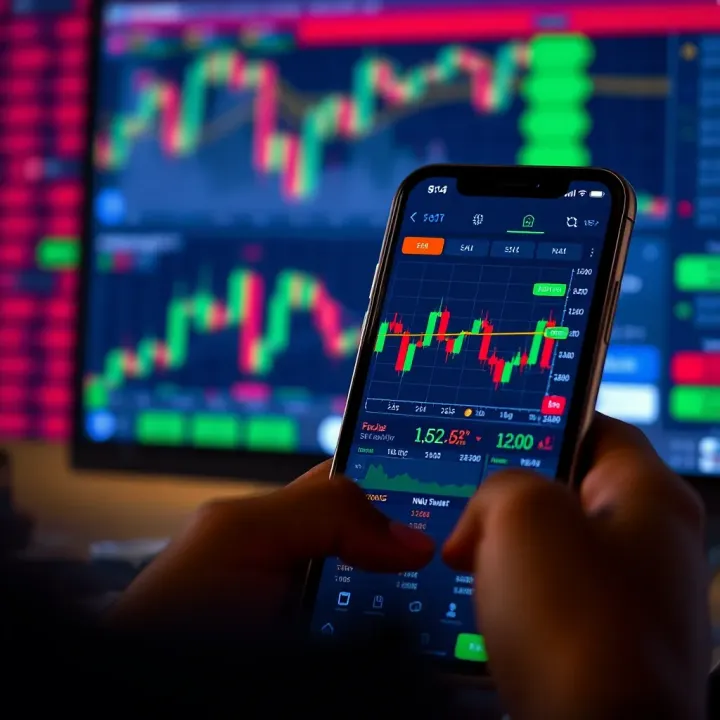
Explore top forex trading apps for Nigerians 📱. Learn key features, pros & cons, and tips to trade smartly while managing risks in volatile markets 💹.
💹 Explore forex trading designed for Nigerians! Learn key concepts, spot risks, and get practical tips to trade currencies confidently and smartly.
Based on 7 reviews