

Forex Trading Basics for Beginners in Nigeria
Learn forex trading basics 🌍, from market workings to risk tips, tailored for beginners in Nigeria eager to trade currency confidently 💹.
Edited By
Amelia Wright
Forex trading has gained serious attention in Nigeria, especially with the rise of digital platforms and mobile apps that make it easy for anyone with a smartphone to participate. But before you dive into this dynamic market, it's key to have a solid grasp of what forex trading entails and how it operates within our Nigerian context.
At its core, forex trading is the buying and selling of different currencies on the foreign exchange market. This market is the largest financial market globally, with daily trading volumes exceeding US$6 trillion. For Nigerians, it means you can trade pairs like USD/NGN, GBP/USD, or EUR/USD, depending on your strategy and market conditions.
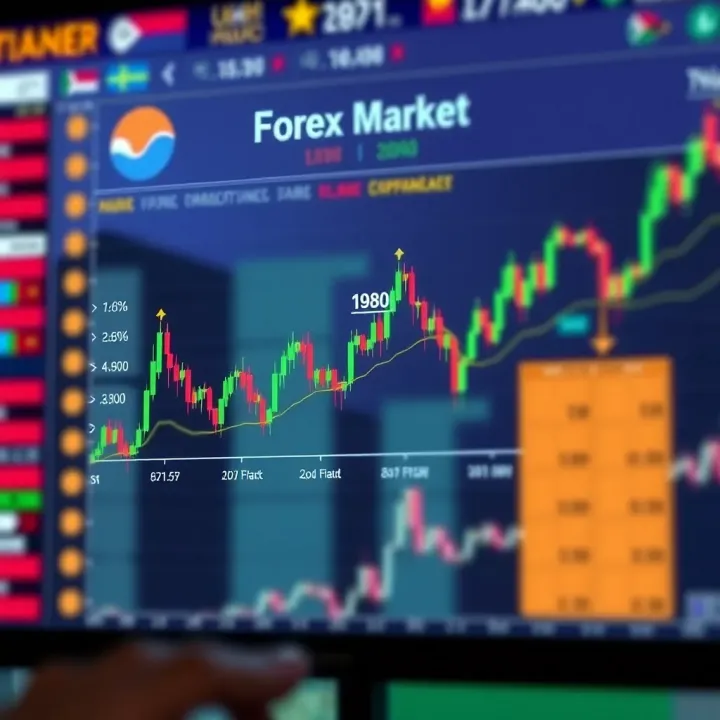
Understanding basic terminology is essential. 'Pips' refer to the smallest price movement in the forex market, usually the fourth decimal in currency pairs. 'Leverage' allows you to control bigger positions with a smaller amount of capital, but it increases risk. 'Spread' is the difference between the buy (ask) and sell (bid) price, often influenced by volatility and liquidity.
Beginners should start with a reliable forex broker licensed by regulatory bodies like the Nigerian Securities and Exchange Commission (SEC) or reputable international authorities that accept Nigerian clients. Platforms such as MetaTrader 4 or MetaTrader 5 are common choices and provide built-in tools for analysis.
Before risking real money, practising on demo accounts is prudent. It helps you familiarise yourself with charts, orders, and execution without financial loss. Also, understand market hours; for example, the London session has higher liquidity and volatility, affecting how price moves.
Starting forex trading without thorough preparation is like trying to navigate Lagos traffic without knowing the roads—you'll get stuck fast and waste your resources.
Here's a quick checklist for beginners:
Learn key forex terms and how they affect trades
Choose a trustworthy broker with local or international regulation
Use demo accounts to build experience
Understand and monitor currency pairs relevant to Nigerian traders
Study market hours to plan your trading sessions
Lastly, always consider the impact of Nigeria’s economic policies, naira volatility, and external factors like oil prices, which tend to influence currency behaviour heavily.
With this foundation, you’re better prepared to step into forex trading confidently and increase your chances of success while managing risks effectively.
Knowing the fundamentals of forex trading sets the foundation for any aspiring trader in Nigeria. Without a clear grasp of what forex trading involves and how the market functions, navigating the market can feel like driving through Lagos traffic blindfolded. Getting these basics right helps you avoid common pitfalls and lets you trade with better confidence.
Forex trading is the buying and selling of currencies on the foreign exchange market. Imagine you’re planning to buy US dollars (USD) with your Nigerian Naira (₦) because you think the dollar will gain value. When you sell back your dollars later for more naira, you make a profit. The forex market connects buyers and sellers for over 160 currencies worldwide, operating 24 hours a day, five days a week. Traders aim to capitalise on the frequent changes in exchange rates.
At its core, the forex market operates through currency pairs—two currencies traded against each other. For example, the USD/NGN pair shows how many naira one US dollar can buy. Prices here move based on supply and demand influenced by economic data, geopolitical events, and central bank decisions. Because Nigeria’s economy ties closely to oil prices and other external factors, events like global crude price shocks can affect the naira’s value. Trading happens mostly through electronic platforms provided by brokers, with no central physical location.
Certain currency pairs are more popular and liquid than others, making them easier and potentially less risky to trade. These include:
Major pairs: USD/EUR, USD/JPY, GBP/USD – these involve major global currencies.
Cross pairs: EUR/GBP, AUD/JPY – pairs not involving the USD directly.
Exotic pairs: USD/NGN, USD/ZAR – these include emerging market currencies like Nigeria's naira.
Focusing on pairs like USD/NGN gives Nigerian traders the edge of understanding local economic context, volatility, and market nuances. However, exotic pairs might have wider spreads and less liquidity than majors, increasing trading costs and risks.
Mastering these basics allows you to read the market more clearly, spot better trading opportunities, and understand how your choices fit into the bigger global financial picture.
Understanding these points will prepare you for deeper topics like trading strategies, risk management, and account setup, which are essential as you build your forex trading skills.
Understanding key terms in forex trading is essential for any beginner, especially in Nigeria where the market shows unique features and challenges. Knowing these terms will help you grasp how trades work, manage your money effectively, and make better decisions that can protect your investment.
A pip stands for "percentage in point" and represents the smallest price change in a currency pair. For instance, if the USD/NGN rate moves from 410.00 to 410.50, that’s a 50-pip move. Knowing pips helps you measure profits and losses clearly.
A lot refers to the size of your trade. Standard lots usually equal 100,000 units of the base currency, but many brokers offer mini or micro lots to make trading accessible without committing large sums. For a beginner in Nigeria, starting with micro lots helps limit risk.
Leverage is borrowed capital your broker offers to multiply your trading power. For example, a leverage ratio of 100:1 means you can control ₦100,000 with only ₦1,000. While leverage can boost gains, it also amplifies losses, so use it carefully. Nigerian traders often find brokers providing leverage up to 200:1, but this can quickly wipe out your fund if the market turns against you.
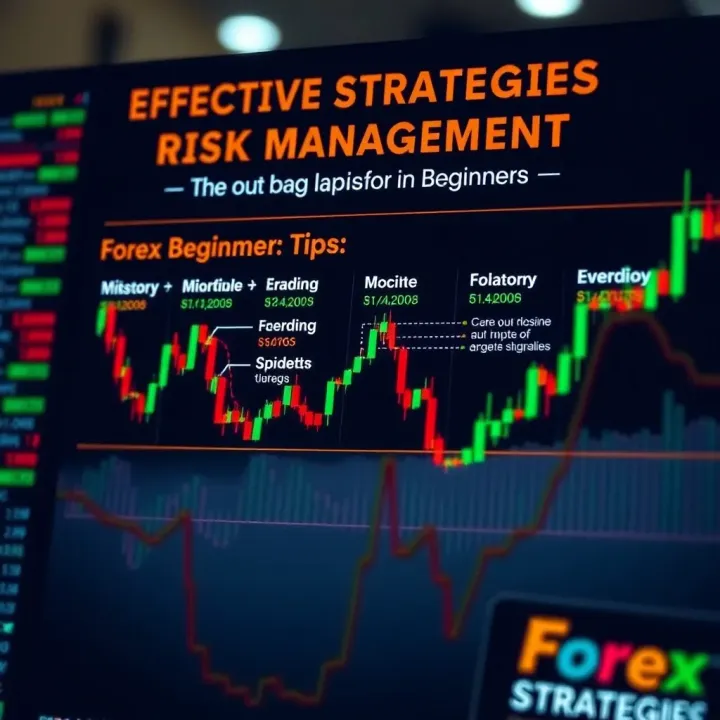
The bid price is what buyers are willing to pay, and the ask price is what sellers want. The difference between these two is called the spread. For example, if USD/NGN has a bid of 410.20 and an ask of 410.25, the spread is 0.05 Naira. A tighter spread means lower cost for entering and exiting trades, which benefits traders with smaller accounts.
Margin is the amount of money you need to open and maintain a leveraged position. Think of it as a security deposit. If your broker requires a 1% margin, you must have ₦1,000 to control a ₦100,000 position. Understanding margin protects you from margin calls and forced liquidation.
Currency prices shift due to multiple factors, often quite intertwined. Economic indicators like Nigeria’s inflation rate, interest rate changes from the Central Bank of Nigeria (CBN), and crude oil price fluctuations (a major export) impact the naira’s value.
Political stability and government policy changes also sway foreign exchange rates. For example, election periods or petrol subsidy removals often cause volatility in the FX market.
Furthermore, international events such as US Federal Reserve interest rate decisions or geopolitical tensions affect global currency trends and, by extension, the naira’s performance. For Nigerian traders, keeping up with both local and global news is crucial for making informed trades.
Getting familiar with these key terms and concepts arms you with the fundamentals to approach forex trading more confidently. It's not just jargon — these elements are the backbone of evaluating opportunities and risks in the market.
By mastering pips, lots, spreads, margin, and understanding price influencers, you build a strong base to trade wisely and reduce avoidable losses, especially in the volatile Nigerian financial landscape.
Starting forex trading in Nigeria involves more than just opening an account; it requires careful choices that can shape your success. This section breaks down three key steps: selecting a reliable broker, setting up a trading account, and practicing with demo accounts. These are practical steps that ensure you build a strong foundation before you invest real money.
Picking the right broker is critical because they serve as your gateway to the forex market. Nigerian traders should seek brokers that are regulated by respected bodies, such as the Securities and Exchange Commission (SEC) Nigeria or international regulators like the FCA. This regulation assures you of fair practices and security of your funds.
Besides regulation, look at the broker's trading conditions: does it offer competitive spreads? What about leverage limits? For instance, a broker offering up to 1:100 leverage allows you to control larger positions with less capital, but this also means higher risk. Also, verify the deposit and withdrawal options. Brokers that support local payment methods such as Paystack or Flutterwave make fund transfers easier.
A practical example is a Nigerian trader choosing between two brokers: one with generous leverage but poor customer support, and another with modest leverage but 24/7 responsive service. The latter often proves better for beginners who need guidance.
Once you select a broker, setting up your trading account is the next step. Nigerian traders must provide identification documents like a valid National Identification Number (NIN), utility bills for address verification, and often a Bank Verification Number (BVN) for added security.
The process typically involves completing an online registration form, submitting the required documents, and waiting for account verification. Account types vary—standard accounts suit most beginners, while mini or micro accounts allow trading smaller amounts. For example, with a mini account, you can start trading with as low as ₦10,000, which is sensible for learning without risking big funds.
Before jumping into real money trading, using a demo account is highly advisable. Demo accounts simulate live market conditions without risking actual funds, helping beginners familiarise themselves with the trading platform and test strategies.
Nigerian traders can open demo accounts easily with brokers like FXTM or HotForex. These accounts provide fake funds, usually around $10,000 equivalent, allowing you to try out different currency pairs and execute trades just like in a real environment.
Practising on demo accounts enables you to build confidence and understand market moves, especially in volatile periods like the ‘ember months’ when currency values often fluctuate unexpectedly.
Starting well with the right broker and using demo practice can prevent costly mistakes that many beginners face. Take your time in these early steps to build experience on a solid footing.
In summary, getting started with forex trading in Nigeria means careful broker selection, proper account setup, and disciplined practice through demo trading. These steps help beginners manage risk and prepare adequately for the actual market challenges ahead.
Trading strategies help beginners make informed decisions instead of relying on guesswork. In forex trading, a solid strategy reduces risks and improves chances of profit. For Nigerian beginners, understanding strategies equips you to navigate market fluctuations shaped by global events and local economic factors such as naira volatility or CBN interest rate changes.
Fundamental analysis focuses on economic indicators, political events, and central bank policies that influence currency values. For example, if the Central Bank of Nigeria (CBN) adjusts monetary policy, this can cause the naira to strengthen or weaken. Keeping an eye on reports like GDP growth, inflation rates, and oil price shifts helps you anticipate currency moves. Technical analysis, on the other hand, studies historical price charts and patterns. Using tools such as candlestick charts or moving averages, traders predict future movements based on past data. Both methods complement each other; fundamental insights provide the ‘why’ behind price changes, while technical analysis shows the ‘when’ to act.
Beginners should start with straightforward approaches, avoiding complex setups that cause confusion. One method is the 'trend following' strategy—buy when prices show an upward trend and sell during a downtrend. For instance, if the USD/NGN currency pair consistently moves higher over days, entering a buy position aligns with this trend. Another simple technique is 'support and resistance' trading, where you identify price levels that consistently stop or reverse currency movement. When the price hits these points, you either enter or exit trades anticipating a bounce or reversal. Such clear signals help avoid emotional trading, which often leads to losses.
Many platforms used in Nigeria, like MetaTrader 4 or local brokers' platforms, offer indicators that simplify decision-making. Commonly used tools include:
Moving Averages: Smooth out price data to identify the overall direction.
Relative Strength Index (RSI): Shows if a currency is overbought or oversold.
Bollinger Bands: Indicate volatility and potential price breakouts.
For example, if RSI indicates oversold conditions on EUR/USD, you might consider a buy position anticipating a price bounce. However, no single indicator guarantees success. Combining multiple tools with solid analysis boosts confidence and reduces risk. Always test your chosen indicators first in demo accounts before full use.
Starting with clear and practical strategies helps you master forex trading steadily. Experience plus well-chosen tools improve your ability to respond to market changes and protect your investment.
Having a defined plan keeps your trading consistent and reduces chances of costly mistakes. For Nigerian traders, combining fundamental views about the economy with straightforward technical methods will provide the best way forward as you build your forex skills.
Risk management is the backbone of successful forex trading, especially for beginners navigating the volatility of currency markets. Without a clear strategy to manage losses, even the most promising trades can drain your capital quickly. Protecting your investment means controlling how much you expose in each trade and setting boundaries to avoid emotional decision-making.
Stop-loss and take-profit levels are essential tools that help limit losses and secure profits automatically. Setting a stop-loss means you decide beforehand the maximum amount you're willing to lose in a trade. For example, if you buy USD/NGN at ₦450 and set a stop-loss at ₦440, your position closes automatically if the price drops to ₦440, preventing further losses. Similarly, take-profit locks in gains by closing a position once a target price is reached. This approach is especially helpful during volatile periods, like the ember months when currency swings can be sharp. Remember, these levels prevent the temptation to hold losing trades too long or exit winning trades prematurely.
Trading psychology shapes your ability to stick to your plan under pressure. Fear and greed often lead to rash decisions, such as overtrading or abandoning stop-loss limits. Nigerian traders, in particular, should guard against the urge to 'chase' losses after a bad run or let emotions drive entry and exit points. Develop discipline by keeping a trading journal that records your decisions and emotions during each trade. Over time, this builds awareness of your habits and helps strengthen mental resilience, a must-have skill where the naira can be unpredictable.
Several errors commonly trip up new traders. First, never risk more than 2% of your trading capital on a single trade; overexposure quickly depletes your funds. Avoid trading based solely on tips or social media ‘gists’—instead, rely on sound analysis. Be wary of using excessive leverage; while it can boost profits, it multiplies losses equally. Beginners often skip demo accounts and jump straight into live trading, which can lead to costly frustration. Lastly, regularly review your strategy instead of sticking blindly to one method. Being flexible and learning from mistakes helps protect your investment over the long run.
Managing risk isn't about avoiding losses entirely but controlling how much you lose so you stay in the game longer.
In sum, protecting your investment through stop-loss orders, mastering your trading psychology, and steering clear of beginner pitfalls provides a solid foundation for growing your forex trading skills confidently within the Nigerian market.
Navigating forex trading in Nigeria requires more than understanding market basics; you need reliable resources and practical tips tailored to the local environment. This section sheds light on key considerations like choosing trusted platforms, grasping regulatory safeguards, and efficiently handling funds through Nigerian fintech. These elements build a solid foundation for safer and smoother forex trading.
Choosing the right trading platform is essential. Many platforms claim to offer forex services, but not all meet standards for security, ease of use, and local support. Platforms like FXTM, Pepperstone, and IG Markets have gained favor among Nigerian traders because they support NGN deposits, offer access to major currency pairs, and provide responsive customer service. Always verify if the platform offers MT4 or MT5 support, as these are widely accepted for their functionality.
Look out for platforms that allow easy funding through Nigerian banks or popular fintech services. A platform with transparent fee structures and demonstrable user reviews from Nigerians is preferable. Mobile app availability is another critical factor, as many Nigerian traders rely on smartphones due to unstable power and internet conditions.
Forex trading in Nigeria operates in a grey zone with no dedicated regulator overseeing retail forex brokers directly. However, the Securities and Exchange Commission (SEC) Nigeria oversees investment instruments, while the Central Bank of Nigeria (CBN) regulates currency and banking operations. Always check if your chosen broker holds licences from respected global regulators like the FCA (UK) or CySEC (Cyprus), which generally imply better security and dispute resolution.
Use only brokers that implement client fund segregation and provide negative balance protection. These safety nets protect your deposit if the market moves sharply against your position or if the broker faces insolvency. Avoid platforms promising guaranteed profits or those without clear terms and disclaimers.
Always keep your personal information secure, and avoid sharing your trading credentials or BVN with unverified parties to prevent fraud.
Efficient deposit and withdrawal options can make or break your trading experience. Nigerian fintech platforms like Paystack, Flutterwave, OPay, and PalmPay have integrated forex deposit services, connecting traders to brokers quickly and safely. Using these fintech services reduces transaction delays and hidden charges common with traditional bank transfers.
Additionally, some brokers accept funds directly from Nigerian bank accounts via USSD or mobile banking apps, making it convenient for traders without international credit cards. Always confirm the withdrawal process, estimated timelines, and if there are any limits or fees involved.
Before funding your trading account, ensure your bank or fintech service is on the broker’s approved list to avoid transaction failures. Also, keep an eye on CBN’s foreign exchange policies, as periodic restrictions can affect how easily you convert or move funds outwards.
In summary, reliable trading platforms, awareness of Nigeria’s regulatory landscape, and smart use of fintech services combine to enhance your forex trading journey. Considering these practical aspects helps prevent common pitfalls while ensuring your naira works well on the global forex stage.
Learn forex trading basics 🌍, from market workings to risk tips, tailored for beginners in Nigeria eager to trade currency confidently 💹.
📈 New to forex trading in Nigeria? Learn key terms, strategies, steps, and risk management tips to trade the forex market smartly and confidently! 💡

Looking to start trading in Nigeria? 📈 Discover how to pick the best beginner-friendly trading app with top features, popular platforms, and safety tips.

📊 Discover how to pick the best Forex trading indicators, understand their strengths and limits, and combine them for better market analysis and smarter trades.
Based on 7 reviews