

Benefits of Forex Trading for Nigerian Investors
Forex trading offers Nigerian investors flexibility, high liquidity, profit potential, plus valuable market knowledge to enhance investment strategies 📈💹💰
Edited By
Henry Adams
Cryptocurrency trading has gained serious traction among Nigerian investors in recent years. With the naira's volatility and inflation concerns, many see crypto as a chance to grow wealth beyond traditional banks or fixed deposits. But getting into crypto trading without understanding the mechanics can be risky, especially as the market never sleeps and prices can swing wildly.
At its core, crypto trading involves buying and selling digital currencies like Bitcoin, Ethereum, or local favourites such as Binance Coin. You aim to buy low and sell high, profiting from price differences. Unlike the stock market that operates during set hours, crypto markets run 24/7, which means decisions often need quick thinking and continuous monitoring.

Trading crypto in Nigeria usually starts with registering on a reputable exchange like Binance, Luno, or Quidax. These platforms allow you to fund your account with naira, convert it into cryptocurrencies, then trade. Before handing over your cash, verify the exchange’s security protocols since scams and hacks remain real threats.
There are several trading styles to consider. Day trading involves buying and selling multiple times within a single day to catch frequent price moves. Swing trading holds assets for several days or weeks, banking on medium-term trends. Long-term investing means keeping crypto for months or years, hoping for significant appreciation. Each style demands a different level of time commitment and risk tolerance.
Risk management is crucial—never invest more than you can afford to lose. Nigerian traders often face additional challenges like unreliable power or internet. Using a laptop with a good battery life or mobile app notifications helps you stay on top of trades. Plus, keeping some funds in stablecoins like USDT can shield you from naira depreciation while giving flexibility to buy dips.
Crypto trading isn't a get-rich-quick scheme; it requires discipline, research, and careful money management to avoid losses.
Understanding how trading works lays the foundation for success. Next, you’ll learn about the types of crypto trades, practical steps to start, and how Nigerian regulations affect your activity. This guide aims to equip you with practical knowledge to navigate the crypto space confidently and safely.
Grasping the basics of cryptocurrency trading is key for anyone looking to invest in Nigeria’s growing crypto space. It helps you avoid costly mistakes and makes decision-making clearer in a market that can be volatile and unfamiliar. Without understanding what cryptocurrency really is or how its market works, you might fall into traps or miss profitable chances.
Cryptocurrency is digital money built on computer networks using cryptography for security. Unlike traditional currencies like the Nigerian Naira, it doesn’t have a physical form or backing by a central authority such as the Central Bank of Nigeria (CBN). For example, Bitcoin or Ethereum operates on blockchain technology, which means transactions get verified by many participants rather than one central bank.
This means crypto can be sent directly from person to person, reducing the time and cost often associated with banks or remittance providers. However, its value can fluctuate widely, unlike the Naira which, although not stable, is managed by government policy. Many Nigerians use cryptocurrency not only for trading but also to protect against naira depreciation or to make international payments faster.
At the core of cryptocurrencies is blockchain, a public ledger recording all transactions securely and transparently. Unlike traditional banks, blockchain is decentralised; no single entity controls all data. This decentralisation defends against fraud and system failures. Practically, this means even if one node or server fails, the entire network keeps running smoothly. For Nigerian traders, this reduces reliance on banks that might impose restrictions or slow down cross-border payments.
Cryptocurrency trades take place mainly on specialised platforms called exchanges. These include established global names like Binance or Coinbase, as well as local Nigerian platforms such as BuyCoins or Bundle Africa. Exchanges match buyers and sellers to facilitate trading, and they provide wallets where you can store your cryptocurrencies temporarily.
Choosing the right exchange depends on factors like security, trading fees, ease of funding with naira, and liquidity—the ability to buy or sell quickly without huge price changes. For instance, using an exchange that accepts bank transfers or USSD payments makes entering the crypto market easier for Nigerian investors.
Cryptocurrency prices change based on supply and demand, much like stocks or commodities. If more people want to buy Bitcoin than sell, its price rises, and vice versa. Liquidity matters here: a liquid market means you can buy or sell your crypto quickly without affecting the price too much.
In Nigeria, liquidity might be lower for less popular cryptocurrencies, causing prices to shift unpredictably. For example, while Bitcoin or Ethereum have high liquidity, some smaller altcoins may experience large price swings if traded in small volumes. Understanding this helps traders avoid buying crypto that might be harder to sell later.
Knowing these basics prepares you to navigate the crypto market with confidence and spot opportunities or risks specific to Nigeria’s environment.

Understanding different types of crypto trading is essential for Nigerian investors because it helps tailor strategies to personal goals, risk appetite, and market conditions. Not all trading methods suit every investor, so knowing your options means you can pick a style that matches your lifestyle and financial capacity. For instance, some traders prefer quick gains within hours or days, while others take a patient approach, holding assets for months or even years.
Spot trading involves buying and selling cryptocurrency instantly at the current market price. This method is straightforward and allows you to own the actual crypto tokens. Picture a classic market scene: you pay ₦200,000 today and receive that exact amount in Bitcoin, which you can hold in your wallet or sell whenever you wish. Spot trading suits beginners and those who want to avoid borrowing risks.
Margin trading, on the other hand, lets you trade using borrowed funds, amplifying your buying power. Suppose you have ₦50,000 but want to trade ₦250,000 worth of Ethereum; margin trading allows this by borrowing the extra ₦200,000 from the exchange. While this magnifies profits when the market moves in your favour, losses can hit hard — sometimes exceeding your initial deposit, especially during volatile swings common in crypto markets. Margin trading requires a solid understanding of risk management and is often best for experienced traders.
Day trading means buying and selling cryptocurrencies within the same day, usually several times, to profit from small price changes. This demands constant market monitoring and quick decision-making. For example, a day trader might buy Bitcoin during a morning dip and sell by afternoon when prices rise, aiming to make a few thousand naira per trade.
Swing trading holds assets for days or weeks, capitalising on expected trends or price swings. A swing trader might spot a bullish trend in a token like Cardano (ADA) and hold for two weeks before taking profit, balancing time commitment with potential gains.
Long-term holding, often called "HODLing,” means keeping cryptocurrency for months or years, hoping the price appreciates significantly. Many Nigerian investors choose this method for tokens like Bitcoin or Binance Coin, seeing them as digital gold or store of value. This approach requires patience but shields you from daily market noise and trading fees.
Choosing the right trading type depends largely on your time availability, risk tolerance, and financial goals. Each has its place in a well-rounded investment plan.
By grasping these core types, Nigerian investors can make informed choices on how to approach crypto trading, improving chances of success amid the market’s ups and downs.
Starting crypto trading in Nigeria requires practical steps tailored to the local financial environment. Setting up wallets and accounts on trusted platforms forms the foundation. Beyond that, using familiar payment methods like USSD codes and bank transfers makes converting naira to cryptocurrencies easier for Nigerian traders.
Hot wallets and cold wallets serve different needs in cryptocurrency trading. Hot wallets connect to the internet, enabling quick access and faster trades. They are convenient for day-to-day transactions but carry higher security risks. For example, mobile wallets linked to popular exchanges like Binance or Luno allow users to trade swiftly but must be protected with strong passwords and two-factor authentication.
Cold wallets, on the other hand, store cryptocurrencies offline, making them safer against hacking attempts. Nigerian investors who plan to hold crypto long-term might opt for hardware wallets like Ledger or Trezor, keeping their assets secure even during power fluctuations or network disruptions common in parts of Nigeria.
Choosing a reliable crypto exchange is critical for safety and smooth trading. Factors such as regulatory compliance, user reviews, transaction fees, and customer support matter a lot. Nigerian investors often prefer exchanges that accept naira directly and support local payment methods. Platforms like Binance, Quidax, and Bundle Africa have adapted services specifically to Nigeria’s market needs, helping users avoid complications linked to foreign currency conversions.
Naira to crypto transactions remain a key hurdle for many Nigerians due to restrictions and currency volatility. Trusted exchanges offer direct naira deposits, transforming your cash into crypto efficiently. For example, Quidax allows users to fund their wallets instantly using naira, which can then be traded immediately, helping traders respond to fast market movements.
In Nigeria, USSD and bank transfers are widespread and trusted payment methods. Most crypto exchanges and wallet services integrate these options for funding accounts. USSD codes provide a convenient way to make small deposits even without internet access, appealing to those in rural areas or with limited data plans. Bank transfers, through channels like GTBank, Access Bank, or First Bank, are standard for larger amounts, offering traceable and secure funding.
Nigerian crypto traders should always verify payment procedures and transaction limits on their chosen exchanges to avoid delays or loss of funds.
By focusing on trusted wallets, verified exchanges, and reliable funding methods, Nigerian investors can confidently start their crypto trading journey with better control and security.
Crypto trading in Nigeria carries promising opportunities but also significant risks because of market volatility and security challenges. Managing these risks is essential to protect your capital and make smarter decisions. This section highlights the main dangers traders face and offers practical steps to avoid common mistakes.
Cryptocurrency markets are famously volatile. Prices can swing sharply within hours or even minutes, driven by news, regulatory announcements, or sudden shifts in trader sentiment. For Nigerian investors, who may already battle naira instability and tight budgets, this volatility means gains and losses can both happen fast.
For example, Bitcoin’s price can fluctuate by several percentage points in a single day. If you buy at the peak without a clear plan, you might face steep losses. That’s why it’s vital to avoid trading based on emotion or hearsay. Set stop-loss orders to automatically sell if prices fall below a level you decide. Use realistic profit targets instead of chasing constant upward moves.
Also, control the amount you invest. Never risk money you cannot afford to lose, especially given Nigerian economic uncertainties like inflation and forex scarcity. Being cautious and consistent helps you stay afloat during wild market swings.
Scams have become widespread in Nigerian crypto circles. Fraudsters may pose as investment platforms, offering unrealistic returns or guaranteeing profits. Beware of schemes promising ₦50,000 daily returns with no risk — if it sounds too good to be true, it usually is.
Phishing attacks are also common. These involve fake websites or apps mimicking legitimate exchanges or wallets to steal your login information. Always check URLs carefully and avoid clicking suspicious links from emails or social media.
Watch out for pump-and-dump groups that hype little-known tokens on WhatsApp or Telegram, only to crash prices after insiders sell off. Never invest in projects without proper research and credible backing.
Your crypto wallet’s security depends on safeguarding your private keys, the secret codes that prove ownership. If someone accesses your private keys, they can empty your wallet without warning.
Use hardware wallets or cold storage wallets when possible, especially for large holdings. These keep your keys offline, away from hackers. If you use hot wallets connected to the internet, enable two-factor authentication (2FA) and change passwords regularly.
Never share your private keys or backup phrases with anyone, no matter how convincing they sound. Avoid storing keys in email, cloud storage, or plain text notes on your phone. In Nigeria’s sometimes unpredictable power and internet environment, ensure you regularly back up wallet data securely to prevent losing access during outages.
Managing risk isn’t just about avoiding losses; it’s about making trading sustainable over the long term. With patience, research, and good security habits, you can navigate crypto markets more safely.
By understanding volatility and practicing strong security measures, Nigerian investors reduce their chances of falling prey to common pitfalls. These steps build a solid foundation, helping you benefit sustainably from crypto trading rather than suffering from preventable mistakes.
Navigating the regulatory landscape is key for Nigerian crypto traders to operate safely and avoid legal troubles. Understanding the rules around cryptocurrency helps you know what activities are allowed, how your transactions are viewed by authorities, and what kind of protections you have. This also influences the platforms and payment methods you can use. For instance, a trader unsure about the Central Bank of Nigeria's (CBN) stance may end up using an exchange service that suddenly becomes restricted, resulting in frozen funds or delays.
CBN has kept a cautious stance towards cryptocurrency. Since February 2021, it issued a circular restricting banks and financial institutions from facilitating crypto transactions. This means Nigerian banks cannot directly process deposits, withdrawals, or settlements related to crypto exchanges, complicating direct on/off ramps between naira and digital assets.
However, this does not make trading illegal; crypto remains permissible as an asset class. It simply means you must use peer-to-peer (P2P) platforms or third-party payment methods to fund your trading accounts. Many Nigerians rely on P2P services where buyers and sellers agree on terms outside the banking system, using USSD codes, mobile money, or informal bank transfer channels. Traders must exercise caution here to avoid scams.
In practice, the CBN's policy impacts liquidity and convenience but hasn't killed interest in crypto trading, as Nigerians keep adapting. Staying updated with CBN announcements and the Securities and Exchange Commission (SEC) guidelines is vital because regulatory directions may change.
Cryptocurrency profits must be declared for tax purposes in Nigeria. The Federal Inland Revenue Service (FIRS) treats gains from crypto trading like capital gains or income, depending on frequency and volume. Traders who buy and sell cryptos for profit should keep thorough records of all transactions — including dates, amounts in naira, exchange rates, and counterparties.
Failing to report crypto earnings could lead to penalties or scrutiny during tax audits. Nigerian tax professionals recommend that crypto investors register their transactions, especially since P2P platforms increasingly require Know Your Customer (KYC) and identity verification.
Taxpayers should also consider Value Added Tax (VAT) where applicable and watch for new regulations that might specifically target digital assets. Practical steps include maintaining spreadsheets or using accounting software tailored to crypto traders. This approach not only supports compliance but can also help assess profitability and guide future investments.
Staying informed on regulatory developments and tax obligations will help you trade crypto with confidence and avoid surprises that could eat into your profits.
In short, legal considerations for Nigerian crypto traders hinge on understanding CBN’s restricted banking rules and fulfilling tax responsibilities promptly. These critical points ensure your crypto activities stay within Nigeria's financial system rules, protecting your investments and reputation.
Forex trading offers Nigerian investors flexibility, high liquidity, profit potential, plus valuable market knowledge to enhance investment strategies 📈💹💰

Looking to start trading in Nigeria? 📈 Discover how to pick the best beginner-friendly trading app with top features, popular platforms, and safety tips.
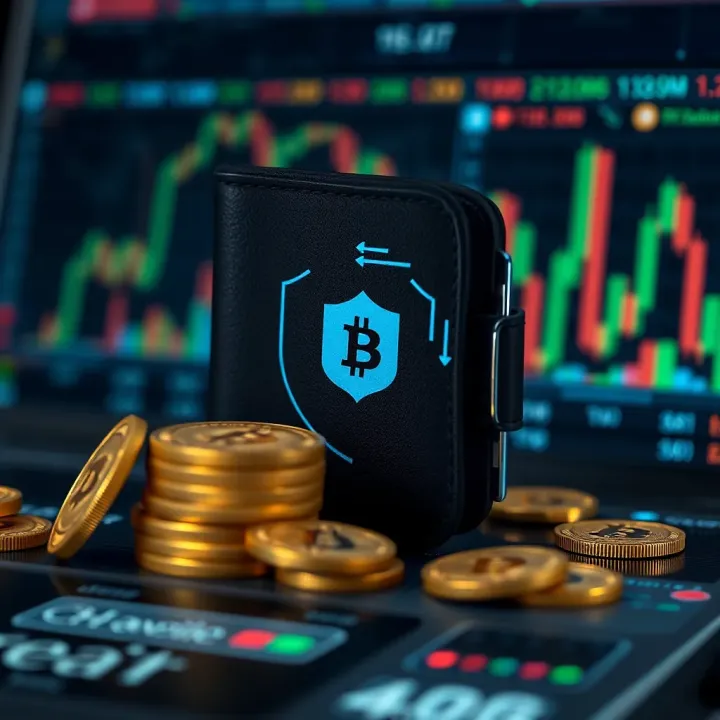
Explore top crypto trading platforms in Nigeria 🇳🇬. Learn about security, fees, user experience, and regulations to trade safely and smartly! 💹

🔍 Find the best crypto trading platforms in Nigeria! Explore fees, security, ease of use, local payment options, and regulations to trade smartly. ₦💰
Based on 12 reviews