

Practical Benefits of Risk Management in Life and Business
Discover how risk management shields assets, boosts decision-making, ensures legal compliance, builds trust, and drives steady growth in business and life 📈🔒
Edited By
Isabella Foster
Before Nigerian businesses or public institutions can manage risk effectively, they must first recognise it. Identifying risks isn’t just ticking boxes; it lays the groundwork for every step that follows in the risk management process. Without a proper start, organisations end up reacting to problems instead of preventing them.
Risk identification means spotting anything that could disrupt business operations, investments, or public services. This ranges from external factors like inflation spikes, naira volatility, or unstable power supply, to internal issues such as lapses in compliance or system failures. For instance, a Lagos-based fintech might identify risks around sudden regulatory changes by the Central Bank of Nigeria (CBN), payment frauds, and downtime caused by poor network connectivity.

Setting clear objectives comes right after identifying potential risks. These objectives specify what the organisation wants to protect — be it people, assets, reputation, or revenue streams. Suppose a company’s goal is to ensure uninterrupted online transactions; their risk identification phase will focus strongly on IT security, fraud detection, and transaction volumes.
Organisations can adopt various methods to discover risks early:
Brainstorming sessions: Gather cross-departmental teams to list possible risks based on experience and current market realities.
SWOT analysis: Examine strengths, weaknesses, opportunities, and threats to reveal areas of vulnerability.
Historical data review: Study past incidents to understand common pitfalls and emerging trends.
Stakeholder consultations: Talk to customers, suppliers, and regulatory bodies for outside perspectives.
Getting your team involved adds different viewpoints, which helps avoid blind spots in recognising risks.
For Nigerian public sector bodies, formal procedures like risk registers ensure risks are documented and monitored. Private firms can use tools like risk mapping software or dashboards tailored for local needs, helping them track and prioritise issues.
The key takeaway is that risk identification isn’t a one-off exercise. Especially in Nigeria’s dynamic market, risks shift often with policy changes, economic cycles, or social factors like the ember months. Regular review during this initial phase keeps organisations alert and ready to respond.
In sum, the risk management process begins by clearly understanding what could go wrong and defining what matters most to protect. This foundation then supports more accurate risk analysis, treatment, and monitoring further down the line.
Clarifying why an organisation begins its risk management process sets a solid foundation for effective decision-making. It helps avoid wasting resources on irrelevant risks and focuses attention on critical threats that could disrupt the business. Nigerian firms, for example, can face common challenges like sudden naira depreciation or power outages; understanding the purpose behind risk management ensures these issues get immediate attention.
At the core, risk management aims to prevent financial losses and safeguard key assets. In Nigeria's commercial landscape, where generator fuel costs and frequent transport delays can escalate operational expenses, identifying such risks early avoids hefty unexpected bills. For instance, a manufacturing company that anticipates supply chain disruptions due to road closures during ember months can prepare alternative routes or stockpile materials.
Risk management also guarantees operations keep running despite uncertainties. Businesses without backup plans for irregular electricity or inflation shocks risk sudden production halts or service breakdowns, affecting revenue streams. By having clear risk mitigation steps, such as investing in solar power or fixed-price supplier contracts, firms can maintain consistency and customer trust.
Many Nigerian sectors are governed by stringent regulations from bodies like the Securities and Exchange Commission (SEC) or the Nigerian Communications Commission (NCC). Beginning risk management helps organisations stay on the right side of laws by preemptively addressing compliance issues. For example, a fintech company that aligns its risk framework with Central Bank of Nigeria (CBN) guidelines can avoid costly fines and license revocations.
Risk management should reflect a company's strategic goals. Without this alignment, resources might be wasted safeguarding low-priority areas. Take a startup aiming to penetrate Lagos's ride-hailing market; its risks are different from a bank focused on stable asset growth. Knowing these strategic aims guides the focus towards meaningful threats.
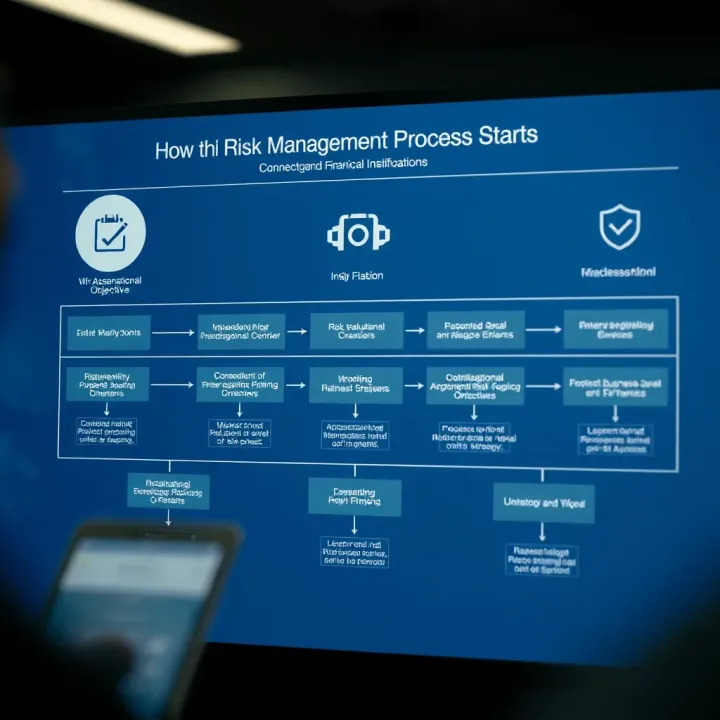
Integrating risk into business planning ensures decisions factor in potential pitfalls. This way, budgeting, marketing, and expansion plans remain realistic and adaptable. When a retailer anticipates supply chain uncertainty due to foreign exchange volatility, incorporating risk helps set pricing and inventory levels that protect margins.
Starting risk management with clear purpose ties every effort to real business needs, securing assets, continuity, and compliance while supporting broader organisational aims.
By focusing on practical benefits relevant to Nigerian business realities, clarifying why risk management begins helps firms build solid, effective systems rather than ticking merely procedural boxes.
Identifying risks marks the foundation of effective risk management. Before you can contain or mitigate risks, you must first recognise what could go wrong. This step is especially vital for Nigerian businesses and institutions navigating a complex environment where economic shifts or operational hiccups can quickly translate into losses. Pinpointing risks early helps organisations prioritise their attention and resources where it matters most.
Defining threats and vulnerabilities involves recognising any factor that could cause harm or disruption. Threats are external events or conditions that may negatively impact the organisation, such as political instability or market crashes. Vulnerabilities are internal weaknesses that expose the organisation, like outdated IT systems or poor cash flow management. Understanding both is crucial because a threat is only as dangerous as the vulnerability it exploits. For example, a sudden fuel shortage (threat) hits a delivery company more if its fleet lacks alternative transport arrangements (vulnerability).
Distinguishing internal and external risks means separating risks originating within the organisation from those outside it. Internal risks might include staff strikes, process failures, or fraud, while external risks cover economic downturns, regulatory changes, or social unrest. Nigerian firms often face external risks like fluctuating oil prices or regulatory shifts from the Central Bank of Nigeria, but internal risks like poor record-keeping can worsen their effect. Identifying which category a risk falls into guides how to manage it effectively.
Nigeria’s economic volatility and exchange rate fluctuations are a frequent risk cause. Businesses relying on imports or foreign investors can suffer when the naira weakens against the dollar. For instance, a manufacturer importing raw materials faces cost increases that erode profit margins if exchange rates suddenly shift.
Power supply challenges are a daily headache. Frequent outages mean many companies spend heavily on generators and fuel, which can swell operational costs surprisingly fast. A typical small business might spend ₦30,000 weekly just on generator fuel, significantly affecting cash flow.
Operational hazards such as transport delays and theft also pose serious risks. In Lagos, traffic jams or road closures can delay deliveries, affecting service levels and customer satisfaction. Theft remains common in logistics, especially when goods pass through less secure routes in rural areas. These recurring issues demand vigilant risk identification to prevent expensive disruptions.
One effective way is brainstorming sessions with cross-functional teams. When departments like finance, operations, and sales come together, they bring different views on what risks lurk around the corner. For example, the sales team might spot reputational risks from unhappy customers that finance would overlook.
Reviewing past incident reports and audits helps organisations learn from history. Records of previous losses, customer complaints, or regulatory fines provide clues about persistent vulnerabilities. For Nigerian banks, past incidents of fraud or data breaches serve as reminders of where controls need tightening.
Consulting industry experts and stakeholders adds an outside perspective grounded in current realities. Experts can highlight emerging risks like changes in regulatory policies by the Nigerian Communications Commission (NCC) or evolving market trends. Engaging stakeholders such as suppliers and clients also surfaces risks tied to supply chain disruptions or contract issues.
Early identification of risks allows Nigerian businesses and institutions to be proactive rather than reactive, positioning them better to safeguard assets and build resilience against uncertainties.
Identifying risks as the first step isn’t just theoretical—it’s practical, requiring deliberate effort across teams and using multiple approaches to capture all angles of potential threats. This groundwork makes future risk assessment and treatment more focused and effective.
Clear objectives underpin effective risk assessment. When a business or institution knows exactly what it needs to protect and the level of risk it can tolerate, it navigates uncertainties more confidently. These objectives help to focus resources on the most pressing threats, reducing waste and preventing oversight.
Identifying key assets is the starting point. In a Nigerian bank, for example, critical assets will include customer data, physical cash reserves, and digital infrastructure. Understanding why these assets matter means recognising their role in business continuity and reputation. Losing customer data to hackers could derail trust and invite regulatory scrutiny, while downtime from IT failures may disrupt transactions, costing millions.
Prioritising risks based on organisational impact follows naturally. Not all risks hold equal weight. For instance, while power supply interruptions are common, a prolonged outage that halts operations demands higher attention than short, easily managed dips. Impact assessment considers factors like financial loss, legal consequences, and brand damage, ensuring the most harmful risks receive urgent mitigation.
Determining acceptable risk thresholds means setting bounds on what risks are bearable without severe consequences. For a manufacturing firm in Lagos, tolerating delays from supply chain disruptions might be acceptable up to three days; beyond that, production halts could cause losses exceeding ₦10 million, urging immediate action. These thresholds guide decision-making on investments in risk controls.
Balancing risk appetite with business objectives requires careful judgement. A fintech startup might tolerate higher cybersecurity risks initially to avoid costly infrastructure investments, betting on rapid growth. Conversely, an established bank will prioritise stringent security to protect customer funds, aligning risk tolerance with its reputation and regulatory demands. This balance ensures risk management supports rather than hinders overall goals.
Setting clear objectives for risk assessment is not just a box-ticking exercise; it shapes the entire risk management approach and safeguards what matters most to your organisation.
By focusing on what to protect and establishing how much risk is acceptable, Nigerian businesses can build stronger, more resilient operations that withstand shocks and adapt to changing environments.
Gathering and organising risk information sets the groundwork for effective risk management. Without accurate and well-arranged data, identifying, analysing, and addressing risks becomes guesswork rather than informed strategy. For Nigerian businesses or public institutions, this step ensures that decisions rest on concrete facts drawn from diverse relevant sources, making risk responses more targeted and practical.
Internal records and performance metrics offer the first pulse check on an organisation’s health. For instance, a business tracking sales drops over consecutive quarters can spot financial risks early. Similarly, operational metrics like delivery times, inventory levels, or equipment downtime provide clues to vulnerabilities. Recording how often generators fail during power outages or how many danfo delays affect supply chains can help prioritise responses.
Market trends and competitor analysis add an external lens. Nigerian firms operate in a dynamic economy where naira exchange rates shift and new competitors or regulations emerge fast. Monitoring market demand changes or studying competitor strategies can reveal risks linked to demand erosion or market share loss. For example, a retailer tracking the growth of e-commerce platforms like Jumia Nigeria prepares better for shifting consumer habits than one relying on past patterns alone.
Government policies and economic indicators influence risks at macro-levels. Changes in interest rates, tax regulations by the FIRS, or fuel subsidies withdrawal impact operational costs and profitability. Staying updated on policies from agencies like the Central Bank of Nigeria (CBN) or the Nigerian National Petroleum Company Limited (NNPCL) helps companies anticipate cost increases or compliance risks. Moreover, economic data—like inflation rates or unemployment figures—signal broader business environment health, guiding strategy adjustments.
Recording identified risks systematically involves formally documenting each risk with key details such as description, source, likelihood, and impact. This register serves as a single reference point to avoid missing hidden threats. For instance, a tech startup in Lagos might include risks like cyber threats, power instability, and regulatory changes, each clearly outlined, instead of relying on vague memories or emails scattered across departments.
Tracking risk status and responsible persons assigns ownership and monitors progress on risk management actions. Knowing who handles each risk ensures accountability and timely responses. For example, if a manufacturing plant tracks risks related to supply chain delays, assigning the procurement manager to monitor and report progress ensures the issue isn't neglected. Updating the status also allows leadership to identify emerging risks or those needing urgent escalation quickly.
Well-structured risk information and a clear register are vital tools that move risk management from theory to practical action. They support Nigerian organisations to navigate challenges with awareness and agility, especially in volatile markets and operating environments.
Organising risk information with accuracy and clarity improves response times and resource allocation, reducing vulnerability and fostering business continuity.
Bringing stakeholders on board at the early stages of risk management is critical. It helps uncover risks that might otherwise go unnoticed and ensures that risk strategies reflect the realities on the ground. In Nigeria’s complex business environment, where multiple factors like power supply issues, policy shifts, and security challenges interplay, early involvement of those directly affected can make or break your risk efforts.
Gathering diverse perspectives on potential risks is vital because risks often manifest differently across an organisation’s units. For instance, the finance department might identify currency fluctuations as a major threat, while operations might flag frequent danfo delays disrupting supply chains. Getting these varying views together provides a more rounded picture and avoids surprises later. Cross-department brainstorming sessions or risk workshops encourage sharing of frontline experiences, making the risk register genuinely reflective of organisational vulnerabilities.
Encouraging open communication about vulnerabilities means creating an environment where staff feel comfortable flagging issues without fear of blame. In many Nigerian companies, hierarchical cultures discourage admitting weaknesses. Yet, honest dialogue around weaknesses—whether it’s outdated software prone to cyber attacks or supplier credit problems—enables early action. Leadership commitment to openness, possibly through anonymous reporting channels or regular feedback loops, can break barriers and ensure risk information flows freely and facts guide decisions.
Suppliers and clients input on risk exposure brings another layer of insight that internal teams might miss. For example, a supplier might warn of delays due to port congestion in Apapa, which affects raw material availability. Clients can share concerns about product quality or delivery timelines, which links directly to reputational risks. Early conversations with these external parties allow companies to anticipate problems and diversify supply sources or improve client communication to maintain trust.
Regulatory bodies and compliance requirements form a crucial part of risk evaluation, especially given Nigeria’s dynamic regulatory landscape. Engaging early with relevant agencies—such as the Securities and Exchange Commission (SEC), Nigerian Communications Commission (NCC), or Corporate Affairs Commission (CAC)—helps organisations understand upcoming rules that might affect licensing, data protection, or financial reporting. This proactive approach reduces the likelihood of costly fines or operational disruptions caused by last-minute compliance rushes.
Involving all relevant people early in the risk management process ensures that diverse viewpoints shape practical strategies, reducing blind spots and boosting resilience against challenges.
By actively engaging teams within and outside the organisation from the start, Nigerian businesses position themselves to spot risks earlier, respond quicker, and navigate the tricky environment with greater confidence.
Discover how risk management shields assets, boosts decision-making, ensures legal compliance, builds trust, and drives steady growth in business and life 📈🔒

🔬Explore how binary fission enables single-celled organisms to reproduce quickly, impacting population growth, genetics, and practical applications in nature and labs.

📈 Discover the top trading apps in Nigeria 🇳🇬! Learn key features, safety tips, and how to pick the best platform to match your goals and experience.

📈 Find the right stock trading app for Nigerian investors! Learn about features, security, costs, and tips tailored to Nigeria’s market and mobile trends.
Based on 11 reviews