
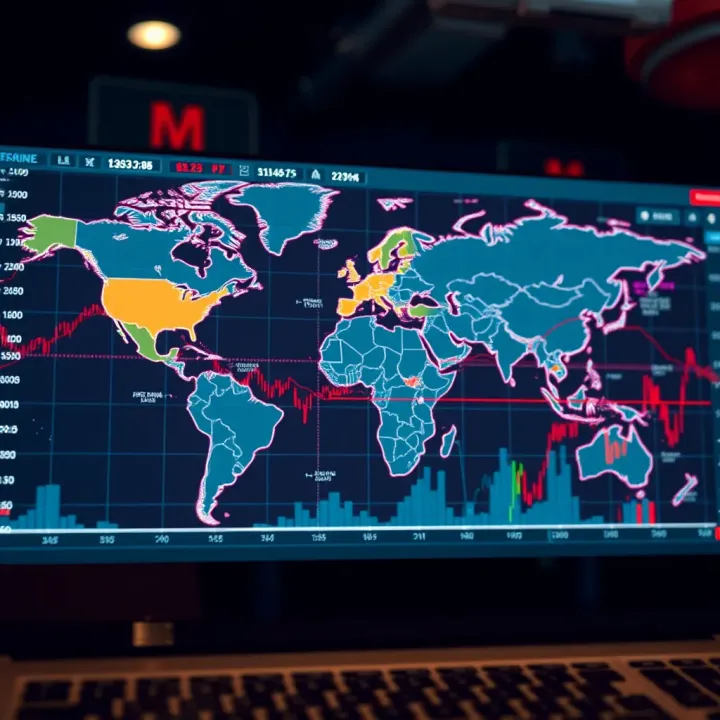
Best Times for Forex Trading in Nigeria
📈 Discover the best times to trade forex in Nigeria! Learn how market sessions, overlaps, and economic events impact currency moves for smarter decisions.
Edited By
Ethan Hughes
Forex trading offers a real chance for Nigerian traders to make profit by buying and selling currency pairs on the global market. Unlike sticking to fixed income investments, forex markets operate 24 hours daily, providing flexibility for those juggling other commitments like school or work. However, it’s not a shortcut to quick riches—it requires understanding the market dynamics, solid strategy, and strong discipline.
The forex market involves currencies such as the US dollar (USD), euro (EUR), British pound (GBP), and Nigerian naira (₦), among others. Traders in Nigeria often focus on popular pairs like USD/NGN, EUR/USD, or GBP/USD due to their liquidity and relevance to the local economy.
The key to earning profit is not just guessing currency moves but managing risk and exploiting market trends sensibly.
To succeed, you need to grasp fundamental concepts like exchange rates, leverage, and spreads. For example, leverage lets you control larger positions with smaller capital, but it can amplify losses if not carefully used. Spreads—the difference between buying and selling prices—affect overall cost. Choosing a reliable broker with tight spreads and good regulation safeguards your investment.
Practical knowledge of market trends also matters. Many Nigerian traders watch announcements from the Central Bank of Nigeria (CBN), US Federal Reserve, or main European banks since their policies impact currency values.
Lastly, developing a consistent trading plan that includes realistic goals and risk limits helps avoid emotional decisions, common pitfalls that can wipe out gains. This article will guide you through all these essentials and offer targeted advice tailored to Nigeria’s unique forex environment.
Making profit in forex trading is possible. But like any venture, it requires preparation, patience, and respect for the market’s ups and downs.
Grasping how profit works in forex trading forms the backbone of any successful trader's journey, especially for Nigerian traders navigating an evolving market. Without this understanding, making consistent gains becomes guesswork rather than a calculated practice. Knowing the mechanics—from the basics of currency pairs to the impact of leverage—lets you identify where your money grows or shrinks.
Forex trading always involves buying one currency while selling another, known as currency pairs. Common pairs affecting Nigerian traders include USD/NGN and EUR/USD. For instance, when you buy USD/NGN, you are essentially wagering on the dollar strengthening against the naira. This focus on pairs shapes your trading decisions because profit depends on how these currencies move relative to each other.
Each currency pair has two prices: the bid and the ask. The bid is what buyers offer, while the ask is what sellers want. The difference between these—called the spread—affects your potential profit. If you buy at the ask and sell at the bid, your trade starts with a small loss equal to the spread. Hence, understanding these prices helps you choose the best time and platform for trading, especially where spreads can vary widely across brokers.
Leverage allows you to control a bigger position than your actual deposit, multiplying profits but also losses. For example, with 50:1 leverage, a ₦10,000 deposit controls ₦500,000 worth of currency. While this can boost earnings when the market moves your way, Nigerian traders must be cautious as volatile naira behaviours can wipe out capital quickly. Margin, the amount required to keep your position open, must be monitored strictly to avoid forced closures.
Profit in forex arises when you correctly predict a currency's rise or fall relative to another. Say you bought USD/NGN at 460 and sold at 470; you'd earn ₦10 per dollar traded. Profits depend on both the direction and the size of these moves. For Nigerian traders, staying updated on economic policies, oil prices, and foreign reserves helps spot potential currency shifts.
Costs like spreads and commissions eat into your profits. A broker with a high spread on USD/NGN, say 50 kobo, means you need the currency to move more before seeing gains. Some brokers also charge commissions per trade. Lower costs mean quicker profitability, so always compare brokers in Nigeria to find competitive rates.
Trading time frames—from minutes to weeks—impact how you plan profits. Short-term trading (scalping or day trading) aims for small, quick gains but demands attention and fast execution. Longer-term positions might seek bigger moves but require patience and may be less affected by minor market noise. Nigerian markets, sometimes influenced by sudden events like CBN policy announcements or political news, can create opportunities at different time scales.
Understanding these fundamentals is your first step to making calculated trades rather than gambling on the forex market. With clear knowledge, you sharpen your edge as a Nigerian forex trader amid global currency flows.
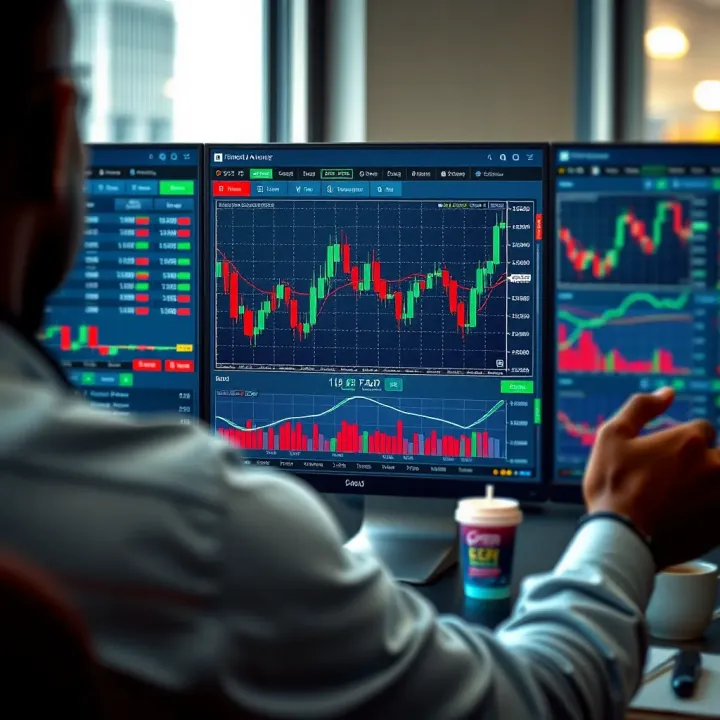
To improve gains in forex trading, Nigerian traders must understand key strategies that guide decision-making rather than relying on luck or guesswork. These strategies help analyse market behaviour and anticipate currency movements, which is essential given the market’s volatility. It’s not unusual for traders who adopt effective tactics to see consistent profits, unlike those who trade blindly and suffer losses.
Reading charts and price patterns is a fundamental skill in forex. Traders watch charts to spot trends—whether a currency is rising, falling, or moving sideways. Price patterns, such as 'head and shoulders' or 'double tops', hint at potential reversals or continuation of trends. For example, spotting a double bottom pattern early could mean a trader prepares to buy naira against the dollar before it strengthens.
Using indicators like RSI (Relative Strength Index) and moving averages adds quantifiable data to price movements. RSI helps to identify overbought or oversold conditions, signalling potential entry or exit points. A moving average smooths out price fluctuations, showing general direction. Traders in Nigeria, for instance, might use a 50-day moving average to confirm if the naira's trend aligns with economic news.
Recognising support and resistance levels is critical for setting stop-loss and profit-taking points. Support marks a price level where demand usually picks up, preventing further fall; resistance is where selling pressure caps gains. A trader might notice the naira consistently bounces back near a certain exchange rate, signalling support. Knowing these levels reduces risky trades and improves profitability.
Economic news affects currency values significantly. Reports like Nigeria’s inflation rate, GDP growth, or unemployment figures can cause immediate shifts in the naira’s value. Traders who monitor these news releases can anticipate market reactions rather than be caught off guard.
Central Bank decisions and policies are powerful drivers of forex markets. The Central Bank of Nigeria (CBN) interest rate changes or foreign exchange interventions often move the naira sharply. For example, when CBN tightens monetary policy to curb inflation, the naira may strengthen, offering profit opportunities to traders who act fast.
Nigeria-specific factors influencing the naira include export revenues from oil, foreign remittances, and government policies. Fluctuations in oil prices affect forex supply, while remittances provide a steady inflow. Political events during election seasons also impact currency confidence. Traders who watch these local factors alongside global trends gain an edge.
Balancing technical and fundamental insights offers a rounded approach. While technical analysis shows what the price is doing, fundamental analysis explains why it moves. Using both reduces the chance of false signals. For instance, a support level confirmed by positive economic news gives a stronger buy signal.
Adapting strategies to market conditions is necessary for sustained profits. In volatile times like the ember months or election seasons, conservative trading and tighter stop-losses help preserve capital. When markets are calm, traders may use wider targets. Flexibility ensures traders remain aligned with changing realities instead of sticking to a rigid plan.
Successful Nigerian forex traders know it's not about a single winning trade but consistent, informed choices. Applying these strategies can transform how you perform in the forex market.
Handling risks is just as important as chasing profit in forex trading, especially for Nigerian traders facing market volatility and local economic challenges. Without managing risks well, even the best strategies can quickly turn unprofitable. This section shows practical ways to protect your capital while still aiming for solid returns.
Setting clear exit points for both profits and losses helps you avoid guessing games and emotional reactions in trading. For example, if you buy USD/NGN expecting the naira to weaken, deciding beforehand that you'll take profit at a 2% gain and cut losses at 1% loss keeps your trades disciplined. This approach ensures you lock in gains when the market moves in your favour and stop further bleeding if it doesn't.
A stop-loss level should reflect the currency pair's typical movement and your risk tolerance. Instead of applying an arbitrary distance, look at the recent price swings or volatility; if the naira fluctuates by 0.5% daily, placing your stop-loss too tight might cause premature exit. A practical way involves using technical tools like Average True Range (ATR) to determine reasonable stop distances. For instance, if ATR indicates a 0.4% movement, a stop-loss of around 0.5% lets you stay in trades while protecting your capital.
Risking the right portion of your trading capital on each trade is vital. Professionals often recommend risking just 1–2% of your total capital per trade to avoid a big hit from one loss. So, if you have ₦500,000 in your trading account, risking ₦5,000 to ₦10,000 per trade helps you survive losing streaks and continue trading smartly.
Having cash or easily accessible funds outside your active trading ensures you can respond to sudden market changes or seize urgent opportunities without being forced to close positions prematurely. For instance, during unstable times for the naira, traders with good liquidity can add to winning positions or hedge without stress. Avoid locking all your funds in open trades; keeping some capital free maintains your flexibility.
Jumping into too many trades, often fueled by excitement or frustration, drains your resources and increases errors. It’s common to see new traders in Lagos or Abuja opening several positions daily without proper analysis. Keeping a strict trading plan and limiting your trades reduces this "noise" and improves outcomes.
The urge to recover lost money quickly can push traders into reckless decisions, sometimes risking large sums impulsively. Take, for example, a trader who doubled position size after a loss anticipating a quick recovery — this often leads to bigger losses. Sticking to your original plan, including stop-loss and position size, helps prevent such spiralling.
Discipline in managing risks is what separates consistent forex traders from those chasing wild gains and burning out fast. Protect your capital first — profit then becomes sustainable and repeatable.
By understanding and practising these risk management methods, Nigerian traders can safeguard their funds and improve their chances to maximise profit systematically.
Technology shapes how Nigerian traders engage with the forex market. Choosing the right platforms and tools can make a big difference in trade execution, access to markets, and ultimately, profit margins. This section looks at crucial elements Nigerian traders should consider when selecting technology to boost their forex trading success.
Regulation and trustworthiness are essential when picking a forex broker. Nigerian traders should prioritise brokers regulated by well-known authorities such as the Financial Conduct Authority (FCA) in the UK or the Securities and Exchange Commission (SEC) in Nigeria. Regulatory oversight reduces the risk of fraud and ensures that brokers follow fair trading practices. For instance, brokers operating under the SEC Nigeria must comply with local laws, offering traders extra peace of mind.
Another important aspect is the availability of local payment options. Brokers that support deposits and withdrawals via Nigerian banks or popular mobile wallets like OPay and PalmPay make transactions smoother and less costly. A broker requiring international wire transfers or unverified payment methods could cause delays or extra fees, eating into profits. Given Nigeria’s occasionally unstable foreign exchange access, having straightforward local payment channels is a practical advantage.
Customer support and platform stability also play a key role in profitable trading. Nigerian traders need brokers with customer care available in English and possibly local languages during their trading hours. Fast, effective assistance can resolve issues before they impact trades. Likewise, platform reliability prevents frustrating trade interruptions. Servers should spoof downtime or lags, as delayed execution can mean missed opportunities or losses. Brokers with stable, user-friendly platforms like MetaTrader 4 or 5, supported by Nigerian-friendly payment and support, tend to foster better trading outcomes.
Mobile trading apps suited for the Nigerian market allow traders to engage anytime, anywhere. Platforms like MT4, MT5, and cTrader have Nigerian app versions optimised for conditions such as limited data and fluctuating network speeds common in many parts of Nigeria. Features like offline mode, adjustable chart settings, and localised notifications make trading more accessible and less reliant on stable, high-speed broadband.
High-quality trades depend on fast execution — here, Virtual Private Servers (VPS) and reliable internet serve as game changers. A VPS hosts your trading platform on a dedicated server, reducing latency by running trades close to broker servers. This is especially useful when internet connections vary across Lagos, Abuja, or Kano. Coupled with fast broadband or 4G/5G networks, VPS reduces slippage, ensuring your orders fill at expected prices, not worse.
Finally, charting and signal services help traders make informed decisions. Tools offering advanced charting, like TradingView, provide Nigerians with real-time data, indicators, and drawing tools. Signal services, when credible, deliver alerts on potential trade setups based on market trends or news events. But traders should vet these carefully for quality — a poor signal can cost you ill-gotten losses. Practical integration of these tools within your trading platform helps you react promptly to naira volatility or unexpected market shifts.
In Nigeria’s forex scene, mastering technology—from broker selection to software use—can separate profitable traders from those who struggle.
Understanding discipline and psychology is as important as mastering technical analysis in forex trading, especially for Nigerian traders dealing with volatile markets. Successful trading depends not only on what you know but how consistently you apply your strategy without falling prey to emotional impulses. The mind can be your greatest ally or your fiercest enemy.
Setting clear goals and sticking to them is the backbone of discipline in trading. When you enter the forex market with defined objectives—like making a specific return percentage or limiting losses to a certain amount—you equip yourself with a roadmap that guides every decision. For example, if your goal is to earn a steady 5% monthly return, you’ll avoid risky trades that chase unrealistic profits. This clarity helps maintain focus and prevent unnecessary exposure to the erratic swings common in the naira-dollar market.
Once goals are clear, assessing trades objectively is critical to sustain profit over time. This means you evaluate each trade based on predefined criteria, not on hope or guesswork. For instance, after closing a successful trade on the GBP/USD pair, analyse what factors led to the win—perhaps a well-timed reaction to a Bank of England policy announcement—and apply that insight going forward. Conversely, when trades don’t work out, avoid blaming the market or bad luck. Instead, learn what went wrong and refine your strategy. This objective approach prevents emotional bias from clouding your judgement.
Handling fear and greed in trading separates profitable traders from those who lose money. Fear might cause you to exit early and forfeit potential gains, while greed might push you to overtrade or increase stakes beyond reasonable limits. Consider a scenario where the naira unexpectedly weakens due to policy change; a trader ruled by fear may liquidate positions quickly, accepting losses prematurely, whereas a well-disciplined trader sticks to stop-loss levels and waits for market stability. Recognising these emotional triggers helps keep your trades systematic and consistent.
Keeping a trade journal brings tangible benefits for controlling impulses. The benefits of journaling trades for reflection include tracking patterns in your decisions and spotting emotional biases before they cause significant losses. Write down not only entry and exit points but also your mental state during trades—were you anxious, confident, pressured? Over time, this record reveals personal strengths and weaknesses. For example, a trader might discover a tendency to chase losses during ember months when market moves are unpredictable and stressful. With that awareness, you can adjust your behaviour and refine your overall trading discipline.
Discipline and a clear mindset act like a sturdy rudder steering your forex ship through Nigeria’s choppy currency waters. Without them, even the best strategies struggle to deliver consistent profit.
Maintaining discipline and managing psychology is a continuous process. Nigerian traders who prioritise these elements will find their profits less vulnerable to sudden shocks and emotional whiplash, giving them a solid foundation for long-term success in forex trading.
📈 Discover the best times to trade forex in Nigeria! Learn how market sessions, overlaps, and economic events impact currency moves for smarter decisions.
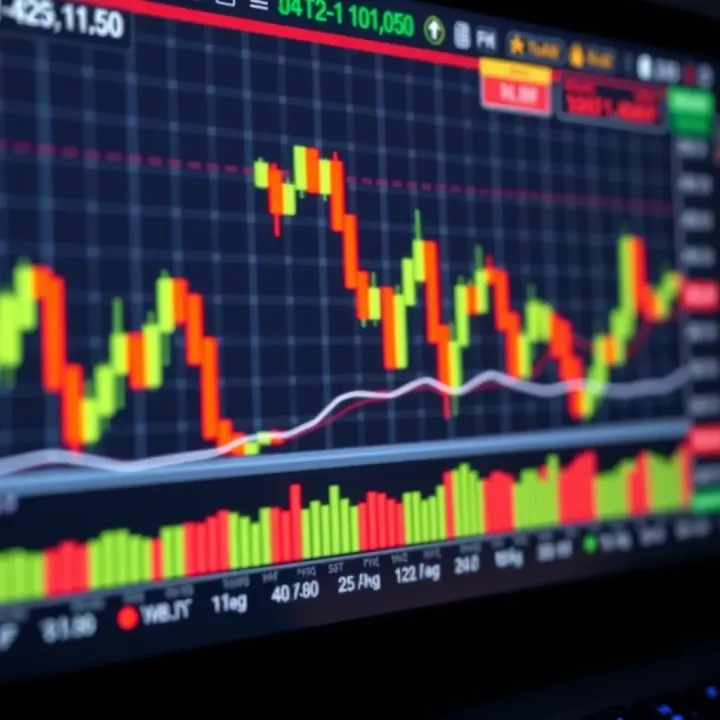
Master practical forex trading strategies for Nigerian traders 🇳🇬. Learn key concepts, risk tips, technical analysis, and trading psychology for steady wins 📈.
🇳🇬 Discover top forex trading tips for Nigerian traders! Learn to pick reliable brokers, manage risks smartly, and boost your profits in Nigeria's forex market.

📈 Master forex trading in Nigeria with effective strategies: trend following, range trading, breakouts & savvy risk management for steady success.
Based on 15 reviews