

Binary Options in Nigeria: Risks and Rewards Explained
Explore the facts about binary options in Nigeria 🇳🇬—learn risks, rewards, regulations, and tips to trade wisely and stay safe in this fast market 📉📈.
Edited By
Sophie Turner
Project management in Nigeria often faces unique risks—from fluctuating exchange rates to power supply issues—that can derail timelines and blow budgets. Managing these risks effectively isn’t optional; it’s necessary to deliver projects on time and within cost.
Understanding the nature and scope of risks at the get-go allows project leaders, investors, and analysts to prepare adequately. Risk management is not just about identifying problems before they happen but also about implementing controls to limit their impacts.

Effective risk management reduces surprises, controls costs, and improves decision-making, especially in volatile environments like Nigerian infrastructure projects or fintech startups.
Start with a comprehensive risk identification process. This means engaging all stakeholders—project teams, finance officers, and even suppliers—to pinpoint potential issues. For instance, when Lagos state launched a new road expansion, delays were partly due to not factoring in local weather patterns and community disputes.
Some common risk categories include:
Financial risks such as inflation or naira depreciation
Regulatory changes affecting permits or taxes
Operational issues like equipment failure or labour strikes
External shocks such as fuel scarcity impacting generator usage
Once risks are catalogued, assess their likelihood and potential impact using risk scoring or simple matrices. This step helps to prioritise those that could severely hurt project delivery or returns.
For example, a small startup targeting digital payments must consider cybersecurity threats a high-risk area, given Nigeria’s surge in cybercrime.
After prioritisation, develop mitigation strategies:
Transfer: Use insurance or contracts to shift some risks (e.g., taking claims coverage for construction delays).
Avoid: Change plans to skip high-risk activities (like avoiding areas prone to flooding during rainy seasons).
Mitigate: Implement preventive measures, such as regular maintenance for plant machinery.
Accept: In some cases, smallest risks are accepted but tracked regularly.
Continuous monitoring through project dashboards or periodic audits ensures that emerging risks are promptly addressed.
By embedding risk management into regular project workflows, Nigerian businesses can navigate challenges better—to deliver quality outcomes, save costs, and maintain investor confidence.
Risk management is the backbone of successful project delivery. It involves identifying potential problems before they turn into full-blown crises, assessing how severe they could be, and putting plans in place to handle them. The goal is to keep projects on schedule, within budget, and aligned with stakeholders’ expectations. In the Nigerian context, where unpredictable power supply, regulatory delays, and fluctuating currency rates are common, understanding risk management becomes even more vital.
In simple terms, risk management in projects refers to the process of spotting, analysing, and responding to anything that could derail the project. This encompasses both threats and opportunities — managing risks isn't just about avoiding failures but also about seizing chances to improve outcomes. For example, a construction project in Lagos might identify flood risk during the rainy season and implement drainage solutions to mitigate potential delays. Without this forethought, costs might balloon due to damage repairs or extended timelines.
Mismanaged risks can wreak havoc on a project’s budget and schedule. For instance, many Nigerian projects face fuel shortages that drive up generator running costs unexpectedly. If these costs were not anticipated, they could inflate the overall budget, leading to funding shortfalls. Similarly, a delay in government approval—common in local infrastructure projects—if not flagged early, can push project timelines beyond deadlines. A well-planned risk management process helps anticipate such pitfalls, allowing for budget buffers or schedule adjustments, thus keeping the project on track.
Stakeholders often include investors, clients, team members, and sometimes regulatory bodies. When risks are managed effectively, stakeholders see the project team as competent and reliable, which builds confidence. For example, a fintech startup in Nigeria that communicates potential risks surrounding regulatory changes and presents mitigation strategies is more likely to keep investor trust. Conversely, failure to manage or communicate risks can cause panic, leading to loss of support or halted funding.
Projects can fail completely if major risks remain unchecked. In Nigeria, power outages and inconsistent material supply are recurring risks that might stall construction sites or manufacturing plants. By integrating risk controls such as alternative power sources or pre-approved supplier contracts, organisations can reduce the chance of project collapse. Avoiding failures not only preserves investments but also prevents damaging reputations and wasted resources.
Effective risk management is not a one-off task but a continuous commitment throughout a project’s life. It safeguards resources and builds trust, making project success less about luck and more about preparation.
In summary, understanding risk management equips project managers and teams with the foresight to handle uncertainties head-on, especially in challenging environments like Nigeria’s. It improves budgeting and scheduling accuracy, upholds stakeholder confidence, and significantly reduces the risk of failure. Incorporating these principles leads to stronger, more predictable project outcomes.
Pinpointing risks at the very start of a project is a smart move that saves time, money, and reputation later. Early identification helps prevent small issues from ballooning into big problems disrupting schedules, budgets, or quality. For Nigerian projects, where infrastructural hiccups and regulatory delays can swiftly affect outcomes, spotting risks early is even more critical.
Technical challenges often surface due to project complexity or unfamiliar technology. For example, a construction project planning to use new eco-friendly materials can run into problems like supply shortages or poor durability test results. Understanding these potential issues early lets teams prepare alternatives or test materials ahead, reducing costly last-minute changes.
Resource and personnel issues cover shortages or skill gaps that slow progress. Imagine a software development project in Lagos facing a shortage of experienced programmers skilled in the latest coding language. If spotted early, the project can plan training sessions or bring in consultants, avoiding missed deadlines due to understaffing or incompetence.
External factors such as regulations and market changes are often out of direct control but can significantly impact projects. Nigerian projects deal with fluctuating policies—like sudden changes in import regulations for equipment or shifts in currency value affecting import costs. If these risks are identified early, project budgets and timelines can adjust accordingly with contingency plans in place.
Brainstorming sessions gather diverse team members to freely discuss potential issues before the project kicks off. This process uncovers hidden risks from different perspectives, such as a project manager warning about possible transport strikes or an engineer highlighting maintenance challenges. This collaborative approach tends to reveal practical risks specific to the Nigerian environment.
Checklists and past project reviews serve as useful tools for recognising risks that occurred before. Nigerian projects often suffer from recurrent issues like power outages or delayed permit approvals. By reviewing similar completed projects or industry checklists, teams can systematically account for common pitfalls and factor them into their planning.
Consulting experts and stakeholders adds outside insights that internal teams might miss. For example, involving a NAFDAC official early in a pharmaceutical project ensures regulatory compliance risks are well understood. Likewise, engaging community leaders in infrastructure projects can uncover social or environmental concerns that could cause resistance or delays.
Early risk identification shapes a proactive project stance, cutting down surprises and ensuring smooth execution despite Nigeria’s unique challenges.
Adopting these methods boosts confidence among investors and stakeholders, reinforcing commitment to delivering projects on time and within budget.
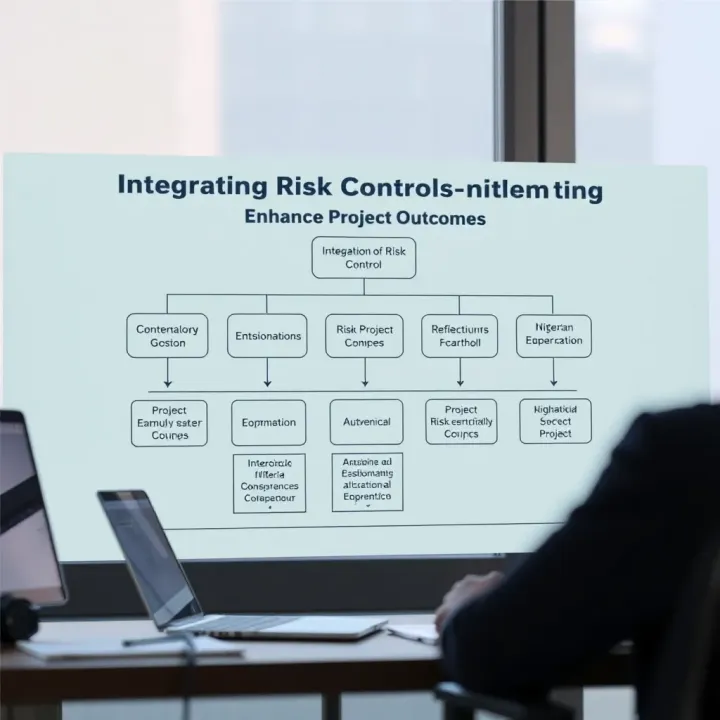
Assessing and prioritising project risks is a critical step that ensures resources are focused on threats most likely to disrupt project goals. Without proper evaluation, projects risk misallocating limited time and budget to minor issues while overlooking serious problems. For instance, a construction project in Lagos might face delays due to regulatory approvals or fuel shortages. By assessing these risks early, the project team can prioritise mitigation efforts on the issues that will cause the greatest impact.
Evaluating the likelihood of a risk means estimating how probable its occurrence is during the project lifecycle. Coupled with this is measuring the potential impact—the degree of harm it would cause if it happened. For example, in a tech startup, the chance of software bugs occurring might be high, but the impact could be moderate if there are thorough testing protocols in place. On the other hand, a disruption in power supply during crucial project phases could have both high likelihood and severe impact, especially in Nigerian cities where outages are frequent. Accurately gauging these factors helps teams prepare proportionate responses.
The risk matrix is a straightforward tool that plots risks on a grid based on their likelihood and impact. For instance, a 3x3 matrix categorises risks as low, medium, or high in both dimensions. If a risk scores high on both scales, it falls into the red zone, signalling urgent attention. This method is practical in fast-moving environments, like fintech startups, where quick risk decisions are essential. It enables project managers to visually identify and communicate priorities without complicated data.
Qualitative assessments rely on expert judgement and descriptive scales like "low" or "high" to evaluate risks, which is useful when exact data is scarce. For example, during a new agricultural project in rural Nigeria, stakeholders might classify risks based on experience rather than hard numbers. Quantitative assessments, however, assign numerical probabilities and financial impact estimates, allowing for precise calculations such as expected monetary value (EMV). This method suits projects with accessible cost data, like infrastructure developments funded by multinational agencies. Combining both approaches provides a balanced insight, especially in contexts where data quality varies.
Once risks are assessed and scored, deciding which ones to tackle first depends on their priority level and resource availability. Those that pose the highest threat to cost, timeline, or quality deserve immediate action. For example, if there is a risk of regulatory delays in obtaining permits for a Lagos building project, this should be addressed before smaller technical glitches. Also, consider risks that could trigger chain reactions, such as supplier failure leading to materials shortage. Prioritisation helps streamline efforts and ensures the project team remains focused, enhancing the chance of delivering successful outcomes.
Proper risk assessment and prioritisation reduce surprises and allow smarter, timely decisions, cutting down wastes in effort and expenses.
By making these steps routine, project managers in Nigeria and beyond can turn risk management from a reactive task into a strategic advantage, keeping projects on track despite unavoidable uncertainties.
Managing risks doesn’t end at identifying and assessing them; the real challenge lies in how project teams respond and control these risks. This section breaks down practical strategies that ensure risks don’t derail your project goals. Employing these approaches helps minimise surprises, control extra costs, and keep timelines on track.
Changing project plans is one of the most straightforward ways to avoid risks. For instance, if a supplier for critical components in a tech project in Lagos is known for delays during rainy seasons, adjusting the project schedule to source early or selecting an alternative supplier reduces the likelihood of deadline setbacks. This strategy requires flexibility and early awareness so adjustments don’t cause new problems.
Alongside changing plans, applying safeguards and quality controls strengthens your defence against risks materialising. Nigerian construction sites often face quality issues due to poor materials or oversight. Setting strict quality inspections at every stage of building — including checking substandard cement or steel — avoids costly rework. Safeguards might also mean tighter security for sensitive data in finance projects or thorough testing protocols to prevent system failures.
Outsourcing parts of a project to external experts shifts some risks away from your team. For example, a start-up relying on logistics could outsource delivery to an established company like GIG Logistics instead of managing its own fleet. This transfer reduces risk around vehicle maintenance or route management.
Insurance policies provide a formal way to share financial risks, especially useful in large infrastructure projects. Obtaining insurance against damage during construction or political risks in Nigeria’s fluctuating environment protects the project budget. While insurance comes with a cost, it shields organisations from catastrophic losses and supports confidence among stakeholders and lenders.
Not all risks can be avoided or transferred; some are small enough to accept. Choosing when to accept risks means focusing resources on threats with higher impact. For example, slight currency fluctuations might be accepted if hedging costs outweigh benefits. The key is recognising tolerable risks without compromising overall project viability.
To complement risk acceptance, setting up fallback measures is essential. These contingency plans act like safety nets. If fuel scarcity threatens site generators during Nigeria’s frequent power outages, having backup generators or fuel reserves ensures work continues. Creating clear action steps for worst-case scenarios allows teams to respond quickly, reducing downtime and costs.
A well-thought-out risk response strategy balances prevention, transfer, and acceptance, allowing projects to stay agile and resilient in Nigeria’s unique environment.
By effectively using these strategies, project managers can maintain control whether faced with technical delays, regulatory hiccups, or financial fluctuations that often trouble Nigerian projects.
Integrating risk management into everyday project activities ensures that potential issues are not treated as isolated events but become part of the entire project rhythm. This approach makes it easier to detect, evaluate and respond to risks on time, reducing the chances of sudden surprises that disrupt progress. For example, in a Lagos-based ICT deployment project, regular risk discussions embedded in weekly updates helped the team adjust timelines early, keeping costs within budget despite market fluctuations.
The project manager acts as the primary risk conductor, overseeing risk identification, evaluation, and mitigation steps. Beyond just monitoring, they coordinate communication and ensure accountability across the team. For instance, in a construction project in Abuja, the project manager’s timely involvement in reallocating resources prevented prolonged downtime caused by a sudden labour strike.
Risk management is not a solo task; involving the entire team brings diverse perspectives and increases timely identification of risks. When each member understands their role in spotting and reporting issues, such as supply delays or technical hitches, mitigation becomes more dynamic and effective. Nigerian projects, often facing unexpected challenges, benefit when junior staff to senior engineers are all vigilant contributors.
Holding frequent risk review meetings keeps everyone updated on evolving threats and the effectiveness of controls. Such reviews provide a forum for reassessing priorities and making real-time adjustments. For example, a fintech startup in Lagos meets weekly to discuss regulatory changes as risks and adapts their compliance strategy accordingly.
The risk register is the project’s living document that tracks all identified risks, their status, and mitigation actions. Keeping it current ensures transparency and allows swift shifts in focus when new risks arise or old ones evolve. Look at infrastructure projects that frequently experience inflation-driven cost changes; updating their risk registers enables smoother budgeting and contingency planning.
Accurate and timely risk reporting builds stakeholder trust and facilitates informed decision-making. Reports should present risks in relatable terms—highlighting potential impacts on budgets, timelines, or quality. Clear communication prevents misunderstandings and aligns expectations, especially when government agencies or financiers are involved.
Regularly informing stakeholders about risk status helps manage their expectations and minimises pressure on project teams when adjustments become necessary. When stakeholders understand that risks are tracked closely and controlled systematically, they are more likely to be supportive during setbacks. For example, during a road rehabilitation project in Enugu, proactive updates eased tensions caused by unavoidable delays linked to seasonal rains.
Effective integration of risk management into project workflows creates a proactive culture that spots and tackles threats early, rather than scrambling to fix issues after damage has occurred. This approach safeguards project goals, saves costs, and strengthens stakeholder confidence, vital for successful project delivery in Nigeria's dynamic environment.
When managing projects in Nigeria, understanding distinct local hurdles is essential. These challenges—power supply issues, regulatory delays, and currency fluctuations—can disrupt timelines and inflate costs drastically. Recognising these risks allows project managers, investors, and analysts to craft focused strategies that reduce surprises and keep projects on track.
Nigeria’s power supply remains notoriously unstable, with many areas experiencing frequent outages. This challenge affects construction timelines, IT operations, and manufacturing processes severely. Frequent generator use raises costs and risks equipment failure. For example, a fintech startup in Lagos might face slow server uptime if proper backup power isn’t planned, causing customer dissatisfaction and loss of revenue.
Obtaining approvals from diverse government agencies—such as the Nigerian Investment Promotion Commission or local ministries—can take months. Unpredictable bureaucratic pace stalls project milestones, affecting investor confidence and raising overall expenditures. A real estate development in Abuja may wait several months for building permits, pushing back launch dates and increasing financing costs.
The naira’s volatility impacts budget stability directly. Projects requiring imported materials or foreign services face increased costs when exchange rates worsen. Inflation drives up prices for labour, fuel, and raw materials over the project period. For instance, a telecom infrastructure project budgeting ₦1 billion six months ago may now need ₦1.3 billion due to exchange rate shifts and inflation.
To mitigate power supply risks, incorporating reliable backup power systems is vital. Solutions include installing diesel generators with sufficient fuel reserves or using solar hybrid systems for continuous power supply. Some Nigerian manufacturing firms combine both approaches to maintain operations during outages, ensuring deadlines are met without frequent downtime.
Effective navigation of regulatory landscapes includes engaging local consultants familiar with approval processes and maintaining active communication with agencies. Timely submission of complete documentation and anticipating agency workflows can trim unnecessary waiting times. For example, several developers now hire government relations experts who expedite permits, reducing average approval times by weeks.
Project budgets should always embed contingency provisions for inflation and currency risk. Regular reviews of cost estimates allow for timely budget adjustments, preventing unexpected shortfalls. Contractors sometimes negotiate escalation clauses with suppliers to accommodate price shifts, maintaining cash flow stability. Financial analysts must keep track of Central Bank of Nigeria (CBN) monetary policies to predict inflation trends and advise on budgets accordingly.
Nigerian projects don’t fail for lack of planning alone—they stumble when local risks aren’t actively managed. Practical, on-ground solutions tailored to Nigeria’s realities can save millions of naira and secure timely project completion.
This approach equips traders, investors, and project managers with actionable insights specific to Nigeria’s economic and regulatory context, boosting project success chances and protecting investment value.
Having the right tools and resources is vital to managing risks effectively in any project. They help streamline risk identification, assessment, and control, which reduces costly surprises and delays. For Nigerian projects that often encounter unique challenges such as power instability or regulatory bottlenecks, practical tools tailored to local realities can make all the difference.
While global software like Microsoft Project or Primavera are common, they often come with high costs and features some Nigerian projects might not need. Fortunately, there are affordable local options tailored for small to medium enterprises in Nigeria, such as ProjectWatch or TaskGrader, which provide basic risk tracking and reporting functionalities. These platforms often come with ready-made risk register templates, allowing teams to record risks clearly and assign ownership without heavy investment.
Since many Nigerian organisations run on tight budgets, leveraging these cost-effective tools ensures that projects maintain a disciplined approach to risk without breaking the bank. For example, a Lagos-based construction firm reduced delays by 15% over a year simply by adopting a local risk tracking app combined with weekly team reviews.
Synchronising risk management tools with broader project management software enhances efficiency. Integration allows automatic updates on risk status alongside project timelines, budgets, and resources. Tools like Trello and Asana, popular for task management among Nigerian SMEs, support plugins or custom fields to track risks within their boards.
This integration means project managers can keep risk assessment and scheduling in one place, making it easier to spot conflicts or resource shortages early. For financial projects in Abuja or Kano, this reduces the need for separate reports, saving time and cutting errors. It also ensures the whole team is aligned on risks as they occur rather than waiting for scheduled risk meetings.
Practical training remains one of the best ways to build strong risk management skills. Nigerian consultancies and institutions like the Project Management Institute Nigeria Chapter offer workshops and certifications that focus specifically on local project conditions. These sessions often cover real-life case studies, addressing issues such as dealing with fluctuating naira exchange rates or regulatory approvals delays common in Nigerian projects.
Attending such programmes not only boosts the knowledge of project managers but also builds confidence among team members to handle risks proactively. Earning certifications like Project Management Professional (PMP) or Risk Management Professional (RMP) adds credibility for individuals seeking to advance in Nigeria’s competitive job market.
Digital learning platforms like Coursera, Udemy, and LinkedIn Learning offer flexible online courses on risk management accessible anywhere in Nigeria. This approach suits busy professionals who cannot attend physical workshops but want to stay updated on best practices globally.
Joining Nigerian industry groups, such as the Nigerian Institute of Management (NIM) or local project management forums, provides a network for sharing insights and experiences. These groups often host webinars and discussion sessions on emerging risks in Nigerian industries, keeping members informed and ready to tackle future project hurdles.
Using well-chosen tools and quality training builds a strong foundation for managing risks effectively, especially in Nigeria’s complex project environment. Combining the right software with local knowledge helps projects avoid unnecessary delays and budget overruns.
Explore the facts about binary options in Nigeria 🇳🇬—learn risks, rewards, regulations, and tips to trade wisely and stay safe in this fast market 📉📈.

Explore essential tips for choosing the best trading app in Nigeria 🇳🇬. Learn about security, fees, features, and top platforms for every trader 📈📱.

📈 Explore how binary options work and their risks tailored for Nigerian traders. Learn smart strategies, regulation tips, and risk management to trade wisely.

📊 Discover how binary investment works in Nigeria 🇳🇬, explore key types, risks, and top tips to trade smart and protect your finances in today’s market.
Based on 14 reviews