

Understanding Candlestick Patterns in Trading
📈 Master candlestick patterns to read price moves like a pro. See real trading examples and sharpen your market sense for better decisions in Nigeria's forex and stocks.
Edited By
Benjamin Shaw
The Morning Star candlestick pattern is one of the reliable indicators traders use to spot potential market reversals. It often marks the shift from a downtrend to an uptrend, signalling an opportunity to consider buying or exiting short positions. In the Nigerian stock and forex markets, recognising this pattern can help investors make informed decisions, especially amid the naira’s frequent volatility and unpredictable market movements.
This pattern forms over three trading sessions and consists of three candles. First, a tall bearish candle marks strong selling pressure. Next comes a small candle—either bullish or bearish—that gaps down, showing market indecision. Finally, a tall bullish candle closes well into the body of the first candle, confirming buyers are regaining control.
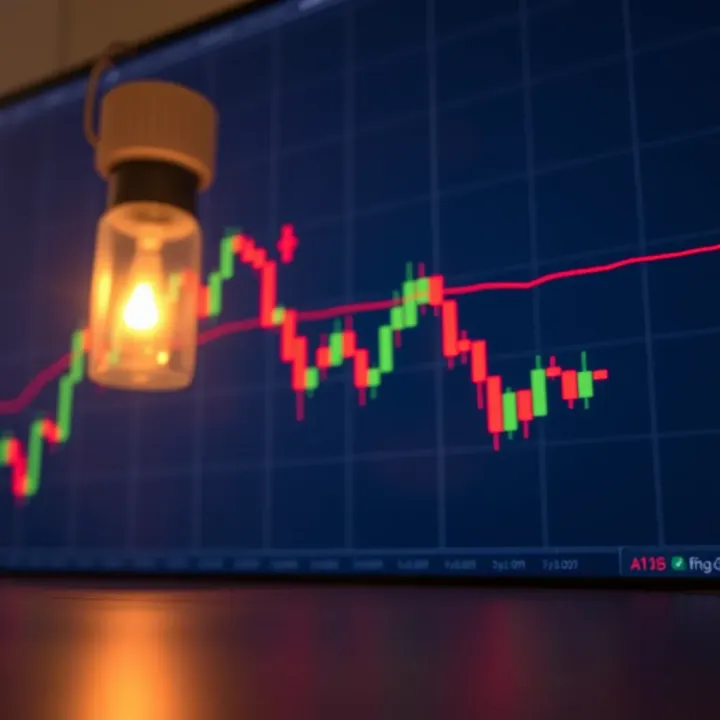
The Morning Star acts as a warning that the market sentiment is changing, often preceding a price rebound or upward rally.
Understanding this pattern demands attention to volume and context. For example, spotting the Morning Star on Nigerian equities such as Dangote Cement or Access Bank shares on the Nigerian Exchange (NGX) can precede healthy rallies, especially after a prolonged slump. For forex traders, this pattern frequently appears on pairs like USD/NGN, signalling short-term trend reversals that can be further confirmed by other indicators like RSI or moving averages.
Key features to watch out for include:
A clear downtrend before the pattern starts
The middle candle’s small body reflects market hesitation
The third candle's strong upward momentum closing into the first candle’s body
Using the Morning Star in trading strategies involves combining it with stop-loss orders below the pattern to manage risk and setting profit targets based on recent resistance levels. It’s also advisable not to rely solely on this pattern but to use it alongside broader market analysis and fundamental factors affecting Nigerian markets, such as monetary policies from the Central Bank of Nigeria (CBN) or geopolitical events.
In essence, the Morning Star provides a straightforward way for traders to anticipate a turning point in price action. While no pattern guarantees success, it remains a popular tool among both beginners and seasoned investors in Nigeria. This article will explore how to spot, interpret, and apply the Morning Star candlestick pattern effectively within Nigeria’s unique trading environment.
The Morning Star pattern is made up of three distinct candlesticks that reveal important information about market sentiment. The first candle is a long bearish candle, showing strong selling pressure. The second candlestick, which is the "star," has a small body and gaps down from the first candle, signalling indecision or a pause among traders. The third candle is a long bullish candle that closes well into the body of the first, indicating buyers have regained control.
This three-candle formation is not just a visual cue but an actionable sign for traders. Its structure helps pinpoint when a downtrend is losing steam and might change direction, giving traders a chance to prepare for a shift.
The Morning Star serves as an early warning that a bearish trend is fading and a bullish move is likely. Typically, the gap between the first and second candles shows that sellers are exhausted, while the third candle’s strong close confirms buyers stepping in with confidence.
For Nigerian investors, this signal is particularly handy during periods when market sentiment flips quickly, such as during economic policy changes or positive corporate earnings announcements. It flags an opportune moment to consider entering a trade or reducing short positions.
This pattern is a bullish indicator that pops up after a series of declining prices. It suggests buyers are regaining control after a period of selling, potentially marking the start of an uptrend. Local traders often look out for this when the Nigerian Stock Exchange (NSE) stocks fall sharply but show signs of recovery.
For instance, a sharp drop in the shares of Dangote Cement might be followed by a Morning Star pattern indicating a potential bounce back, guiding traders on when to enter the market.
The Morning Star pattern is relevant in both the Nigerian Stock Exchange and the forex market, especially given the frequent volatility in the naira (₦) against major currencies. Traders can spot reversal points early, helping them time buys or sells amid market swings influenced by Central Bank of Nigeria decisions or global factors.
By tracking Morning Star formations on top NSE stocks or currency pairs involving the naira, traders can identify periods where markets are likely to rise – the so-called boom times. For example, during Q3, when many corporates release strong quarterly results, spotting a Morning Star can signal an upcoming rally.
Many Nigerian traders use platforms like MTN’s Mobile Trading Apps, Binance Nigeria, or local broker software. These tools typically include charting features where the Morning Star pattern can be spotted easily. Combining it with volume indicators or Relative Strength Index (RSI) available on these platforms improves decision accuracy.
The Morning Star is one of the simplest yet most reliable signals Nigerian traders can use to foresee market rebounds and position themselves strategically.
Using this pattern alongside local market knowledge and tools strengthens trading outcomes, whether in shares, forex, or commodities traded on Nigerian platforms.
Recognising the Morning Star pattern on charts is a skill every Nigerian trader should develop. This pattern offers a visual clue signalling a potential market reversal, especially after a downtrend. Spotting it correctly helps traders take advantage of price swings in stocks or currencies traded on the Nigerian Stock Exchange (NSE) or forex platforms involving the naira (₦). However, it’s not just about seeing three candles; you need to know which ones matter and how to confirm the pattern truly indicates a change.

The pattern begins with a long bearish candle, showing sellers dominated the market for that session. This candle signals the existing downtrend is still strong. In the Nigerian stock market, this might occur during periods of general negative sentiment, like when oil prices drop and affect the export-driven sectors. The length of the candle body is important—it should be significant compared to previous candles, indicating firm selling pressure.
The second candle is the ‘star’, typically with a small body that opens below the first candle’s close. This candle reflects indecision—buyers and sellers are almost on equal footing. Often, this candle gaps down, meaning it opens significantly lower than the previous close, which can be seen on daily charts of NSE stocks or currency pairs. Its small body suggests that sellers' force is losing momentum, giving room for a potential shift.
The final candle is a bullish one that closes well above the midpoint of the first candle's body. This shows buyers have taken control, signalling a likely trend reversal. For Nigerian forex traders, this might appear in NGN/USD charts during or following positive economic news, such as favourable CBN policies. This candle’s strong close confirms the market is ready to move upwards, offering an entry point for traders.
Volume matters in confirming the Morning Star. High trading volume on the third candle indicates genuine buying interest rather than a mere price blip. For instance, a top NSE stock showing this pattern with sizeable trade volume suggests institutional players might be stepping in, giving the signal more weight.
Combine the Morning Star with other indicators like Relative Strength Index (RSI) or Moving Averages to avoid pitfalls. If the RSI shows oversold conditions or a moving average crossover occurs around the same time, this adds confirmation. Nigerian traders might also look at local economic signals or forex data alongside to strengthen the trade decision.
False signals are common, especially in illiquid stocks or during ember months when volatility is erratic. Avoid jumping into trades solely based on the pattern on days with low volume or choppy charts. Waiting for additional confirmation or seeing follow-up bullish candles can help reduce risk.
Identifying the Morning Star correctly requires attention to visual candle details and the supporting trading volume and indicators. Used well, it can improve market timing and reduce losses in Nigeria's unique trading environment.
In summary, watching the candle shapes carefully and cross-checking with volume and technical indicators will sharpen your ability to spot reliable Morning Star patterns in Nigerian trading charts.
The Morning Star candlestick pattern serves as a solid indicator to identify potential bullish reversals, which can be a valuable addition to your trading toolkit. Nigerian traders, whether dealing in stocks or forex, can use this pattern to time entries carefully and manage risk smartly, especially in fluctuating market conditions.
The Morning Star pattern suggests a buy signal after a downtrend. Traders spot the first bearish candle, followed by a small-bodied candle (the star), then a bullish candle closing near the high. Entry ideally happens at the close of the third candle or the open of the next. To protect against sudden reversals, stop-loss orders should be placed just below the low of the star or the first candle. This approach is practical when trading Nigerian Exchange Group (NGX) stocks, where price swings can be sudden due to local factors.
Integrating the Morning Star pattern with fundamental analysis increases the reliability of trades. For instance, if a stock like Dangote Cement shows strong earnings growth or positive sector developments while showing the Morning Star pattern, it reinforces the potential for an upward move. Nigerian market volatility means relying on technical signals alone can be risky; fundamentals provide the backing needed to hold positions confidently.
Influential NGX stocks like Nigerian Breweries, MTN Nigeria, or Guaranty Trust Bank often exhibit the Morning Star pattern during price corrections. For example, a trader noticing this pattern on MTN Nigeria’s chart after a dip might prepare to enter a long position anticipating recovery. Real-life instances support that the Morning Star pattern can provide useful entry points, especially when volumes increase, signalling wider market interest.
The Nigerian Naira (NGN) is known for volatility, influenced by factors such as oil prices and government policies. Using the Morning Star pattern to trade pairs like USD/NGN or EUR/NGN can give traders an edge during reversal periods. When the pattern appears after persistent falls, it may hint at a nascent rally, helping traders secure better exchange rates.
CBN's policy statements, interest rate decisions, or foreign exchange interventions usually trigger market shifts. Spotting the Morning Star pattern near these announcements can enhance trade timing. For instance, if the pattern forms shortly before a known CBN intervention to support the naira, it might indicate a strong buy opportunity. However, one must combine this with careful monitoring of news to avoid whipsaws.
Risk management remains paramount when applying the Morning Star pattern in forex markets. Given the high leverage typical in forex trading, it’s wise to use tight stop-loss orders just below the pattern’s lowest candle and size positions conservatively. This avoids heavy losses from false signals or sudden market shocks, which are common around ember months or political events impacting NGN valuation.
While the Morning Star pattern can improve trade decisions, pairing it with market context and proper risk control is essential to avoid costly errors in Nigerian trading environments.
The Morning Star pattern is a handy indicator, but Nigerian traders need to be cautious about its limitations and common pitfalls. Misinterpreting this pattern or relying on it without other confirmations can lead to poor trading decisions. Understanding these issues helps traders avoid losses, especially in volatile markets like the NSE and forex trading involving the naira.
Overreliance on pattern without confirmation
Traders sometimes act too quickly at the sight of a Morning Star, assuming an automatic reversal. The reality is that this pattern alone doesn’t guarantee a trend change. For example, if a stock like MTN Nigeria shows a Morning Star but lacks supporting signals such as increased volume or momentum confirmations, the supposed reversal may fizzle out. Always combine this pattern with other indicators like RSI or MACD to avoid being trapped by false signals.
Effect of low liquidity in some Nigerian markets
Several stocks on the NSE, especially those outside top tier, suffer from low liquidity. Such thin trading volume can produce misleading candlestick patterns. The Morning Star may appear, yet only reflect a few trades rather than genuine market sentiment. This problem is also prevalent in some forex pairs involving the naira during off-peak hours. Traders should check average daily volumes before trusting the pattern to reduce exposure to erratic price swings caused by sparse trading.
Market noise during ember months
The ember months – September to December – are known for heightened market volatility in Nigeria, linked to festive spending and government policy shifts. During this period, sharp price movements can create unreliable Morning Stars resulting from temporary spikes rather than fundamental shifts. For instance, the stock of a cement company might show a Morning Star but later resume its decline after seasonal buying ends. Traders should temper expectations and seek additional confirmation before making commitment in these months.
Not considering broader trends
Seeing a Morning Star is tempting, but ignoring the bigger market context can cause errors. If a stock is deeply entrenched in a long-term downtrend, a single Morning Star is unlikely to reverse the overall direction. For Nigerian traders watching stocks like Dangote Cement, it's vital to analyse the prevailing up or downtrend on weekly charts alongside daily patterns. This approach helps avoid jumping in too early when broader sentiment remains weak.
Confusing with similar patterns
Several candlestick formations look alike, such as the Evening Star, Hammer, or Doji. Misreading these as a Morning Star leads to wrong trades. For example, the Evening Star signals bearish reversal, not bullish, so acting on it as if it were a Morning Star can cause losses. Nigerian traders should clarify these distinctions by studying pattern shape and position within the trend to avoid costly misunderstandings.
Ignoring volume and other technical signals
Volume is critical for validating the strength of a Morning Star. A bullish reversal with low volume often fails to sustain momentum. In Nigerian markets, where volume data is readily available but sometimes overlooked, this is a common mistake. Ignoring indicators like Bollinger Bands or moving averages also weakens decision-making. Combining candlestick patterns with volume and supplementary tools sharpens accuracy and prevents premature entries.
Understanding the limitations of the Morning Star pattern helps you trade smarter. Confirm signals, consider market context, and watch volume closely to avoid false hopes and maximise chances of profit.
By recognising these traps and limiting errors, Nigerian traders can better use the Morning Star as part of their broader technical toolkit rather than relying on it blindly.
Understanding how the Morning Star pattern compares with other candlestick patterns can give Nigerian traders sharper insight when analysing charts. This comparison helps you discern the subtle differences and decide which signals carry more weight in specific market conditions. For example, distinguishing between reversal patterns like the Morning Star and Evening Star or continuation patterns such as the Hammer is key to reducing false signals and improving trade timing. It also fits well with the diverse liquidity and volatility levels seen across Nigerian markets, from NSE equities to forex pairs involving the Naira.
The Morning Star typically signals a bullish reversal, showing traders that a downtrend may be losing steam and buyers are ready to push prices up. Conversely, the Evening Star is the bearish counterpart, indicating that an uptrend could be nearing its end and sellers might take control. Knowing this dynamic is vital for Nigerian traders who switch between bullish and bearish plays, especially during periods like the ember months, when market sentiment often shifts rapidly.
While both patterns consist of three candles, their arrangement differs. The Morning Star has the first candle as a long bearish one, followed by a small-bodied candle (the star), then a strong bullish candle closing well above the midpoint. On the other hand, the Evening Star opens with a long bullish candle, followed by the star, and ends with a powerful bearish candle. Spotting these differences visually helps traders avoid confusing signals and ensures they act with the right market bias.
In Nigerian markets, the reliability of Morning and Evening Stars can vary depending on the asset and trading volume. For instance, on NSE equities like Dangote Cement or MTN Nigeria, these patterns often correlate with corporate earnings or policy announcements. In forex, pairings such as USD/NGN react sharply to CBN rate decisions reflected in these patterns. Understanding when to expect bullish or bearish reversals with these candles helps traders fine-tune entry and exit points.
Hammer and Shooting Star patterns often function as single-candle signals that complement the three-candle Morning Star pattern. The Hammer appears after a downtrend and suggests a potential bullish reversal, much like the Morning Star but simpler to spot. The Shooting Star occurs after an uptrend and signals a possible bearish reversal. Together, these patterns provide traders with quick, actionable insights besides waiting for the full three-candle Morning Star formation.
Traders may rely on the Hammer or Shooting Star when quick decisions are necessary or when volume data does not support waiting for the full Morning or Evening Star setup. For example, a Hammer forming near strong support levels on the NGX can prompt early buy orders before a full reversal pattern completes. Similarly, a Shooting Star appearing after a sharp rally in forex pairs like GBP/NGN might warn traders to tighten stop-loss orders.
Consider a scenario at the NSE where the Banking sector reacts to new CBN policies. A Hammer pattern forming on the shares of Access Bank after a recent dip often hints at buyers stepping in early. Meanwhile, a Shooting Star might appear on shares of Nigerian Breweries after a short rally linked to weak quarterly results, warning traders of potential pullback. These real-life instances show how these patterns work alongside the Morning Star to provide a fuller picture.
Comparing these candlestick patterns equips Nigerian traders with practical tools to identify market turning points and confirm trends. Such nuanced understanding is crucial to navigating the unique challenges of local markets, including fluctuating liquidity and external economic shocks.
📈 Master candlestick patterns to read price moves like a pro. See real trading examples and sharpen your market sense for better decisions in Nigeria's forex and stocks.

Looking to start trading in Nigeria? 📈 Discover how to pick the best beginner-friendly trading app with top features, popular platforms, and safety tips.
📈 Dive into forex trading basics, market insights, top brokers, and risk management strategies tailored for Nigerian investors eager to grow ₦ through smart currency trading.

Explore spot, margin, futures, and automated crypto trading in Nigeria 🇳🇬. Learn risks, strategies, and fits for your ₦ plans and market goals wisely.
Based on 7 reviews