
Bearish Reversal Candlestick Patterns Explained
📉 Learn how bearish reversal candlestick patterns like shooting star, bearish engulfing & evening star signal market downturns for smarter trading decisions.
Edited By
Benjamin Hayes
Candlestick patterns are essential tools for traders and investors looking to understand price behaviour in financial markets. Unlike plain line charts, candlesticks capture not just price direction but also the interplay between buyers and sellers within a specific time frame. This depth makes them a popular choice in Nigeria's forex and stock markets.
Each candlestick shows the opening, closing, high, and low prices, revealing the fight between bulls and bears. For instance, a long green (bullish) candle indicates strong buying pressure, while a long red (bearish) candle signals intense selling.
Mastering candlestick patterns helps you spot potential market reversals, continuations, or indecision early, allowing for smarter trading decisions.
Unlike mere guesswork, recognising common patterns can improve your timing. Examples like the hammer, which suggests a possible bullish reversal after a downtrend, or the shooting star, hinting at a bearish turn, are practical.
In Nigeria's context, where markets can be volatile due to factors like naira fluctuations or local economic news, reading candlesticks sharpens your edge.
To get started:
Focus on individual candlestick shapes and what they signal about market sentiment.
Look for pattern formations over two or more candles that hint at price direction.
Combine candlestick analysis with volume and broader market trends for confirmations.
Understanding these basics sets the stage to explore specific patterns with real trading examples, helping you apply what you learn directly to the market. This will move you beyond theory into practical trade setups, crucial for navigating the unpredictable world of finance in Nigeria.
Next, we will examine key candlestick patterns, their formation, and how you can spot them on your trading screen.
Understanding candlestick charts is fundamental for making sense of price movements in any market, including Nigeria’s equities and forex scenes. Unlike plain line charts, candlesticks provide more detail about price behaviour in a defined time frame, showing not just where prices ended but also how they moved during the session. This insight helps traders and investors identify potential market direction, entry, and exit points more confidently.
Candlestick charts display price action visually through a series of ‘candles’, each representing a set time period—ranging from minutes to days or weeks. Each candlestick illustrates four price points: the open, close, high, and low prices for that period. This makes it easier to spot trends and reversals at a glance compared to other chart types.
The open price marks where trading started within the specific timeframe, while the close price shows where it ended. Their relationship reveals whether the market was bullish or bearish in that period. For example, if a stock on the Nigerian Exchange (NGX) opens at ₦150 and closes at ₦160, it signals buying strength during that day.
For traders, tracking the open and close helps decide if momentum favours buyers or sellers. Short-term traders especially watch these prices to gauge whether a move has conviction or is likely to fizzle out.
The high is the maximum price traded during the time frame, and the low is the minimum. These prices define the range of market activity and hint at volatility. For instance, if a currency pair like USD/NGN spikes to a high but quickly retreats within one hour, it might mean resistance at that level.
Understanding these extremes helps traders spot potential breakouts or price rejections. For example, a trading session with a wide range but a close near the low could indicate selling pressure despite earlier optimism.
The candle's “body” is the area between open and close prices, while the “shadows” or “wicks” are lines extending above and below showing high and low prices beyond the body. A long body indicates strong momentum in one direction, and long shadows suggest market indecision or rejection at certain price points.
Consider a stock like MTN Nigeria: if it closes much higher than it opened with short shadows, it shows buyers dominated throughout the session. But if the shadows are long, it signals that prices swung significantly before settling, which might caution traders about possible reversal.
A bullish candle forms when the close price is higher than the open. It represents buying pressure and a likely uptrend. Nigerian investors often spot bullish candles on equity charts to identify when to buy or add to positions. For instance, a sharp bullish candlestick in the banking sector stock like Access Bank might indicate positive investor sentiment following good earnings.
Conversely, a bearish candle shows the close below the open, signalling selling pressure. Traders use these candles to spot potential corrections or downtrends. For example, a strong bearish candle after a rally in Dangote Cement shares could warn of profit-taking or a reversal.
These candles signal market indecision. A Doji has virtually equal open and close, forming a cross-like shape, while a spinning top features a small body with longer shadows. They often appear at turning points. For instance, after a long rally on the NGX, a Doji candlestick could suggest buyers and sellers are at a stalemate, warning traders to be cautious about a possible change in trend.
Reading candlestick patterns requires practice but starting with these basics gives you a strong foundation to understand price action and market sentiment. Whether trading forex, stocks, or cryptocurrencies in Nigeria, mastering these elements helps you make smarter decisions without relying solely on guesswork.
Candlestick patterns serve as visual cues to understand the ongoing battle between buyers and sellers in the market. They reflect how market participants feel about price changes, which helps traders anticipate what might come next. By reading these patterns, you can gauge whether buyers are gaining strength or sellers are taking control, and whether the current trend will reverse or continue. This insight is vital for making informed decisions, especially in the often volatile Nigerian equities and forex markets.
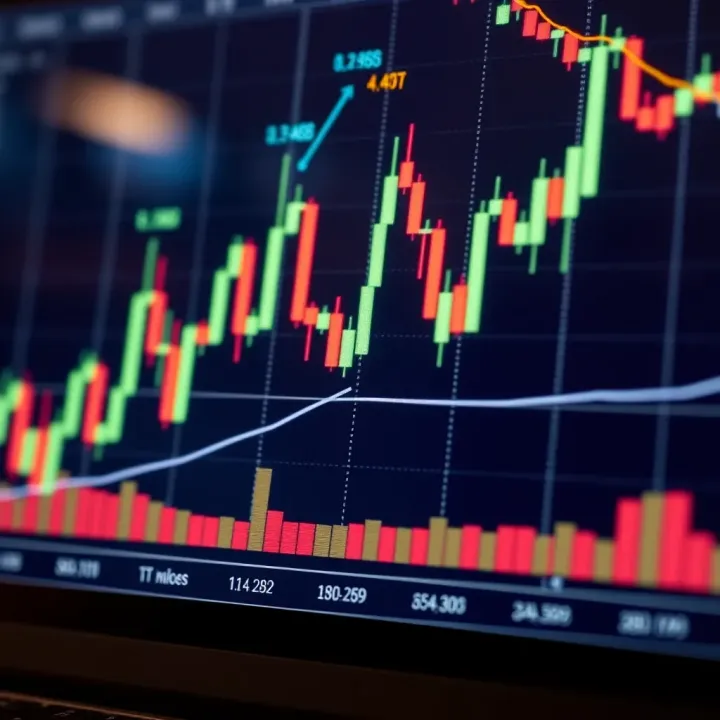
Each candlestick tells a story about price action during a trading session. When the closing price is higher than the opening price, the candlestick generally appears bullish—showing buyers pushed prices up. Conversely, when the price closes lower than it opened, sellers dominated, resulting in a bearish candle.
For example, on the Nigerian Stock Exchange (NGX), if a stock like Dangote Cement closes with a large bull candle after several small bearish candles, it indicates a shift where buyers may be stepping in aggressively. The size of the candle’s body and the length of its shadows (wicks) reveal the intensity of buying or selling pressure. Long upper shadows suggest sellers tried pushing the price down after a high peak, while a long lower shadow points to buyers supporting prices near the bottom.
Recognising this pressure helps traders spot potential entry or exit points. However, it is crucial to view candle signals within the broader market context and volume traded to avoid being misled by false signals.
Candlestick patterns can also suggest whether a price trend is likely to change direction or keep moving as it is. Reversal patterns like the Hammer or Shooting Star show indecision and potential for trend shifts. For instance, a Hammer appearing after a price drop on an equity like Zenith Bank may signal buyers regaining control, hinting at a possible upside reversal.
On the other hand, continuation patterns like the Bullish Engulfing or Three White Soldiers suggest that an ongoing trend, whether up or down, remains strong. In Nigeria’s forex market, spotting a Bullish Engulfing pattern in the USD/NGN pair during an uptrend can point to further gains, encouraging traders to hold or add to their positions.
Understanding these signals can sharpen your trading edge, enabling you to react swiftly to changing market moods and avoid costly mistakes.
Overall, mastering how candlesticks reflect market sentiment equips you to read price movements with greater confidence, adjust your strategies accordingly, and navigate the Nigerian financial markets more effectively.
Single-candle patterns form the foundation of candlestick analysis because they give immediate clues about market sentiment at a glance. Recognising these patterns helps you make quicker decisions about potential reversals or continuations without waiting for multiple candles. This section focuses on simple yet powerful formations like the hammer, hanging man, inverted hammer, shooting star, and varieties of doji, which you can spot on any chart, including those for Nigerian equities or forex pairs.
The hammer and hanging man share the same shape but carry different meanings depending on their position in a trend. Both have a small body near the top with a long lower shadow. A hammer appearing after a downtrend usually signals buyers stepping in, hinting at a possible upward reversal. For example, if MTN Nigeria’s share price shows a hammer after slipping for days, it suggests buyers may be gaining strength.
Conversely, the hanging man appears after an uptrend and warns sellers might soon take over. The long lower wick shows sellers pushed prices down during the session but buyers pulled back. Still, this tug of war can indicate weakening momentum. Recognising this pattern early on stocks listed on the NGX can help you prepare for possible pullbacks.
The inverted hammer looks like an upside-down hammer with a small body near the bottom and a long upper shadow. When it shows up after a downtrend, it suggests buyers tried to push prices higher but faced resistance. This can hint at a possible reversal upward if confirmed by the next candle.
The shooting star, however, appears after an uptrend and signals potential selling pressure. Its small body near the bottom and long upper shadow mean buyers pushed prices up but sellers quickly brought them back down. For example, if a shooting star emerges during forex trading on the USD/NGN pair, it could mean the naira will soon regain strength, so traders might consider locking profits.
A standard doji forms when the opening and closing prices are nearly identical, creating a very small or no real body. It reflects indecision in the market—neither buyers nor sellers hold firm control. For a trader, spotting a doji signals a pause in momentum and could mean a change in trend direction is near, especially after a strong move.
In practical terms, if you see a doji on the daily chart of CAD/NGN during forex trading, it alerts you to watch subsequent candles closely for confirmation of either a continuation or reversal.
The dragonfly doji has a long lower shadow with the open, high, and close at or near the top of the session’s range. This pattern suggests sellers pushed prices down aggressively during the session, only for buyers to step back and restore prices by close.
This formation at the bottom of a downtrend indicates strong support and potential for price to rise. For example, in the stock market, a dragonfly doji on the chart of Access Bank after a decline might signal that buyers are entering the market, making it a point to monitor closely.
The gravestone doji is the opposite: it displays a long upper shadow with opening, closing, and low prices near the session’s bottom. This pattern reveals failed attempts by buyers to sustain higher prices, with sellers regaining control by close.
When appearing after an uptrend, it warns of a possible bearish reversal. For instance, if such a pattern forms on the NGX share price of Dangote Cement during a rally, investors might want to be cautious, as it shows buying strength fading.
Understanding these single-candle patterns sharpens your market reading skills, enabling you to identify turning points or indecision promptly across Nigerian markets, whether stocks, forex, or commodities.
Multiple-candle patterns provide richer context than single-candle signals because they capture a sequence of market sentiment changes. These patterns, formed by two or more candlesticks, can indicate stronger signs of trend reversals or continuations. Traders and investors on platforms like the Nigerian Exchange (NGX) pay close attention to these patterns to refine entry and exit points, reducing the risk of false signals that single candles sometimes present.
Bullish Engulfing occurs when a small bearish candle is immediately followed by a larger bullish candle that completely covers, or “engulfs,” the prior candle’s body. This pattern often signals a shift from seller dominance to buyer control, especially when found near support levels or at the end of downtrends. For example, an NGX stock like Dangote Cement experiencing a sustained decline may show a bullish engulfing pattern indicating a possible bounce. Traders typically view this as a cue to consider buying or reducing short positions.
Bearish Engulfing is the mirror image: a small bullish candle is followed by a larger bearish candle that engulfs it, highlighting growing selling pressure. When spotted near resistance zones or at uptrend peaks, it warns of potential downward price moves. For instance, if an equity like MTN Nigeria surges but then forms a bearish engulfing pattern, it may suggest profit-taking or a trend reversal. Investors might respond by tightening stop losses or preparing to exit.
The Morning Star and Evening Star are reliable three-candle patterns that illustrate market turning points. The Morning Star, appearing after a downtrend, comprises a large bearish candle, a small indecisive candle (like a Doji), and then a strong bullish candle. This formation signals weakening selling and emerging buying interest, often prompting traders to consider long positions.
Conversely, the Evening Star forms after an uptrend, with a large bullish candle, a small indecisive candle, followed by a strong bearish candle. It warns of a coming drop, encouraging profit-taking or shorting strategies. Nigerian traders frequently watch these patterns during periods of volatility, such as ember months, to anticipate trend changes.
The Three White Soldiers pattern features three consecutive long bullish candles, each closing higher than the previous. This suggests sustained buying momentum and often confirms the start of a strong upward trend. Such formations can be valuable in fast-moving markets like forex or cryptocurrency trading, where quick confirmation of trend strength is vital.
On the other hand, the Three Black Crows pattern consists of three consecutive bearish candles, each closing lower. It signals persistent selling pressure and typically marks the start of a downtrend. Nigerian investors following crypto assets like Bitcoin or Ethereum might rely on this pattern to time exit points or hedge positions during bearish phases.
Identifying these multiple-candle patterns helps traders see the bigger picture beyond single moments, allowing more confident decision-making in Nigeria's dynamic markets.
Understanding these formations equips you to spot clearer signals and respond promptly to market shifts, whether you're trading stocks on the NGX or navigating forex and crypto markets.
The Nigerian financial markets have evolved rapidly, but many traders still rely heavily on technical tools to make sense of price movements. Candlestick patterns offer a straightforward way to read market sentiment and anticipate potential price moves across equities, forex, and cryptocurrencies. Applying these patterns in Nigerian markets is essential because they align with local trading dynamics, currency volatility, and market behaviours unique to the region.
On the Nigerian Exchange Group (NGX), candlestick patterns help investors identify entry and exit points amidst volatile sessions. For instance, a bullish engulfing pattern spotted in stocks like Dangote Cement or Zenith Bank often signals strong buying interest following a dip, prompting traders to consider buying or adding to positions. Because the NGX is somewhat influenced by macroeconomic factors like naira fluctuations and political events, patterns should be combined with news insights to increase accuracy.
Trading volumes on NGX can be thin for less liquid stocks, so it’s important to check volume confirmation before acting on candlestick signals. For example, a hammer candle forming alongside rising volume in MTN Nigeria may indicate a real reversal, increasing confidence in the signal. Overreliance on patterns without considering market depth or broader news may lead to false signals.
Candlestick analysis is widely used in Nigerian forex trading, especially with currency pairs like USD/NGN, EUR/USD, and cryptocurrencies such as Bitcoin and Ethereum. These markets move quickly, and candlesticks provide a clear visual snapshot of buyer or seller strength.
For example, during periods of naira instability, traders actively watch for doji candles on USD/NGN charts indicating indecision or possible reversals. In crypto, a shooting star pattern often warns of a bearish turn after a strong rally, allowing traders to adjust positions before sudden dips.
That said, forex and crypto markets are heavily influenced by global news, Central Bank of Nigeria policies, and regulatory updates. It means candlestick patterns should always be paired with fundamentals and risk management strategies like stop-loss orders.
Candlestick patterns aren’t foolproof and can mislead, especially in markets prone to manipulation or low liquidity, common in some Nigerian stocks. Traders sometimes jump into trades based solely on pattern appearance, ignoring context, which leads to losses.
A common mistake is reading patterns without confirming them with other technical tools like volume indicators, moving averages, or support and resistance levels. For example, a bearish engulfing candle in a strong uptrend may just be a temporary pullback, not a full reversal.
Also, Nigerian markets can be affected by sudden news events such as policy announcements or political uncertainties, which raw patterns can’t predict. Therefore, it’s essential to balance candlestick insights with up-to-date market information.
Remember, candlesticks are tools to interpret market psychology, not crystal balls. Use them wisely alongside other analysis methods to make smarter trading decisions in Nigeria’s fast-moving financial markets.
Applying these patterns thoughtfully can improve your trading edge on the NGX, forex platforms, or cryptocurrency exchanges serving Nigerian traders, but always consider local market conditions and risk factors before acting.
Understanding candlestick patterns becomes far more effective when coupled with real-world examples. This section anchors theoretical knowledge into practical scenarios, helping you spot these patterns in active markets and make better trading decisions. Nigerian traders, especially those active on the Nigerian Stock Exchange (NGX) or forex platforms like MTN Forex, benefit greatly from recognising these patterns early.
A Bullish Engulfing pattern signals a potential uptrend after a downtrend. Consider the shares of Dangote Cement, which may have been sliding due to profit taking. On one trading day, a small red candle shows sellers still in control. However, the next day’s green candle completely covers the previous day’s body, closing above it. This engulfing movement implies buyers have stepped in forcefully, overwhelming sellers.
In practice, once you spot this, you might wait for confirmation with increased volume or a higher close the day after before entering a long position. In Nigerian markets, where volume and liquidity can fluctuate, trusting this confirmation step reduces the chance of false signals.
A Hammer candlestick often marks a bearish-to-bullish reversal. Picture the period when GTBank stock dipped sharply because of a market shock. On the chart, the candle comprises a small body near the top with a long lower shadow. This means sellers pushed prices down, but buyers regained control, pushing prices back up before the close.
Traders could use this signal to prepare for an upward bounce. Yet, in the Nigerian context, it's wise to pair the Hammer with a day of strong buying or positive news about the company. This reduces the risk of acting on a deceptive pattern during volatile trading days common in the NGX.
The Doji candle reflects indecision as opening and closing prices are almost equal. For example, during election periods in Nigeria, forex pairs like USD/NGN often show Doji candles, reflecting market uncertainty.
Traders should see a Doji as a warning sign. It suggests momentum may stall or reverse, advising caution in placing trades. Usually, the direction after a Doji depends on the subsequent candle — a strong green candle after a Doji could confirm bullish resumption, while a red candle might signal continued weakness.
Remember: Candlestick patterns work best in context. Confirm with volume, market news, or other technical indicators before making trading decisions.
By applying these practical examples, you can sharpen your market reading skills and trade with more confidence, especially in Nigeria's dynamic trading environment.
📉 Learn how bearish reversal candlestick patterns like shooting star, bearish engulfing & evening star signal market downturns for smarter trading decisions.
📈 Learn key candlestick patterns in trading, from bullish to bearish signals, and master how to read market moves with this detailed, easy guide.
📊 Master candlestick patterns with our comprehensive guide! Learn to spot trends, interpret signals, and boost your trading skills with PDF resources 📈
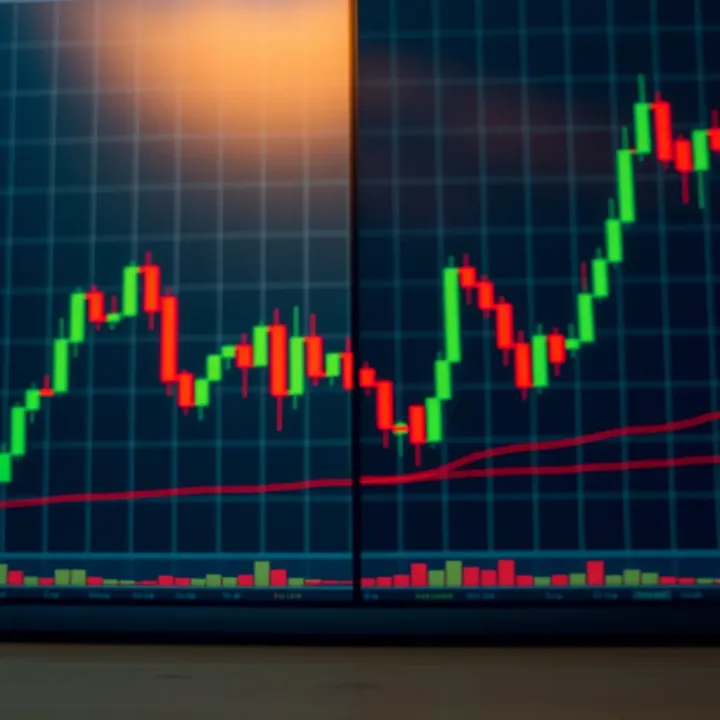
📊 Master 35 crucial candlestick patterns used in trading! Learn how to spot, understand, and apply them to boost your market decisions. Download helpful PDFs!
Based on 13 reviews