

Practical Benefits of Risk Management in Life and Business
Discover how risk management shields assets, boosts decision-making, ensures legal compliance, builds trust, and drives steady growth in business and life 📈🔒
Edited By
Charlotte Green
Risk management in project management is a strategic approach to identify, assess, and control uncertainties that can impact a project’s objectives. Without it, projects risk going off track, leading to wasted resources, missed deadlines, or even total failure. In the Nigerian context, where projects often face challenges like unstable power supply, fluctuating currency rates, and regulatory shifts, managing risk becomes even more critical.
At its core, risk management involves spotting potential problems before they surface—whether it’s supply chain delays due to import restrictions or cost overruns caused by sudden fuel scarcity. Once risks are identified, project teams evaluate their likelihood and potential impact. This helps in prioritising which risks need immediate attention and which can be monitored.
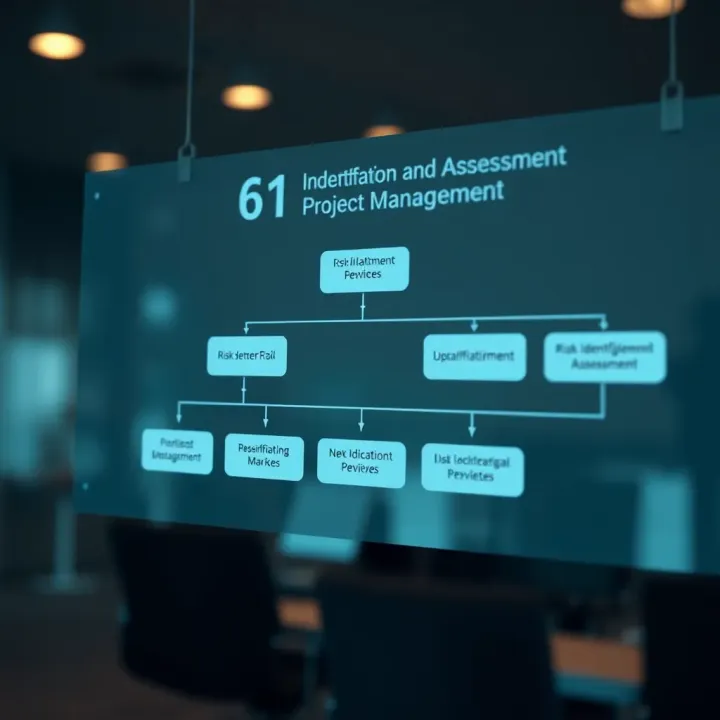
Planning for risk means drawing up strategies to mitigate or avoid threats. For example, a construction project in Lagos might budget extra for diesel fuel as backup during NEPA outages or source materials from multiple suppliers to reduce dependency on any single vendor. Tracking these risks throughout the project ensures timely responses when issues arise.
Effective risk management cuts down surprises and saves resources by tackling problems before they escalate.
In practical terms, Nigerian projects use tools like risk registers to document risks and their mitigation plans systematically. Digital spreadsheets or specialised project management software can keep this process organised and transparent for all stakeholders.
Understanding risk management isn’t just for project managers; traders, investors, and analysts benefit by recognising how projects handle uncertainty and safeguard investments. Clear risk practices boost confidence in project delivery, affecting financing and market reputation.
This article will explain the steps of risk management and show how they apply specifically to Nigerian projects, helping students and professionals gain practical insights into this essential discipline.
Risk management in project context is about recognising and handling uncertainties that could affect a project's goals. When you clearly define what counts as risk at the start, it helps the project team avoid surprises that might delay or derail the work. For example, a construction project in Lagos might face risks such as fluctuating material costs or unstable power supply. By understanding these upfront, the team can plan solutions like securing fixed-price contracts or installing backup generators.
Defining risk management also sets boundaries on what the project will monitor, who is responsible for what, and how the responses will be managed. This clarity improves communication among stakeholders and supports decision-making. Without a solid definition, teams may overlook threats or opportunities that could hugely influence success.
Risks are uncertain events that may happen and impact the project, either positively or negatively. The key is that these events aren't guaranteed—they are possibilities. For example, an unexpected change in government policy could increase taxes on imported machinery, raising project costs. These uncertain factors require attention because ignoring them can lead to costly delays or budget issues.
Teams must prepare for both potential problems and opportunities hidden within uncertainty. Recognising this helps in allocating resources wisely and prevents the project from running off course.
A common confusion is mixing up risks with issues. Risks are about what might happen, whereas issues are problems that are happening now. For instance, if the delivery of building materials is delayed due to bad roads, that is an issue needing immediate attention. Conversely, the risk might be that the supplier could change prices anytime, which hasn’t yet occurred.
This distinction matters because risk management focuses on anticipating and reducing the chance or impact of future problems. Issue management handles current obstacles, and often requires quick fixes or problem solving on site.
The main reason for risk management is to reduce the damage to project scope, time, cost, and quality. By identifying risks early, teams can develop strategies to avoid or reduce their effects. For example, during a software rollout in Abuja, recognising the risk of network failure might lead to arranging alternative data lines. This avoids costly work stoppages and client dissatisfaction.
Failing to manage risks could result in huge losses, wasted budget, and blown deadlines.
Risk management isn't just about avoiding harm but also about spotting chances for the project to do better. Some risks come with upside potential like faster delivery if a new technology performs better than expected. Teams who manage risks well can take informed gambles that improve project results.
For instance, a developer may decide to use a tokunbo (imported second-hand) piece of equipment at a lower cost, balancing risk with potential savings.
Projects often face unexpected disruptions—from labour strikes to supply chain hiccups—which can cause work stoppages. Effective risk management ensures that contingencies are in place so the project can continue even when problems arise.
Maintaining continuity helps avoid cascading delays and keeps stakeholders confident in the project's progress. In Nigerian contexts, where things like power outages or transport delays are common, continuity planning is critical.
Well-defined risk management improves awareness, reduces surprises, and keeps projects on track despite uncertainty. This discipline is especially vital in Nigerian projects where external factors can abruptly shift the playing field.
Risk management in projects isn't just a one-time task; it's a cycle that involves several deliberate steps. Following a clear process helps teams spot potential problems early, measure how serious they are, plan ways to handle them, and keep track as the project moves along. This approach reduces nasty surprises that could stall or blow the budget, making sure projects have a smoother ride from start to finish.
Spotting risks at the start is like noticing a leak before it floods the house. Techniques such as brainstorming sessions, expert consultations, and reviewing similar past projects can unearth risks lurking beneath the surface. For instance, a construction project in Lagos may identify supply chain delays due to poor road networks as an initial risk.
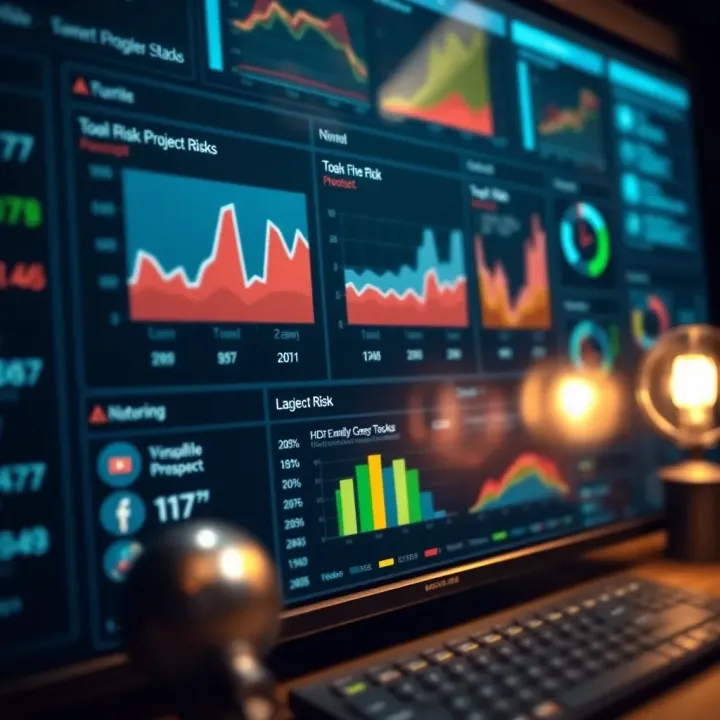
Involving stakeholders is essential here. Those directly affected or responsible—clients, contractors, regulators—often have insights that the project team might miss. Bringing them into early discussions ensures a broader perspective, better risk recognition, and increased buy-in for mitigation plans.
Once risks are identified, qualitative analysis involves assessing their nature through expert judgement to understand severity and potential impact, often using simple tools like risk probability-impact charts. Quantitative analysis, on the other hand, uses numerical methods such as simulations or statistical models to predict financial or time losses. In Nigerian projects, this might mean calculating how currency fluctuations (naira volatility) could inflate costs.
Assessing likelihood and impact helps prioritise which risks demand immediate attention. A low-likelihood, high-impact event might still warrant preparation, while more frequent risks with manageable consequences may be monitored. This focus ensures scarce resources target the riskiest threats effectively.
Risk responses fall mainly into four categories: avoidance (eliminating the risk source), mitigation (reducing its effect), transfer (passing risk to another party, e.g. insurance), and acceptance (acknowledging the risk without active response). For example, a project facing power supply challenges might mitigate by installing backup generators or transfer risk by contracting a power supplier.
Assigning clear responsibilities and resources to these actions is key. Without accountability, plans can falter. Deciding who handles what and ensuring budgets cover these activities prevent last-minute scrambles and keep the risk strategy operational.
Monitoring risk indicators — like shifts in market prices, political developments, or supplier reliability — lets teams catch early warning signs before problems escalate. Regular risk reviews integrated into project meetings keep the team aware and ready.
Plans must be flexible. If a new regulation hits or a key supplier fails to deliver, risk response strategies may require adjustment. Adaptive management avoids rigid plans that become irrelevant as circumstances change, particularly in Nigeria’s dynamic business environment.
Effective risk management is not a luxury but a necessity—especially in environments where unpredictability is common. Following these steps systematically equips project teams to stay ahead of trouble and deliver results consistently.
Understanding the kinds of risks common in Nigerian projects is essential for managing them effectively. Nigerian projects face unique challenges shaped by economic volatility, infrastructure gaps, and regulatory dynamics. Recognising these specific risk types helps project managers prepare better and minimise surprises that might derail goals.
The Nigerian Naira generally experiences wide swings against major currencies like the dollar or euro, driven by oil price shifts, foreign exchange restrictions, and macroeconomic policies. These fluctuations impact project costs, especially when foreign materials, services, or equipment priced in dollars are involved.
For instance, a construction project budgeted at ₦500 million might suddenly require more naira to cover imported cement or machinery if the naira weakens by 20%. This volatility creates uncertainty around exact project costs and complicates financial planning.
Frequently, projects in Nigeria run over budget due to inflationary pressures, rising fuel prices, and unexpected expenses. The ember months often see spikes in fuel costs, affecting generator and transport expenses, which quickly inflate overall budgets. Poor initial estimates or delays can also push costs up.
An oil and gas facility renovation, for example, may start with a ₦2 billion budget yet face overruns of 15–25% due to sudden material price hikes and prolonged downtime caused by logistical hold-ups. Project managers must therefore build contingencies for cost escalations linked to economic instability.
Nigeria's erratic electricity supply forces many projects to rely heavily on generators. These generators increase operational costs significantly, as fuel prices fluctuate and maintenance demands grow. Unsteady power supply can also delay activities that depend on a steady current, like IT-based monitoring or manufacturing.
A manufacturing plant in Lagos might plan for 10 hours of daily generator usage, costing over ₦500,000 monthly in diesel alone. Power interruptions cause downtime, reducing productivity and stretching timelines.
Traffic congestion (especially in Lagos and Abuja) and poor road conditions commonly disrupt project schedules. Deliveries of equipment or materials can get delayed due to danfo crashes or blocked highways, increasing storage and labour costs.
Projects often rely on a patchwork of transport options—from okadas for quick materials delivery in urban areas to trucks navigating unpaved rural roads. Sudden regulatory changes affecting transport permits can also stall movement and impact timelines.
Policy shifts impact project execution, often without much notice. For example, new regulations on import tariffs or environmental clearances can add unexpected hurdles or require project scope adjustments.
In 2023, several infrastructural projects encountered delays after government introduced stricter environmental assessments, forcing redesigns and extra approvals. Such unpredictability increases the need for agile risk management.
Project teams must navigate complex tax laws and licensing rules—which may vary between states—adding compliance risk. Failure to secure correct permits or misinterpretation of tax obligations can lead to fines or work stoppages.
Construction firms working across states like Lagos and Rivers face different licensing fees and tax regimes. Continuous liaison with legal and tax advisors helps in planning for these regulatory demands and avoiding costly penalty risks.
Recognising and addressing these common risks in Nigeria's project environments allows for more realistic planning and targeting successful project delivery despite the challenges.
Managing risks effectively in projects requires more than good intentions — it demands practical tools and techniques that help keep risks in check. Tools like the risk register and risk matrix provide clear ways to identify, organise, and prioritise potential risks so project managers can react appropriately. Meanwhile, software platforms with integrated risk features help teams coordinate and monitor risks in real time, ensuring timely adjustments. These tools are especially relevant in Nigerian project environments, where complexities like currency fluctuations and infrastructure challenges demand vigilance.
A risk register is a simple yet essential document that lists all identified risks together with details such as their description, likelihood, impact, and planned responses. Creating one begins with gathering inputs from the project team and stakeholders to spot risks that might affect the project’s objectives. For instance, a construction project in Lagos might include risks like delays caused by heavy traffic or interruptions from power outages.
Using the risk register involves regularly updating it with new risks and noting progress on existing ones. This ongoing tracking helps the project team keep risks visible and take corrective measures early. It also assigns responsibility, making sure someone is in charge of managing each risk.
A risk matrix is a visual tool that displays risks based on their likelihood and potential impact, typically on a grid ranging from low to high. For example, a risk of a supplier delay might rank as high likelihood but medium impact, while sudden regulatory changes might have low likelihood but high impact.
This visualisation helps project managers quickly identify which risks need urgent attention and resources. It prevents the team from losing focus by separating high-priority risks from minor ones. In the Nigerian context, where rapid policy shifts or naira volatility can disrupt projects, this clarity is particularly valuable.
Digital project management platforms often come with built-in risk management modules that allow teams to log, categorise, and monitor risks within one ecosystem. This integration saves time and reduces the chances of miscommunication. For instance, Microsoft Project allows users to add risk details directly to tasks and links mitigation plans to project timelines.
These platforms also offer dashboards and alerts, keeping risk-related data visible to all team members and sponsors. This transparency is vital, especially when teams are spread across different locations or when multiple contractors are involved, a common setup in Nigerian infrastructure projects.
Microsoft Project and Oracle Primavera remain popular globally and in Nigeria for large-scale project planning and risk monitoring. However, local tools have also emerged, tailored to Nigerian business environments and challenges. For example, platforms like Workz and Bizzport offer risk management features alongside budgeting and procurement functions suited for Nigerian SMEs.
Using these digital solutions helps teams adapt faster to problems by providing real-time risk analytics and fostering collaboration. With issues like fluctuating electricity supply or unsteady supply chains common here, having accessible, user-friendly software aids in keeping projects on track and within budget.
Effective risk management tools and techniques turn abstract uncertainties into manageable tasks, helping Nigerian projects avoid costly surprises and stay on course towards success.
Effective risk management sharpens a project’s ability to face uncertainties head-on, reducing the chances of surprise setbacks and unnecessary costs. Nigerian projects, given their local challenges—from currency fluctuations to power supply issues—stand to gain much more when risks are properly managed. This section highlights key benefits, grounded in real-world applications.
Risk management helps projects avoid unexpected obstacles that often translate into extra expenses or delayed timelines. For instance, a construction project in Lagos that anticipates frequent power outages can budget for additional generator fuel costs upfront rather than scrambling when the next blackout hits. Identifying risks early through detailed analysis lowers the chances of budget overruns by spotting issues such as procurement delays, inflation in material prices, or sudden regulatory changes before they escalate.
The risk register, often updated regularly on platforms like Microsoft Project, becomes a practical tool for flagging emerging issues. This foresight ultimately preserves project finances and schedules, preventing common landmines Nigerian projects frequently encounter.
Stakeholders, including investors, clients, and regulatory bodies, want assurance that their resources and expectations are safeguarded. Effective risk management provides transparent frameworks for anticipating and handling risks, showing due diligence in safeguarding project objectives.
When project teams communicate clearly about potential risks and mitigation plans—say, managing transport disruptions by pre-arranging multiple logistics providers in Abuja or Kano—it builds trust. Such openness boosts confidence, making it easier to secure support or additional funding when necessary. Importantly, stakeholders perceive the project as professionally managed, reducing pressure during ember months when economic activities intensify.
Ultimately, risk management sharpens the project’s ability to deliver on time, within scope, and at expected quality levels. By comprehensively addressing risks—from technical glitches in software development to community opposition in infrastructure projects—teams can adapt quickly and avoid costly reworks.
For example, a tech startup in Nigeria aware of potential cybersecurity risks might invest early in strong data protection measures, avoiding breaches that could damage user trust and stall growth. When risks are handled proactively, projects preserve their momentum and credibility, leading to better overall outcomes.
Good risk management doesn't just protect; it empowers project teams to navigate uncertainty confidently and deliver strong results.
In summary, applying risk management in Nigerian projects reduces unexpected costs, raises stakeholder trust, and improves delivery success—three pillars critical to thriving in complex business environments.
Discover how risk management shields assets, boosts decision-making, ensures legal compliance, builds trust, and drives steady growth in business and life 📈🔒

Explore essential tips for choosing the best trading app in Nigeria 🇳🇬. Learn about security, fees, features, and top platforms for every trader 📈📱.

📈 Explore how binary options work and their risks tailored for Nigerian traders. Learn smart strategies, regulation tips, and risk management to trade wisely.
📊 Discover how binary investment works in Nigeria 🇳🇬, explore key types, risks, and top tips to trade smart and protect your finances in today’s market.
Based on 15 reviews