

Best Forex Trading Books for Nigerian Traders
📘 Discover top forex trading books tailored for Nigerian traders 🇳🇬. Learn practical tips, market insights, & improve your skills effectively today.
Edited By
Henry Morgan
Navigating the world of forex trading can be tricky, especially if you're starting without the right guidance. For Nigerian traders, understanding the nuances of forex markets is essential to avoid common pitfalls and maximise profits in an unpredictable economy. This is where quality PDF books come in — they offer accessible, well-organised information suited to beginners and experienced traders alike.
Forex trading involves buying and selling currency pairs, and its success hinges on grasping market fundamentals, technical analysis, and risk management. Nigerian traders face additional challenges like naira volatility, limited access to reliable data, and fluctuating global oil prices affecting local liquidity. So, choosing the right educational materials tailored to these realities is critical.

A good forex trading book should cover several core areas:
Basics of forex markets: how currency pairs trade, market hours, and factors influencing forex prices
Technical and fundamental analysis: reading charts, using indicators, and interpreting economic news
Trading strategies suited to volatile emerging markets: adapting to sudden shifts common in Nigeria's economic landscape
Risk and money management: protecting your capital amid fluctuations and naira depreciation
In practical terms, books that include real-life Nigerian market examples, or those from international authors with clear explanations, tend to serve traders best. For instance, understanding how Central Bank of Nigeria (CBN) policies or fuel subsidy changes impact forex can turn theoretical knowledge into actionable insight.
Solid forex trading knowledge starts with reliable resources. Investing time in reading well-written, tailored PDF books can sharpen your trading decisions, improve discipline, and ultimately grow your ₦ portfolio.
When searching for PDF materials, ensure they are up-to-date and easy to understand. Practical guides that don’t bury you under jargon, loaded charts, or overly theoretical content work better for the Nigerian context. Keep an eye out for books by respected authors or institutional publishers recognised in the finance space.
By dedicating effort to study from these resources, Nigerian traders unlock the potential to trade forex confidently—remember, successful trading is a mix of knowledge, practice, and patience tailored to your unique environment.
Grasping the basics of forex trading is essential for any trader, especially in Nigeria where market dynamics can shift quickly. Understanding the foundations helps you avoid costly mistakes and navigate the market with confidence. This knowledge shapes how you interpret price movements, assess risk, and choose strategies that fit your trading style and economic environment.
Forex trading involves buying and selling currencies to profit from changes in their exchange rates. It operates in a global, decentralised market running 24 hours daily, except weekends. For Nigerian traders, this means continuous opportunities but also the need to consider timing and economic events that impact currency values.
Currency pairs are the core of forex trading. Each pair consists of a base currency and a quote currency, for example, USD/NGN, where you buy or sell US dollars against the Nigerian naira. Trading works by speculating on whether the base currency will strengthen or weaken compared to the quote currency. For instance, if you expect the dollar to gain against the naira due to economic shifts or CBN policies, you might buy USD/NGN to profit from that movement.
Understanding key terms like pips, lots, leverage, and margin is crucial for managing trades effectively. A pip measures the smallest price movement in a currency pair — often the fourth decimal place. For example, if USD/NGN moves from 466.00 to 466.10, that 0.10 change equals one pip. Lots represent trade size; a standard lot equals 100,000 units of the base currency but beginners often trade mini lots or micro lots to limit exposure.
Leverage allows traders to control bigger positions with less capital, sometimes up to 100:1, but it also amplifies losses. Margin is the amount required to open a leveraged position, acting as a deposit. Nigerian traders must be cautious with leverage because volatile conditions like sudden naira depreciation can wipe out funds quickly.
Spreads and volatility affect your trading costs and potential profits. The spread is the difference between the buying and selling price, usually measured in pips. Brokers in Nigeria might offer variable spreads depending on market activity; tighter spreads reduce costs. Volatility is how much a currency price fluctuates—high volatility means bigger swings, which can lead to faster gains but also significant losses. For instance, during foreign exchange policy announcements by the Central Bank of Nigeria (CBN), volatility spikes.
Successful forex trading starts with solid knowledge of these basics—they affect every trade's outcome and your overall strategy.
By understanding these core elements, Nigerian traders can navigate the forex market more confidently and make decisions grounded in the realities of both global and local currency movements.
Choosing the right Forex trading PDF books is essential for Nigerian traders who want to build reliable knowledge and avoid costly mistakes. Not all materials available online or elsewhere maintain the same level of quality, so knowing what to watch out for is key. This section breaks down the main criteria that ensure your study resources are both credible and relevant to local trading conditions.
Sources of trusted forex materials usually come from established financial experts, respected institutions, or authors with verifiable experience in forex trading. For example, books published by forex brokers regulated by the Nigerian Securities and Exchange Commission (SEC), or those authored by well-known traders who offer transparent track records, generally guarantee higher accuracy. Such sources often provide updated market insights rather than the recycled or vague content that floods the internet.
When choosing PDF books, pay attention to endorsements from reputable financial educators or citations within Nigerian trading communities. Forex platforms like FXTM, HotForex, or educational centres like the Nigerian Forex Academy often recommend reliable books based on practical trading success rather than theoretical noise.
Avoiding outdated or misleading content is crucial because forex markets evolve rapidly. Information written five or more years ago may not cover recent changes like new CBN regulations, evolving currency policies, or shifts in global economic patterns impacting the naira. For instance, materials ignoring the effects of persistent naira depreciation on USD/NGN trading pairs might mislead traders trying to apply rigid strategies.
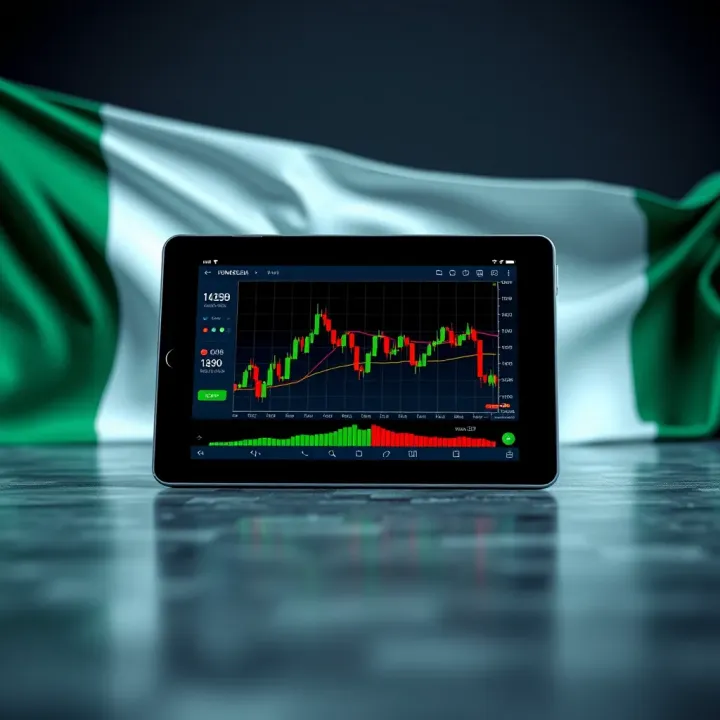
Cross-check publication dates and prefer PDFs that have been revised or updated recently. Some resources might still circulate with obsolete recommendations on leverage or risk management, which can quickly drain the capital of new traders. Always verify content with current market realities or supplementary sources.
Consideration of local regulations and currency challenges determines how practical the book is for Nigerian traders. The Central Bank of Nigeria (CBN) frequently enforces policies affecting currency flows and foreign exchange availability. Therefore, PDF books tailored to Nigeria's regulatory environment explain how traders can navigate limits like the Official vs Parallel FX markets, understand restrictions on speculative trading, and manage naira volatility.
An example is a book that discusses how currency controls influence forex brokers' operations in Nigeria or explains the impact of CBN's monetary policy rate changes on forex liquidity. This localisation helps traders make realistic plans instead of blindly applying foreign strategies that do not fit Nigerian economic circumstances.
Traders’ needs in the Nigerian economic environment often differ from global norms due to factors like inconsistent power supply, internet connectivity issues, and the high cost of reliable data. A PDF book that offers practical advice on trading during local market hours, using mobile-friendly platforms like OPay or PalmPay, and managing risks linked to economic shocks (fuel subsidy removal, political unrest) is significantly more valuable.
Moreover, Nigerian traders usually trade smaller capital amounts compared to international counterparts. Hence, books addressing low-risk approaches, sensible leverage, and capital preservation resonate better. They help traders build confidence slowly without rushing into risky trades driven by hearsay.
Selecting quality Forex trading books with these criteria improves your odds of trading success in Nigeria's unique forex environment. It saves time, limits losses, and sharpens your understanding of how local and global forces shape the markets you engage with.
By focusing on credibility, up-to-date information, and local relevance, Nigerian traders can find PDF books that serve more than theory — they offer concrete tools for smart trading and sustained growth in the forex market.
For anyone new to forex trading, choosing the right resources can make a world of difference. Recommended PDF books for beginners serve as a solid foundation, helping new traders grasp essential concepts without getting overwhelmed. These books break down complex ideas into simple language, easing the learning curve. They’re especially relevant for Nigerian traders who face unique challenges like currency volatility and market restrictions.
Books simplifying forex basics help demystify the market’s core components. Instead of wrestling with jargon-heavy explanations, novices get straightforward coverage of currency pairs, market hours, and basic trading mechanics. For example, a well-regarded guide might walk you through how to open a live or demo trading account with Nigerian brokers or fintech platforms like Kuda and OPay, showing practical steps rather than theory. This clarity helps new traders build confidence early on.
Key takeaways for new traders in such guides focus on manageable strategies and risk control. Beginners learn to interpret simple charts, understand pips and lots, and why leverage should be used carefully. These books often emphasise practical advice, such as starting with small trades or practising with demo accounts before committing real naira. This hands-on approach prepares traders to face Nigeria’s sometimes volatile forex scene and minimize losses.
Importance of mindset in trading cannot be overstated. Many novice traders trip up not because they lack knowledge, but due to poor emotional control when the market moves unexpectedly. Books dedicated to trading psychology teach how to handle fear, greed, and impatience — emotions that can cloud judgment and lead to rash decisions. For example, understanding the ‘loss aversion’ bias helps traders stay calm during a losing streak rather than chasing losses recklessly.
Books focusing on discipline and risk control offer practical techniques for sticking to trading plans and managing exposure. They stress the value of setting stop-loss levels, avoiding over-leverage, and limiting daily trading capital. Such lessons are crucial given Nigeria's high inflation and naira depreciation, which can tempt traders to take uncalculated risks. Resources by authors like Mark Douglas and Brett Steenbarger have proven particularly useful for traders seeking to sharpen self-control and consistency.
Developing a disciplined mindset prepares Nigerian traders to weather market swings and make clear-headed decisions, which is often the difference between success and failure.
Overall, beginner-friendly forex trading PDF books balance theory with practice, laying the groundwork for sustained improvement. Nigerian forex traders who commit to studying these resources will find themselves better equipped to navigate both local and international market conditions confidently.
Advanced trading strategies move beyond the basics to help traders manage risks better and spot profit opportunities more reliably. For Nigerian traders, having access to well-explained PDF books covering these strategies is vital because the forex market reacts not just to global trends but also to local economic factors like naira fluctuations and CBN policies. These resources introduce techniques that sharpen decision-making, helping traders to avoid common pitfalls and navigate volatile markets with more confidence.
Chart analysis forms the backbone of technical forex trading. It involves studying price charts to identify recurring patterns like head and shoulders, flags, or double tops that often signal potential market moves. For example, spotting a ‘double bottom’ pattern in the USD/NGN pair might hint at an upcoming price rise, giving the trader a chance to enter the market before the change happens.
Indicators such as the Relative Strength Index (RSI), Moving Averages, and Bollinger Bands help interpret market momentum and volatility. These tools add layers of insight to raw price data, telling traders when a currency is overbought or oversold, which guides entry or exit decisions.
Successful application of technical tools requires understanding their strength and limits. No indicator works perfectly alone; combining multiple indicators reduces false signals. For instance, a trader might wait for RSI to show oversold conditions before confirming a buy with a Moving Average crossover.
For Nigerian traders, software platforms like MetaTrader or TradingView often support these tools and come in handy alongside PDF guides. Experimenting with these technical tools on demo accounts helps solidify skills before risking actual ₦ capital. Effective use of these methods means staying disciplined, avoiding emotional decisions, and always adhering to a strategy.
Fundamental analysis focuses on economic indicators such as interest rates, inflation, and GDP figures. Understanding Nigeria’s inflation rate, for example, gives insight into the naira’s buying power, which directly affects forex market behaviour.
GDP growth numbers from Nigeria or trading partners like the US influence currency strength. If Nigeria’s economic data shows strong growth, the naira might appreciate, attracting traders to buy ₦-denominated assets. Forex books explain how to interpret these numbers and anticipate their impact on currency pairs.
Global news events—like changes in US Federal Reserve policies or oil price shifts—affect forex markets worldwide. Since Nigeria’s economy relies heavily on oil exports, fluctuations in oil prices directly influence the naira’s value.
Likewise, local news such as CBN’s monetary policy decisions or political developments can trigger sharp forex market moves. Traders who keep abreast of these news through reliable sources and integrate this knowledge with fundamental analysis strategies from PDF books will better position themselves for profitable trades.
Mastering advanced strategies through practical guides ensures Nigerian forex traders operate smarter, adapt to rapid market changes, and safeguard their investments effectively.
By combining technical and fundamental analysis techniques presented in quality PDF books, traders enhance their ability to read the market from different angles. This makes trading less guesswork and more calculated moves, key to success in forex trading within Nigeria’s unique economic setting.
Using forex trading PDF books to their fullest requires more than just reading. It involves combining theory with practice and staying updated on market changes to sharpen your trading skills. For Nigerian traders, this practical approach can make a significant difference, especially given the unique challenges in our market like naira volatility and regulatory shifts.
One of the smartest ways to use forex trading books is by applying learned strategies on demo accounts. These accounts let you trade in real market conditions without risking your hard-earned money. For example, if a book introduces you to Fibonacci retracement or moving average crossovers, try out those strategies on a demo platform like MetaTrader 4 or OANDA.
This hands-on practice helps you understand how these tools perform in the Nigerian market environment, considering factors like local market hours and naira exchange behaviours. You avoid costly mistakes that could seriously affect your trading capital by testing out different approaches first.
Mistakes are part of the learning curve in forex trading. But using PDF books allows you to review what went wrong and how to adjust. Say you notice repeated losses when applying a certain risk management method from a PDF guide; this feedback encourages you to review that material or seek alternative tactics.
This reflective process is critical. Unlike reckless trial and error, learning from past mistakes while consulting clear, reliable resources ensures you grow more competent. For instance, understanding why high leverage caused a loss on a USD/NGN trade can keep you cautious in future deals.
No single resource covers everything. Combining PDF books with online tutorials and community forums gives you multiple viewpoints and updated insights. Forums like Forex Factory or local Nigerian trading groups help you discuss your findings from books and validate or question strategies based on real experiences.
For example, if a PDF suggests a particular entry point, Nigerians on forums might add how fuel scarcity or local economic news affect price movements at that time. This interplay enhances your understanding and prepares you better for actual market conditions.
Forex markets change fast, and so do trading techniques. Relying on just one book can leave you outdated. Complement PDF learning with news from trustworthy sources and periodic updates to stay ahead.
Keep an eye on how the Central Bank of Nigeria's policies or global oil price swings influence naira pairs. Also, new indicators or algorithmic trading styles might emerge in podcasts or webinars. Combining these with foundational book knowledge builds a solid, flexible trading approach.
Consistent learning and practical application go hand in hand. By using forex trading PDF books actively and blending them with real trading and current information, Nigerian traders can significantly improve their chances of success.
📘 Discover top forex trading books tailored for Nigerian traders 🇳🇬. Learn practical tips, market insights, & improve your skills effectively today.
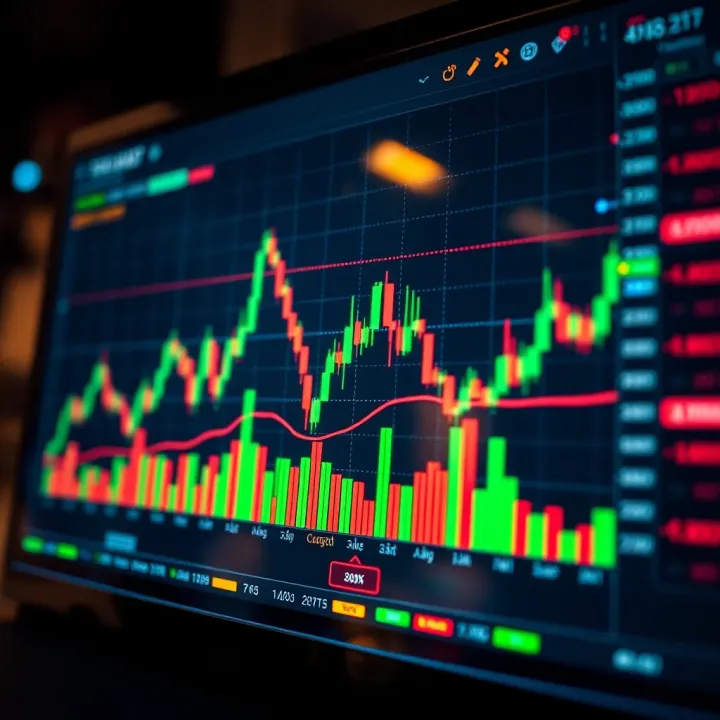
📈 Discover top forex trading indicators every trader in Nigeria should know. Learn how to analyze trends, combine tools, and manage risks effectively for smarter trades.

Discover top forex trading books every Nigerian trader should read 📚. Master strategies, risk management, and trading psychology to excel in the forex market.

📚 Discover top forex trading books for Nigerian traders! Get practical tips, market insights, and risk management strategies tailored to your level.
Based on 10 reviews