

Practical Benefits of Risk Management in Life and Business
Discover how risk management shields assets, boosts decision-making, ensures legal compliance, builds trust, and drives steady growth in business and life 📈🔒
Edited By
Emily Carter
Risk management is about spotting potential dangers, measuring their impact, and taking steps to reduce harm to a business’s money, operations, or reputation. In Nigeria, where market volatility, regulatory shifts, and infrastructural challenges are common, understanding different risk types is vital for any trader, investor, or finance analyst.
When businesses handle risks properly, they avoid sudden shocks that can drain capital or damage their standing. For instance, a trader dealing with foreign exchange risks must monitor naira fluctuations carefully to protect gains. Similarly, an oil company must prepare for operational risks like pipeline theft or downtime.
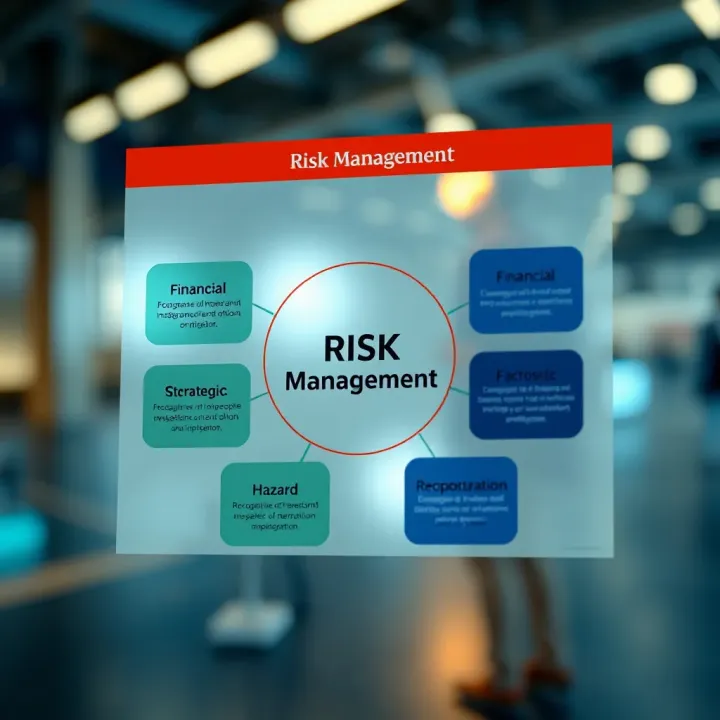
Risk management isn't a one-size-fits-all approach. Instead, it splits into key categories, each with practical applications:
Financial Risk: Covers currency shifts, credit defaults, and market volatility. Nigerian banks, for example, use credit scoring and diversification to reduce loan defaults.
Operational Risk: Arises from internal failures like power outages or staff shortages. Many small businesses rely on generators to cushion against erratic power supply from DISCOs.
Strategic Risk: Happens when bad decisions or market shifts affect long-term plans. A telecom firm entering a saturated market without enough research faces this risk.
Hazard Risk: Includes accidents, natural disasters, or theft. Nigerian companies often insure assets against fire or flood damage, common hazards in urban and rural areas.
Compliance Risk: Related to failing to follow laws and regulations. Firms must keep up-to-date with CBN directives and tax policies from FIRS to avoid penalties.
Reputational Risk: Damage to a company’s image from scandals or poor service. Social media complaints can quickly spiral, affecting customer trust.
Effective risk management protects not only profits but also the credibility that businesses need to thrive, especially in Nigeria’s complex environment.
Understanding these types helps investors and finance professionals develop tailored strategies. Recognising the distinct challenges Nigerian markets pose allows more precise decision-making and better resource allocation. This lays a strong foundation for exploring specific approaches in risk management.
Understanding risk management is foundational for traders, investors, and finance analysts who operate in Nigeria's dynamic business environment. It equips organisations to identify potential threats early, assess their impact, and put in place practical controls to minimise losses or disruptions. For example, a small-scale agro-business might face risks from unpredictable weather or pest infestations; recognising these risks allows the business to plan for insurance or alternative supply chains.
Risk management involves a systematic process of spotting possible hazards, evaluating their potential effects, and deciding how best to respond. The core objectives include protecting assets, ensuring business continuity, complying with laws, and safeguarding reputation. Unlike reacting to problems after they arise, a sound risk management plan proactively addresses vulnerabilities. For instance, banks in Nigeria regularly assess credit risks from borrowers and apply strict lending criteria to reduce default chances while balancing growth ambitions.
Effective risk management is not about avoiding all risks but managing them smartly to support sustainable growth.
In Nigeria, risk management plays a critical part given unique challenges such as currency volatility, power outages, and regulatory shifts. Nigerian companies that integrate risk management practices reduce exposure to costly surprises. Take the example of an e-commerce startup; by planning for cyber security threats and logistics delays caused by traffic jams or fuel scarcity, it can maintain customer trust and service quality.
Moreover, complying with government regulations through proper risk assessment helps firms avoid fines and operational restrictions, especially in sectors like banking, telecommunications, and oil & gas. In the informal sector, many traders use rudimentary risk management by diversifying suppliers or keeping emergency cash reserves. This practical approach helps cushion against shocks like sudden price hikes or market closures.
To sum up, understanding risk management and applying it effectively helps Nigerian businesses stay resilient. It ensures they can weather economic uncertainties and shifting environments while staying competitive and compliant.
Financial risk management plays a vital role for businesses in Nigeria, where economic fluctuations and currency instability are common. It helps firms protect their assets and earnings against losses caused by financial uncertainties. This form of risk management involves identifying potential financial threats and putting strategies in place to minimise their impact.
Impact of naira volatility: The naira’s fluctuating value is a daily headache for many Nigerian businesses, especially those relying on imports or foreign transactions. For example, an importer paying suppliers in dollars may suddenly face higher costs if the naira weakens against the dollar. This unpredictability can hurt profit margins and make budgeting difficult. Companies operating in sectors like oil and gas or manufacturing often see these exchange rate crashes translate directly into higher production costs.
Beyond just cost issues, naira volatility also affects investor confidence. Share prices on the Nigerian Exchange (NGX) can be volatile when currency risk is high, complicating financing options for businesses. So, managing exposure to this risk is not just about immediate cash flows but also maintaining investor trust.
Managing foreign exchange exposures: To handle currency risks, Nigerian firms can use tools like forward contracts and futures agreements to lock in exchange rates. For instance, a business expecting to pay ₦50 million in foreign currency next quarter could enter a forward contract to fix the conversion rate today, shielding profits from future naira depreciation.
Besides hedging, diversifying revenue streams to include sales in stable foreign currencies can also reduce exchange rate exposure. Some local exporters, for example, invoice buyers in euros or dollars rather than naira to protect themselves from domestic currency swings.
Credit default risk: Nigerian businesses extending credit to customers or partners face the risk that these parties might fail to pay back on time or at all. For example, a company supplying goods to retailers on credit may suffer cash shortages if retailers default. This risk demands thorough credit assessments and proper due diligence.
Financial institutions like banks place considerable emphasis on credit risk models to evaluate borrowers’ repayment abilities. Similarly, non-financial firms should regularly review customer payment patterns and have clear credit terms to reduce default risks.
Cash flow and liquidity management: Maintaining steady cash flow is a lifeline for businesses in Nigeria’s unpredictable environment. Interruptions caused by delayed payments or unexpected expenses can lead to liquidity crunches, threatening operations.
Practical cash flow management involves regularly forecasting inflows and outflows, ensuring enough working capital to meet obligations. Businesses might maintain contingency reserves or arrange overdraft facilities with banks as cushions against shortfalls.
Effective financial risk management is not just about avoiding losses but about building resilience, enabling Nigerian businesses to thrive despite economic ups and downs.
By understanding and actively managing these financial risks, Nigerian firms can secure their finances and focus on growth initiatives with greater confidence.
In Nigeria's dynamic business environment, operational risk management is vital for sustaining everyday activities without disruptions. It focuses on identifying, assessing, and curbing risks that affect internal processes, supply chains, technology, and infrastructure. Nigerian firms that master this can prevent losses, improve efficiency, and avoid costly delays.

The Nigerian transport system has long been plagued by issues such as poor road networks, traffic congestion, and unreliable public transport. For businesses, this means frequent delays in moving goods from suppliers to warehouses or customers, increasing costs and hampering service delivery. Take Lagos, for instance, where the infamous danfo buses and okadas crowd roads and cause gridlocks regularly, making timely delivery a serious headache.
Companies dealing in perishables like fresh produce or pharmaceuticals find these delays particularly painful because spoilage risks mount with every hold-up. Operational risk management in this context involves planning alternative routes, consolidating shipments, or partnering with more reliable logistics companies to mitigate time wastage and damage.
Nigerian businesses often depend on local and tokunbo suppliers who sometimes fail to meet quality standards or delivery schedules. Unexpected supplier defaults or stock shortages can cripple production lines or lead to missed sales opportunities. This risk amplifies when suppliers operate without robust contingency plans or limited capacity.
To manage inventory risks, firms use strategies like maintaining buffer stocks or conducting regular supplier audits to ensure reliability. For example, manufacturers may diversify supplier bases across different regions, ensuring that disruptions in the Southeast don’t halt operations in the Southwest. Such practical steps help businesses stay resilient against regional disturbances and supplier inconsistencies.
Unsteady power supply remains a big headache for Nigerian businesses. Frequent NEPA/DISCO outages force companies to rely heavily on diesel generators, inflating operating costs and risking interruptions in production or service.
Effective operational risk management requires investing in alternative power sources like solar installations or uninterrupted power supply (UPS) systems. For example, a data centre in Abuja might run parallel solar and generator setups to guarantee 24/7 uptime. Such backup plans not only minimise downtime but also reduce dependency on costly fuel during peak demand.
As Nigerian businesses adopt more digital tools, vulnerability to cyber-attacks grows. Threats like ransomware, phishing scams, and data breaches can disrupt operations and erode customer trust, especially in fintech and e-commerce sectors.
Managing cybersecurity risks means implementing strong firewalls, encryption, and regular staff training on recognising scams. For instance, companies using platforms like Paystack and Flutterwave ensure robust security protocols to protect customer data and transactions. Operational risk management calls for continuous monitoring to detect and respond swiftly to any cyber threat, thus avoiding downtime or reputational damage.
Managing operational risks in Nigerian businesses isn’t just about avoiding losses — it is about creating a process environment that supports stability and growth even amid local challenges. Taking practical steps around supply chain, infrastructure, and technological safeguards will keep your operations running smooth and reliable.
Strategic risk management ensures that businesses anticipate and prepare for uncertainties that could derail their objectives. It focuses on analysing external and internal factors, like market shifts and policy changes, that influence long-term business success. For Nigerian companies, aligning risk management with strategic goals prevents costly surprises and helps sustain competitive advantage.
Consumer tastes in Nigeria have evolved sharply in recent years, influenced by factors such as smartphone adoption, social media trends, and shifting income levels. Businesses need to regularly monitor these changes to keep their offerings relevant. For instance, the rise of mobile payments through apps like Kuda and OPay demands that retailers adapt their payment methods to meet consumer preference.
Failing to track these behavioural patterns can erode market share quickly. Nigerian banks that ignored digital banking trends lost clients to fintech startups. Keeping an eye on consumer data helps companies tweak products, marketing, and delivery channels promptly, ensuring they stay appealing amid evolving demands.
The Nigerian market often sees fresh players entering sectors with innovative business models or aggressive pricing. Established firms must watch these entrants closely to assess potential threats. For example, when Bolt expanded into Lagos' commuter space, traditional danfo operators had to reconsider their routes and services.
Strategic risk management means allocating resources to counter such competition effectively — whether by adopting new technologies, refining customer service, or exploring new markets. Recognising when new entrants change industry dynamics enables better decision-making and protects market position.
Government decisions in Nigeria can rapidly reshape business environments. Policies on import duties, foreign exchange controls, and subsidies alter cost structures unpredictably. An example is the recent adjustments in fuel subsidy removal, which directly increased transport and logistics costs for many firms.
Firms must analyse policy trends and engage with stakeholders to anticipate shifts. A robust strategic risk framework includes scenario planning for regulatory changes, ensuring businesses adapt operations before impact hits severely.
Frequent tax reforms by the Federal Inland Revenue Service (FIRS) and state revenue agencies require firms to stay compliant to avoid penalties. Changes in Value Added Tax (VAT) rates, tax filing processes, and electronic invoicing systems demand continuous attention.
Strategic risk management involves investing in strong compliance systems and regularly training staff. For example, many Nigerian SMEs are digitising their accounting to keep pace with automation by tax authorities. Staying ahead in tax compliance reduces risks of fines and reputational damage.
Aligning risk management with strategic goals is not just about minimising threats but also about spotting opportunities amid change, which is crucial in Nigeria’s dynamic market environment.
Hazard and compliance risk management plays a vital role in protecting businesses from physical dangers and legal troubles. In Nigeria, where regulatory frameworks are tightening and workplace hazards remain common, managing these risks is no longer optional but essential for long-term survival. This type of risk management focuses on maintaining safe environments for employees, customers, and communities while ensuring that companies meet all legal and regulatory obligations.
Workplace safety practices ensure that employees and visitors avoid harm or injury while on the company premises. For Nigerian businesses, this means putting practical measures in place such as regular safety training, proper use of personal protective equipment (PPE), and routine inspections to identify hazards. For example, in manufacturing plants where heavy machinery is common, implementing clear operational procedures and emergency drills can prevent accidents that might otherwise disrupt business and trigger costly litigation.
Besides protecting workers, workplace safety also supports productivity by reducing downtime caused by accidents. It also helps businesses avoid fines from government agencies like the Nigerian Social Insurance Trust Fund (NSITF) when safety standards are not met. Therefore, safety practices are both a moral responsibility and a practical tool for business continuity.
Environmental regulations in Nigeria demand that businesses take responsibility for their impact on the environment. Agencies such as the National Environmental Standards and Regulations Enforcement Agency (NESREA) enforce these rules. Companies operating in sectors like oil and gas, manufacturing, or agriculture face strict regulations on waste disposal, emissions, and land use.
Failing to comply with environmental laws can damage a company’s reputation and lead to heavy fines or even closure. For instance, a factory discharging untreated waste into nearby water bodies risks sanctions and community backlash. By integrating environmental compliance into daily operations, businesses not only avoid penalties but also cultivate goodwill among consumers and regulators.
Avoiding fines and penalties requires understanding and keeping up with changing legal requirements across different levels—federal, state, and local. Businesses must regularly review laws related to taxation, labour, consumer protection, and licensing to ensure compliance. For example, failure to file tax returns on time to the Federal Inland Revenue Service (FIRS) can result in fines plus interest charges, which strain cash flow and harm business credibility.
A practical approach involves appointing compliance officers or engaging legal advisers who monitor regulatory updates and train staff accordingly. Use of technology, like automated compliance tracking software, is also increasing among Nigerian firms to reduce human errors and speed up reporting processes.
Ensuring corporate governance involves creating policies and systems that guide transparent decision-making and accountability. Corporate governance signals to investors and stakeholders that the company operates ethically and responsibly. Nigerian firms listed on the Nigerian Exchange Group (NGX) must meet governance standards that include regular board meetings, conflict-of-interest policies, and timely disclosure of financial information.
Good governance helps prevent fraud, mismanagement, and corruption within the organisation. It can also attract foreign investment, as many investors look for companies with clear risk management and compliance practices. By fostering a culture of integrity and responsibility, businesses improve their stability and growth prospects.
Managing hazard and compliance risks is not just about avoiding trouble; it strengthens a company’s foundation and reputation in Nigeria’s challenging business environment.
Establish regular safety audits and refreshers
Monitor environmental regulations closely
Invest in legal compliance technology
Develop clear governance structures
Adopting these measures makes hazard and compliance risk management a practical asset, enabling Nigerian businesses to operate safely, legally, and profitably.
Reputational risk management is essential for any business aiming to protect its brand image and sustain stakeholder confidence. In Nigeria's competitive market, a strong reputation can be the difference between thriving and folding, especially with the rapid spread of information through social media and traditional channels. This form of risk management focuses on identifying threats that could harm a company’s public perception and implementing strategies to maintain trust.
Stumbling on negative publicity can quickly damage a company’s reputation, especially in Nigeria where news can fly fast on platforms like Twitter or WhatsApp groups. Effective management means responding promptly and transparently to issues, clarifying misunderstandings before they escalate. For example, a bank facing allegations of poor customer service can reduce backlash by issuing clear statements, setting up dedicated helplines, and demonstrating corrective steps.
Ignoring or mishandling negative publicity often deepens the crisis. Companies that own up honestly and act swiftly generally recover public confidence faster. Monitoring online chatter through listening tools is also vital so businesses don’t get blindsided by sudden public sentiments.
Creating and maintaining good relationships with customers, employees, investors, and community members help shield an organisation from reputational damage. This means engaging regularly with stakeholders, listening to concerns, and showing commitment beyond profit — such as supporting local initiatives or good corporate citizenship.
For instance, a telecom company sponsoring community education programmes can build goodwill that pays off during rough patches. Transparent communication—like regular updates on business developments or challenges—builds trust and reduces speculation in moments of uncertainty.
Delivering quality service consistently is the cornerstone of customer trust. In Nigeria’s crowded markets, one-off good experiences often don’t cut it; customers expect reliability whether they’re banking with GTBank or buying mobile data from MTN.
Consistency covers timely delivery, product quality, and support responsiveness. Take a Jumia shopper who receives their package late or not at all—they won't return fast. Brands must set realistic expectations and meet them every time to maintain reputational strength.
No business escapes problems, but how companies handle complaints can boost or break their reputation. An efficient feedback system that hears and resolves issues quickly keeps customers happy and signals care.
For example, an airline handling delayed flights with clear compensation policies and swift communication wins customer respect, even amid service hiccups. Nigerian businesses should train frontline staff to empathise and solve problems without passing blame, turning dissatisfied customers into loyal advocates.
Reputational risk management is not just crisis control; it’s about building a resilient image through honesty, consistency, and genuine stakeholder care.
By prioritising these elements, Nigerian businesses strengthen their brand and stand firm, even in turbulent times.
Discover how risk management shields assets, boosts decision-making, ensures legal compliance, builds trust, and drives steady growth in business and life 📈🔒

Discover how binary numbers power computing 💻! Learn basics, conversions, arithmetic, and real-world uses in data storage and code. Perfect for tech enthusiasts in Nigeria 🇳🇬.

📈 Discover the top trading apps in Nigeria 🇳🇬! Learn key features, safety tips, and how to pick the best platform to match your goals and experience.

📈 Find the right stock trading app for Nigerian investors! Learn about features, security, costs, and tips tailored to Nigeria’s market and mobile trends.
Based on 5 reviews