

Understanding Binary Options for Nigerian Traders
📈 Explore how binary options work and their risks tailored for Nigerian traders. Learn smart strategies, regulation tips, and risk management to trade wisely.
Edited By
Chloe Morgan
Risk management is a key skill for anyone involved in Nigeria's business or financial sectors. Whether you are a trader dealing with the volatility of the Nigerian Stock Exchange (NGX) or an investor seeking to navigate fluctuating naira exchange rates, understanding how to identify and control risks can save you significant losses.
At its core, risk management involves recognising potential threats that could affect your business or investments, assessing their impact, and taking practical steps to reduce or eliminate them. For example, a small-scale agropreneur may face risks like erratic weather or pests, while a fintech firm has to manage cybersecurity threats and regulatory compliance.
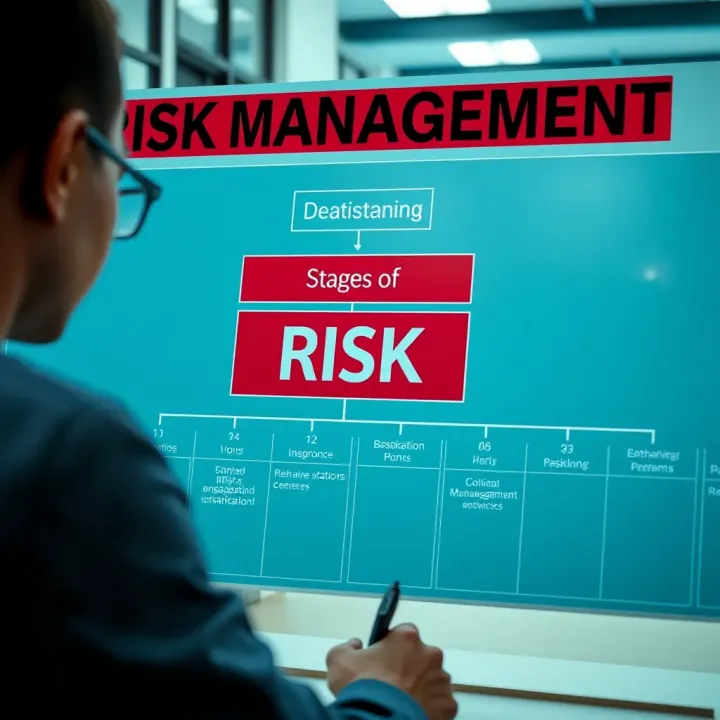
Nigeria's business environment comes with unique challenges—exchange rate swings, inconsistent power supply causing high generator costs, fluctuating fuel prices, and regulatory changes. Ignoring these factors exposes your ventures to avoidable setbacks. On top of that, the informal sector's dominance means many businesses lack formal risk controls, making them vulnerable during economic downturns or embargoes.
Proper risk management helps you:
Protect capital against sudden shocks
Ensure business continuity during disruptions
Improve decision-making under uncertainty
Gain investor confidence by showing control over risks
Risk management is not just paper work. It involves:
Risk Identification: Spot potential issues like market volatility, inflation, or supply chain disruptions.
Risk Assessment: Evaluate how likely these issues are and their possible impact.
Risk Control: Take steps such as diversifying suppliers or hedging foreign exchange exposure.
Risk Monitoring: Regularly review and adjust strategies as conditions change.
Effective risk management is not about avoiding all risks but making informed choices to reduce exposure and prepare for uncertainties.
In the following sections, this guide will offer detailed PDF resources and step-by-step methods tailored to Nigeria's business realities to help you build a robust risk management framework. From traders handling assets on NGX to entrepreneurs running small businesses, this information will sharpen your ability to manage risks wisely and keep your ventures on steady ground.
Risk management is about recognising potential problems before they blow up and mapping out how to handle them. This helps businesses avoid losses and stay on course no matter the challenges. In Nigeria’s complex business environment, understanding risk management means being prepared for uncertainties—be it currency swings, supply chain glitches, or regulatory shifts.
At its core, risk management involves identifying, assessing, and controlling threats to an organisation's assets and earnings. These threats could come from financial uncertainties, legal liabilities, management errors, accidents, or natural disasters. For instance, a fintech startup in Lagos might face risks like cyberattacks, fluctuating internet access, or new Central Bank of Nigeria (CBN) policies.
When businesses apply risk management, they actively scan their environment and operations to spot where things might go wrong. This proactive approach allows them to allocate resources efficiently and devise plans, such as holding adequate cash reserves or investing in cybersecurity, to reduce the impact of potential risks.
In Nigeria, with its fluctuating naira, infrastructure challenges, and evolving regulatory landscape, ignoring risk management can be costly. For example, a trading company that doesn’t plan for fuel scarcity might stall operations due to inability to run generators, which businesses rely on heavily during power outages.
Protecting assets and reputation stands out among the practical benefits of risk management. When companies safeguard their resources—financial capital, physical goods, and brand image—they avoid scenarios that could drain their capital and erode customer trust. Think of a retailer in Abuja that invests in risk controls to prevent theft; it not only saves money but also keeps customer confidence intact.
Improving decision-making follows naturally. With clear knowledge of risks, firms can weigh options better and avoid hasty moves. For example, investors who understand market volatility informed by effective risk analyses can tailor portfolios to reduce exposure to naira fluctuations or sector-specific risks.
Finally, enhancing compliance with Nigerian laws and regulations is crucial. Regulatory bodies like the Securities and Exchange Commission (SEC) and the Federal Inland Revenue Service (FIRS) expect firms to manage risks related to governance, reporting, and taxation. Compliance not only avoids penalties but opens doors to partnerships and foreign investment. Proper risk management systems help businesses stay aligned with these rules, preventing avoidable legal troubles.
Smart risk management isn’t about avoiding all dangers but making sure your business can handle them without breaking down. It safeguards your future by planning today.
By grasping what risk management entails and why it matters in the Nigerian context, businesses and investors can navigate uncertainties more confidently and sustainably.
Understanding the risk management process is vital for traders, investors, and finance analysts operating in Nigeria's complex market environment. This process lays out systematic steps to identify, evaluate, control, and monitor risks that could affect business outcomes. Without a clear grasp of these procedures, it's easy for a business to overlook threats that may cause loss, reputational damage, or regulatory penalties.
Risk identification in Nigerian businesses stems from various sources. Common challenges include naira volatility disrupting cash flow, power outages raising operational costs through increased generator usage, and regulatory changes such as new Central Bank of Nigeria (CBN) policies or FIRS tax adjustments. For example, an agric exporter might face risks from currency fluctuations and also delays at ports due to customs reforms.

Practical tools for risk identification include risk mapping and stakeholder interviews. Risk mapping allows businesses to visualise where threats emerge in their operations, whether at the supply chain or financial management level. Interviewing staff and external experts can uncover hidden risks related to market shifts or local political instability, which might not be obvious from data alone.
Measuring risk requires understanding both the likelihood of an event happening and its potential impact on business goals. For instance, a retailer may assess the chance of supply chain disruption due to poor road infrastructure and weigh that against how such disruption could affect product availability and sales.
Prioritising risks helps focus resources on what matters most. This means categorising risks based on severity and frequency, like how fintech firms give higher priority to cybersecurity threats than occasional regulatory fines. Without prioritisation, organisations may waste time trying to mitigate minor risks while serious ones remain unchecked.
Mitigation strategies aim to reduce either the chance of a risk materialising or its impact. Tactical steps include diversifying suppliers to avoid disruption in one region or increasing cash reserves to cushion effects of currency depreciation. These measures are practical, serving to protect businesses from foreseeable issues.
Handling risks also involves deciding when to accept, transfer, or avoid them. For example, small businesses in Lagos might accept minor power outage risks as too costly to eliminate fully, but transfer larger financial risks through insurance. Avoidance might mean exiting a market segment too exposed to political uncertainty.
Regular reviews ensure risk controls stay relevant as conditions change. Businesses should schedule frequent checks, especially during times of policy shifts or market volatility. A manufacturing firm revising its risk profile after new import tariffs is one such scenario.
Feedback from these reviews is crucial for improvement. By analysing what worked and what didn’t, companies fine-tune their strategies, tweaking controls or adopting new tools as needed. This continuous improvement cycle builds resilience and sharper risk awareness.
Effective risk management isn’t a one-off task but an ongoing process that keeps your business one step ahead of threats. Nigeria’s dynamic economy makes this especially important.
This structured approach to risk helps Nigerian businesses navigate their unique environment, making decision-making more confident and resilient to shocks. Understanding these stages empowers traders, investors, and finance professionals to implement sound risk control tailored to their specific industry and circumstances.
Understanding the types of risks Nigerian businesses encounter helps in crafting effective strategies for resilience and growth. The Nigerian business environment is unique, shaped by economic fluctuations, regulatory changes, infrastructural issues, and security challenges. Recognising these categories allows traders, investors, and analysts to prioritise controls where it matters most.
The naira’s instability has been a significant headache for businesses relying on imports or foreign transactions. When the naira weakens sharply, importing goods and raw materials becomes more expensive, increasing operating costs unexpectedly. For instance, a textile manufacturer sourcing fabric from Asia might see costs soar overnight if the naira drops against the US dollar. This unpredictability forces businesses to factor in forex risks when budgeting and pricing.
Access to steady cash flow is essential, yet many Nigerian firms face delays in payments or difficulty securing loans. Credit risk arises when customers or partners default on payments, leaving companies struggling to settle their own obligations. Liquidity risk ties into this—without enough liquid assets, businesses can’t meet short-term expenses. For example, a retailer stocking up for the ember months may suffer if customers delay payment, causing cash crunches that disrupt operations.
Unreliable electricity remains a big drag on productivity. Many businesses keep generators running for hours daily, paying heavily for diesel fuel. This not only raises operational costs but also increases wear and tear on equipment. For example, a manufacturing firm in Lagos might spend up to 40% more just to manage constant power outages, cutting sharply into profit margins.
Nigerian businesses often face delays due to poor infrastructure, strikes, or border closures. Such disruptions can stall production or lead to stock shortages. Take the agricultural sector: transport hold-ups during harvest season can spoil perishable produce, leading to losses. Effective risk management requires planning alternative routes, building buffer stocks, or establishing closer supplier relationships.
The Federal Inland Revenue Service (FIRS) enforces tax laws that regularly change or tighten enforcement. Non-compliance, whether intentional or accidental, can lead to fines or operational shutdowns. Businesses must stay updated on tax obligations, especially with new VAT rules or personal income tax amendments. A failure to adapt on time may invite costly audits or litigation.
CBN rules on foreign exchange, interest rates, or banking practices directly affect liquidity and financing costs. For example, restrictions on forex allocation or sudden changes in monetary policy can hamper import-dependent businesses or fintech firms. Understanding these policies enables firms to anticipate market shifts and adjust strategies accordingly.
Incidences of theft, vandalism, or armed robbery pose real threats to business assets, particularly in volatile regions. These risks force companies to invest in security personnel, CCTV systems, or insurance policies. A company in the Niger Delta, for instance, may face disruptions due to militant activities, requiring contingency plans and stronger physical protection.
With Nigeria’s fintech scene booming, cyber attacks have grown more sophisticated. Fraud, data breaches, and phishing scams threaten both businesses and customers. Firms like Paystack and Flutterwave continuously combat these risks by investing in robust cybersecurity measures. For smaller operators, failure to secure digital platforms can erode customer trust and invite regulatory penalties.
Nigerian businesses must identify and address these risk types systematically to safeguard operations and capitalise on opportunities. Ignoring them can lead to severe financial and reputational losses.
By appreciating the specific challenges in each risk category, Nigerian traders and financial analysts can design practical risk management approaches tailored to the local context. This awareness also prepares them to critically evaluate risk management PDFs and real-world data for better decision-making.
Accessing quality risk management PDFs is a practical step for traders, investors, and finance analysts looking to build or enhance their understanding of how to navigate risks effectively. PDFs often contain rich, well-researched materials from authoritative sources, giving you detailed frameworks and real-world examples without the fluff. Having these documents at hand lets you study risk concepts offline, compare strategies, and even create your own customised risk controls based on trusted guidance.
Government and regulatory bodies' websites provide some of the most reliable and up-to-date resources on risk management. For example, the Central Bank of Nigeria (CBN) regularly publishes reports, policy briefs, and guidelines that address financial risk, compliance risk, and currency volatility specific to Nigeria. Similarly, websites from the Securities and Exchange Commission (SEC) Nigeria or the Nigerian Stock Exchange (now NGX) offer official documents that explain regulatory requirements and risk frameworks for businesses and investors. These PDFs tend to be comprehensive and legally sound, making them essential for anyone serious about risk management in the Nigerian business environment.
Beyond regulatory sites, industry associations and consultancies also produce practical risk management guides tailored to particular sectors. Groups like the Nigerian Association of Risk Managers (NARM) or consulting firms such as PwC Nigeria and KPMG Nigeria often share case studies, whitepapers, and how-to manuals that address everyday challenges Nigerian businesses face—including operational, financial, and cyber risks. These documents complement official resources by providing practical insights and strategies grounded in sector-specific experiences.
When reading risk management PDFs, focus on extracting actionable insights rather than just skimming through content. Highlight methods and tools that apply directly to your business or investment context. For instance, if a PDF describes cash flow risk assessment using scenario analysis, try to practise that approach with your own financial data. Flag sections mentioning localised risks, such as power outage impacts or naira fluctuations, since these deserve extra attention for Nigerian businesses.
After gathering valuable information, customise the guidance to your business needs. No two ventures face identical risks, so adapt models and recommendations to your scale, sector, and resources. For example, a small trader might prioritise simple risk tracking tools or insurance options, while a fintech startup might emphasize cybersecurity frameworks from the PDFs. This tailoring ensures the materials become practical tools instead of just theoretical knowledge. Saving key PDFs allows regular review and updating your risk management plans, especially as Nigeria’s economic climate changes.
Having credible risk management PDFs on hand equips you to anticipate, evaluate, and control risks methodically. Using them well can save you money, safeguard your reputation, and keep your business more resilient through uncertain times.
Embedding risk management into everyday business activities is vital for building resilience and ensuring smooth operations. For traders, investors, and finance professionals, this integration means spotting potential threats early and tackling them before they impact the bottom line. It also helps businesses adapt quickly to sudden changes like government policy shifts or market volatility common in Nigeria.
Training employees on risk awareness is the foundation of a risk-aware business. When staff across all levels understand common risks—such as fraud attempts, cyber intrusions, or operational glitches—they become the first line of defence. For example, a bank teller trained to spot suspicious transactions can help reduce financial crime exposure. Regular workshops or e-learning sessions tailored to Nigerian business realities build this awareness steadily.
Encouraging transparent communication within teams creates an environment where risks are openly discussed, not hidden. This transparency means that if a logistics company’s delivery chain is interrupted by fuel scarcity, employees can promptly report issues and suggest alternatives. In practice, fostering honest dialogue through regular meetings and digital platforms reduces misunderstandings and facilitates quicker, better-informed decisions.
Many Nigerian businesses now use risk tracking software to monitor and manage threats efficiently. Solutions like MetricStream or local fintech platforms help document risk incidents, analyse trends, and generate reports, which management can use to prioritise actions. For example, a manufacturing firm facing frequent power outages can track occurrences, identify patterns, and decide when to invest in backup generators or alternative energy.
Leveraging fintech and data analytics offers powerful tools to anticipate and reduce risks. Platforms such as Paystack or Flutterwave provide real-time transaction data to detect anomalies early, preventing fraud or financial losses. Data analytics also helps forecast currency fluctuation risks impacting importers or exporters by analysing historical trends. These insights equip Nigerian businesses to make smarter financial choices, keep compliance, and boost operational efficiency.
Integrating risk management into daily work is not a one-off task but a continuous process that shapes smarter, more resilient business practices from top to bottom.
By combining a strong risk culture with modern technology, Nigerian businesses stand a better chance of thriving despite uncertainties. This practical approach keeps risk in check while supporting growth and stability.
📈 Explore how binary options work and their risks tailored for Nigerian traders. Learn smart strategies, regulation tips, and risk management to trade wisely.

Discover how to trade binary options confidently in Nigeria 📈. Learn key strategies, risks, and mechanics to make smarter trading decisions today.

Explore how binary investments work with Yahoo! Get insights on trading formats, risks, and tips tailored for Nigerian investors. 📊💡

Explore how bacteria reproduce through binary fission 🔬 with clear examples, stages, and its role in biology, focusing on Nigeria's unique ecosystems 🇳🇬.
Based on 5 reviews