
Forex Trading Tutorial for Beginners in Nigeria
🌍 Learn forex trading basics for Nigerians: understand the market, key terms, how to start, strong risk management, and picking brokers that fit our ₦ culture.
Edited By
Daniel Foster
Forex trading presents an exciting opportunity for Nigerians to grow their wealth, but it requires understanding how the market works and how to manage risks well. At its core, forex trading is about buying and selling currencies on a global platform, often leveraging price differences to make gains.
Unlike the Nigerian Stock Exchange where you deal with shares, forex trading focuses on currency pairs like USD/NGN or EUR/USD. With ₦1 million, you can start trading with reputable brokers offering platforms accessible from Lagos or any city in Nigeria. This market operates 24 hours a day during weekdays, letting you trade at your own pace, whether at home or during breaks at work.
Before jumping in, it’s key to know that forex trading isn’t a magic cow. Fast gains can happen, but many traders lose money due to poor strategy or overlooking risk management. Practically, this means:
Understanding basic terms such as pips, leverage, and spreads.
Starting with demo accounts, offered by brokers like FXTM or HotForex, to practise without risking real money.
Learning to read charts and identify trends suited to Nigeria’s unique currency fluctuations.
Setting stop-loss orders to limit the downside if the market moves against you.
Successful traders combine technical tools with strong discipline and a clear plan.
Using tools like MetaTrader 4 or 5, and apps on your smartphone, you can monitor price movements, analyse trends with indicators, and execute trades quickly. Also, following global economic news helps because international events often drive currency shifts.
This practical guide will walk you through the essentials: from opening your first trading account to understanding how political events in Nigeria or globally influence currency values. By the time you finish, you’ll have a clear path to start trading intelligently, keep your risk low, and build confidence in the forex market.
Remember, starting slow while learning sharply is the best way to avoid blowing your trading capital. Ready to understand forex trading the Nigerian way? Let’s move forward.
Understanding the basics of forex trading is essential before putting your money on the line. This foundation helps you make informed decisions, avoid costly mistakes, and spot opportunities early. For Nigerian traders, knowing these fundamentals offers an edge amid local challenges like currency volatility and market accessibility.
Foreign exchange, or forex, refers to the buying and selling of different currencies on a global scale. It’s the largest financial market in the world, moving over $6 trillion daily. For instance, when you exchange your ₦5,000 for US dollars to travel or import goods, you participate in forex, albeit on a micro level.
Forex trading always involves currency pairs — one currency is exchanged for another. For example, the USD/NGN pair indicates how many naira you need to buy one US dollar. If NGN weakens, this rate rises, meaning imports get pricier. Understanding these pairs helps traders speculate on whether a currency will strengthen or weaken, potentially earning profits.
Major pairs are the most traded currencies worldwide, like EUR/USD, USD/JPY, and GBP/USD. These pairs generally offer higher liquidity and tighter spreads, making them more attractive for beginners. Minor pairs, like EUR/GBP or AUD/NZD, see less trading activity but can present unique volatility for experienced traders. Nigerian traders might focus more on pairs involving the USD and EUR due to their role in imports and remittances.
Unlike stock markets with central exchanges, forex operates over-the-counter (OTC), meaning trades happen directly between parties through electronic networks. This lack of a physical exchange allows for 24/7 trading and more flexibility. However, it also means greater caution is needed when choosing brokers, especially for Nigerians who must avoid unregulated operators.
Forex trading runs continuously during weekdays thanks to overlapping global sessions: Asian, European, and North American. For Nigerian traders, the London and New York sessions are especially busy, offering more trading opportunities and volatility during 8 am to 5 pm WAT. Knowing your trading window can maximise chances to enter or exit positions effectively.
Central banks, including Nigeria’s Central Bank of Nigeria (CBN), influence forex markets by managing monetary policy and currency supply. Large financial institutions act as major liquidity providers, setting bid and ask prices in the market. Their decisions, like the CBN’s intervention to stabilise the naira exchange rate, can cause rapid currency shifts that traders should monitor closely.
Getting the basics right reduces risk and builds confidence. Before wading into forex trades, grasping how currencies, market hours, and key players interact will sharpen your approach and avoid surprises.
Every Nigerian trader needs a set of reliable tools and platforms to navigate the forex market effectively. With the market’s volatility and the unique challenges in Nigeria — such as power instability and foreign exchange restrictions — choosing the right tools can make all the difference between profit and loss.
Regulation is a key aspect when selecting a broker. In Nigeria, the Securities and Exchange Commission (SEC) regulates financial markets, but local regulation of forex brokers isn't as strong as in developed countries. For this reason, many Nigerian traders prefer brokers licensed by reputable foreign bodies like the Financial Conduct Authority (FCA) in the UK or the Australian Securities and Investments Commission (ASIC). These regulators impose strict standards on transparency, client fund security, and dispute resolution. Choosing a regulated broker safeguards your investment, reducing the risk of fraud.
Broker fees and spreads determine how much it costs to enter and exit trades. Spreads are the difference between the buying and selling price of a currency pair; smaller spreads mean lower trading costs. Some brokers charge additional commissions on trades, while others include costs solely in the spread. Nigerian traders should compare brokers not only by spreads but also by hidden fees like withdrawal charges or inactivity penalties to avoid surprises. For example, a broker offering 1-pip spread but charging steep withdrawal fees may cost you more in the end.
Deposit and withdrawal options in naira simplify funding your account and accessing profits. Many brokers accept bank transfers through Nigerian banks or services like Paystack and Flutterwave, enabling smooth naira transactions. Some brokers also allow deposits via USSD codes or card payments. Quick and affordable withdrawal methods are essential, especially when the naira fluctuates against major currencies; delays or heavy conversion charges can eat into your returns. Make sure your broker provides convenient, transparent naira payment options that suit your daily trading needs.
MetaTrader 4 (MT4) and MetaTrader 5 (MT5) are by far the most popular trading platforms worldwide, including Nigeria. MT4 is valued for its simplicity, customisable charts, and automated trading capabilities via Expert Advisors (EAs). MT5 builds on this with additional technical indicators, an economic calendar, and support for more asset classes. Most Nigerian brokers offer these platforms because they are trusted and powerful, making them ideal for both beginners and experienced traders.
Mobile trading apps provide the flexibility that Nigerian traders require, especially with frequent power outages and busy commutes. Apps by brokers like FXTM or Alpari let you monitor and execute trades from Lagos traffic or a local café. These apps offer real-time price updates, account management, and secure transaction features. Mobile trading means you’re not tied to a desktop, allowing you to react swiftly to market moves wherever you are.
Web-based platforms, such as cTrader Web or broker-specific interfaces, come without the need to install software. They are ideal when using shared or public computers, or when speed and low storage use matter. Some web platforms integrate news feeds, educational content, and one-click trading. For Nigerian traders who want an uncomplicated start without worrying about installation or updates, these platforms offer an accessible entry point.
Choosing the right tools—broker and platform—is as much about fitting your lifestyle and local realities as it is about technical specs. The sooner you find a setup that works well for you, the smoother your trading experience will be.
Starting your journey in forex trading can feel like stepping into a busy Lagos market without a map. This section will guide you through the crucial first steps, helping you trade confidently and avoid common pitfalls. By setting up a demo account and placing your first live trade, you'll build a strong foundation for future success.
A demo account is a practice trading environment that mimics real forex markets without risking actual money. Its main purpose is to help beginners get familiar with trading platforms, understand how trades work, and experiment with strategies before committing real funds. For example, you can try out buying and selling the USD/NGN pair to see how price movements affect profits or losses.
Using a demo account allows you to experience the flow of trading — opening positions, setting stop-losses, and closing trades — without any financial pressure. This hands-on approach builds your confidence and reduces early mistakes that could drain your capital. Most brokers offer free demo accounts, so you can begin practising straight away on platforms like MetaTrader 4 or broker-specific apps.
When you move into live trading, understanding lot sizes and leverage is critical. A lot represents the amount of currency you trade. For instance, 1 standard lot equals 100,000 units of the base currency. Beginners usually start with micro or mini lots to limit exposure. Leverage lets you control bigger positions with a smaller deposit but magnifies both gains and losses. If you use 1:100 leverage, ₦10,000 can control ₦1,000,000 worth of currency, but one wrong move could wipe out your investment fast.
Knowing how to use market and pending orders is also essential. A market order executes immediately at the current price, handy if you want to enter or exit swiftly. On the other hand, pending orders let you set conditions to buy or sell at a specific price, which is useful if you expect the market to move to a certain level but not immediately.
Finally, monitoring your trades effectively can be the difference between profit and loss. Use stop-loss orders to cap potential losses and take-profit levels to secure gains when your target is met. Regularly check your positions, especially if trading volatile pairs like GBP/USD, and be ready to adjust your strategy. Many Nigerian traders schedule brief reviews around market sessions, avoiding trading during high volatility periods like major economic announcements.
Practising on a demo account before going live reduces costly errors. Once live, controlling lot size, understanding leverage, and smart order placement are key to protecting your capital.
By following these steps carefully, you set yourself on a path to manage risks while gaining real trading experience. Take your time, stay informed, and treat trading as a skill that develops gradually, not a quick way to make money.
Understanding basic strategies and analysis is essential for anyone stepping into forex trading. These skills help you make informed decisions rather than just guessing where the market might go. Both fundamental and technical analysis provide different perspectives on the market, allowing you to spot opportunities and manage risks effectively.
Economic indicators like Nigeria's inflation rate, Gross Domestic Product (GDP), and unemployment figures influence currency values strongly. For example, if Nigeria's inflation rises sharply, the Central Bank may adjust policies, which affects the naira’s value against other currencies. Traders watch these numbers closely because they reflect the health of an economy and offer clues about future currency movements.
Central banks, like Nigeria's Central Bank (CBN), use interest rates to control inflation and stimulate growth. When the CBN raises interest rates, it can attract foreign investors looking for higher returns, strengthening the naira. Conversely, lowering rates might weaken the naira. Understanding these changes helps you anticipate market shifts and adjust your trades accordingly.
Events like elections, trade agreements, or conflicts can quickly change market sentiment. For instance, during Nigeria’s election period, investors may become cautious, causing increased volatility in the naira. Similarly, global tensions affecting oil prices—a major export for Nigeria—impact the forex market. Staying updated on such developments enables you to avoid surprises and position your trades wisely.
Charts are the bread and butter of technical analysis. They visually represent historical price movements, helping traders detect trends—uptrends, downtrends, or sideways movements. Spotting a strong trend early can inform decisions like when to enter or exit a trade. For example, if the naira-dollar pair shows a steady upward trend over weeks, you might consider buying in anticipation of further gains.
Indicators simplify price data. Moving averages smooth out price fluctuations to show the general direction, while the Relative Strength Index (RSI) indicates if a currency is overbought or oversold. For instance, an RSI above 70 may signal that the naira is overbought against the dollar, suggesting a possible price drop soon. Combining these indicators improves trade timing and confirmation.
Support and resistance levels mark price points where a currency pair repeatedly stops falling or rising. Identifying these levels helps you predict possible price reversals. If the naira-dollar exchange rate approaches a known resistance level, traders expect selling pressure to increase, which might be a signal to exit long positions. This knowledge prevents unexpected losses and helps secure profits.
Mastering both fundamental and technical analysis gives you a fuller picture of the forex market, helping you trade with confidence rather than relying on luck.
Risk management is a key part of successful forex trading. Without it, traders expose themselves to heavy losses that can wipe out their capital quickly. It is not enough to know how the market works; knowing how to protect your money makes the difference between consistent profits and repeated setbacks.
Setting stop-loss and take-profit orders helps you control losses and lock in gains automatically. For instance, if you buy the USD/NGN pair expecting a rise, a stop-loss order allows you to limit your loss if the price drops unexpectedly. On the other hand, a take-profit order locks in your earnings once the price hits your target. These tools prevent emotional decision-making by limiting the chance of holding losing trades for too long or closing winning trades prematurely.
Calculating position size is crucial because it determines how much of your capital you risk per trade. A general rule is to risk not more than 1-2% of your trading account on a single trade. For example, if your account balance is ₦100,000, risking ₦1,000 or ₦2,000 per trade helps protect you from big losses, allowing steady growth over time. This calculation depends on your stop-loss distance and the value per pip, making it practical for you to adjust trade sizes as market conditions change.
Avoiding over-leverage and emotional decisions remains vital. Leverage magnifies your potential profit but also increases risk. Nigerian traders may be tempted to use high leverage due to limited capital, but over-leverage can lead to rapid losses. Keep leverage moderate, and always make trades based on analysis, not feelings. Emotional decisions—like chasing losses or doubling down after a bad trade—usually end in bigger losses. Clear rules and discipline help in sticking to your strategy and managing risks effectively.
Handling naira exchange rate volatility is necessary because the naira fluctuates frequently, affecting your trading costs and profits. Keep an eye on official CBN announcements and forex market news. When naira weakens suddenly, your trading account may lose value when converted back to naira, even if trades look profitable in USD. Using stable funding methods and hedging strategies where possible can mitigate this risk.
Dealing with power outages and internet stability is a daily reality in Nigeria and can disrupt your trading activities. Using a reliable power backup like an inverter or generator and investing in a stable internet connection reduces the chances of missing critical trade opportunities or being unable to close trades. Mobile data plans with good coverage can serve as backup when your usual internet fails.
Choosing the right time to trade given Nigerian market context matters a lot. The forex market is open 24 hours but keeping track of major market sessions (London, New York, Tokyo) helps. Nigerian traders often benefit most during the London and New York sessions when volumes are higher and price movements clearer. Also, avoid trading during public holidays or ember months when volatility spikes unpredictably or during Nigerian market trading hours if your strategy focuses on major global currencies.
Managing risk in forex is not just good practice—it can determine whether you grow your capital steadily or lose it to avoidable mistakes. Discipline paired with awareness of local realities gives Nigerian traders a better chance at sustained success.
🌍 Learn forex trading basics for Nigerians: understand the market, key terms, how to start, strong risk management, and picking brokers that fit our ₦ culture.
📈 Dive into forex trading basics, market insights, top brokers, and risk management strategies tailored for Nigerian investors eager to grow ₦ through smart currency trading.

Learn forex trading basics 🌍, from market workings to risk tips, tailored for beginners in Nigeria eager to trade currency confidently 💹.
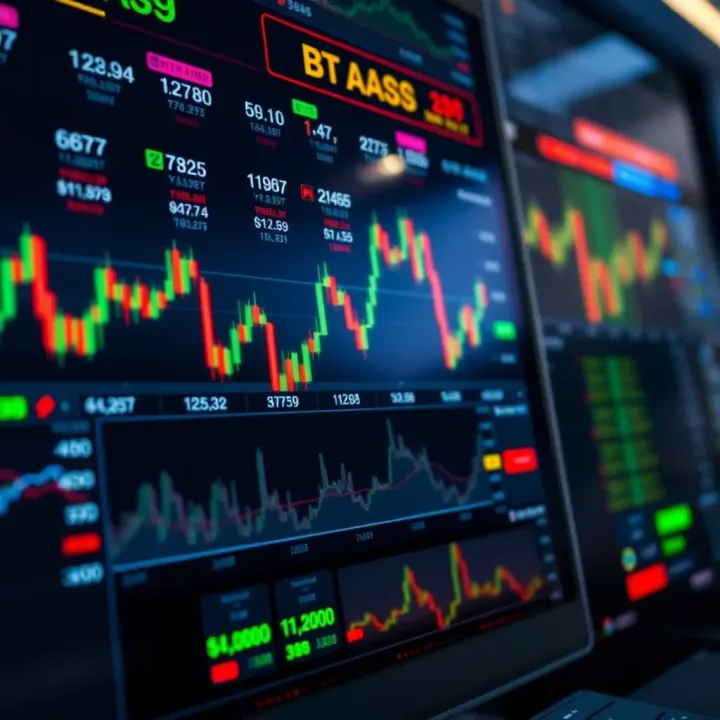
📈 New to forex trading in Nigeria? Learn key terms, strategies, steps, and risk management tips to trade the forex market smartly and confidently! 💡
Based on 15 reviews