
Forex Trading in the USA: A Guide for Nigerian Traders
Explore how Nigerian traders can confidently enter US forex trading 🌍. Understand regulations, pick trusted platforms, manage tax smartly & control risks well!
Edited By
George Mitchell
Forex trading in the United States operates under a tight and clear regulatory framework aimed at protecting investors and ensuring market integrity. For Nigerian traders looking to tap into the US forex market, understanding this framework is the first step to trading confidently and legally.
The US forex market is governed mainly by the Commodity Futures Trading Commission (CFTC) and the National Futures Association (NFA). These bodies require brokers to follow strict rules, including registering with them, maintaining sufficient capital, and ensuring transparent operations. This makes the US market one of the safest but also more challenging for foreign traders due to tighter regulations.
Unlike some unregulated markets, US brokers often provide clients with negative balance protection and segregated accounts, reducing the risk of losing more than your initial investment. However, this safety comes with limitations, such as leverage caps typically at 1:50 for major currency pairs, compared to much higher levels common in other regions.
Nigerian investors interested in US-based brokers should look out for those fully registered with the CFTC and NFA, like OANDA or Forex.com, which are reputable names with solid track records. These platforms provide reliable trading environments and usually offer user-friendly interfaces suitable for both beginners and experienced traders.
To enter the US forex market safely, Nigerian traders must prioritise regulated brokers and understand the country’s compliance demands thoroughly.
While the US market offers strong protections, tax implications exist for profits earned by Nigerian investors. Earnings from forex trading in the US are subject to tax reporting, and traders should be aware of both Nigerian and US tax obligations, often seeking professional advice to avoid double taxation.
In sum, Nigerian traders eyeing forex in the US need to balance safety, regulation, and cost. Choosing the right broker and understanding legal responsibilities are crucial for long-term success and protecting your hard-earned ₦.
Next, we will explore the best platforms available to Nigerians wishing to trade US forex pairs, and how to effectively manage your portfolio under this system.
Understanding forex trading in the United States is vital for Nigerian traders looking to access one of the biggest and most liquid markets globally. This section breaks down the basics and explains why the US forex market holds a unique position that can influence trading strategies and opportunities.
Forex trading means buying one currency while simultaneously selling another. This exchange happens in pairs, like the US dollar against the euro (USD/EUR). Traders aim to profit by predicting which currency will strengthen or weaken relative to the other. For example, if you expect the dollar to fall against the euro, you sell USD/EUR and later buy it back cheaper. Forex trading typically occurs over the counter (OTC), meaning it happens directly between parties through electronic platforms rather than a central exchange.
Nigerian traders can participate remotely, using brokers offering access to these currency pairs. The 24-hour nature of the forex market suits various schedules, but the high volatility also means risks require careful management.
In the US forex market, certain currency pairs attract high trading volume and liquidity, making them popular choices. Major pairs involve the US dollar paired with currencies like the euro (EUR/USD), Japanese yen (USD/JPY), British pound (GBP/USD), and Canadian dollar (USD/CAD). These pairs often feature tight spreads and lower transaction costs, crucial for traders aiming for consistent profits.
Besides majors, minors and exotic pairs like USD/MXN (Mexican peso) or USD/ZAR (South African rand) offer broader opportunities but can carry higher risks and costs. Nigerian traders should consider their risk tolerance and capital size when choosing currency pairs.
The forex market in the United States is among the largest worldwide, with average daily turnover exceeding US$22 trillion. This immense liquidity means Nigerian traders can enter and exit positions swiftly without affecting market prices much. For example, unlike markets with low volume, a trader in the US forex environment can execute large orders quickly, reducing slippage—the difference between expected and actual trade prices.
High liquidity also enhances price transparency, helping traders make informed decisions based on reliable data.
The US dollar plays an outsized role in global forex trading. It serves as the world's primary reserve currency and is involved in about 88% of forex trades according to the Bank for International Settlements. This dominance means that US economic policies, interest rates, and political events can influence global currency markets.
For Nigerian traders, understanding the dollar’s impact is crucial. For instance, shifts from the US Federal Reserve on interest rates often cause ripple effects, impacting emerging market currencies including the Nigerian naira. A trader aware of this link can better time entry and exit points in trades involving the USD/NGN or related pairs.
Being familiar with the US forex market’s size and the dollar’s influence helps Nigerian traders to navigate global currency movements more effectively, potentially improving their profitability and risk control.
This overview sets the stage for detailed sections on the US regulatory environment, broker choice, and tax considerations relevant to Nigerians engaging in forex trading with US dollar pairs or on US-based platforms.
Understanding the regulatory framework around forex trading in the United States matters a great deal, especially for Nigerian traders looking to tap into this market. The US has some of the strictest rules designed to protect traders and ensure fair play. These rules influence everything from which brokers you can trust to how much risk you can safely take.
The CFTC is the primary regulator overseeing forex trading in the US. It enforces laws that govern futures and options markets, including currency trading. This body ensures that brokers operating within the US follow sound policies to avoid fraud and market manipulation. For Nigerian traders, the CFTC's role means only brokers registered and transparent in their dealings get a chance to operate in the US, reducing the risk of scams.
The NFA is a self-regulatory organisation that works closely with the CFTC. It sets standards for brokers and traders, including ethical conduct and financial responsibility. Brokers registered with the NFA undergo continuous monitoring to ensure compliance. For any Nigerian trader, seeing the NFA registration on a broker’s site adds a layer of confidence that the broker adheres to US trading standards.
Brokers in the US must register with both the CFTC and the NFA before they can offer forex services. This registration process involves detailed checks of their financial health, business practices, and compliance mechanisms. Nigerian traders should seek brokers who visibly display their regulatory credentials; this is a sign that the broker operates within the law and is subject to ongoing audits.
US regulations provide several safety nets. One clear example is the segregation of client funds from the broker's own money, which helps protect clients if a broker faces financial troubles. Moreover, registered brokers must meet minimum capital requirements, reducing the likelihood of bankruptcy. These frameworks protect traders, including Nigerians, from losing funds due to broker mismanagement.
The US limits leverage on forex trading to a ratio of 50:1 for major currency pairs and 20:1 for others. While this is lower than what some offshore brokers offer, it helps protect traders from huge losses caused by volatile market swings. Nigerian traders used to higher leverage should approach these limits as a safeguard rather than a restriction.
Regulations mandate brokers to provide transparent pricing and clear transaction records. This ensures Nigerian traders can verify trades and fees without guesswork or hidden charges. For instance, brokers must show real-time pricing and disclose any fees upfront, avoiding nasty surprises during settlement.
Trading forex in the US involves clear regulatory checks that protect you from unethical practices and excessive risk. Nigerian traders who choose brokers under this regime can trade with more confidence, knowing safeguards are in place.
In summary, the US regulatory environment for forex trading creates a safer, more trustworthy space for Nigerians participating remotely. While some rules may feel limiting, they ultimately help protect your funds and provide better transparency in your trades.
Navigating the US forex market from Nigeria demands careful choice of a broker. A reliable broker anchors your trading journey by providing legal protections, efficient access to market tools, and clear trading costs. Picking the right one can prevent losses and frustration, especially with differing regulations and payment setups.
Picking a broker with a strong regulatory endorsement is vital. Brokers regulated by the Commodity Futures Trading Commission (CFTC) and registered with the National Futures Association (NFA) comply with strict standards designed to protect traders. For Nigerian traders, this means that your funds are safeguarded and the broker is obligated to adhere to transparent practices.
Without proper regulation, a broker may expose you to risks like fund mismanagement or unfair trading practices. For example, a Nigerian trader using an unregulated platform might find it difficult to recover funds if disputes arise. Ensuring your broker is US-regulated minimizes such risks.
A trader’s toolkit depends largely on the trading platform. Reliable US brokers offer platforms packed with analytical tools, real-time charts, and fast execution speeds. These features support both beginner and advanced traders in making informed decisions.
Consider platforms like MetaTrader 4 or proprietary platforms with user-friendly interfaces and mobile access. Nigerian traders benefit greatly when they can monitor trades on the go, and leverage tools like economic calendars or automated trading features for better timing. Platforms with intuitive design avoid unnecessary delays caused by slow loading or poor navigation.
Cost structures vary widely across brokers. This includes spreads—the difference between buy and sell prices—commission charges, and other fees like withdrawal costs. Nigerian traders should seek brokers offering competitive spreads and transparent fee policies to avoid surprises.
Account types matter too. Some brokers offer micro or mini accounts suitable for traders starting with limited capital, while others provide more advanced accounts with added services. For instance, a trader with ₦100,000 may prefer a micro account with lower minimum deposit requirements, ensuring better risk control.
Brokers like OANDA, IG US, and Forex.com have strong reputations in the US market and welcome Nigerian customers through their online platforms. Their global presence ensures adherence to US regulations coupled with the experience to cater to international clients.
These brokers often provide extensive educational resources and live market updates, which are useful for Nigerians seeking to sharpen their trading strategies while staying compliant with US rules.
Responsive customer service matters, especially when trading across time zones. Reliable brokers tend to offer multiple channels—live chat, email, phone—with support teams knowledgeable about challenges faced by Nigerian traders.
Local payment methods also ease the process of funding and withdrawing your trading account. Brokers accepting payments through global Nigerian-friendly platforms like Paystack, Flutterwave, or international bank transfers reduce delays and currency exchange hassles. Without such options, you might face high fees or lengthy bank processing times.
Choosing a well-regulated broker with suitable trading tools, transparent fees, and accessible support significantly improves your chances of success in the US forex market from Nigeria. Always conduct thorough checks before opening an account to safeguard your investments and trading experience.
Having a solid strategy and clear best practices is essential for anyone serious about forex trading, especially Nigerian traders accessing the US market. These strategies help you make informed decisions, manage risks, and ultimately increase the chances of consistent profits. Without discipline and tested methods, forex trading can quickly become a gamble rather than a calculated investment.
Fundamental analysis is a cornerstone for forex trading; it’s about understanding how economic factors influence currency values. For traders dealing with US forex pairs, key US economic indicators like Gross Domestic Product (GDP), unemployment rates, and Federal Reserve interest rate decisions provide direct insight into the dollar’s strength or weakness.
For example, a higher-than-expected US GDP growth figure usually signals a stronger dollar. If the Federal Reserve raises interest rates, it often leads to dollar appreciation. Nigerian traders who follow these releases closely can anticipate market moves and position their trades accordingly, reducing guesswork.
Technical analysis uses charts and various indicators to predict future price movements based on historical data. Popular tools include Moving Averages (MA), Relative Strength Index (RSI), and Bollinger Bands.
Suppose you spot the 50-day MA crossing above the 200-day MA on the EUR/USD chart. This 'golden cross' can indicate a potential upward trend. Combining this signal with RSI showing oversold conditions can strengthen your decision to buy. Nigerian traders often find that blending fundamental and technical analysis gives a fuller market picture.
Effective risk management keeps your capital safe. Stop-loss orders automatically close a position if the price hits a level where losses become unacceptable. For instance, if you buy USD/NGN at ₦460 and set a stop-loss at ₦450, your trade will close if the Naira strengthens, limiting your loss to ₦10.
Take-profit orders work the other way, locking in gains once your target price is reached without needing constant monitoring. Using both ensures you stick to your strategy and don’t get caught up in emotional trading decisions.
Leverage lets you control larger trades with smaller capital, but it magnifies both gains and losses. US regulations cap leverage at 1:50 for forex, which means Nigerian traders should be careful not to overextend.
For example, with ₦100,000, a 1:50 leverage allows a position size of ₦5 million. While this seems profitable, even small market swings can wipe out your capital. Adjust position size depending on your tolerance and always calculate the maximum loss you can afford without serious impact. Conservative leverage and well-planned position sizes preserve your trading longevity.
Consistent profits in forex come from smart analysis, disciplined risk management, and sticking to proven strategies—not from chasing quick wins or high-risk gambles.
By mastering these strategies, Nigerian traders can navigate the complex US forex market with greater confidence and safeguard their investments against common pitfalls.
Navigating the legal and tax landscape is vital for Nigerians trading forex in the US market. Understanding these aspects helps traders comply with laws in both countries, avoid penalties, and make informed decisions that affect profitability. Ignorance here can lead to unwelcome surprises, especially given the complex interactions between US and Nigerian tax authorities.
When Nigerian traders engage with US forex brokers, they may encounter withholding taxes on certain types of income. The US government levies these taxes to ensure non-residents contribute their fair share. However, forex trading gains are generally considered capital gains, which often have different tax treatment compared to interest or dividends.
In practice, this means Nigerian traders should expect to provide the correct tax forms to their brokers—often a W-8BEN—to certify their non-resident status and claim applicable treaty benefits. Brokers typically do not withhold taxes on capital gains for non-residents, but traders must still report earnings correctly if required. Knowing this helps in planning for any US reporting duties without facing unexpected withholding deductions.
Non-resident aliens, including Nigerians trading US forex, face specific tax rules. Generally, the US taxes non-residents only on income effectively connected with a US trade or business. Since most forex trading is considered personal investment, it usually isn’t subject to US income tax unless the trader has a permanent establishment in the US.
Still, compliance includes submitting proper tax documentation and keeping clear records. Failure to meet reporting requirements can trigger audits or withholding penalties. For example, if a Nigerian trader uses a US-based broker without submitting W-8BEN, the broker may withhold tax at a flat rate, hurting cash flow.
The Nigerian tax system requires its citizens and residents to declare earnings from foreign sources, including forex trading gains made abroad. The Federal Inland Revenue Service (FIRS) expects taxpayers to report and remit taxes on all worldwide income, not just what they earn on Nigerian soil.
For Nigerian traders, this means keeping detailed records of their US forex profits and losses to declare appropriately during annual tax filings. Proper declaration avoids penalties and maintains good standing with tax authorities. For instance, failing to disclose significant foreign gains can raise suspicion during audits, leading to fines or back taxes.
Nigeria and the US do not currently have a tax treaty to avoid double taxation, which means traders risk being taxed twice on the same forex income—once in the US and again in Nigeria. However, Nigerians can claim foreign tax credits on their Nigerian tax returns for taxes paid abroad, mitigating this burden where taxes were withheld in the US.
Practical steps include consulting a tax professional familiar with cross-border income to optimise filings and avoid paying more than necessary. For example, if a US broker incorrectly withholds tax, traders can seek a refund or use the credit when filing Nigerian taxes. Being proactive with tax planning reduces financial stress and protects trading profits.
Managing legal and tax responsibilities on both sides is fundamental for sustained success in US forex trading from Nigeria. Clear documentation, understanding obligations, and timely compliance help traders keep their gains intact and avoid costly penalties.
Nigerians trading US forex must submit tax forms like W-8BEN to claim non-resident status.
Forex gains are generally exempt from US withholding tax but require good record-keeping.
Nigerian tax law mandates declaring all foreign income, including forex profits.
Without a tax treaty, double taxation is possible but can be eased through foreign tax credits.
Strong grasp of these legal and tax principles aids Nigerian traders in fully benefiting from US forex markets without unnecessary dry spells or legal troubles.
Explore how Nigerian traders can confidently enter US forex trading 🌍. Understand regulations, pick trusted platforms, manage tax smartly & control risks well!
📈 Dive into forex trading basics, market insights, top brokers, and risk management strategies tailored for Nigerian investors eager to grow ₦ through smart currency trading.
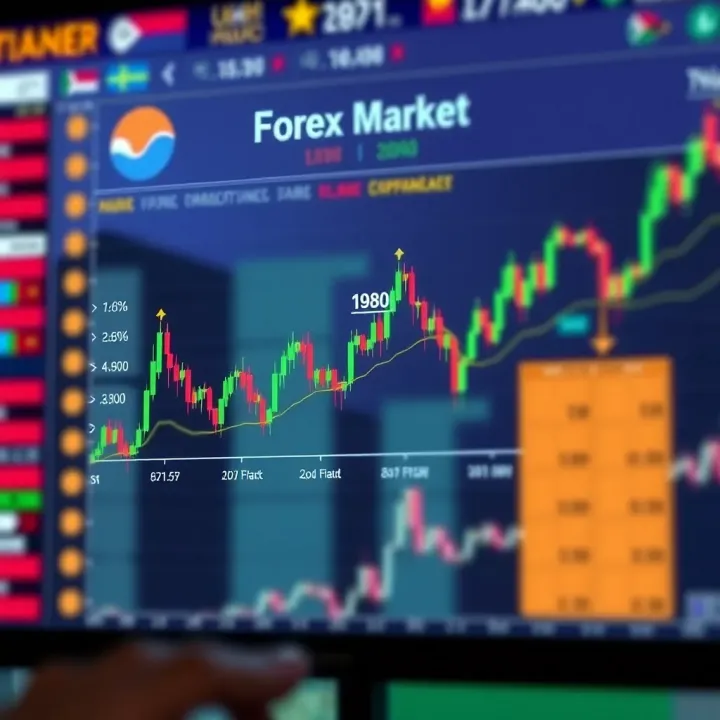
🌍 Learn forex trading basics for Nigerians: understand the market, key terms, how to start, strong risk management, and picking brokers that fit our ₦ culture.
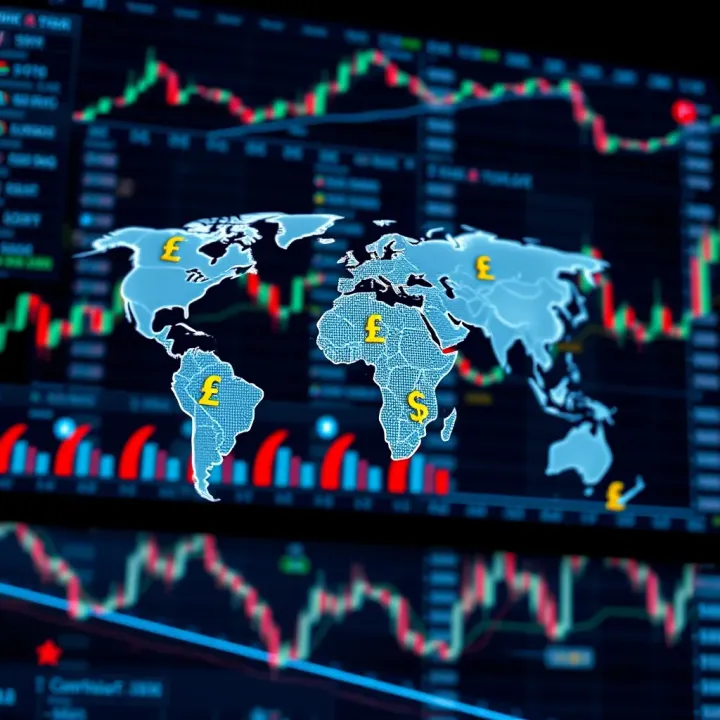
📈 Ready to start forex trading in Nigeria? Learn how currency markets work, common strategies, risks, and use trusted local platforms for your ₦ investments safely.
Based on 7 reviews