
Forex Trading Guide for Nigerian Investors
📈 Dive into forex trading basics, market insights, top brokers, and risk management strategies tailored for Nigerian investors eager to grow ₦ through smart currency trading.
Edited By
Sophie Mitchell
Forex trading involves buying and selling currencies to profit from changes in exchange rates. For Nigerian investors, this market offers opportunities beyond traditional stocks or real estate, especially with accessible online platforms tailored to the local context.
Understanding forex starts with grasping how different currencies pair against each other. For example, USD/NGN shows how many naira one US dollar can buy. Since the naira fluctuates due to economic factors like oil prices and CBN policies, traders watch these pairs carefully to spot potential gains.
Local platforms such as OPay and Flutterwave bring forex trading to your fingertips, allowing you to trade with as little as ₦10,000. However, choosing a regulated broker is vital to avoid scams common in the unregulated Nigerian market. Always check for brokers registered with the Securities and Exchange Commission (SEC) Nigeria or international bodies respected in the forex space.
Successful forex trading demands a clear risk management plan. Set stop-loss orders to limit potential losses and avoid using too much leverage, which can amplify risks significantly.
Starting forex trading with limited capital means focusing on currency pairs with lower spreads like EUR/USD or GBP/USD, rather than exotic pairs that tend to be more volatile and costly. Practicing with demo accounts before investing real money can save you from costly beginner mistakes.
Risk controls, such as diversifying trades and never risking more than 2% of your capital on a single trade, help preserve your investment. Also, keep an eye on economic news from Nigeria and major economies since events like CBN rate hikes or US Federal Reserve decisions influence currency values daily.
In the next sections, we will explore how to read currency charts, identify trading signals, and avoid common pitfalls like falling for get-rich-quick schemes marketed heavily in Nigerian social media.
By the end of this guide, you should feel confident navigating forex trading platforms, understand key market terms, and apply informed strategies suitable for the Nigerian trading environment.
Grasping the forex market is the first step for any Nigerian investor looking to navigate this vast and volatile space. Unlike local markets with clear-cut opening hours, the forex market operates 24 hours a day, moving with global financial centres from Lagos to London and New York. Understanding its rhythm helps you choose the right time to trade, manage your risk better and spot real opportunities rather than chasing false hopes.
Forex trading refers to buying and selling currencies to profit from their changing values. This happens in pairs, such as USD/NGN or EUR/USD, where you exchange one currency for another. Practical relevance comes because movements in exchange rates directly affect Nigerians, whether through import costs, travel expenses, or remittances from abroad.
The major currency pairs are the most liquid and commonly traded worldwide. For Nigerian investors, pairs involving the US dollar (USD), euro (EUR), British pound (GBP), and Nigerian naira (NGN) are particularly important. For example, USD/NGN trading helps businesses manage the ever-changing naira exchange rate which affects import prices and inflation. Familiarity with these pairs enables smarter trades aligned with Nigeria’s economic context.
Forex trading differs from other investments like stocks or real estate because it is highly liquid and operates continuously. There’s no central exchange; it’s an over-the-counter market influenced by global news, economic data, and geopolitical events. While stocks might pay dividends, forex profits come purely from price movements, making it a unique field that demands close market attention and fast decision-making.
Several factors move exchange rates, with supply and demand in forex markets as the immediate cause. But the shape of that supply and demand depends on deeper economic forces like Nigeria’s trade balance, inflation rates, and interest rates. If Nigeria imports far more than it exports, naira can weaken against other currencies.
Central banks such as the Central Bank of Nigeria (CBN) play a big role through monetary policy. When the CBN changes interest rates or intervenes in currency markets, it can influence naira’s value. Economic indicators like GDP growth or unemployment figures also feed traders’ expectations, often driving currency prices before official announcements.
Global events add another layer of impact. Political tensions, commodity price swings (especially oil, which Nigeria depends on), or international sanctions can cause sudden shifts in the forex market. For instance, a disruption in oil supply often triggers naira depreciation due to Nigeria’s reliance on oil exports. Understanding such connections helps Nigerian traders predict and react to market moves more confidently.
Mastery of these fundamentals lays the groundwork for effective forex trading—spotting when to enter or exit trades, and understanding why currencies behave as they do in Nigeria’s unique economic environment.
Setting up a trading account is the first critical step for any Nigerian investor wishing to enter the forex market. It establishes your gateway to buying and selling currencies and determines how smooth and secure your trading experience will be. Getting this right from the start saves you from headaches later, such as dealing with hidden fees or unreliable services. It also affects how easily you can fund your account or withdraw profits in naira.
When selecting a broker, regulation is non-negotiable. Brokers regulated by strong authorities like the Financial Conduct Authority (FCA) in the UK or the Cyprus Securities and Exchange Commission (CySEC) offer added security. Although Nigeria's Securities and Exchange Commission (SEC) regulates local brokers, many Nigerians use global brokers with these licences. This helps minimise risks of fund mismanagement.
Fees also matter: some brokers charge high spreads or hefty commissions, which can quickly eat away your profits. Look for brokers with transparent fee structures and competitive spreads. Platform features are equally important; a good broker should offer user-friendly interfaces, fast execution speeds, and risk management tools such as stop-loss orders.
Brokers like XM, IG, and FXTM have gained traction among Nigerian traders for offering flexible accounts, multiple deposit options like card payments and bank transfers, and strong customer support. Locally, some brokers partner with Nigerian banks or fintech platforms like Paystack to simplify funding.
Your choice depends on your trading style—whether you plan to scalp or trade long term—and your comfort with the platform’s tools. For example, FXTM’s demo accounts let you practise without risking real money, which is helpful before committing funds.
Sadly, the forex space attracts scammers promising sky-high returns with little effort. Avoid platforms that ask for upfront large deposits, refuse to provide verifiable licences, or push aggressive sales tactics. Always verify the broker’s registration with recognised regulatory bodies and read reviews from fellow Nigerian traders.
Be cautious of unofficial WhatsApp groups or social media adverts that claim overnight riches—they usually end in losses. Protect yourself by dealing with well-established brokers, using secure payment options, and never sharing sensitive details like your BVN unnecessarily.
MetaTrader 4 (MT4) and MetaTrader 5 (MT5) are the two most common trading platforms globally and widely used by Nigerian traders. MT4 suits beginners with its simple layout and essential tools, while MT5 includes more advanced features like additional timeframes and order types.
Both platforms support automated trading via Expert Advisors, which can execute trades on your behalf based on preset rules. For instance, a swing trader might use a custom indicator in MT5 to identify trends and automatically enter or exit positions.
Besides MetaTrader, brokers like IG or FXTM offer proprietary platforms accessible via web browsers or mobile apps. Apps like TradingView provide live charts and allow you to monitor prices on the go – which is vital in Nigeria’s fast-moving markets and for traders navigating unreliable power or internet.
Mobile apps make it convenient to manage trades directly from your smartphone, a necessity in urban centres like Lagos where traders are always on the move.
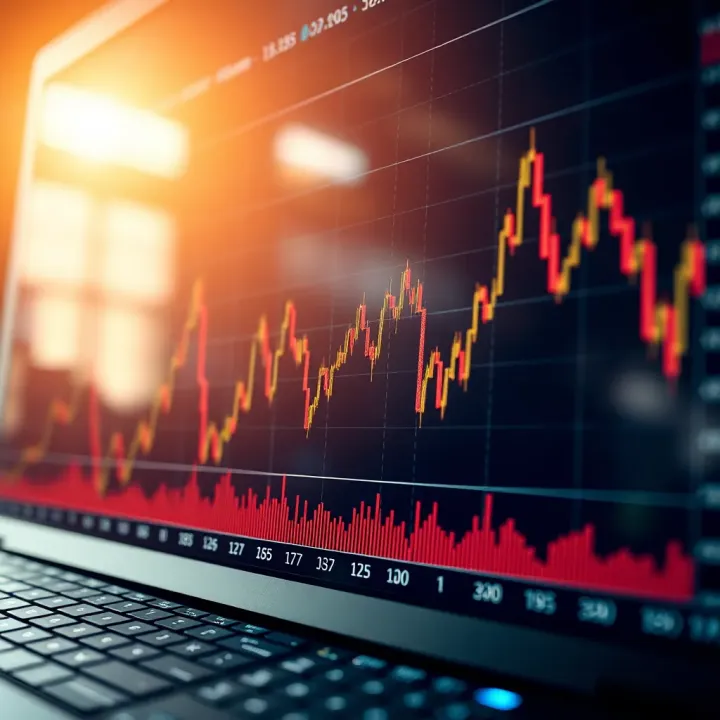
At the core of any trading platform are price charts, where you analyse currency movements. Knowing how to read candlestick patterns or volume bars can help you decide entry and exit points.
Orders let you specify how and when to buy or sell currencies. For example, a stop-loss order automatically closes a trade if the market moves against you by a set amount, protecting your capital from bigger losses.
Indicators like Moving Averages or the Relative Strength Index help track market trends and momentum. While no indicator is foolproof, combining multiple tools enhances decision-making and confidence.
Setting up your forex trading account with the right broker and mastering your trading platform lay the foundation for smart, disciplined trading that can stand Nigerian market challenges like naira fluctuations and internet instability.
Understanding key forex trading concepts and strategies is vital for Nigerian investors aiming to thrive in the volatile currency market. Without solid grasp of these basics, it's easy to misinterpret price movements or fall into risky trades. This section breaks down the core elements like currency pairs, pips, leverage, and trading strategies suitable for beginners, helping you trade with informed confidence.
Every forex trade involves two currencies, known as a currency pair. The first currency is the base currency, while the second is the quote currency. For example, in the USD/NGN pair, the US dollar is the base, and the Nigerian naira is the quote. The price shows how much one unit of the base currency costs in the quote currency. This is practical for Nigerian traders when deciding if buying dollars against naira now makes sense based on exchange rate fluctuations.
Interpreting pips, lots, and leverage is essential to understanding risk and reward. A pip is the smallest price movement in a currency pair, usually the fourth decimal place (0.0001). For example, if USD/NGN moves from 460.0000 to 460.0100, that’s a 1,000-pip move. Lots refer to trade size, with a standard lot being 100,000 units of the base currency. Beginners often trade mini lots (10,000 units) or micro lots (1,000 units) to manage risk. Leverage lets you control bigger positions with less capital—for instance, a 50:1 leverage means ₦1,000 can control ₦50,000 worth of currency. However, while leverage can boost profits, it can also magnify losses, so use it cautiously.
Bid and ask prices show what buyers are willing to pay and sellers are asking, respectively. The spread is the difference between these two, representing the broker’s fee and market liquidity. In Nigeria, spreads on popular pairs like USD/NGN or EUR/USD can impact trade outcomes, especially for scalpers who execute many trades. Understanding spreads helps you pick the right time and pairs to trade.
Scalping and day trading involve opening and closing trades within minutes or hours to capture small profits from minor price changes. This suits traders with quick decision-making skills and constant market attention. Given Nigeria’s varying internet reliability, scalping requires stable connections and fast platforms, so ensure you have these before adopting this strategy.
Swing trading uses simple technical indicators such as moving averages or RSI (Relative Strength Index) to catch short to medium-term price swings lasting days. For instance, a trader might buy USD/NGN after a dip signalled by oversold RSI and sell after a gain. This method suits those who can’t monitor markets all day but want steady trade opportunities.
Following trend direction and identifying support and resistance levels help predict price reversals or breakouts. Support is where price tends to stop falling, resistance is where it stops rising. Recognising these can guide entries and exits more effectively. For example, if USD/NGN nears resistance at ₦470, a trader might consider selling to lock profit before price falls.
Mastery of these concepts and strategies will help Nigerian investors control risk, reduce emotional trading, and increase chances of earning consistent profits in the forex market.
Managing risks is the backbone of successful forex trading, especially for Nigerian investors navigating a market known for swift ups and downs. Without solid risk controls, even a well-researched trade can drain your capital. This section will focus on the main dangers in forex trading and practical ways you can shield your investments.
The forex market moves fast, often reacting sharply to news or market sentiment. This volatility means a currency pair can swing several pips in minutes, which can either boost your profits or pull your capital down quickly. Leverage, offered by brokers to trade larger positions with little upfront money, amplifies these moves. For example, using 100:1 leverage means a ₦10,000 trade controls ₦1,000,000 worth of currency; a small adverse move could wipe out your entire investment. Thus, Nigerian traders must be cautious and avoid excessive leverage that can lead to sudden large losses.
Forex reacts heavily to economic data such as Nigeria's inflation figures, Central Bank policy rates, or global events like oil price changes. For instance, unexpected remarks from the CBN governor about monetary tightening can spark naira volatility quickly. Traders who fail to monitor such news risk being caught off-guard by rapid price swings. Staying informed and timing your trades around scheduled data releases can help reduce exposure to harsh market movements.
The emotional toll of forex trading is often underestimated. Fear and greed can push you to deviate from your trading plan—chasing losses after a bad trade or taking uncalculated risks when feeling overconfident. Nigerian traders, who often juggle forex alongside other income sources, need to master emotional discipline to stick to strategies and cut losses early. Developing patience and avoiding impulsive decisions will protect your capital over time.
Stop-loss orders cap the amount you can lose on a trade by automatically closing a position at a specified price. For example, if you buy USD/NGN at 700 and set a stop-loss at 695, your loss will be limited to 5 naira per dollar regardless of market decline. Similarly, take-profit orders lock in gains when the price hits your target, preventing you from giving back profits due to sudden reversals. These tools provide discipline and help avoid emotional exit decisions.
Deciding how much to risk on each trade is key. Many Nigerian traders risk no more than 1–2% of their total capital per trade to prevent a single bad trade from causing heavy damage. Additionally, diversifying across different currency pairs—say, pairing the naira with the dollar, euro, or even the South African rand—reduces dependence on one market event. This spreads risk and can stabilise returns.
Documenting your trades—entry and exit points, rationale, and emotions at the time—enables clear self-assessment. Regularly reviewing your journal helps spot recurring mistakes, like overtrading during ember months or ignoring economic news. It also reinforces what works well. Many Nigerian investors find that disciplined journaling sharpens their skills and saves them from repeating costly errors.
Strong risk management doesn’t eliminate losses but ensures they stay manageable, keeping your capital intact so you can trade another day. Protecting your money is as important as making profits.
Managing risks and protecting capital should always be your forex trading priority. Start small, trade smart, and grow steadily.
For Nigerian investors, understanding the practical steps involved in starting forex trading is essential. Beyond knowing the markets and strategies, the actual process of funding your trading account, handling withdrawals, and staying on the right side of regulations can make or break your trading experience. This section highlights key elements that directly affect your daily dealings and long-term success.
One of the first challenges Nigerian traders face is funding their forex accounts. Popular payment methods include bank transfers, debit/credit cards, and e-wallets such as Paystack, Flutterwave, or OPay. Bank transfers remain favoured due to familiarity, but they may take several days depending on the banks involved. E-wallets speed up the process, often allowing instant deposits, which can be crucial during volatile market swings.
Currency conversion and associated fees can chip away at your capital if not carefully managed. Since most brokers operate in US dollars or euros, transferring naira means your funds are converted, often attracting a margin above the official exchange rate. For example, converting ₦50,000 through a broker might cost more due to the spread plus service fees. Always compare the exchange rates your broker offers to those from your bank or independent forex bureaus to avoid unnecessary losses.
Withdrawals are another vital consideration. The process and time frame vary significantly between brokers. Some Nigerian traders report delays of up to a week, especially when withdrawing large sums. Confirm withdrawal fees, minimum amounts, and the timeline before committing to a broker. Payment methods for withdrawals usually mirror the deposit channels, but ensure you provide accurate details to avoid bottlenecks.
The Securities and Exchange Commission (SEC) Nigeria and the Central Bank of Nigeria (CBN) are the main regulatory bodies overseeing forex trading activities locally. While the SEC regulates investment markets, the CBN manages foreign exchange policies. Nigerian traders should engage only with brokers authorised or recognised by these bodies to safeguard themselves from rogue operators.
Tax obligations on forex earnings must also not be overlooked. Profits from forex trading are subject to income tax by the Federal Inland Revenue Service (FIRS). Keeping accurate records of your trades and profits will ease tax reporting, helping you avoid penalties. Failure to declare gains can attract fines or legal scrutiny, so it's best to treat forex trading like any other business income.
Lastly, legal protection and fraud prevention are crucial. Forex scams are rampant, especially online, targeting Nigerian investors with promises of guaranteed returns. Recognising warning signs—such as unsolicited calls, unrealistic profit claims, or pressure to invest quickly—can save you from crippling losses. Always verify the broker's credentials through SEC Nigeria and seek reviews from established trading communities.
Before funding your account, check payment options, expected fees, and withdrawal policies carefully; this preparation ensures smoother trades and faster access to your profits.
Starting forex trading in Nigeria involves more than market analysis and technical know-how. Practical steps around payment methods, currency handling, regulatory compliance, and anti-fraud vigilance form the backbone of a stable trading journey. Taking time to address these considerations elevates your chance of trading successfully without avoidable setbacks.
📈 Dive into forex trading basics, market insights, top brokers, and risk management strategies tailored for Nigerian investors eager to grow ₦ through smart currency trading.
🌍 Learn how forex trading works and what Nigerian investors should know about strategies, risks, and CBN rules to start trading smartly in the global market ₦

Forex trading offers Nigerian investors flexibility, high liquidity, profit potential, plus valuable market knowledge to enhance investment strategies 📈💹💰
Explore spot, margin, futures, and automated crypto trading in Nigeria 🇳🇬. Learn risks, strategies, and fits for your ₦ plans and market goals wisely.
Based on 13 reviews